


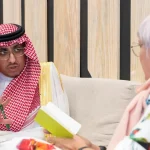
Saudi Arabia and Portugal have taken a significant step toward deepening their cultural partnership, with senior officials from both nations meeting in Salvador, Brazil, to discuss collaboration across libraries, performing arts, scientific research, museum loans, and Islamic art. The meeting, held on the sidelines of the 5th G20 Culture Ministers’ Meeting, brought together Eng. Fahd Al-Kanaan, Deputy Minister of Culture for International Cultural Relations at the Saudi Ministry of Culture, and Maria de Lurdes Craveiro, Portugal’s Secretary of State for Culture. The discussions, reported by the Saudi Press Agency (SPA), signal a shared commitment to strengthening cultural ties between the two friendly nations.
The encounter reflects Saudi Arabia’s broader strategy of international cultural engagement, a key pillar of Vision 2030, which seeks to diversify the Kingdom’s economy and enhance its global cultural presence. By engaging with European partners like Portugal, Saudi Arabia continues to build bridges of mutual understanding and cooperation, reinforcing its role as a dynamic cultural hub. This meeting also underscores the importance of multilateral forums such as the G20 in fostering dialogue and collaboration across continents, with culture increasingly recognized as a vital component of sustainable development and international relations.
Context and Background
How did this cultural dialogue come to the forefront of international diplomacy? The 5th G20 Culture Ministers’ Meeting in Salvador, Brazil, provided the ideal platform for Saudi Arabia and Portugal to explore avenues of cooperation. The G20, traditionally focused on economic issues, has increasingly incorporated cultural discussions, recognizing the role of culture in driving social cohesion and economic growth. Saudi Arabia’s active participation in such forums highlights its commitment to global cultural exchange and its desire to learn from and collaborate with diverse nations.
Saudi Arabia’s cultural diplomacy has gained momentum in recent years, with the Ministry of Culture leading numerous initiatives to promote the Kingdom’s rich heritage and contemporary creative scene. The meeting with Portugal follows a series of international engagements aimed at fostering partnerships in areas such as heritage preservation, artistic exchange, and knowledge sharing. Portugal, with its own rich cultural history and global diaspora, represents a natural partner for Saudi Arabia in these efforts, particularly given the historical ties between the two nations and their shared interest in Islamic art and museum development.
The discussions between Eng. Al-Kanaan and Secretary of State Craveiro focused on concrete areas of collaboration, including libraries, performing arts, scientific research, long-term museum loans, and Islamic art. These sectors align with Saudi Arabia’s Vision 2030 goals of enhancing cultural infrastructure, promoting cultural tourism, and expanding international partnerships. By identifying specific fields for cooperation, both countries aim to create tangible outcomes that benefit their respective cultural landscapes and foster deeper people-to-people connections.
Key Details of the Cultural Collaboration
What exactly does this cultural collaboration entail? According to the Saudi Press Agency, the two officials discussed cultural relations between Saudi Arabia and Portugal, with a particular emphasis on libraries, performing arts, scientific research, collaboration in long-term museum loans, and Islamic art. These areas represent a comprehensive approach to cultural exchange, encompassing both tangible and intangible heritage, as well as contemporary creative expression.
In the realm of libraries, the collaboration could involve the exchange of manuscripts, digital archives, and expertise in preservation and cataloging. Portugal is home to significant collections of Islamic manuscripts and artifacts, while Saudi Arabia boasts a wealth of Arabic and Islamic heritage. Sharing these resources could enrich scholarly research and public understanding of the intertwined histories of the two regions. Performing arts collaboration might include joint productions, artist residencies, and participation in festivals, allowing audiences in both countries to experience each other’s cultural traditions and innovations.
Scientific research cooperation could focus on archaeology, conservation science, and museum studies, leveraging the expertise of both nations to preserve and interpret cultural heritage. Long-term museum loans would enable masterpieces from Saudi Arabia to be displayed in Portuguese museums and vice versa, fostering cultural tourism and mutual appreciation. Islamic art, a shared heritage, offers a particularly promising avenue for collaboration, with potential for joint exhibitions, research projects, and educational programs that highlight the artistic achievements of the Islamic world.
Eng. Fahd Al-Kanaan, as Deputy Minister for International Cultural Relations, has been instrumental in advancing Saudi Arabia’s cultural diplomacy. His meeting with Maria de Lurdes Craveiro, Portugal’s Secretary of State for Culture, reflects the Kingdom’s proactive approach to building cultural partnerships. Both officials bring significant experience to their roles, and their discussions are expected to lead to formal agreements and concrete initiatives in the near future.
International and Regional Impact
How does this cultural collaboration resonate beyond the two nations? The meeting between Saudi and Portuguese officials in Brazil, on the sidelines of the G20, highlights the growing importance of culture in international relations. It demonstrates that cultural diplomacy is not confined to bilateral settings but is increasingly integrated into multilateral agendas. This approach aligns with Saudi Arabia’s Vision 2030, which seeks to position the Kingdom as a global leader in cultural exchange and soft power.
For the Middle East and Europe, this collaboration could serve as a model for cross-regional cultural partnerships. By focusing on shared heritage and mutual interests, Saudi Arabia and Portugal can overcome geographical and cultural distances, creating a blueprint for others to follow. Moreover, the emphasis on Islamic art and museum loans underscores the role of cultural heritage in fostering dialogue and combating misconceptions, contributing to stability and understanding in a diverse world.
The partnership also has implications for the global cultural economy. As Saudi Arabia invests heavily in cultural infrastructure, including museums, theaters, and heritage sites, collaborations with established cultural nations like Portugal can accelerate the Kingdom’s cultural development. Portugal, in turn, gains access to Saudi Arabia’s rich heritage and emerging creative scene, enriching its own cultural offerings. This reciprocal relationship exemplifies the win-win outcomes that Vision 2030 seeks to achieve through international cooperation.
Economic and Strategic Significance
What are the economic and strategic benefits of this cultural collaboration? Culture is increasingly recognized as an economic driver, contributing to tourism, job creation, and innovation. By partnering with Portugal, Saudi Arabia can attract more European visitors interested in cultural tourism, a key segment of the Kingdom’s tourism strategy. The exchange of exhibitions and performances can stimulate demand for travel and related services, boosting local economies in both countries.
Strategically, cultural collaboration strengthens diplomatic ties and builds goodwill. Saudi Arabia’s Vision 2030 aims to diversify its economy beyond oil, with culture playing a central role in this transformation. Partnerships with countries like Portugal enhance the Kingdom’s global image, showcasing its commitment to openness and cultural exchange. For Portugal, engaging with Saudi Arabia opens doors to the Gulf region, a growing market for cultural and creative industries.
Furthermore, the focus on scientific research and museum loans can lead to knowledge transfer and capacity building. Saudi professionals can learn from Portugal’s expertise in heritage management, while Portuguese researchers can benefit from access to Saudi archaeological sites and collections. Such collaborations not only preserve cultural heritage but also generate new knowledge and innovations that have broader societal benefits.
Vision 2030 Alignment
How does this cultural collaboration align with Saudi Arabia’s Vision 2030? Vision 2030 is a comprehensive plan to transform the Kingdom’s economy and society, with culture identified as a key enabler. The Ministry of Culture, under the leadership of His Highness Prince Badr bin Abdullah bin Farhan Al Saud, has launched numerous initiatives to promote cultural expression, preserve heritage, and foster international partnerships. The meeting between Eng. Al-Kanaan and Secretary of State Craveiro is a direct manifestation of these efforts.
By collaborating with Portugal in libraries, performing arts, scientific research, museum loans, and Islamic art, Saudi Arabia is advancing several Vision 2030 objectives. These include enhancing the quality of life for citizens and residents, attracting international visitors, and creating economic opportunities in the cultural sector. The partnership also supports the Vision’s goal of building a vibrant society and a thriving economy, where culture is both a source of pride and a driver of growth.
As Saudi Arabia continues to engage with international partners, such cultural diplomacy will play an increasingly important role in shaping its global identity. The discussions in Salvador are just the beginning; they pave the way for concrete projects and exchanges that will bring the two nations closer together. Through such collaborations, Saudi Arabia reaffirms its commitment to being a responsible global citizen and a leader in cultural innovation, fully aligned with the aspirations of Vision 2030.
20 Questions
Q1. Who represented Saudi Arabia at the 5th G20 Culture Ministers’ Meeting in Salvador?
A1. Eng. Fahd Al-Kanaan, Deputy Minister of Culture for International Cultural Relations, represented Saudi Arabia. He met with Portuguese Secretary of State for Culture Maria de Lurdes Craveiro to discuss cultural collaboration between the two nations.
Q2. What specific areas of cultural collaboration were discussed between Saudi Arabia and Portugal?
A2. The officials discussed libraries, performing arts, scientific research, long-term museum loans, and Islamic art. These areas aim to enhance cultural exchange and mutual understanding between the two countries.
Q3. Where and when did the meeting between Saudi and Portuguese officials take place?
A3. The meeting took place in Salvador, Brazil, on Saturday, November 9, 2024, on the sidelines of the 5th G20 Culture Ministers’ Meeting, as reported by the Saudi Press Agency.
Q4. What is the significance of the G20 Culture Ministers’ Meeting for Saudi Arabia?
A4. It provides a platform for Saudi Arabia to engage with international partners, promote cultural diplomacy, and advance Vision 2030 goals. The meeting underscores the Kingdom’s commitment to global cultural exchange and cooperation.
Q5. How does this collaboration align with Saudi Arabia’s Vision 2030?
A5. Vision 2030 emphasizes cultural development as a pillar of economic diversification and social progress. Collaborating with Portugal in cultural sectors supports goals of enhancing cultural infrastructure, promoting tourism, and fostering international partnerships.
Q6. What role does the Saudi Ministry of Culture play in international cultural relations?
A6. The Ministry of Culture, led by Prince Badr bin Abdullah bin Farhan Al Saud, actively promotes Saudi heritage and arts globally. It initiates partnerships, participates in forums, and facilitates exchanges to strengthen cultural ties.
Q7. What are long-term museum loans, and why are they important?
A7. Long-term museum loans involve lending artifacts for extended periods, allowing museums to display works from other countries. They foster cultural appreciation, boost tourism, and enable research and educational opportunities.
Q8. How can Portugal benefit from cultural collaboration with Saudi Arabia?
A8. Portugal can gain access to Saudi Arabia’s rich Islamic art and heritage, attract Saudi tourists, and engage in joint research. It also strengthens Portugal’s cultural ties with the Gulf region, opening new avenues for exchange.
Q9. What is the historical relationship between Saudi Arabia and Portugal?
A9. Saudi Arabia and Portugal maintain friendly relations based on mutual respect. Cultural cooperation builds on these ties, enhancing people-to-people connections and shared appreciation for heritage.
Q10. How does Islamic art feature in this collaboration?
A10. Islamic art is a shared heritage. Collaboration may include joint exhibitions, research, and educational programs that highlight the artistic achievements of Islamic civilization, fostering mutual understanding.
Q11. What impact could this collaboration have on cultural tourism?
A11. It can attract more European tourists to Saudi Arabia and Saudi tourists to Portugal, boosting local economies. Cultural tourism is a key segment of Vision 2030’s tourism strategy.
Q12. What is the role of scientific research in this cultural partnership?
A12. Scientific research can focus on archaeology, conservation, and museum studies. It enables knowledge transfer, capacity building, and the preservation of cultural heritage for future generations.
Q13. How does Saudi Arabia’s cultural diplomacy contribute to its global image?
A13. It showcases the Kingdom’s openness, rich heritage, and modern creative scene. It builds goodwill, fosters dialogue, and positions Saudi Arabia as a leader in cultural exchange and soft power.
Q14. What are the next steps following this meeting?
A14. The officials are expected to formalize agreements and initiate concrete projects. These may include joint exhibitions, artist exchanges, and research collaborations in the near future.
Q15. How does this collaboration reflect Saudi Arabia’s commitment to multilateralism?
A15. By engaging at the G20 and with individual nations, Saudi Arabia demonstrates its support for multilateral cooperation. Culture is increasingly recognized as a vital component of global agendas.
Q16. What benefits do libraries offer in this cultural exchange?
A16. Libraries facilitate the exchange of manuscripts, digital archives, and expertise. They preserve heritage, support research, and make cultural resources accessible to the public, enriching both nations.
Q17. How can performing arts collaboration enhance cultural ties?
A17. Joint performances, festivals, and residencies allow artists to share traditions and innovations. They create emotional connections, foster creativity, and bring cultures closer together.
Q18. What is the significance of the meeting being held in Brazil?
A18. Brazil’s G20 presidency provided a neutral, multilateral setting. It highlights the global nature of cultural diplomacy and the importance of cross-continental partnerships.
Q19. How does this collaboration support Saudi Arabia’s economic diversification?
A19. Cultural industries create jobs, attract tourism, and stimulate innovation. By partnering with Portugal, Saudi Arabia can develop its cultural economy, reducing reliance on oil and advancing Vision 2030.
Q20. What message does this collaboration send to the international community?
A20. It signals Saudi Arabia’s commitment to cultural openness, international cooperation, and mutual respect. It reinforces the Kingdom’s role as a proactive global partner in culture and beyond.
Reader Feedback
We value your thoughts. Please share your feedback on this article.
Your feedback helps us improve our coverage.
Related articles
 Saudi Arabia, US Discuss Cultural Cooperation at G20
 Saudi Commission Launches Social Media Platforms
 Ministry of Culture Launches Child’s Culture Platform
 Saudi Arabia Highlights Climate Action for Heritage at G20
 Saudi Deputy Minister Discusses Cultural Cooperation in Brazil
 Riyadh Film Criticism Conference Concludes with Global Participation