


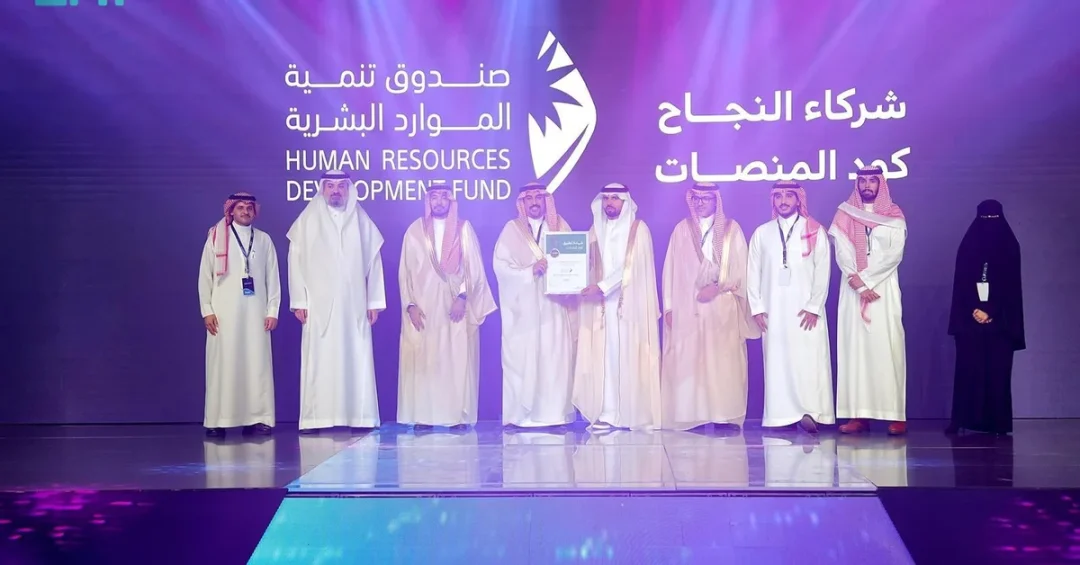
The Ministry of Culture, in collaboration with the Human Resources Development Fund (Hadaf), launched a specialized training program on November 18, 2024, designed to place 100 Saudi cultural scholarship graduates in institutions and companies across their host countries for up to 12 months. The initiative, announced in Riyadh, forms part of a broader agreement signed between the two entities in June 2023 and represents a significant step in developing national expertise across cultural sectors while promoting professional sustainability within the Kingdom’s rapidly expanding creative economy.
Have you ever considered how a nation transforms its cultural ambitions into tangible professional outcomes? This program offers a compelling answer by bridging the gap between academic study abroad and practical industry experience. The training covers an impressive range of disciplines, including architecture, theater, archaeology and heritage, music, fashion design, visual arts, culinary arts, food science and technology, filmmaking, design, literature, languages and linguistics, and museum and library sciences. Each of these fields aligns directly with the Ministry of Culture’s mandate to nurture talent and build a sustainable cultural ecosystem that contributes meaningfully to Saudi Arabia’s economic diversification goals under Vision 2030.
Context and Background
Why does a program like this matter so profoundly for Saudi Arabia’s cultural trajectory? The answer lies in understanding the Kingdom’s deliberate and strategic investment in human capital over the past several years. The Cultural Scholarship Program itself was established to send talented Saudi students to leading international institutions, where they acquire world-class training in disciplines that were previously underrepresented within the domestic education system. However, academic learning alone cannot fully prepare graduates for the demands of a competitive global cultural marketplace. This new training initiative, therefore, serves as the critical bridge between theoretical knowledge and applied professional practice.
The June 2023 agreement between the Ministry of Culture and Hadaf provided the foundational framework for this collaboration. Hadaf, known formally as the Human Resources Development Fund, operates under the Ministry of Human Resources and Social Development and has a long track record of supporting workforce development across multiple sectors. By joining forces, the two entities created a mechanism to ensure that Saudi graduates specializing in cultural disciplines receive structured, hands-on experience in their host countries before returning to contribute to the Kingdom’s cultural landscape. This approach reflects a sophisticated understanding of how international exposure combined with practical training produces professionals who can operate at the highest levels of their fields.
The timing of this launch is equally significant. Saudi Arabia has been experiencing a cultural renaissance unlike anything in its modern history, with new institutions, festivals, and creative initiatives emerging across the Kingdom. From the establishment of the Royal Commission for AlUla to the development of world-class museums and performance venues, the demand for skilled cultural professionals has never been higher. This program directly addresses that demand by creating a pipeline of trained experts who understand both international best practices and the unique cultural context of Saudi Arabia.
Key Details of the Training Program
What exactly does this training program entail for the participating graduates? According to official information released through the Saudi Press Agency, the program seeks to support the training of 100 Saudi graduates by placing them in institutions and companies located in their host countries for a period of up to 12 months. This extended duration allows participants to immerse themselves fully in professional environments, develop meaningful working relationships, and gain insights that only come from sustained engagement with industry leaders and practitioners.
The breadth of disciplines covered by the program demonstrates the Ministry of Culture’s comprehensive approach to sector development. Architecture professionals will have opportunities to work with firms that are shaping the built environment of the future. Theater graduates will engage with production companies and performance institutions that can deepen their understanding of stagecraft and audience engagement. Those specializing in archaeology and heritage will contribute to preservation projects that connect the past with the present. Music professionals will collaborate with orchestras, recording studios, and festivals, while fashion design graduates will work within an industry that increasingly recognizes the importance of cultural identity in global markets.
Visual artists, culinary specialists, food scientists, filmmakers, designers, literary scholars, linguists, and museum and library science experts will all find placement opportunities that align with their specific training and career aspirations. This diversity of fields reflects the multidimensional nature of culture itself and the recognition that a thriving cultural sector requires professionals across a wide spectrum of disciplines. Each placement is designed not only to benefit the individual participant but also to create lasting connections between Saudi cultural institutions and their international counterparts, fostering ongoing collaboration and knowledge exchange.
International and Regional Impact
How might this initiative reshape Saudi Arabia’s standing in the global cultural community? The program positions the Kingdom as a serious investor in cultural human capital, signaling to international partners that Saudi Arabia is committed to building a cultural sector that meets global standards. When Saudi graduates work within leading institutions abroad, they become ambassadors for the Kingdom’s cultural transformation, sharing their perspectives while absorbing new ideas and techniques that they will eventually bring home.
Regionally, this initiative contributes to the broader development of the cultural economy across the Gulf and the wider Middle East. By creating a cohort of highly trained professionals who understand both regional cultural dynamics and international best practices, Saudi Arabia is helping to raise the overall standard of cultural production and management in the region. This benefits not only the Kingdom but also its neighbors, as these professionals will collaborate on cross-border projects, share expertise, and contribute to a more vibrant and interconnected regional cultural ecosystem.
The program also strengthens people-to-people ties between Saudi Arabia and the countries hosting these training placements. Each participant who spends up to a year working within a foreign institution creates a personal and professional connection that transcends formal diplomatic channels. These relationships can lead to future collaborations, joint projects, and a deeper mutual understanding between Saudi Arabia and its international partners. In an era where cultural diplomacy plays an increasingly important role in international relations, such initiatives carry significance that extends well beyond their immediate educational objectives.
Economic and Strategic Significance
Why should the economic dimensions of cultural training programs be taken seriously? The cultural and creative industries represent one of the fastest-growing sectors globally, contributing trillions of dollars to the world economy and employing millions of people. Saudi Arabia recognizes that to capture a meaningful share of this economic activity, it must develop a workforce capable of competing at the highest levels. This training program is, therefore, not merely an educational initiative but a strategic economic investment in the Kingdom’s future prosperity.
The graduates who complete this training will return to Saudi Arabia equipped to launch businesses, lead institutions, and drive innovation within the cultural sector. They will create jobs, attract investment, and contribute to the development of a self-sustaining cultural economy. Their international experience will enable them to identify market opportunities, forge partnerships with global players, and bring best practices back to the Kingdom. As Saudi Arabia continues to diversify its economy away from oil dependence, the cultural sector represents a significant source of growth, and the professionals trained through this program will be at the forefront of that transformation.
Furthermore, the program aligns with the broader objectives of developing a knowledge-based economy. By investing in the skills and capabilities of its citizens, Saudi Arabia is building the human capital infrastructure necessary for long-term success in an increasingly competitive global landscape. The cultural sector, with its emphasis on creativity, innovation, and intellectual property, exemplifies the type of high-value economic activity that the Kingdom seeks to cultivate. This training program ensures that Saudi professionals are prepared to participate fully in and benefit from these developments.
Vision 2030 Alignment
How does this initiative connect to the grand ambitions of Saudi Vision 2030? The Vision, launched under the leadership of Crown Prince Mohammed bin Salman, places significant emphasis on developing a vibrant society, a thriving economy, and an ambitious nation. Cultural development features prominently across all three pillars, recognizing that a strong cultural identity and a dynamic creative sector are essential components of a modern, diversified nation. This training program directly supports these objectives by investing in the people who will shape Saudi Arabia’s cultural future.
The program also contributes to the Vision’s goal of increasing employment opportunities for Saudi citizens and enhancing their skills to meet the demands of a changing economy. By providing structured, high-quality training in cultural disciplines, the Ministry of Culture and Hadaf are creating pathways to meaningful careers that did not exist in the same form a generation ago. The graduates who benefit from this initiative will become the leaders, innovators, and creative forces who carry forward the Kingdom’s cultural renaissance for decades to come.
As Saudi Arabia continues its remarkable transformation, initiatives like this training program demonstrate the Kingdom’s commitment to building a sustainable, prosperous, and culturally rich future. Through strategic partnerships, investment in human capital, and alignment with Vision 2030 objectives, the Ministry of Culture and Hadaf are helping to ensure that Saudi Arabia’s cultural sector not only competes on the global stage but also contributes to the broader well-being and prosperity of the nation and its people.
20 Questions
Q1. What is the purpose of the training program launched by the Ministry of Culture and Hadaf?
A1. The program aims to develop national expertise in cultural sectors, promote professional sustainability, and equip scholarship students with skills needed to work in the cultural sector, supporting the Kingdom’s cultural transformation.
Q2. When was the training program launched?
A2. The program was launched on November 18, 2024, in Riyadh, as announced by the Saudi Press Agency, marking a significant step in cultural workforce development.
Q3. How many Saudi graduates will benefit from this program?
A3. The program seeks to support the training of 100 Saudi graduates specializing in cultural disciplines, providing them with valuable international experience in their respective fields.
Q4. What is the duration of the training placements?
A4. Participants will be placed in institutions and companies in their host countries for a period of up to 12 months, allowing for comprehensive professional development and industry immersion.
Q5. Which entities signed the agreement that established this program?
A5. The agreement was signed between the Ministry of Culture and the Human Resources Development Fund (Hadaf) in June 2023, creating a framework for collaboration on cultural workforce development.
Q6. What are some of the cultural disciplines covered by the program?
A6. The program covers architecture, theater, archaeology and heritage, music, fashion design, visual arts, culinary arts, food science and technology, filmmaking, design, literature, languages and linguistics, and museum and library sciences.
Q7. Where will the graduates be placed for their training?
A7. Graduates will be placed in institutions and companies located in their host countries, allowing them to gain practical experience in international professional environments related to their fields of study.
Q8. What is Hadaf’s role in supporting this initiative?
A8. Hadaf, the Human Resources Development Fund, collaborates with the Ministry of Culture to provide training opportunities that enhance the skills and employability of Saudi graduates in cultural sectors.
Q9. How does this program support professional sustainability in cultural sectors?
A9. By equipping graduates with practical skills and international experience, the program ensures a sustainable pipeline of qualified professionals who can contribute to the long-term growth of Saudi Arabia’s cultural sector.
Q10. What benefits will participants gain from the training program?
A10. Participants will gain hands-on experience, develop professional networks, learn international best practices, and acquire skills that will enable them to contribute effectively to the Kingdom’s cultural development upon their return.
Q11. How does this program align with Saudi Vision 2030?
A11. The program supports Vision 2030’s goals of developing human capital, diversifying the economy, and promoting cultural enrichment, directly contributing to the creation of a vibrant society and thriving economy.
Q12. What is the Cultural Scholarship Program?
A12. The Cultural Scholarship Program sends talented Saudi students to leading international institutions to study cultural disciplines, and this new training initiative provides the practical component of their professional development.
Q13. Why is international training important for Saudi cultural professionals?
A13. International training exposes Saudi professionals to global best practices, diverse perspectives, and professional networks, enhancing their ability to compete and innovate within the Kingdom’s growing cultural sector.
Q14. How will this program impact Saudi Arabia’s cultural sector?
A14. The program will inject highly trained professionals into the cultural sector, raising standards, fostering innovation, and supporting the development of a sustainable and dynamic cultural economy.
Q15. What types of institutions will host the trainees?
A15. Trainees will be placed in institutions and companies relevant to their disciplines, including museums, theaters, design firms, archaeological organizations, music companies, and other cultural enterprises in their host countries.
Q16. How does the program promote knowledge transfer to Saudi Arabia?
A16. Upon completing their training, graduates return to Saudi Arabia with advanced skills, international connections, and insights that they can apply to develop the Kingdom’s cultural institutions and projects.
Q17. What is the significance of the June 2023 agreement?
A17. The June 2023 agreement established the formal partnership between the Ministry of Culture and Hadaf, creating the framework for this training program and other collaborative efforts to develop cultural human capital.
Q18. How does this initiative support Saudi Arabia’s cultural renaissance?
A18. By producing a cadre of highly skilled cultural professionals, the program supports the Kingdom’s cultural renaissance by ensuring that new institutions, festivals, and creative initiatives have the talent they need to succeed.
Q19. What economic benefits can result from this program?
A19. The program contributes to economic diversification by building a skilled workforce in the creative industries, which can drive innovation, attract investment, and create employment opportunities within Saudi Arabia’s growing cultural economy.
Q20. What message does this program send about Saudi Arabia’s commitment to culture?
A20. The program demonstrates Saudi Arabia’s serious commitment to developing its cultural sector, investing in its people, and positioning the Kingdom as a leading global destination for cultural excellence and innovation.
Reader Feedback
We value your thoughts. Please share your feedback on this article.
Your feedback helps us improve our coverage.
Related articles
 Al-Daha: Saudi Folk Heritage Bridging Generations
 King Abdulaziz Falconry Festival Rescheduled to December 3
 Diriyah Art Futures Debuts Landmark AI Art Exhibition
 Ministry of Culture Celebrates Yemeni Orchestra in Riyadh
 Fashion Commission Launches Luxury Retail White Paper
 Bilad Al-Sham Concludes Successful Run at Riyadh Season 2024