


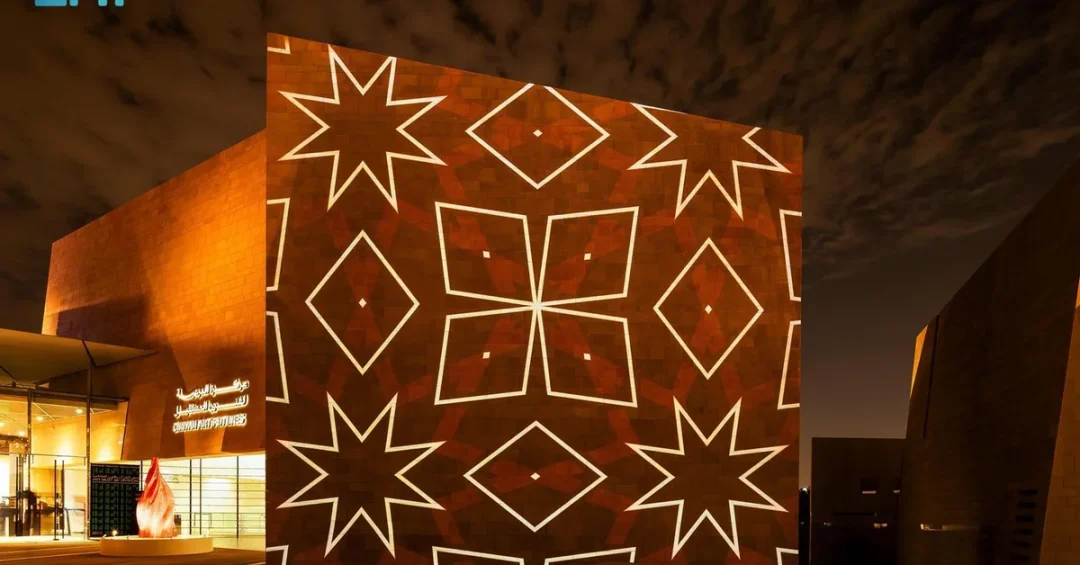
The Saudi Museums Commission hosted a landmark open talk titled “The Future of Museums in the Era of Digitalization and Modern Technology,” bringing together leading cultural experts to explore how innovation is reshaping the Kingdom’s museum sector and its broader cultural evolution. The event, held in Riyadh and reported by the Saudi Press Agency, forms part of the commission’s ongoing series of open talks designed to foster dialogue on the intersection of heritage, technology, and community engagement.
The discussion was moderated by Eman Zidan, director of the upcoming Red Sea Museum, and featured Professor Haytham Nawar, director of the Diriyah Art Futures hub, alongside Dr. Ahmad Mater, a prominent artist. Together, they examined how digital tools, immersive media, and modern technology are transforming the way museums operate, engage audiences, and preserve cultural heritage. But what does this mean for the future of cultural institutions in Saudi Arabia and beyond? The conversation offered a compelling vision of museums as dynamic, accessible spaces that harness technology to connect with diverse audiences while remaining rooted in authentic cultural narratives.
Context and Background
How did Saudi Arabia’s museum sector arrive at this pivotal moment of digital transformation? The answer lies in the Kingdom’s broader cultural strategy, which has accelerated dramatically under Vision 2030. The Saudi Museums Commission, established to oversee and develop the nation’s museum infrastructure, has been instrumental in driving this evolution. Its open talk series serves as a platform for experts, artists, and the public to exchange ideas on how museums can remain relevant in an increasingly digital world.
The commission’s efforts are part of a wider national push to enrich cultural offerings, preserve heritage, and create world-class cultural destinations. Saudi Arabia has invested significantly in cultural infrastructure, from the restoration of historic sites to the development of new museums that showcase both ancient artifacts and contemporary artistic expression. The Red Sea Museum, for instance, represents a new generation of cultural institutions designed to integrate cutting-edge technology with compelling storytelling. Similarly, Diriyah Art Futures is emerging as a hub for digital art and innovation, reflecting the Kingdom’s commitment to positioning itself as a global leader in creative industries.
Against this backdrop, the open talk provided timely insights into how digitalization can enhance rather than replace the traditional museum experience. The experts emphasized that technology should serve as a bridge between audiences and collections, making culture more accessible, interactive, and engaging. This vision aligns closely with the commission’s mandate to foster community engagement and ensure that museums reflect the diversity of Saudi society and its global connections.
Key Details from the Open Talk
What specific insights emerged from the discussion? The panelists explored a range of topics, from virtual reality experiences to artificial intelligence-driven curation and the role of social media in audience development. Professor Haytham Nawar, drawing on his experience at Diriyah Art Futures, highlighted how digital platforms can democratize access to art, allowing people from all backgrounds to engage with cultural content regardless of geographic location. He noted that the hub is designed to nurture emerging talent and experiment with new media, positioning Saudi Arabia at the forefront of digital art innovation.
Dr. Ahmad Mater, a prominent artist, brought a practitioner’s perspective to the conversation, discussing how technology can expand creative possibilities while preserving the integrity of artistic expression. He emphasized that museums must embrace innovation without losing sight of their core mission: to educate, inspire, and connect communities. Eman Zidan, as moderator and director of the Red Sea Museum, guided the discussion toward practical applications, including how museums can use data analytics to better understand visitor preferences and tailor experiences accordingly.
The talk also addressed the importance of training and capacity-building for museum professionals. As technology evolves rapidly, staff must be equipped with the skills to manage digital collections, create immersive exhibits, and engage audiences online. The Saudi Museums Commission is actively supporting such initiatives, ensuring that the Kingdom’s cultural workforce is prepared for the future. Additionally, the panelists discussed the potential of augmented reality to bring historical narratives to life, allowing visitors to visualize the past in new and compelling ways.
International and Regional Impact
How does Saudi Arabia’s approach to museum digitalization resonate on the global stage? The Kingdom’s efforts are part of a broader trend among cultural institutions worldwide, but Saudi Arabia’s unique combination of rich heritage and rapid modernization gives it a distinctive advantage. By investing in digital infrastructure and fostering cross-sector collaboration, the Kingdom is positioning itself as a leader in cultural innovation in the Middle East and beyond. The open talk itself reflects this global outlook, bringing together experts with international experience and a deep understanding of regional contexts.
Regionally, Saudi Arabia’s initiatives can serve as a model for neighboring countries seeking to modernize their cultural sectors. The emphasis on accessibility and community engagement aligns with global best practices, while the focus on preserving cultural identity ensures that digitalization enhances rather than erodes heritage. International observers have noted that Saudi Arabia’s cultural transformation is not only about building new museums but also about reimagining the role of culture in society. This holistic approach could inspire similar efforts across the region, fostering greater cultural exchange and collaboration.
Moreover, the insights shared during the open talk contribute to a global conversation about the future of museums. As institutions worldwide grapple with challenges such as declining physical attendance and the need to remain relevant in a digital age, Saudi Arabia’s proactive stance offers valuable lessons. The Kingdom’s willingness to experiment with new technologies and engage diverse audiences demonstrates a forward-looking mindset that is increasingly recognized by the international cultural community.
Economic and Strategic Significance
What economic and strategic benefits arise from digitalizing museums? The cultural sector is a growing contributor to Saudi Arabia’s economy, creating jobs, attracting tourism, and fostering creative industries. By integrating modern technology into museums, the Kingdom can enhance the visitor experience, increase dwell time, and generate new revenue streams through digital products and services. The Red Sea Museum and Diriyah Art Futures are expected to become major cultural destinations, drawing both domestic and international visitors and supporting the broader goals of Vision 2030 to diversify the economy away from oil.
Strategically, museums serve as soft power assets, projecting a nation’s cultural richness and openness to the world. Saudi Arabia’s investments in digitalization help amplify its cultural diplomacy, showcasing the Kingdom’s heritage and contemporary creativity to a global audience. The open talk series itself is a form of cultural diplomacy, demonstrating the commission’s commitment to transparency, dialogue, and knowledge-sharing. As Saudi Arabia continues to open up to international tourism and business, its museums will play a crucial role in shaping perceptions and building bridges between cultures.
Furthermore, the digitalization of museums supports the growth of the local technology and creative sectors. Partnerships between cultural institutions and tech companies can drive innovation, creating a ecosystem where art and technology intersect. This aligns with the Kingdom’s broader push to develop a knowledge-based economy and nurture talent in fields such as digital media, design, and artificial intelligence. The Saudi Museums Commission‘s efforts to facilitate such collaborations are a testament to its strategic vision.
Vision 2030 Alignment
How does the future of museums connect to Saudi Arabia’s long-term vision? Vision 2030 aims to transform the Kingdom into a vibrant society, a thriving economy, and an ambitious nation. Culture is a central pillar of this transformation, with museums acting as catalysts for community pride, education, and economic growth. The Saudi Museums Commission‘s focus on digitalization and modern technology directly supports these objectives by making culture more accessible, engaging, and sustainable.
The open talk “The Future of Museums in the Era of Digitalization and Modern Technology” exemplifies the collaborative and forward-thinking spirit that defines Vision 2030. By bringing together experts, artists, and the public, the commission is fostering a culture of innovation and inclusivity. As Saudi Arabia continues to invest in its cultural infrastructure, museums will not only preserve the past but also inspire future generations, ensuring that the Kingdom’s heritage remains a living, evolving part of its national identity. In this way, the digital transformation of museums is more than a technological upgrade; it is a strategic investment in Saudi Arabia’s future as a global cultural leader.
20 Questions
Q1. What was the title of the open talk hosted by the Saudi Museums Commission?
A1. The open talk was titled “The Future of Museums in the Era of Digitalization and Modern Technology.” It was part of the commission’s ongoing series of open talks aimed at exploring the intersection of culture and technology.
Q2. Who moderated the discussion on the future of museums?
A2. The discussion was moderated by Eman Zidan, the director of the upcoming Red Sea Museum. She guided the conversation among leading experts and ensured a comprehensive exploration of the topic.
Q3. Which experts participated in the open talk?
A3. The panel featured Professor Haytham Nawar, director of the Diriyah Art Futures hub, and Dr. Ahmad Mater, a prominent artist. Both brought valuable perspectives on digitalization and modern technology in museums.
Q4. What is the Saudi Museums Commission’s goal for the museum sector?
A4. The commission aims to enrich the cultural landscape of Saudi Arabia by prioritizing innovation and fostering community engagement. It seeks to create dynamic, accessible museum experiences that resonate with diverse audiences.
Q5. How does digitalization benefit museums according to the discussion?
A5. Digitalization enhances accessibility, interactivity, and audience engagement. It allows museums to reach broader audiences, offer immersive experiences, and preserve cultural heritage through modern tools like virtual reality and AI.
Q6. What role does Diriyah Art Futures play in Saudi Arabia’s cultural scene?
A6. Diriyah Art Futures is a hub for digital art and innovation, nurturing emerging talent and experimenting with new media. It positions Saudi Arabia at the forefront of digital art and creative industries.
Q7. What is the significance of the Red Sea Museum?
A7. The Red Sea Museum represents a new generation of cultural institutions that integrate cutting-edge technology with compelling storytelling. It is expected to become a major cultural destination, attracting visitors and supporting Vision 2030.
Q8. How can museums use data analytics to improve visitor experiences?
A8. Museums can use data analytics to understand visitor preferences, tailor exhibits, and optimize operations. This helps create personalized experiences that increase engagement and satisfaction.
Q9. What is the importance of training museum professionals in digital skills?
A9. Training ensures that staff can manage digital collections, create immersive exhibits, and engage audiences online. The Saudi Museums Commission supports such initiatives to prepare the cultural workforce for the future.
Q10. How does augmented reality enhance museum experiences?
A10. Augmented reality brings historical narratives to life, allowing visitors to visualize the past in new ways. It adds interactive layers of information and storytelling, making exhibits more engaging and educational.
Q11. What international impact does Saudi Arabia’s museum digitalization have?
A11. It positions Saudi Arabia as a leader in cultural innovation in the Middle East and beyond. The Kingdom’s proactive approach offers valuable lessons for institutions worldwide grappling with digital transformation.
Q12. How does museum digitalization contribute to Saudi Arabia’s economy?
A12. It creates jobs, attracts tourism, and generates new revenue streams. By enhancing visitor experiences, museums can increase dwell time and spending, supporting economic diversification under Vision 2030.
Q13. What strategic benefits do museums offer as soft power assets?
A13. Museums project a nation’s cultural richness and openness, enhancing cultural diplomacy. They help shape international perceptions and build bridges between cultures, supporting Saudi Arabia’s global engagement.
Q14. How does the open talk series reflect the commission’s commitment to dialogue?
A14. The series provides a platform for experts, artists, and the public to exchange ideas. It demonstrates the commission’s commitment to transparency, knowledge-sharing, and community engagement.
Q15. What is the connection between museums and Vision 2030?
A15. Museums are central to Vision 2030’s goal of a vibrant society. They preserve heritage, educate communities, and drive economic growth, aligning with the vision’s cultural and economic objectives.
Q16. How can technology preserve cultural heritage while modernizing museums?
A16. Technology such as 3D scanning, digital archives, and virtual reality can preserve artifacts and stories while making them accessible. It ensures heritage remains a living part of national identity.
Q17. What role does community engagement play in the future of museums?
A17. Community engagement ensures museums reflect diverse perspectives and needs. It fosters a sense of ownership and pride, making museums dynamic spaces that resonate with local and global audiences.
Q18. How does the Saudi Museums Commission support innovation in the cultural sector?
A18. The commission prioritizes innovation through open talks, partnerships, and investment in digital infrastructure. It encourages experimentation and collaboration to create world-class museum experiences.
Q19. What can other countries learn from Saudi Arabia’s approach to museum digitalization?
A19. They can learn the value of integrating technology with heritage, fostering community engagement, and investing in training. Saudi Arabia’s holistic approach balances modernization with cultural preservation.
Q20. What is the future outlook for museums in Saudi Arabia?
A20. The future is bright, with museums becoming dynamic, accessible, and technologically advanced. They will play a key role in Vision 2030, showcasing Saudi Arabia’s heritage and creativity to the world.
Reader Feedback
We value your thoughts. Please share your feedback on this article.
Your feedback helps us improve our coverage.
Related articles
 Mohammed bin Salman Project Revives Historic Najdi Mosque in Farasan
 Ramadan in Al-Baha Brings Generations of Flavor to the Table
 Saudi Film Commission Shines at Hong Kong FILMART
 Truffle Season Enriches Ramadan Tables in Northern Borders
 Vigna Bean: Traditional Delicacy on Jazan’s Ramadan Tables
 Madinah Governor Visits Islamic Arts Biennale 2025