


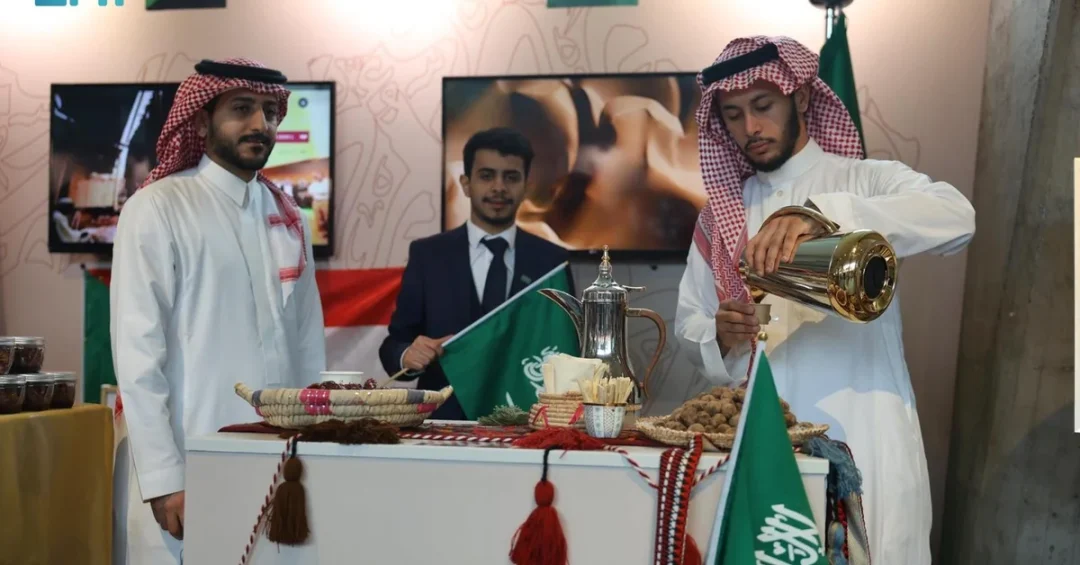
The Saudi pavilion at “Arab Week at UNESCO” in Paris has showcased the Kingdom’s deep-rooted camel culture to a global audience, drawing international visitors to exhibits that highlight the camel’s enduring significance as an authentic symbol of Saudi heritage and civilization. Held at the United Nations Educational, Scientific and Cultural Organization (UNESCO) headquarters, the event placed the camel at the center of Saudi Arabia’s cultural narrative, offering diplomats, delegates, and visitors from around the world a window into a tradition that stretches back thousands of years. According to the Saudi Press Agency (SPA), the pavilion attracted widespread attention over two days, establishing the camel as a cultural icon for the Kingdom in the heart of Paris and reflecting the nation’s identity, values, and civilizational depth. Have you ever considered how a single animal could carry the memory of an entire nation?
The participation came during “Arab Week at UNESCO,” an initiative led by Saudi Arabia and joined by 22 other Arab countries. The event reflects the trust and respect among Arab nations and their shared desire to see cultural initiatives flourish on the international stage. The Saudi pavilion’s focus on the camel was a deliberate choice, underscoring the animal’s unique cultural value and its role as a bridge between the Kingdom’s past and its modern identity. The Ministry of Culture declared 2024 the “Year of the Camel,” a designation that celebrates the Arabian Peninsula’s long-standing appreciation for an animal that has aided travel and nomadic life and is woven into the region’s heritage through stories, poems, and narratives. Why does the world continue to be captivated by the story of the camel?
Context and Background
The relationship between the people of the Arabian Peninsula and the camel is one of the oldest and most profound bonds between humans and animals. For centuries, camels served as a means of transport and a source of goods, enabling trade routes, pilgrimage journeys, and the survival of communities in one of the world’s most demanding environments. Over time, the camel evolved from a practical necessity into a cultural icon and heritage symbol, while retaining its role as a source of food and medicine and as a tool for sustainability. The Saudi pavilion at UNESCO captured this evolution, illustrating how an animal of the desert became a symbol of national identity. What other animal has shaped a civilization so completely?
The Ministry of Culture’s decision to declare 2024 the “Year of the Camel” reflects a broader national effort to preserve and promote Saudi heritage. This initiative aligns with the Kingdom’s commitment to safeguarding its cultural legacy while sharing it with the world. The camel is a tangible reality in Saudi culture, depicted in ancient petroglyphs and celebrated today through races, festivals, clubs, and research centers. By bringing the camel to Paris, the Saudi pavilion connected these ancient expressions with contemporary global audiences, demonstrating that heritage is not a relic of the past but a living, breathing part of Saudi life. How does a nation keep its oldest traditions alive in a rapidly modernizing world?
The “Arab Week at UNESCO” event itself is a testament to Saudi Arabia’s leadership in cultural diplomacy. As the initiative’s leader, the Kingdom brought together 22 Arab countries under one roof, creating a platform for cultural exchange and mutual appreciation. The Saudi pavilion’s emphasis on the camel was both a national statement and a regional one, highlighting a shared Arab heritage while showcasing the Kingdom’s distinctive contribution to it. This approach reflects Saudi Arabia’s growing role as a convener and facilitator of international cultural dialogue, a role that has expanded significantly in recent years. What does it mean for a region to present a united cultural front to the world?
Key Details
Visitors to the Saudi pavilion engaged with displays that established the camel as a cultural icon for Saudi Arabia. According to SPA, over two days, UNESCO visitors from around the globe learned about the close relationship between camels and Saudi culture. The exhibits explained how camels have been integral to community customs, traditions, and literature, including poetry, prose, and proverbs. They witnessed how the camel evolved from a means of transport and a source of goods to a cultural icon and heritage symbol, while retaining its role as a source of food and medicine, as well as a tool for sustainability. This comprehensive presentation offered a nuanced understanding of the camel’s place in Saudi society. How many layers of meaning can one animal hold?
The pavilion’s displays were designed to be immersive and informative, allowing visitors to grasp the depth of the camel’s significance. The camel was chosen for the Saudi pavilion due to its unique cultural value, prompting the Ministry of Culture to declare 2024 the “Year of the Camel.” This highlights the Arabian Peninsula’s long-standing appreciation for camels, which have aided in travel and nomadic life and are woven into the region’s heritage through stories, poems, and narratives. The camel has become a cultural symbol, a testament to authenticity, and a prominent element of Saudi identity. By presenting these elements in Paris, the pavilion offered a tangible experience of Saudi heritage to an international audience. What stories would a camel tell if it could speak?
The Saudi pavilion joined 22 other Arab countries in “Arab Week at UNESCO,” an initiative led by Saudi Arabia. This event reflects the trust and respect among Arab nations and their desire to see such cultural initiatives flourish. The pavilion’s success in attracting visitors underscores the universal appeal of authentic cultural heritage. It also demonstrates how Saudi Arabia is leveraging its cultural assets to build bridges with the international community. The Kingdom’s participation was not merely a display but a dialogue, inviting the world to understand Saudi values through the lens of a beloved cultural symbol. How does cultural exchange shape international perceptions?
International and Regional Impact
The presence of the Saudi pavilion at UNESCO headquarters in Paris carried significant international implications. UNESCO serves as a global stage for cultural diplomacy, and Saudi Arabia’s participation signaled its commitment to engaging with the world through culture. By showcasing the camel, the Kingdom presented a narrative that resonates beyond its borders, connecting with audiences who may have limited knowledge of Saudi heritage. The event also reinforced Saudi Arabia’s role as a leader in regional cultural initiatives, as it brought together 22 Arab countries under the “Arab Week” banner. This leadership reflects the trust and respect among Arab nations and their desire to see such cultural initiatives flourish. What better way to build understanding than through shared heritage?
Regionally, the event highlighted the unity and shared cultural roots of Arab nations. The camel is a symbol that resonates across the Arabian Peninsula and beyond, and its celebration at UNESCO served as a reminder of the common heritage that binds the region. For Saudi Arabia, this was an opportunity to demonstrate its cultural stewardship and its ability to convene and lead. The pavilion’s focus on the camel also aligned with the Kingdom’s broader efforts to promote tourism and cultural exchange, inviting visitors to explore Saudi Arabia’s rich heritage firsthand. How does a shared symbol become a bridge between nations?
Economic and Strategic Significance
The celebration of camel culture at UNESCO is not only a cultural endeavor but also an economic and strategic one. Saudi Arabia’s cultural initiatives are increasingly intertwined with its economic diversification goals under Vision 2030. By promoting its heritage on the global stage, the Kingdom enhances its soft power and attractiveness as a destination for tourism and investment. The “Year of the Camel” initiative, for example, supports the growth of cultural tourism, which is a key pillar of the Kingdom’s tourism strategy. Events like “Arab Week at UNESCO” generate international media coverage and foster goodwill, contributing to a positive image of Saudi Arabia. How does cultural pride translate into economic opportunity?
Strategically, the pavilion reinforced Saudi Arabia’s position as a global cultural player. The Kingdom has invested significantly in cultural infrastructure, including museums, festivals, and heritage sites, as part of its Vision 2030 reforms. These investments aim to preserve Saudi heritage while sharing it with the world. The camel, as a symbol of authenticity and sustainability, perfectly embodies the intersection of tradition and modernity that defines Saudi Arabia’s current trajectory. By presenting this symbol at UNESCO, the Kingdom signaled its readiness to engage with the world on its own terms, rooted in its unique identity. What does it mean for a nation to share its soul with the world?
Vision 2030 Alignment
The Saudi pavilion at UNESCO exemplifies the cultural dimension of Vision 2030, the Kingdom’s ambitious plan to diversify its economy and enhance its global standing. Vision 2030 recognizes the importance of culture as a driver of economic growth and national pride. The “Year of the Camel” initiative and the participation in “Arab Week at UNESCO” are direct manifestations of this vision, showcasing Saudi heritage while fostering international cultural exchange. These efforts contribute to the Kingdom’s goals of increasing tourism, promoting cultural understanding, and strengthening its soft power. How does honoring the past help build the future?
As Saudi Arabia continues to implement Vision 2030, cultural diplomacy will remain a vital tool for connecting with the world. The camel, a timeless symbol of Saudi identity, serves as a reminder of the Kingdom’s deep roots and its forward-looking aspirations. By bringing this symbol to Paris, the Saudi pavilion not only celebrated a cherished heritage but also invited the world to join in a journey of discovery and mutual respect. The event underscored that Saudi Arabia is not only a nation of economic strength but also a nation of cultural richness, ready to share its story with all who wish to listen. What greater legacy can a nation offer than its heritage?
20 Questions
Q1. What event featured the Saudi pavilion showcasing camel culture?
A1. The Saudi pavilion showcased camel culture at “Arab Week at UNESCO” held in Paris, France, bringing together 22 Arab countries.
Q2. Where was the Saudi pavilion located?
A2. The pavilion was located at the UNESCO headquarters in Paris, France, during the “Arab Week at UNESCO” event.
Q3. What was the main focus of the Saudi pavilion?
A3. The main focus was the camel, highlighting its enduring significance as an authentic cultural heritage deeply rooted in Saudi civilization.
Q4. How long did the Saudi pavilion attract visitors?
A4. The pavilion attracted visitors over two days, during which UNESCO visitors from around the globe learned about camel culture.
Q5. What did visitors learn about camels at the pavilion?
A5. Visitors learned about the close relationship between camels and Saudi culture, including their role in customs, traditions, literature, poetry, and proverbs.
Q6. How has the camel’s role evolved in Saudi culture?
A6. The camel evolved from a means of transport and a source of goods to a cultural icon and heritage symbol, while retaining roles as food, medicine, and sustainability.
Q7. Why was the camel chosen for the Saudi pavilion?
A7. The camel was chosen due to its unique cultural value, prompting the Ministry of Culture to declare 2024 the “Year of the Camel.”
Q8. What is the significance of the “Year of the Camel”?
A8. The “Year of the Camel” highlights the Arabian Peninsula’s long-standing appreciation for camels and their role in travel, nomadic life, and heritage.
Q9. How is the camel depicted in Saudi culture today?
A9. The camel is celebrated today through races, festivals, clubs, and research centers, and is depicted in ancient petroglyphs.
Q10. How many Arab countries joined “Arab Week at UNESCO”?
A10. The Saudi pavilion joined 22 other Arab countries in “Arab Week at UNESCO,” an initiative led by Saudi Arabia.
Q11. What does the event reflect about Arab nations?
A11. The event reflects the trust and respect among Arab nations and their desire to see such cultural initiatives flourish.
Q12. Who led the “Arab Week at UNESCO” initiative?
A12. Saudi Arabia led the “Arab Week at UNESCO” initiative, demonstrating its leadership in cultural diplomacy.
Q13. What role does the camel play in Saudi literature?
A13. The camel is integral to Saudi literature, including poetry, prose, and proverbs, woven into the region’s heritage through stories and narratives.
Q14. How does the camel contribute to sustainability?
A14. The camel serves as a tool for sustainability, providing food, medicine, and transport while adapting to harsh desert environments.
Q15. What is the significance of the camel as a cultural symbol?
A15. The camel is a cultural symbol, a testament to authenticity, and a prominent element of Saudi identity, representing the nation’s history and values.
Q16. How did the pavilion engage international visitors?
A16. The pavilion engaged visitors with exhibits that established the camel as a cultural icon, offering a tangible experience of Saudi heritage and identity.
Q17. What does the event say about Saudi Arabia’s global role?
A17. It shows Saudi Arabia’s growing role in cultural diplomacy, using heritage to build bridges and foster international understanding and respect.
Q18. How does this align with Vision 2030?
A18. It aligns with Vision 2030 by promoting cultural tourism, enhancing soft power, and showcasing Saudi heritage as part of economic diversification.
Q19. What impact does such cultural exchange have?
A19. Cultural exchange fosters mutual understanding, positive international perceptions, and strengthens ties between Saudi Arabia and the global community.
Q20. What is the lasting message of the Saudi pavilion?
A20. The lasting message is that Saudi Arabia’s heritage is a living treasure, shared with the world as a symbol of identity, pride, and openness.
Reader Feedback
We value your thoughts. Please share your feedback on this article.
Your feedback helps us improve our coverage.
Related articles
 Two Falcons Fetch SAR196,000 at Saudi Auction
 KSGAAL Highlights Arab Cultural Richness at UNESCO Arab Week
 Arab Countries Commend Saudi-Led Arab Week at UNESCO
 UNESCO Chief Praises Saudi Arabia’s Arab Week Initiative
 International Translation Forum 2024: Riyadh Hosts Global Gathering
 Yemeni Culture Shines at Suwaidi Park, Riyadh Season 2024