


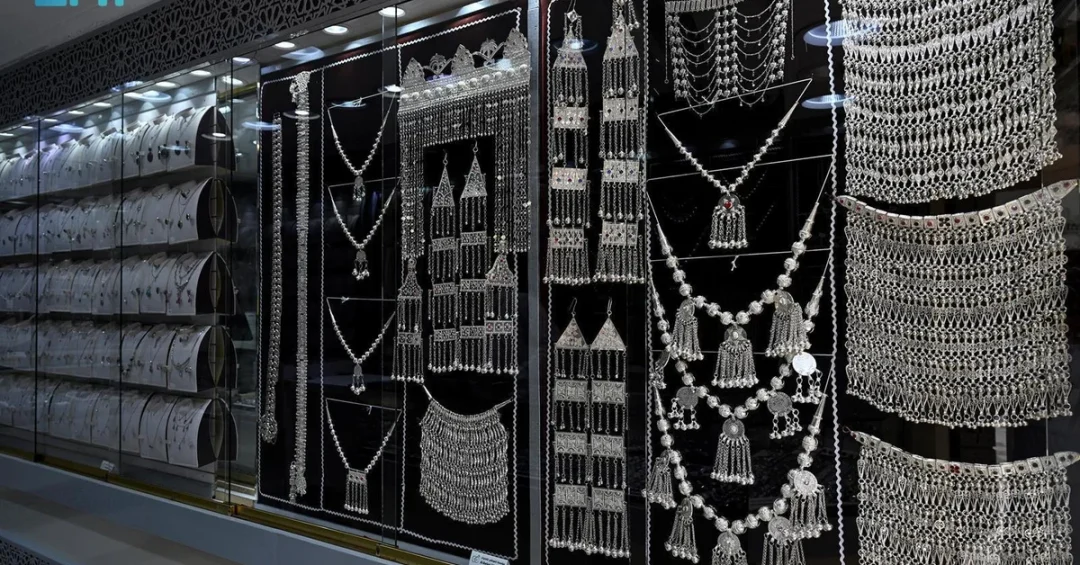
Silver handicrafts in the Kingdom of Saudi Arabia are emerging as a powerful symbol of the nation’s rich cultural diversity and artistic heritage, with the designation of 2025 as the Year of Handicrafts reigniting widespread interest among young women, artisans, and visitors alike. According to the Saudi Press Agency (SPA), traditional silverwork—renowned for its elegance, luxury, and unique craftsmanship—continues to attract strong demand across the Kingdom, particularly from those seeking authentic pieces that reflect Saudi heritage. This renewed focus on silver crafting not only celebrates a time-honored art form but also aligns with the Kingdom’s broader cultural and economic ambitions under Vision 2030.
Have you ever wondered how a centuries-old craft can suddenly become a modern fashion trend? The answer lies in the intersection of heritage and innovation, where Saudi artisans are transforming silver into appealing consumer products such as anklets, bracelets, rings, and necklace sets. This revival is not merely a nostalgic nod to the past; it represents a strategic effort to preserve cultural identity while creating new economic opportunities. As the Kingdom opens its doors to the world through tourism and cultural exchange, silver handicrafts serve as tangible ambassadors of Saudi artistry, inviting global audiences to appreciate the depth and beauty of its traditions.
Context and Background
What makes silver handicrafts so deeply embedded in Saudi culture? Historically, silver jewelry has been a cornerstone of traditional adornment across the Arabian Peninsula, with distinct styles emerging from various regions such as Taif, Jeddah, and the southern provinces. Each piece tells a story of local customs, tribal identities, and artistic expressions passed down through generations. The craft often overlaps with gold and copper work, but silver remains the most widely used and visually appealing material, as noted by silver crafting specialist Maher Al-Awlaki. He emphasized that silver crafting is a prominent traditional craft practiced by both men and women, underscoring its inclusive nature within Saudi society.
The designation of 2025 as the Year of Handicrafts by Saudi authorities has provided a significant boost to this sector. This initiative, part of the broader Vision 2030 cultural strategy, aims to document, preserve, and promote traditional crafts while encouraging innovation and entrepreneurship. It has renewed interest among young women and artisans, who are now learning the skills to shape, refine, and transform silver into contemporary products. This intergenerational transfer of knowledge ensures that the craft remains vibrant and relevant, rather than fading into obscurity. Moreover, it reflects the Kingdom’s commitment to empowering women and youth in the cultural economy.
Are there specific regions in Saudi Arabia that are particularly renowned for their silverwork? Yes, Taif, often called the City of Roses, has a notable reputation for silver craftsmanship, but the tradition extends across the Kingdom. Local markets and heritage festivals showcase a variety of silver pieces, each with unique designs that reflect the region’s history. The SPA report highlights that visitors are increasingly seeking these traditional pieces, indicating a growing appreciation for authentic Saudi handicrafts. This demand is not limited to domestic consumers; international tourists and collectors are also drawn to the intricate designs and cultural significance of Saudi silver jewelry.
Key Details
What exactly does the craft of silver jewelry entail, and how is it evolving? According to Maher Al-Awlaki, a silver crafting specialist, the process involves shaping, refining, and transforming silver into a range of consumer products. Artisans employ techniques such as casting, filigree, engraving, and stone-setting to create pieces that are both aesthetically pleasing and culturally meaningful. The designs often feature geometric patterns, floral motifs, and calligraphic elements that are characteristic of Islamic art. In recent years, there has been a shift toward modernizing these designs to appeal to younger consumers, while still honoring traditional aesthetics.
The Year of Handicrafts has catalyzed this evolution by providing platforms for artisans to showcase their work, access training, and connect with broader markets. Workshops and educational programs have been established to teach young women the skills of silver crafting, enabling them to participate in the economy and preserve heritage. This is particularly significant in a society where women’s empowerment is a key pillar of Vision 2030. By engaging in handicrafts, women can contribute to household incomes and gain financial independence, all while keeping cultural traditions alive.
How does silver compare to gold in terms of demand and cultural significance? While gold is often associated with wealth and investment, silver holds a special place in Saudi culture for its versatility and accessibility. It is used in everyday jewelry as well as in ceremonial pieces. Al-Awlaki noted that silver remains the most widely used and visually appealing material in jewelry making, suggesting that its popularity is enduring. The affordability of silver also makes it more accessible to a wider segment of the population, allowing more people to own and appreciate handcrafted items. This democratization of beauty is a testament to the inclusive nature of Saudi heritage.
International and Regional Impact
Could Saudi Arabia’s silver handicrafts become a global cultural export? The potential is significant. As the Kingdom positions itself as a premier tourism destination, cultural products like silver jewelry can serve as ambassadors of Saudi identity. International visitors often seek authentic souvenirs that embody the spirit of a place, and Saudi silverwork fits this demand perfectly. By participating in international exhibitions and trade fairs, Saudi artisans can gain exposure to global markets and forge connections with foreign buyers and designers. This not only boosts the handicraft sector but also enhances Saudi Arabia’s soft power and cultural diplomacy.
Regionally, the revival of silver crafting strengthens ties among Gulf Cooperation Council (GCC) countries, which share similar heritage crafts. Collaborative initiatives could lead to cross-border exhibitions, joint training programs, and shared marketing efforts. Such cooperation aligns with the broader goals of regional integration and cultural exchange. Furthermore, it counters the homogenizing effects of globalization by celebrating distinct local traditions. In a world where mass-produced goods dominate, handmade silver jewelry stands out as a symbol of authenticity and craftsmanship, appealing to discerning consumers worldwide.
Economic and Strategic Significance
What economic benefits does the silver handicraft sector bring to Saudi Arabia? The handicraft industry, including silverwork, contributes to economic diversification by creating jobs, supporting small and medium enterprises (SMEs), and generating tourism revenue. According to Vision 2030, the Kingdom aims to increase the contribution of non-oil sectors to the GDP, and cultural industries are a key part of this strategy. By investing in handicrafts, Saudi Arabia can tap into the growing global market for artisanal goods, which is valued at billions of dollars annually. Moreover, the sector empowers women and youth, fostering inclusive growth.
Strategically, promoting silver handicrafts reinforces national identity and social cohesion. In a rapidly modernizing society, maintaining connections to heritage provides a sense of continuity and pride. It also supports the Kingdom’s efforts to preserve its cultural legacy for future generations. The Year of Handicrafts serves as a catalyst, but sustained efforts are needed to ensure long-term viability. This includes establishing supply chains for raw materials, providing financial support to artisans, and protecting intellectual property rights. By doing so, Saudi Arabia can build a resilient and thriving handicraft ecosystem that benefits all stakeholders.
Vision 2030 Alignment
How does the silver handicraft revival align with Vision 2030’s objectives? Vision 2030 is not just about economic transformation; it also emphasizes the importance of culture and heritage in shaping a vibrant society. The Year of Handicrafts directly supports the Vision’s cultural goals by preserving traditional arts, promoting national identity, and enhancing quality of life. It also contributes to economic goals by creating jobs, supporting SMEs, and boosting tourism. The focus on empowering women and youth in this sector aligns with the Vision’s social objectives, ensuring that all segments of society can participate in the Kingdom’s progress.
As Saudi Arabia continues its journey toward a diversified and sustainable future, silver handicrafts will remain a shining example of how tradition and modernity can coexist harmoniously. They reflect the elegance, luxury, and unique artistic craftsmanship of Saudi artisans, while also serving as a bridge to the global community. By celebrating and investing in this heritage, the Kingdom not only honors its past but also enriches its future. The world is invited to discover the beauty of Saudi silver, a craft that embodies the spirit of a nation proud of its roots and confident in its destiny.
20 Questions
Q1. What is the significance of silver handicrafts in Saudi Arabia?
A1. Silver handicrafts highlight Saudi Arabia’s rich cultural diversity and artistic heritage, reflecting elegance, luxury, and unique craftsmanship. They are a prominent traditional craft practiced by both men and women, and they continue to attract strong demand across the Kingdom.
Q2. Why was 2025 designated as the Year of Handicrafts?
A2. The designation aims to renew interest in traditional crafts, including silverwork, among young women and artisans. It supports the preservation of cultural heritage and aligns with Vision 2030’s goals of promoting culture and empowering youth and women.
Q3. Who is Maher Al-Awlaki and what did he say about silver crafting?
A3. Maher Al-Awlaki is a silver crafting specialist. He noted that silver crafting is a prominent traditional craft practiced by both men and women, often overlapping with gold and copper work, but silver remains the most widely used and visually appealing material.
Q4. What types of silver products are popular among consumers?
A4. Popular silver products include anklets, bracelets, rings, and necklace sets. These items are shaped, refined, and transformed by artisans into appealing consumer products that reflect Saudi heritage and modern fashion trends.
Q5. How does silver crafting reflect Saudi cultural diversity?
A5. Silver crafting reflects cultural diversity through distinct regional styles and designs that embody local customs and tribal identities. Each piece tells a story of Saudi heritage, showcasing the unique artistic expressions of different areas across the Kingdom.
Q6. What role do women play in Saudi silver handicrafts?
A6. Women are actively involved in silver crafting, both as artisans and consumers. The Year of Handicrafts has encouraged many young women to learn the skills, contributing to women’s empowerment and economic participation under Vision 2030.
Q7. How does silver compare to gold in Saudi jewelry making?
A7. While gold is associated with wealth, silver is more widely used and visually appealing for everyday and ceremonial jewelry. It is more accessible and versatile, making it a popular choice among a broader segment of the population.
Q8. What is the economic impact of the silver handicraft sector?
A8. The sector creates jobs, supports small and medium enterprises, and boosts tourism revenue. It contributes to economic diversification by increasing the non-oil sector’s share of GDP, in line with Vision 2030 objectives.
Q9. How does the Year of Handicrafts support Vision 2030?
A9. It supports Vision 2030 by preserving traditional arts, promoting national identity, and enhancing quality of life. It also creates economic opportunities and empowers women and youth, aligning with the Vision’s social and economic goals.
Q10. Are there training programs for aspiring silver artisans?
A10. Yes, workshops and educational programs have been established to teach young women and artisans the skills of silver crafting. These initiatives ensure the transfer of knowledge and keep the craft vibrant for future generations.
Q11. What techniques are used in Saudi silver crafting?
A11. Techniques include casting, filigree, engraving, and stone-setting. Artisans use these methods to create intricate designs featuring geometric patterns, floral motifs, and calligraphic elements characteristic of Islamic art.
Q12. How can international tourists purchase Saudi silver handicrafts?
A12. International tourists can purchase silver handicrafts at local markets, heritage festivals, and specialized shops across the Kingdom. Many artisans also sell online, making it easier for global customers to acquire authentic pieces.
Q13. What makes Saudi silver jewelry unique?
A13. Saudi silver jewelry is unique due to its intricate designs, cultural symbolism, and craftsmanship. Each piece reflects the region’s history and artistic traditions, making it a distinctive and meaningful accessory or souvenir.
Q14. How does silver crafting promote cultural exchange?
A14. Silver crafting promotes cultural exchange by serving as a tangible representation of Saudi heritage. International exhibitions and tourism allow global audiences to appreciate Saudi artistry, fostering mutual understanding and appreciation.
Q15. What challenges does the silver handicraft sector face?
A15. Challenges include competition from mass-produced goods, access to raw materials, and the need for sustained marketing. However, initiatives like the Year of Handicrafts and Vision 2030 support provide a strong foundation for overcoming these obstacles.
Q16. How can the government support silver artisans further?
A16. The government can support artisans through financial grants, training programs, intellectual property protection, and market access initiatives. These measures would ensure the sector’s growth and sustainability.
Q17. Is silver crafting environmentally sustainable?
A17. Silver crafting is generally sustainable, especially when using recycled silver and eco-friendly techniques. Traditional methods often have a low environmental impact, and promoting sustainability can enhance the sector’s appeal.
Q18. What is the historical significance of silver in Saudi culture?
A18. Silver has been used in Saudi culture for centuries as a material for adornment and status. It symbolizes purity and protection, and its enduring popularity reflects its deep-rooted cultural significance.
Q19. How does the revival of silver handicrafts benefit young Saudis?
A19. It provides young Saudis with economic opportunities, skills development, and a sense of pride in their heritage. It also encourages entrepreneurship and creativity, aligning with Vision 2030’s focus on youth empowerment.
Q20. What does the future hold for Saudi silver handicrafts?
A20. The future looks promising, with growing domestic and international demand. Continued support through Vision 2030 initiatives will likely expand the sector, ensuring that Saudi silver handicrafts thrive as a symbol of cultural pride and economic vitality.
Reader Feedback
We value your thoughts. Please share your feedback on this article.
Your feedback helps us improve our coverage.
Related articles
 King Abdulaziz Public Library Holds Rare Quran Copies Highlighting Islamic Arts
 Madinah Cultural Festival Highlights Global Traditions
 KSGAAL Opens Registration for Arabic Immersion Program
 Douglas Gautier Appointed CEO of Royal Arts Complex
 Vibes AlUla Opens Registration for Artisan Camp
 Saudi Arabia to Showcase ‘Good Water’ Pavilion at London Design Biennale 2025