


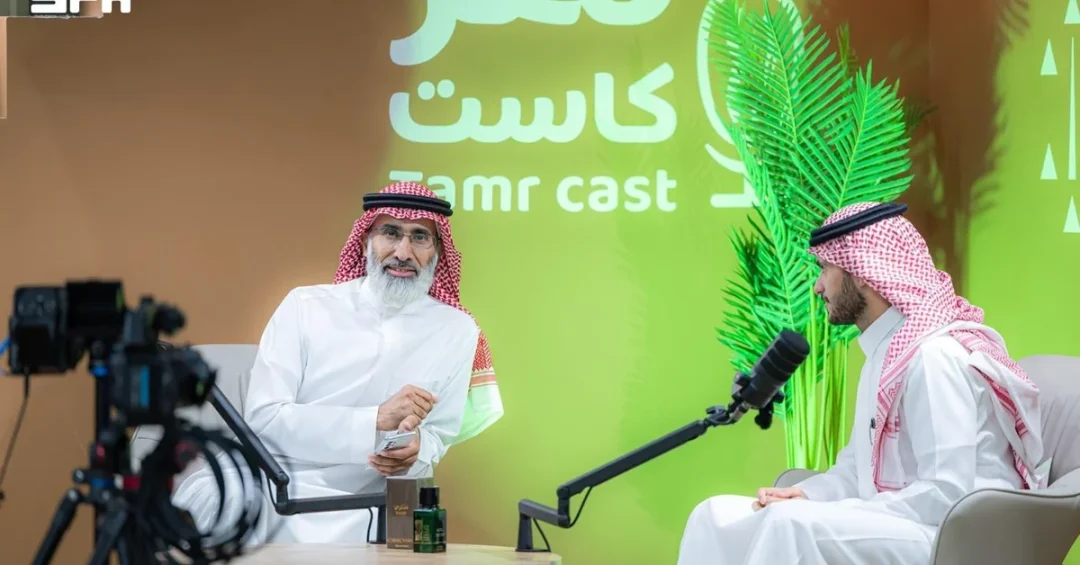
The “Tamr Cast” media platform is hosting live interviews with farmers, enthusiasts, and visitors at the Buraidah International Dates Carnival, capturing first-hand stories and enriching the festival’s media coverage. According to the Saudi Press Agency (SPA), the platform serves as a space for participants to share their personal connections to palm trees and dates, highlighting the agricultural, cultural, and social significance of the date season in the Qassim Region.
Context and Background
The Buraidah International Dates Carnival, held in Qassim, is one of Saudi Arabia’s most prominent agricultural events. Running for 75 days, it attracts a diverse audience, from seasoned farmers to curious tourists, all drawn to the region’s world-renowned date production. The carnival is more than a marketplace; it is a cultural celebration that underscores the deep roots of palm tree cultivation in Saudi heritage. Qassim, often called the “Date Capital” of the Kingdom, hosts this event annually, offering a platform for knowledge exchange and trade.
Tamam Cast serves as a unique digital medium within the festival’s lineup. By facilitating live interviews, it bridges the gap between tradition and modern communication. The platform’s programming touches on a wide range of topics, from farming techniques and production to market trends and consumer preferences, making it a valuable resource for both the industry and the general public.
Key Details
The platform’s features include a series of interviews with farmers who discuss the challenges and successes of date cultivation, as well as visits from entrepreneurs and market vendors who share insights into the commercial side of the date economy. Visitors also have the opportunity to express their observations and stories, creating a vibrant tapestry of perspectives that reflect the social importance of the carnival.
According to SPA, Tamarast provides guests with a supportive space to articulate their personal connections to palm trees, thus enriching the event’s media coverage with authentic, first-hand accounts. This initiative also serves to document the heritage and stories associated with the date season, ensuring that traditional knowledge is passed down and celebrated.
Implications
The presence of Tamara Cast at the Buraidah International Dates Carnival is a reflection of Saudi Arabia’s broader efforts to modernize agriculture and promote its cultural and economic assets. By facilitating open dialogue and storytelling, the platform enhances the visibility of the date industry, which is a significant sector in the Kingdom’s agricultural economy. It also supports tourism by encouraging visitors to engage deeply with local culture.
Internationally, the coverage generated through such platforms provides a window into Saudi Arabia’s rich agricultural traditions and its progress toward sustainability and food security. The carnival, through this media engagement, strengthens the Kingdom’s position as a hub for agricultural heritage and innovation, potentially attracting global investments and partnerships.
Vision 2030 Alignment
The Tamam Cast initiative aligns with Saudi Arabia’s Vision 2030, which emphasizes the importance of developing the agricultural sector, boosting tourism, and enhancing the quality of life for citizens and residents. By supporting agricultural events like the Buraidah Dates Carnival and leveraging media to share these stories, the Kingdom reinforces its commitment to preserving heritage while advancing toward a diversified, knowledge-based economy. Such initiatives not only support rural development but also contribute to the Kingdom’s broader strategic objectives, positioning it as a global leader in cultural and agricultural excellence.
20 Questions
Q1. What is the Buraidah International Dates Carnival?
A1. The Buraidah International Dates Carnival is a 75-day agricultural event held in Qassim, Saudi Arabia, celebrating the rich heritage of date palm cultivation. It attracts farmers, tourists, and traders, featuring exhibitions, workshops, and cultural activities centered around the production and marketing of dates.
Q2. Where is the carnival located?
A2. The carnival takes place in Buraidah, the capital city of the Qassim Region in Saudi Arabia. Qassim is renowned as the country’s largest date-producing region, often referred to as the “Dates Capital” of the Kingdom due to its extensive palm groves and agricultural activities.
Q3. What role does the Tamar Cast platform play?
A3. Tamar Cast is a media platform that hosts live interviews with farmers, enthusiasts, and visitors at the carnival. It focuses on sharing personal stories, practical experiences, and insights about date cultivation, production, and marketing, thereby enriching the festival’s media coverage and preserving local heritage.
Q4. How long does the carnival last?
A4. The Buraidah International Dates Carnival typically spans 75 days. During this period, a wide range of programs, workshops, and events are organized to showcase the significance of dates, from agricultural techniques to economic opportunities, attracting a diverse audience.
Q5. Who are the main participants in the interviews?
A5. The Tamar Cast interviews feature date farmers, agricultural experts, business owners, and visitors. Each participant shares their personal experiences, challenges, and perspectives on the date industry, providing a multi-faceted view of the sector’s significance to the region and the Kingdom.
Q6. What topics are covered in Tamar Cast interviews?
A6. The interviews cover topics such as modern farming methods, date processing, quality control, market trends, and the economic impact of dates. Additionally, they touch on cultural and social aspects, highlighting how dates are integral to daily life and traditional cuisine in Qassim.
Q7. How does Tamar Cast benefit farmers?
A7. Tamar Cast gives farmers a direct voice, allowing them to share their experiences and insights with a wider audience. This publicity can help them gain recognition, attract potential buyers, and foster a sense of community and shared knowledge among the agricultural community in the region.
Q8. What is the historical significance of dates in Qassim?
A8. Dates have been cultivated in Qassim for centuries, forming an essential part of the region’s economy and heritage. The palm tree is deeply embedded in local traditions, ceremonies, and daily life. The carnival celebrates this long-standing relationship between the people and their land, preserving the legacy.
Q9. How does the carnival support tourism?
A9. The carnival attracts both domestic and international tourists, offering them a chance to experience authentic Saudi culture, taste unique date varieties, and explore agricultural traditions. The Tamar Cast platform adds a modern media layer, showcasing the event online and enticing more visitors to attend.
Q10. What economic impact does the carnival have?
A10. The carnival boosts the local economy by facilitating trade and marketing of dates, attracting investment, and creating temporary jobs. It also promotes the Qassim region as a prime business and travel destination, contributing to the diversification of the Kingdom’s economy.
Q11. Are there opportunities for foreign visitors to participate?
A11. Yes, the carnival is open to all visitors, and international guests are welcome to participate in the activities and even join the Tamar interviews. This provides a valuable cultural exchange, allowing visitors to learn about Saudi Arabia’s agricultural heritage and global connections.
Q12. How does Tamar Cast document stories?
A12. Tamar Cast records live interviews and creates archival footage, thereby documenting the experiences and stories shared by participants. These recordings serve as a valuable resource for researchers, historians, and future generations to understand the date industry’s evolution and its social context.
Q13. What kind of audience attends the carnival?
A13. The carnival draws a diverse audience, including farming families, date merchants, food enthusiasts, students, and families. It also attracts media professionals, researchers, and tourists, all of whom interact with the Tamar Cast platform to share their perspectives on the dates and the festival.
Q14. Are there any workshops or educational programs?
A14. Yes, the carnival features workshops and educational sessions on date cultivation, packaging, and marketing. These programs aim to improve agricultural practices and support the development of the date sector, complementing the conversations initiated through Tamar Cast interviews.
Q15. What are some famous date varieties from Qassim?
A15. Qassim is famous for high-quality date varieties, such as Sukkari, Barhi, and Khudri. These dates are known for their distinct taste and texture, and they are sold extensively both locally and internationally. The carnival showcases these premium varieties, attracting connoisseurs and buyers.
Q16. How does the carnival contribute to the local community?
A16. The carnival fosters community spirit by bringing people together to celebrate a shared heritage. It provides a space for farmers to exchange ideas, for youth to learn about traditional agriculture, and for families to enjoy cultural performances, thus strengthening community ties and pride.
Q17. Is the media platform part of a broader initiative?
A17. Yes, the Tamar Cast platform is part of the larger programming of the Buraidah Dates Carnival, which itself aligns with Saudi Arabia’s vision to promote economic diversification and cultural tourism. It is a contemporary approach to preserving heritage while embracing modern media.
Q18. How can individuals access Tamar Cast content?
A18. The interviews and stories from Tamar Cast are likely shared on the carnival’s official social media platforms and possibly a dedicated website. By tuning in, viewers from around the world can experience the festivities and learn about dates without being physically present.
Q19. What are the future prospects for the carnival?
A19. With the success of such platforms, the Buraidah Carnival is expected to grow, attracting more international participation and investment. The integration of media and agriculture points to a future where cultural heritage and technology coexist, enhancing the global image of Saudi Arabia.
Q20. Why is preserving date heritage important?
A20. Preserving the heritage is not only about protecting the crop but also about maintaining the identity and knowledge of a region. In Saudi Arabia, dates are a symbol of generosity and tradition. Preserving this heritage supports rural communities, boosts food security, and aligns with Vision 2030 goals of sustainability and cultural preservation.
Reader Feedback
We value your thoughts. Please share your feedback on this article.
Your feedback helps us improve our coverage.