


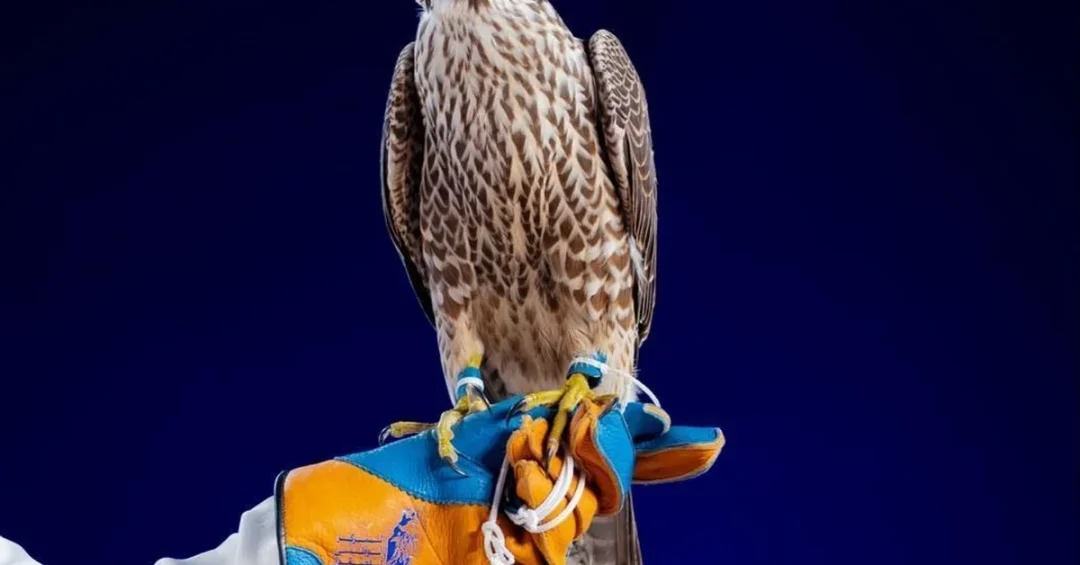
Two juvenile peregrine falcons sold for a combined SAR277,000 on the 18th night of the National Center for Falcons Auction 2026, the Saudi Press Agency reported on November 5, 2026. The first falcon, captured in Al-Shabaan, south of Umluj, sold for SAR190,000 after bidding opened at SAR60,000. The second, captured in Al-Dabdaba, fetched SAR87,000. The auction, which runs until November 30, is a flagship event organized by the National Center for Falcons, a government body dedicated to the conservation and sustainable management of falconry in the Kingdom.
Have you ever wondered how a centuries-old desert tradition becomes a modern, regulated marketplace? The National Center for Falcons Auction 2026 demonstrates exactly that, blending heritage with rigorous sustainability standards. The event accepts only juvenile migratory peregrine falcons captured within Saudi Arabia, explicitly excluding adult peregrine and saker falcons to protect breeding populations. This policy reflects the Kingdom’s commitment to preserving its natural heritage while allowing falconers to acquire birds of exceptional quality. The auction has become a key date on the calendar for enthusiasts and breeders, attracting participants from across the region and beyond.
Context and Background
Falconry in the Arabian Peninsula is far more than a sport; it is a cultural cornerstone that has been passed down through generations. For Bedouin communities, the falcon symbolized patience, skill, and a deep connection to the desert. Today, under the leadership of the National Center for Falcons, this tradition is being carefully modernized. The center was established to regulate falconry, ensure the sustainability of raptor populations, and promote the cultural significance of the practice. The annual auction is one of its most visible initiatives, providing a transparent platform for buying and selling falcons that meet strict criteria.
Why does the auction focus exclusively on juvenile migratory peregrine falcons? The answer lies in conservation science. Juvenile falcons are young birds that have not yet reached breeding age, so their removal from the wild has a minimal impact on population dynamics. Adult peregrine and saker falcons, by contrast, are crucial for reproduction and are therefore protected from capture. This approach aligns with international best practices in wildlife management and demonstrates Saudi Arabia’s leadership in sustainable falconry. The National Center for Falcons works closely with environmental experts to monitor populations and adjust regulations as needed, ensuring that the tradition can be enjoyed for generations to come.
The 2026 auction, which began earlier in November and continues until November 30, has already seen strong interest from buyers. The 18th night alone saw two falcons fetch impressive sums, underscoring the high value placed on birds with desirable traits such as speed, agility, and lineage. The auction is not merely a commercial event; it is also a cultural gathering where falconers share knowledge and celebrate their shared heritage. The presence of official oversight ensures that all transactions are fair and that conservation rules are strictly enforced.
Key Details
The first falcon sold on the 18th night was captured in Al-Shabaan, an area south of Umluj on Saudi Arabia’s Red Sea coast. Bidding for this juvenile peregrine opened at SAR60,000 and quickly escalated, eventually closing at SAR190,000. The second falcon, captured in Al-Dabdaba, attracted a final bid of SAR87,000. Together, the two birds accounted for SAR277,000 in sales, a figure that highlights the premium placed on well-bred, healthy falcons. The National Center for Falcons Auction 2026 has established itself as a reliable venue for such transactions, with clear rules that benefit both buyers and the wild falcon population.
What makes a falcon worth nearly SAR200,000? Several factors come into play, including the bird’s physical condition, its origin, and its potential for training. Falcons captured in specific regions are often prized for their genetic traits, which can influence speed and hunting ability. The auction provides detailed information about each bird, allowing buyers to make informed decisions. The center also ensures that all falcons are examined by veterinarians and that their capture was legal and sustainable. This transparency builds trust in the market and encourages responsible falconry.
The auction’s rules are strict: only juvenile migratory peregrine falcons captured within Saudi Arabia are accepted. This excludes adult peregrine falcons and all saker falcons, which are protected due to their vulnerable status. By limiting the auction to a specific segment of the population, the National Center for Falcons minimizes ecological impact while still meeting demand from falconers. The center also conducts research on falcon migration patterns and population health, using data to refine its policies. This science-based approach is a model for other countries seeking to balance cultural traditions with conservation.
International and Regional Impact
Saudi Arabia’s efforts to regulate falconry have not gone unnoticed internationally. Conservation organizations have praised the Kingdom for its proactive stance on protecting raptor species, particularly the saker falcon, which is endangered in many parts of its range. The National Center for Falcons collaborates with global experts and participates in international forums on wildlife trade and conservation. The auction serves as a showcase for how a traditional practice can be adapted to modern ethical standards. For regional neighbors, the Saudi model offers a blueprint for managing their own falconry traditions sustainably.
How does the auction influence the broader Middle Eastern falconry market? By setting clear rules and enforcing them, Saudi Arabia is raising the bar for transparency and legality. Buyers know that falcons purchased at the National Center for Falcons Auction come with verified documentation and health checks. This reduces the risk of illegal trade and encourages a shift toward responsible sourcing. The high prices achieved at auction also signal that sustainable falcons are valuable, providing an economic incentive for conservation. In this way, the auction supports both cultural heritage and environmental protection.
Economic and Strategic Significance
The SAR277,000 generated from just two falcons on a single night underscores the economic weight of the falconry sector in Saudi Arabia. Falconry is not a niche hobby; it supports a network of breeders, trainers, veterinarians, and equipment suppliers. The auction stimulates this ecosystem by creating a regulated marketplace where quality is rewarded. Moreover, the event attracts international visitors, boosting tourism and hospitality in the region. The National Center for Falcons Auction thus contributes to economic diversification, a key goal of Saudi Vision 2030.
What strategic role does falconry play in Saudi Arabia’s cultural diplomacy? Falconry is a shared heritage across the Arabian Peninsula and beyond, and Saudi Arabia’s leadership in sustainable practices enhances its soft power. By hosting a world-class auction, the Kingdom positions itself as a guardian of both tradition and nature. This aligns with Vision 2030’s emphasis on preserving cultural identity while embracing modernity. The auction also provides a platform for international cooperation, as experts and enthusiasts from different countries come together to celebrate and study falcons.
Vision 2030 Alignment
The National Center for Falcons Auction 2026 exemplifies several pillars of Saudi Vision 2030, including cultural preservation, environmental sustainability, and economic diversification. Vision 2030 seeks to create a vibrant society where heritage is celebrated and natural resources are protected. The auction does both by allowing falconry to thrive within strict conservation guidelines. It also supports the growth of a knowledge-based economy by promoting research and best practices in wildlife management. As the auction continues until November 30, it will further demonstrate how Saudi Arabia is leading the way in sustainable cultural practices.
Will the auction’s success inspire other traditional sports to adopt similar models? The National Center for Falcons has set a precedent for how to modernize a heritage activity without sacrificing its essence. By prioritizing sustainability and transparency, the center ensures that falconry remains a source of pride for Saudis and a point of admiration for the world. The 2026 auction is not just about selling falcons; it is about securing a legacy. As the Kingdom marches toward Vision 2030, initiatives like this show that progress and tradition can go hand in hand.
20 Questions
Q1. What is the National Center for Falcons Auction 2026?
A1. It is an annual auction organized by the National Center for Falcons in Saudi Arabia, running from early November to November 30, 2026, where juvenile migratory peregrine falcons captured within the Kingdom are sold under strict sustainability rules.
Q2. How much did the two falcons sell for on the 18th night?
A2. The two juvenile peregrine falcons sold for a combined SAR277,000. The first fetched SAR190,000, and the second sold for SAR87,000, according to the Saudi Press Agency.
Q3. Where were the two falcons captured?
A3. The first falcon was captured in Al-Shabaan, south of Umluj, and the second in Al-Dabdaba. Both locations are within Saudi Arabia and are known for migratory falcon activity.
Q4. Why does the auction only accept juvenile peregrine falcons?
A4. The auction accepts only juvenile migratory peregrine falcons to support their sustainability and preserve their populations. Excluding adults allows breeding birds to reproduce and maintain healthy wild populations.
Q5. Are saker falcons allowed in the auction?
A5. No, saker falcons are excluded from the auction. The rules prohibit adult peregrine and saker falcons to protect these species, especially the saker falcon, which is endangered in many regions.
Q6. What was the starting bid for the first falcon?
A6. Bidding for the first falcon opened at SAR60,000. After competitive bidding, it sold for SAR190,000, reflecting the high value placed on well-bred juvenile peregrine falcons.
Q7. How long does the auction run?
A7. The National Center for Falcons Auction 2026 runs until November 30. It began earlier in November, with nightly auctions featuring selected falcons that meet the center’s criteria.
Q8. Who organizes the auction?
A8. The auction is organized by the National Center for Falcons, a Saudi government body responsible for regulating falconry, ensuring sustainability, and promoting the cultural heritage of falconry in the Kingdom.
Q9. What is the significance of falconry in Saudi culture?
A9. Falconry is a deeply rooted tradition in Saudi Arabia, symbolizing patience, skill, and a connection to the desert. It has been passed down through generations and remains a cherished cultural practice.
Q10. How does the auction support conservation?
A10. By allowing only juvenile peregrine falcons to be sold, the auction reduces pressure on breeding populations. It also funds research and monitoring, helping to ensure the long-term sustainability of falcon species.
Q11. Can anyone participate in the auction?
A11. The auction is open to licensed falconers and buyers who meet the National Center for Falcons’ requirements. All participants must adhere to strict rules regarding the capture and sale of falcons.
Q12. What happens to the falcons after purchase?
A12. Purchased falcons are typically trained for falconry. Owners must comply with regulations that ensure the birds’ welfare and prevent any illegal activities related to falcon trade.
Q13. How does the auction contribute to Vision 2030?
A13. The auction aligns with Vision 2030 by preserving cultural heritage, promoting environmental sustainability, and supporting economic diversification through a regulated marketplace that attracts international interest.
Q14. Are there other similar auctions in Saudi Arabia?
A14. The National Center for Falcons organizes this flagship auction, and there may be other smaller events. However, this is the most prominent and regulated auction for juvenile peregrine falcons in the Kingdom.
Q15. What is the economic impact of the auction?
A15. The auction generates significant revenue, supports related businesses such as veterinary services and equipment suppliers, and attracts visitors, contributing to local economies and the broader tourism sector.
Q16. How are the falcons captured?
A16. Falcons are captured using traditional and humane methods that comply with Saudi regulations. Only juvenile migratory peregrine falcons are captured, and all captures are monitored to ensure sustainability.
Q17. What health checks are performed on the falcons?
A17. Before the auction, each falcon undergoes veterinary examinations to ensure they are healthy and free from diseases. This protects both the birds and the buyers, ensuring a safe transaction.
Q18. Can international buyers participate?
A18. Yes, international buyers can participate, subject to Saudi regulations. The auction attracts global interest, and the National Center for Falcons facilitates the process while ensuring compliance with conservation laws.
Q19. What is the future of falconry in Saudi Arabia?
A19. The future looks bright as the Kingdom balances tradition with sustainability. The National Center for Falcons continues to innovate and enforce best practices, ensuring falconry remains a vibrant part of Saudi heritage.
Q20. How can one learn more about the auction?
A20. Information is available through the National Center for Falcons and official Saudi news channels such as the Saudi Press Agency. Interested parties can also contact the center directly for details on upcoming auctions.
Reader Feedback
We value your thoughts. Please share your feedback on this article.
Your feedback helps us improve our coverage.
Related articles
 Saudi Theater Commission to Tour Six Cities with Performances
 AlUla’s Madrasat Addeera Opens Applications for Women’s Design Program
 Khan Al-Khalil Collectibles Keep Old Jeddah’s Memory Alive
 Two Falcons Sell for SAR388,000 on 17th Night of National Center for Falcons Auction 2026
 Saudi Culture Minister Visits Algiers Book Fair Pavilion
 Saudi Culture Minister Meets Algerian Counterpart in Algiers