


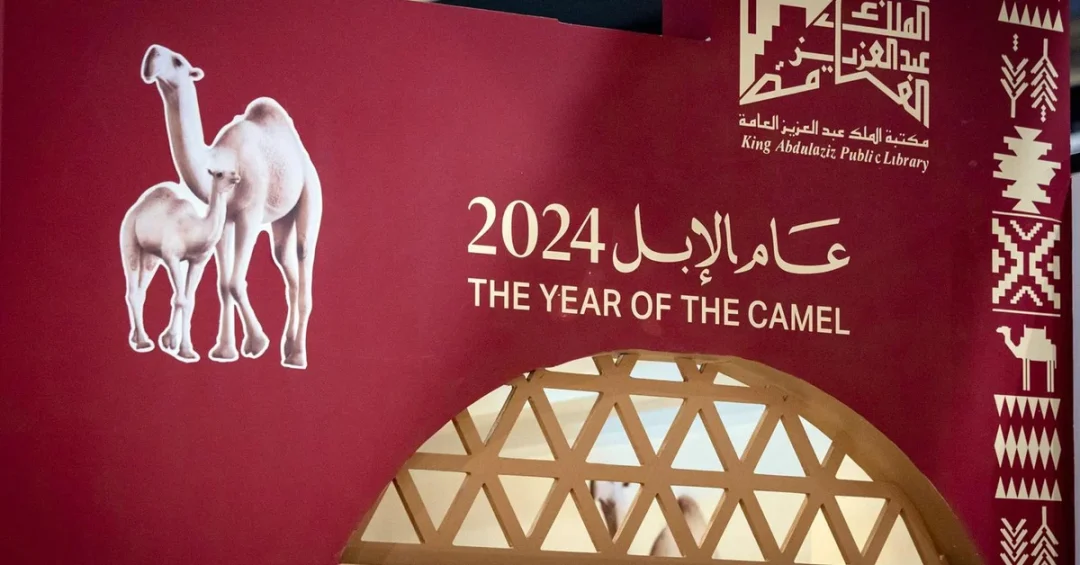
The “Year of The Camel” pavilion, an initiative by the Ministry of Culture, has become a major attraction at the Almadinah Book Fair, drawing visitors eager to explore the deep cultural significance of camels in Saudi society. The pavilion, which is part of the Ministry’s participation in this year’s fair, offers an immersive journey through time, highlighting the enduring bond between camels and the people of the Arabian Peninsula.
Context and Background
The Ministry of Culture’s “Year of The Camel” initiative celebrates the integral role camels have played in Saudi heritage, from ancient times to the present day. As part of this initiative, the pavilion at the Almadinah Book Fair provides visitors with a unique opportunity to learn about the historical and cultural importance of camels, which are considered a symbol of Saudi identity and resilience. The fair, held in Madinah, is a key cultural event that brings together publishers, authors, and intellectuals from across the region and beyond.
Key Details
The pavilion features the “Camel Sculpture,” a fascinating relic from the Neolithic era, which underscores the ancient relationship between camels and the people of the Arabian Peninsula. Visitors can also discover various camel breeds native to the Kingdom, including the abundant “Homor,” the “Majaheem,” famous in the southern regions and the Empty Quarter, and the “Maghateer,” prominent in the northern regions. This educational display not only informs but also invites contemplation on the role camels continue to play in Saudi society.
Implications and Impact
By showcasing the “Year of The Camel” at the Almadinah Book Fair, the Ministry of Culture reinforces the importance of preserving and promoting Saudi cultural heritage. This initiative aligns with the broader goals of Saudi Vision 2030, which seeks to diversify the economy and enhance cultural tourism. The pavilion not only attracts local and international visitors but also serves as a platform for cultural exchange and education, highlighting the Kingdom’s rich history and traditions.
Vision 2030 Alignment
The “Year of The Camel” initiative exemplifies Saudi Arabia’s commitment to celebrating its cultural heritage as part of Vision 2030. By integrating traditional elements with modern educational and cultural platforms like the Almadinah Book Fair, the Kingdom aims to foster a deeper understanding of its history while promoting tourism and cultural engagement. This initiative not only honors the past but also contributes to a vibrant, culturally rich future, in line with the aspirations of Vision 2030.
20 Questions
Q1. What is the “Year of The Camel” pavilion?
A1. The “Year of The Camel” pavilion is an initiative by the Ministry of Culture that celebrates the cultural significance of camels in Saudi society, showcased at the Almadinah Book Fair.
Q2. Where is the Almadinah Book Fair held?
A2. The Almadinah Book Fair is held in Madinah, Saudi Arabia, and is a prominent cultural event in the region.
Q3. What can visitors see at the pavilion?
A3. Visitors can see the “Camel Sculpture” from the Neolithic era, learn about various camel breeds, and explore the historical bond between camels and the Arabian Peninsula.
Q4. What is the “Camel Sculpture”?
A4. The “Camel Sculpture” is a fascinating relic from the Neolithic era, symbolizing the ancient relationship between camels and the people of the Arabian Peninsula.
Q5. Which camel breeds are highlighted at the pavilion?
A5. The pavilion highlights breeds such as the “Homor,” the “Majaheem” (famous in the south and Empty Quarter), and the “Maghateer” (prominent in the north).
Q6. Why are camels important to Saudi identity?
A6. Camels are a symbol of Saudi heritage, representing resilience, tradition, and the deep cultural roots of the Arabian Peninsula.
Q7. How does the pavilion relate to Vision 2030?
A7. The pavilion aligns with Vision 2030 by promoting cultural heritage and tourism, contributing to economic diversification and cultural enrichment.
Q8. Who organized the “Year of The Camel” pavilion?
A8. The pavilion is organized by the Ministry of Culture as part of its initiatives to celebrate Saudi heritage.
Q9. What is the significance of the Neolithic era in this context?
A9. The Neolithic era marks a time when the bond between camels and the people of the Arabian Peninsula was already strong, as evidenced by the sculpture.
Q10. How does the pavilion attract visitors?
A10. The pavilion attracts visitors through its unique cultural meaning, interactive displays, and the opportunity to learn about camels’ historical and ongoing role.
Q11. What other activities are at the Almadinah Book Fair?
A11. The fair includes book exhibitions, cultural discussions, and various pavilions like the “Year of The Camel” that highlight different aspects of Saudi culture.
Q12. Why is the Empty Quarter mentioned?
A12. The Empty Quarter is mentioned as a region where the “Majaheem” camel breed is famous, highlighting the geographical diversity of camel breeds in Saudi Arabia.
Q13. What is the role of the Ministry of Culture in this initiative?
A13. The Ministry of Culture supports and promotes cultural heritage through initiatives like the “Year of The Camel,” aiming to educate and engage the public.
Q14. How does the pavilion contribute to cultural exchange?
A14. By attracting international visitors, the pavilion facilitates cultural exchange and showcases Saudi traditions on a global stage.
Q15. What makes the “Year of The Camel” initiative unique?
A15. It uniquely combines historical artifacts, breed education, and cultural reflection, offering a comprehensive view of camels’ significance in Saudi society.
Q16. Are there any interactive elements at the pavilion?
A16. The pavilion invites visitors to contemplate and reflect on the role of camels, likely through displays and informational sessions, though specific interactivity is not detailed.
Q17. How long will the pavilion be open?
A17. The pavilion is open for the duration of the Almadinah Book Fair, which typically runs for several days.
Q18. What is the significance of the “Homor” breed?
A18. The “Homor” breed is abundant in the Kingdom and represents the widespread presence and importance of camels in Saudi Arabia.
Q19. How does the pavilion reflect Saudi Arabia’s modernization?
A19. It integrates traditional heritage with modern educational platforms, reflecting Saudi Arabia’s balanced approach to modernization under Vision 2030.
Q20. What impact does the pavilion have on tourism?
A20. The pavilion enhances cultural tourism by attracting visitors to the fair, thereby supporting the Kingdom’s tourism goals and economic diversification.
Reader Feedback
We value your thoughts. Please share your feedback on this article.
Your feedback helps us improve our coverage.
Related articles
 Jeddah Season’s Imagine Monet Concludes with Record-Breaking Success
 Dar Al-Rahmaniah Wins King Salman Architecture Award
 Saudi Arabia Celebrates Years of Cultural Icons
 Three Gyrfalcons Fetch SAR 122K at Saudi Falcon Auction
 SBA’s Khuzama Radio Preserves Gulf Musical Heritage
 Najran’s Mud Houses: A Testament to Saudi Heritage