


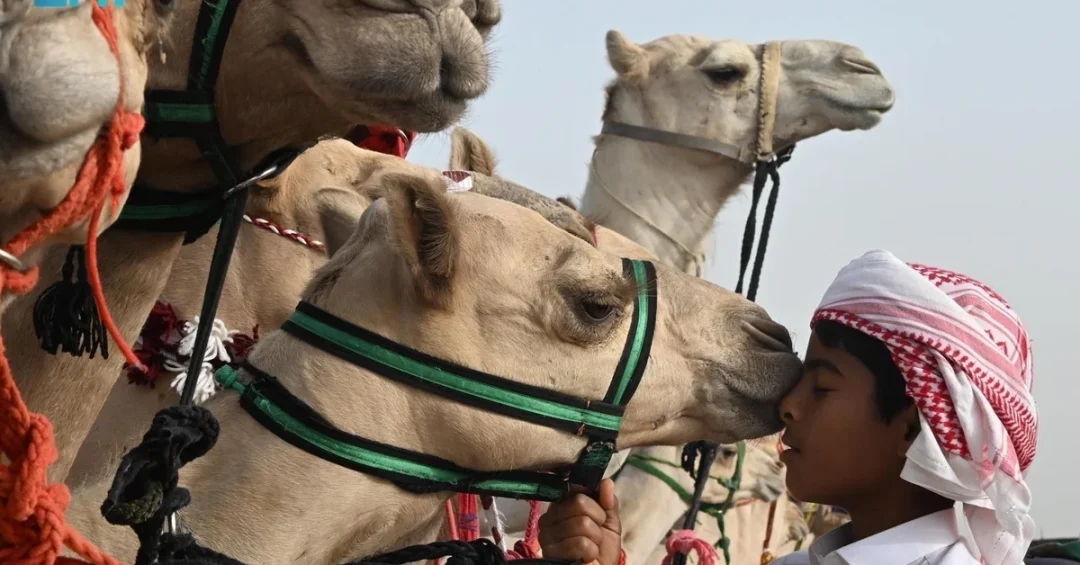
Saudi Arabia’s Ministry of Culture designated 2024 as the “Year of the Camel,” a national initiative celebrating the camel’s enduring place at the heart of Saudi identity, heritage, and economic life, as reported by the Saudi Press Agency (SPA). The year-long program highlighted the deep bond between the Saudi people and camels, creatures that have served as companions, means of transport, and symbols of resilience throughout the Kingdom’s history. From the epic journey of unification led by King Abdulaziz bin Abdulrahman Al Faisal Al Saud, founder of modern Saudi Arabia, to the modern camel festivals that draw global audiences, the camel remains a living emblem of Saudi culture and pride.
Why do camels continue to occupy such a revered position in a nation racing toward a technology-driven future? The answer lies in the unique way Saudi Arabia balances tradition and transformation. The “Year of the Camel” was not merely a nostalgic tribute; it was a strategic celebration of a heritage asset that contributes to economic diversification, rural development, and international cultural diplomacy. Under the guidance of the Ministry of Culture, the initiative showcased how deeply rooted traditions can fuel modern progress, aligning with the broader goals of Saudi Vision 2030. The year’s activities, culminating in the renowned King Abdulaziz Camel Festival, demonstrated that the camel is far more than an animal — it is a cultural cornerstone and an economic catalyst.
Context and Background
What makes the camel such a powerful symbol of Saudi identity? For centuries, camels have been indispensable to life in the Arabian Peninsula, providing transportation, milk, meat, and leather in one of the world’s most challenging environments. They enabled trade routes, supported nomadic communities, and became woven into the fabric of Arabic poetry, folklore, and religious tradition. In the Holy Quran, the camel is described as a marvel of creation, and Islamic tradition highlights the she-camel of Prophet Saleh as a divine miracle, as well as Al-Qaswa, the beloved companion of Prophet Muhammad. These references elevate the camel beyond utilitarian value, embedding it in the spiritual and cultural consciousness of the Saudi people.
The Ministry of Culture’s decision to declare 2024 the “Year of the Camel” built on this rich legacy. The initiative aimed to revive appreciation for camels among younger generations and to present their significance to an international audience. A historical document from the King Abdulaziz Foundation emphasizes that the founder of modern Saudi Arabia held camels in the highest regard, urging that they be cared for and protected as divine gifts deserving of utmost respect. King Abdulaziz’s own she-camel, “Masiha,” carried him on the journey of unification, becoming a symbol of determination and resilience. By commemorating this history, the Year of the Camel connected past and present, reminding Saudis and the world of the values — patience, generosity, loyalty — that camels represent.
Key Details of the Year of the Camel Initiative
How did Saudi Arabia bring the Year of the Camel to life? The initiative featured a wide array of events, educational programs, and cultural showcases across the Kingdom. At its center was the King Abdulaziz Camel Festival, a prestigious event that goes far beyond camel beauty contests. The festival encompasses cultural activities celebrating authentic Saudi values, including generosity and patience, and attracts participants and visitors from around the globe. Through poetry competitions, traditional crafts, and heritage exhibitions, the festival offered a comprehensive immersion into Bedouin culture and the central role camels played in shaping it.
The Year of the Camel also highlighted the economic dimensions of camel husbandry. Purebred camels have fetched record prices at auctions, reflecting their status as prized assets. The development of camel-related industries — dairy products, leatherwork, and camel racing — has created new job opportunities and bolstered rural economies. These activities align with the Ministry of Culture’s mission to preserve and promote Saudi heritage while contributing to national economic growth. The initiative thus served a dual purpose: honoring a cherished tradition and demonstrating how heritage can be leveraged for sustainable development. By integrating cultural celebration with economic opportunity, the Year of the Camel set a model for how other traditional sectors might be modernized and marketed globally.
International and Regional Impact
What does the global attention on Saudi camel festivals say about the Kingdom’s cultural diplomacy? The King Abdulaziz Camel Festival has drawn significant international media coverage, with visitors and dignitaries from many countries attending. This global interest showcases the profound respect and admiration that Saudis hold for camels and offers a window into Saudi culture for international audiences. It also strengthens Saudi Arabia’s soft power, presenting the Kingdom as a guardian of authentic Arabian heritage. Regional neighbors, many of whom share similar pastoral traditions, have taken note, and the festival has become a meeting point for camel enthusiasts and breeders from across the Gulf and beyond.
Moreover, the Year of the Camel reinforced Saudi Arabia’s role as a cultural leader in the region. By celebrating a tradition common to many Arab societies, the initiative fostered a sense of shared heritage while highlighting Saudi Arabia’s unique contributions. International tourists, increasingly drawn to Saudi Arabia’s cultural and natural attractions, found in the camel festivals a compelling reason to visit. This aligns with the Kingdom’s tourism goals under Vision 2030, which seeks to attract 150 million visits annually by 2030. The Year of the Camel thus served as both a cultural showcase and a tourism magnet, demonstrating how heritage can be a bridge to global engagement.
Economic and Strategic Significance
How does the camel industry contribute to Saudi Arabia’s economic diversification? Beyond cultural symbolism, camels are a growing economic sector. The market for purebred camels has reached impressive valuations, with auctions drawing buyers willing to pay millions of riyals for elite animals. The camel dairy industry produces milk and related products that are increasingly popular domestically and abroad, while camel leather and meat find niche markets. Camel racing, a traditional sport, has evolved into a professional industry with substantial prize money and sponsorship, generating employment and attracting investment. These activities support rural communities, where camel breeding often provides a primary source of income.
Strategically, the Year of the Camel underscores Saudi Arabia’s commitment to preserving its cultural identity even as it transforms economically. Vision 2030 aims to diversify the economy away from oil, and heritage-based industries are part of that diversification. By promoting camel-related products and experiences, the Kingdom taps into a global demand for authentic cultural goods and sustainable tourism. The initiative also aligns with efforts to empower rural areas and create jobs for young Saudis, a key Vision 2030 objective. In this sense, the camel — a symbol of the past — is helping to build the future, proving that tradition and modernization can thrive together.
Vision 2030 Alignment
How does the Year of the Camel reflect the goals of Saudi Vision 2030? Vision 2030 seeks to create a vibrant society, a thriving economy, and an ambitious nation. The Year of the Camel contributed to all three. Culturally, it reinforced national identity and pride, fostering social cohesion. Economically, it stimulated investment and job creation in heritage-related sectors. On the global stage, it enhanced Saudi Arabia’s image as a country that honors its roots while embracing progress. The initiative also supports the Quality of Life Program, a Vision 2030 realization program, by enriching cultural offerings and promoting tourism. Through such celebrations, Saudi Arabia demonstrates that its rich heritage is not a relic but a living force that can drive sustainable development and international engagement.
Looking ahead, the legacy of the Year of the Camel will continue to shape Saudi Arabia’s cultural and economic landscape. The Ministry of Culture is expected to build on the momentum, integrating camel heritage into educational curricula, tourism packages, and international exhibitions. The King Abdulaziz Camel Festival will remain a flagship event, drawing ever-larger audiences and reinforcing the camel’s status as a national icon. As Saudi Arabia advances toward its Vision 2030 goals, the camel will stand as a reminder of the Kingdom’s enduring values — resilience, generosity, and a deep connection to the land. In celebrating the camel, Saudi Arabia celebrates itself, and invites the world to share in a heritage that is both ancient and dynamically alive.
20 Questions
Q1. What is the “Year of the Camel”?
A1. The “Year of the Camel” was a 2024 initiative by Saudi Arabia’s Ministry of Culture to celebrate the camel’s cultural, historical, and economic significance, highlighting its role in Saudi identity and heritage.
Q2. Why did Saudi Arabia dedicate a year to camels?
A2. The initiative aimed to honor the deep bond between Saudis and camels, revive appreciation among younger generations, and showcase how heritage can contribute to economic growth and cultural diplomacy.
Q3. How are camels viewed in Saudi culture?
A3. Camels are symbols of resilience, dignity, and loyalty. They are celebrated in poetry, Islamic tradition, and daily life, representing the Saudi people’s connection to their land and history.
Q4. What is the King Abdulaziz Camel Festival?
A4. It is a major cultural event that includes camel beauty contests and various activities celebrating Saudi values like generosity and patience. It attracts global attention and investment.
Q5. How did King Abdulaziz contribute to camel heritage?
A5. King Abdulaziz, the founder of modern Saudi Arabia, undertook his unification journey with his she-camel “Masiha.” He emphasized the importance of caring for camels as divine gifts.
Q6. What economic benefits do camels bring to Saudi Arabia?
A6. Camels support industries such as dairy, leather, racing, and breeding. Purebred camels fetch high prices at auctions, and these activities create jobs and bolster rural economies.
Q7. How does the Year of the Camel align with Vision 2030?
A7. It supports Vision 2030’s goals by promoting cultural heritage, diversifying the economy, creating jobs, and enhancing Saudi Arabia’s international image as a country that values its traditions.
Q8. What role do camels play in Islamic tradition?
A8. Camels are mentioned in the Quran as a marvel of creation. The she-camel of Prophet Saleh was a divine miracle, and Al-Qaswa was the Prophet Muhammad’s companion.
Q9. How has the festival attracted international attention?
A9. The King Abdulaziz Camel Festival draws visitors and media from around the world, showcasing Saudi hospitality and cultural heritage, and strengthening the Kingdom’s soft power.
Q10. What are some camel-related products?
A10. Camel milk, meat, leather goods, and racing are key products. These are marketed domestically and internationally, contributing to economic diversification.
Q11. How does the initiative support rural communities?
A11. Camel breeding and related industries provide income and employment in rural areas, helping to sustain local economies and preserve traditional livelihoods.
Q12. What is the historical significance of camels in Arabia?
A12. Camels enabled trade, travel, and survival in the desert. They were central to Bedouin life and remain a symbol of Arabian heritage and resilience.
Q13. How can tourists experience camel culture in Saudi Arabia?
A13. Tourists can attend the King Abdulaziz Camel Festival, visit camel farms, and explore heritage sites. These experiences are part of Saudi Arabia’s growing tourism offerings.
Q14. What values do camels represent in Saudi society?
A14. Camels embody patience, generosity, loyalty, and steadfastness — values that are central to Saudi identity and are celebrated during the Year of the Camel.
Q15. How has the Year of the Camel influenced younger Saudis?
A15. It has raised awareness among youth about their heritage, encouraging pride in traditional culture and inspiring new generations to engage with and preserve it.
Q16. What is the economic value of purebred camels?
A16. Purebred camels can sell for millions of riyals at auctions, reflecting their prestige and the growing market for elite breeding stock.
Q17. How does camel racing contribute to the economy?
A17. Camel racing has become a professional sport with significant prize money, sponsorship, and job creation, attracting investment and international participants.
Q18. What role does the Ministry of Culture play in this initiative?
A18. The Ministry of Culture organized and promoted the Year of the Camel, coordinating events, educational programs, and international outreach to celebrate and preserve this heritage.
Q19. How does the Year of the Camel promote Saudi Arabia globally?
A19. It presents Saudi Arabia as a custodian of authentic Arabian heritage, attracting tourists and fostering cultural exchange, which enhances the Kingdom’s global standing.
Q20. What is the lasting legacy of the Year of the Camel?
A20. It has reinforced national pride, boosted camel-related industries, and set a precedent for using heritage to drive economic and cultural development in line with Vision 2030.
Reader Feedback
We value your thoughts. Please share your feedback on this article.
Your feedback helps us improve our coverage.
Related articles
 Saudi Winter Beverages Celebrate Heritage and Warmth
 Sculpture: A Living Symbol of Saudi Cultural Identity
 Rock Art in Harrat Tabuk Reveals Ancient Life and Trade
 Tariq Abdulhakim Center Museum Marks First Year in Jeddah
 Chinese Film Nights Illuminate Jeddah’s Cultural Scene
 Riyadh Art Unveils Tuwaiq Sculpture Symposium 2025