


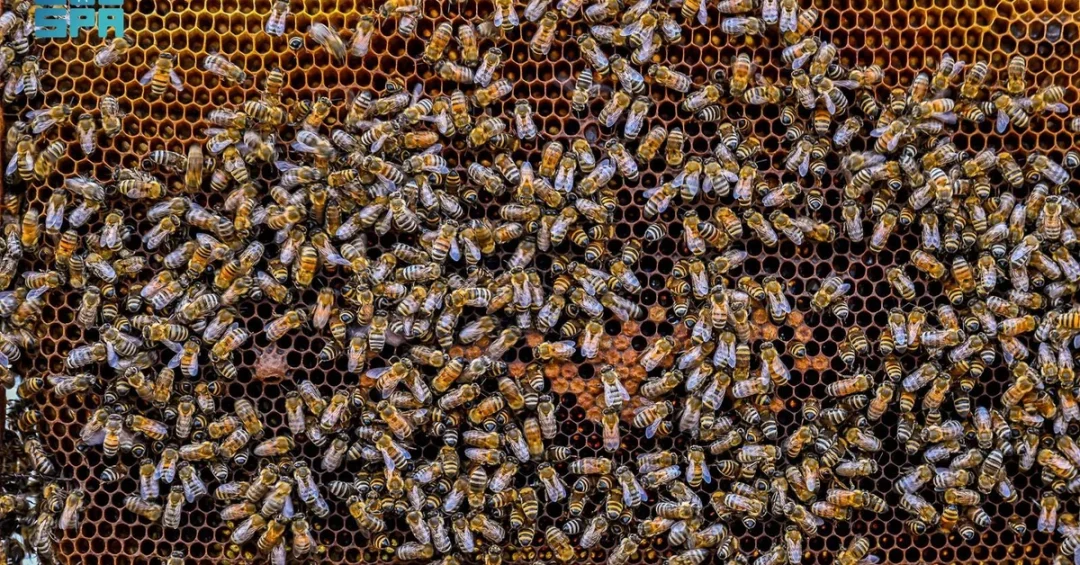
Al-Baha Region has solidified its position as a leading honey producer in the Kingdom, generating approximately 20 percent of Saudi Arabia’s honey output through a thriving beekeeping industry supported by more than 3,000 beekeepers, according to the Saudi Press Agency (SPA). The region’s diverse vegetation and favorable climate have created ideal conditions for apiculture, fostering a sector that has attracted a new generation of young Saudi entrepreneurs who are transforming their passion for beekeeping into profitable and sustainable businesses.
Context and Background
Al-Baha, located in the southwestern part of the Kingdom, has a long and rich history of beekeeping that dates back generations. The region’s unique geography, characterized by mountainous terrain and varied flora, provides an exceptional environment for bees to thrive. This natural advantage has enabled the production of over 15 distinct varieties of honey, each renowned for its exceptional quality and distinct flavor profiles. The industry’s growth aligns with the Kingdom’s broader efforts to diversify the economy and promote rural development under Saudi Vision 2030.
The surge in popularity among young people is a notable development, reflecting a shift toward agricultural entrepreneurship and self-employment. Many of these young beekeepers have leveraged their passion into viable businesses, contributing to local economic growth and preserving traditional practices. The Beekeepers Cooperative Association has played a pivotal role in this transformation by establishing a comprehensive ecosystem that includes training institutes, research facilities, and a dedicated honey market.
Key Details
According to official Saudi sources, Al-Baha’s beekeeping sector is a powerhouse with around 3,000 beekeepers, ranging from seasoned professionals to aspiring enthusiasts. The region’s output of approximately 20 percent of the Kingdom’s honey underscores its strategic importance to national food security and agricultural diversity. The Beekeepers Cooperative Association has implemented initiatives to preserve the native bee breed, ensuring the industry’s long-term sustainability. This focus on genetic conservation is critical, as native bees are well-adapted to local conditions and contribute to the unique qualities of Al-Baha’s honey.
Training institutes and research facilities established by the association provide beekeepers with access to modern techniques and scientific knowledge, enhancing productivity and product quality. The honey market serves as a central hub for trade, enabling beekeepers to reach broader markets and secure better prices. These institutional supports have not only boosted the industry’s resilience but also attracted new entrants, particularly young Saudis seeking opportunities in agribusiness.
Implications and Impact
The flourishing beekeeping industry in Al-Baha has significant implications for Saudi Arabia’s agricultural sector and rural economy. By producing a substantial share of the Kingdom’s honey, the region reduces reliance on imports and strengthens national food security. The industry also creates employment opportunities and supports small and medium-sized enterprises, aligning with Vision 2030’s goal of diversifying income sources and empowering citizens. Furthermore, the success of Al-Baha’s beekeepers serves as a model for other regions, demonstrating how traditional practices can be modernized and commercialized sustainably.
On the international stage, Al-Baha’s honey varieties are gaining recognition for their exceptional quality, opening potential export markets and enhancing the Kingdom’s reputation as a producer of premium agricultural products. This aligns with Saudi Arabia’s broader economic diversification strategy, which seeks to boost non-oil exports and promote the Kingdom’s cultural heritage and natural resources.
Vision 2030 Alignment
The growth of Al-Baha’s beekeeping industry exemplifies the objectives of Saudi Vision 2030, particularly in the areas of economic diversification, rural development, and youth empowerment. By supporting young entrepreneurs and preserving traditional crafts, the Kingdom is fostering a dynamic and sustainable agricultural sector. As Al-Baha continues to flourish as a honey production hub, it contributes to the nation’s journey toward a prosperous and diversified future, showcasing the best of Saudi Arabia’s natural wealth and human potential.
20 Questions
Q1. What percentage of Saudi Arabia’s honey does Al-Baha produce?
A1. Al-Baha produces approximately 20 percent of Saudi Arabia’s honey, making it a leading honey-producing region in the Kingdom and a key contributor to national food security.
Q2. How many beekeepers are there in Al-Baha?
A2. There are around 3,000 beekeepers in Al-Baha, including both experienced professionals and new enthusiasts, according to official Saudi sources.
Q3. What factors contribute to Al-Baha’s success in beekeeping?
A3. The region’s diverse vegetation and favorable climate create ideal conditions for bees, allowing for the production of over 15 unique honey varieties known for their exceptional quality.
Q4. What role does the Beekeepers Cooperative Association play?
A4. The association provides a comprehensive ecosystem including training institutes, research facilities, and a honey market, supporting beekeepers and ensuring industry sustainability.
Q5. Why is preserving the native bee breed important?
A5. Preserving the native bee breed ensures the industry’s sustainability, as these bees are well-adapted to local conditions and contribute to the unique qualities of Al-Baha’s honey.
Q6. How has youth involvement impacted the beekeeping industry?
A6. Young people have brought new energy and entrepreneurship, transforming their passion into profitable businesses and helping modernize the sector while preserving tradition.
Q7. What types of honey are produced in Al-Baha?
A7. Al-Baha produces over 15 unique varieties of honey, each with distinct flavors and characteristics, renowned for their exceptional quality and sought after across the Kingdom.
Q8. How does beekeeping support Vision 2030?
A8. Beekeeping supports economic diversification, rural development, and youth empowerment, aligning with Vision 2030 goals of sustainable agriculture and income generation.
Q9. What training opportunities are available for beekeepers?
A9. Training institutes offer modern techniques and scientific knowledge, helping beekeepers enhance productivity and product quality, as part of the association’s ecosystem.
Q10. Where can consumers buy Al-Baha honey?
A10. A dedicated honey market serves as a central hub for trade, enabling beekeepers to sell their products and reach broader markets within the Kingdom.
Q11. How does Al-Baha’s climate support beekeeping?
A11. The region’s favorable climate, with diverse vegetation, provides an ideal environment for bees to thrive and produce high-quality honey varieties.
Q12. What is the significance of 15 honey varieties?
A12. The 15 unique varieties reflect the region’s biodiversity and beekeeping expertise, offering consumers diverse flavors and enhancing Al-Baha’s reputation as a premium honey producer.
Q13. Are there research facilities for beekeeping in Al-Baha?
A13. Yes, the Beekeepers Cooperative Association has established research facilities to support innovation and sustainability in the beekeeping industry.
Q14. How does beekeeping contribute to the local economy?
A14. Beekeeping creates jobs, supports small businesses, and generates income for rural communities, contributing to economic growth and diversification.
Q15. What is the historical significance of beekeeping in Al-Baha?
A15. Beekeeping has a long and rich history in Al-Baha, passed down through generations, and remains a vital part of the region’s cultural and agricultural heritage.
Q16. Can Al-Baha’s honey be exported internationally?
A16. The exceptional quality of Al-Baha’s honey offers potential for export markets, enhancing the Kingdom’s reputation as a producer of premium agricultural products.
Q17. How does the association ensure sustainability?
A17. The association focuses on preserving native bee breeds, providing training, and conducting research to ensure the industry’s long-term sustainability and resilience.
Q18. What challenges does the beekeeping industry face?
A18. While challenges exist, such as climate variability, the association’s support and modern techniques help beekeepers overcome obstacles and maintain productivity.
Q19. How can new beekeepers get started in Al-Baha?
A19. New beekeepers can access training institutes, research facilities, and association resources to learn best practices and establish profitable businesses.
Q20. What is the future outlook for Al-Baha’s beekeeping industry?
A20. The industry is poised for continued growth, with ongoing support from the association and alignment with Vision 2030, solidifying Al-Baha’s position as a leading honey producer.
Reader Feedback
We value your thoughts. Please share your feedback on this article.
Your feedback helps us improve our coverage.