


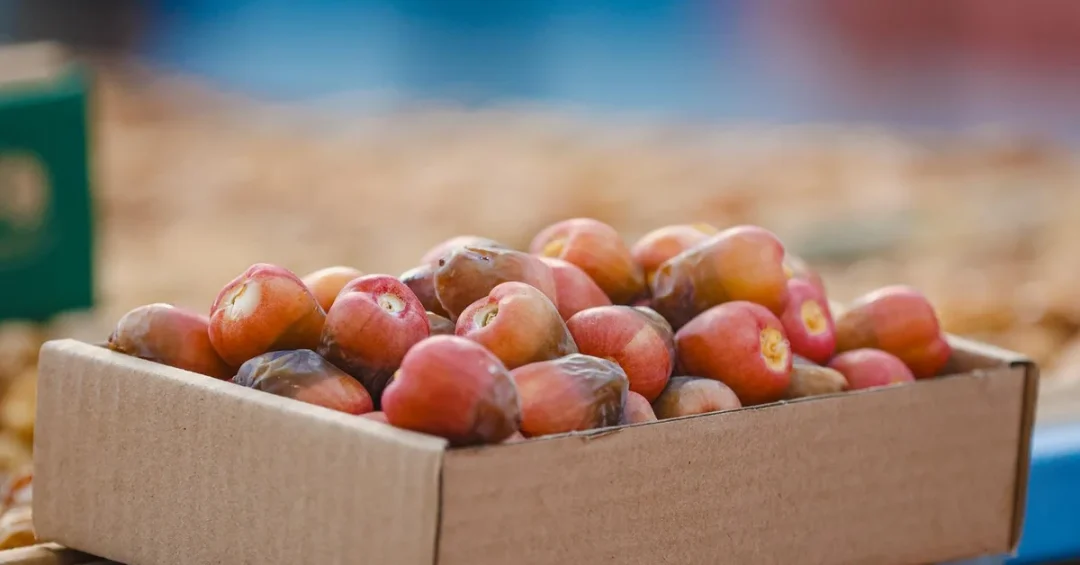
Al-Mithnab Red Sukkari dates are taking center stage during the governorate’s date season, emerging as one of the Kingdom’s most distinctive agricultural products and a cornerstone of local identity. According to the Saudi Press Agency, these premium dates now circulate from auction squares to markets across Saudi Arabia, supported by a production base of more than 3,000 farms and over one million palm trees. The governorate cultivates over 70 date varieties, including Barhi, Khalas, and the highly sought-after Red Sukkari, each differing in characteristics, size, and ripening profiles. This diversity underscores Al-Mithnab’s role as a key player in the Kingdom’s date industry, blending tradition with modern agricultural practices.
Context and Background
Al-Mithnab, located in the Qassim region, has long been celebrated for its fertile lands and agricultural heritage. The governorate’s date season is a time of vibrant economic activity, drawing farmers, marketers, and traders to its auction yards. The Red Sukkari date, known for its rich flavor and appealing texture, has become a symbol of Al-Mithnab’s agricultural prowess. With over 3,000 farms dedicated to date cultivation, the region contributes significantly to Saudi Arabia’s position as one of the world’s leading date producers. The crop’s seasonal rhythm supports local livelihoods and reinforces the cultural fabric of the community.
Key Details
Before reaching auction, all dates undergo meticulous daily monitoring and inspection as part of a quality assurance system designed to ensure safety and premium quality. Trading begins in the auction yard, which serves as a central meeting point where farmers, intermediaries, and buyers negotiate prices and quantities. Following successful transactions, dates are carefully packaged, loaded, and shipped to destinations across the Kingdom. This streamlined process allows Al-Mithnab Red Sukkari dates to reach consumers beyond the governorate, expanding their market presence and enhancing the region’s economic reach. The Saudi Press Agency highlighted that this system ensures the dates retain their freshness and quality throughout the distribution chain.
Implications and Impact
The expansion of Al-Mithnab Red Sukkari dates has both regional and national implications. On a local level, it boosts the agricultural economy, creating jobs and income for farming families. Nationally, it contributes to Saudi Arabia’s food security and export potential, aligning with the Kingdom’s strategic goals to diversify non-oil sectors. The increased circulation of these dates strengthens domestic trade networks and highlights the potential of Saudi agriculture on a global stage. Moreover, the date season fosters social cohesion, as auction yards become hubs of interaction and cultural exchange, preserving traditions while embracing efficiency.
Vision 2030 Alignment
The success of Al-Mithnab Red Sukkari dates directly supports Saudi Arabia’s Vision 2030 objectives, which emphasize agricultural development, rural prosperity, and economic diversification. By promoting high-quality local products, the Kingdom reduces reliance on imports and enhances its self-sufficiency in food production. The expansion of date cultivation aligns with the National Agricultural Development Strategy, which aims to optimize water use, improve crop yields, and increase the sector’s contribution to GDP. Through initiatives like these, Saudi Arabia is not only preserving its agricultural heritage but also building a modern, sustainable future. Al-Mithnab’s date industry serves as a model for how traditional farming can evolve to meet contemporary demands while remaining a proud pillar of national identity.
20 Questions
Q1. What are Al-Mithnab Red Sukkari dates?
A1. Al-Mithnab Red Sukkari dates are a premium variety of dates cultivated in the Al-Mithnab governorate of Saudi Arabia. They are known for their distinct red color, sweet flavor, and smooth texture, making them a popular choice in local and national markets.
Q2. Why are Red Sukkari dates considered a cornerstone of local identity?
A2. Red Sukkari dates have been an integral part of Al-Mithnab’s agricultural heritage for generations. Their cultivation and trade are deeply embedded in the community’s cultural practices and economic life, symbolizing the region’s pride and traditional knowledge in date farming.
Q3. How many date varieties are produced in Al-Mithnab?
A3. Al-Mithnab produces more than 70 date varieties, including Red Sukkari, Barhi, Khalas, and others. This diversity allows the region to cater to different tastes and market demands, enhancing its agricultural portfolio.
Q4. What is the production capacity in Al-Mithnab?
A4. The governorate boasts over 3,000 farms dedicated to date cultivation, housing more than one million palm trees. This substantial production base supports the wide range of date varieties and ensures consistent supply during the season.
Q5. How is the quality of Red Sukkari dates ensured?
A5. Before auction, all dates undergo daily monitoring and inspection as part of a comprehensive quality control system. This process checks for safety, ripeness, and overall quality, ensuring only the best dates reach the market.
Q6. What role do auction yards play in the date trade?
A6. Auction yards serve as central trading hubs where farmers, marketers, and traders convene to sell and purchase dates. These venues facilitate price discovery and enable the efficient distribution of dates to various regions.
Q7. How are Al-Mithnab dates distributed across Saudi Arabia?
A7. After packaging, dates are loaded and shipped to destinations across the Kingdom. This logistics network ensures that Al-Mithnab Red Sukkari dates are available in markets nationwide, expanding their reach beyond the governorate.
Q8. What is the significance of the date season in Al-Mithnab?
A8. The date season is a peak period of economic activity and cultural celebration. It generates income for local farmers, attracts traders, and reinforces the community’s connection to its agricultural roots.
Q9. How does Al-Mithnab contribute to Saudi Arabia’s date production?
A9. With over 3,000 farms and a diverse range of varieties, Al-Mithnab is a significant contributor to the Kingdom’s overall date output, supporting both domestic consumption and export potential.
Q10. What are the main characteristics of Red Sukkari dates?
A10. Red Sukkari dates are characterized by their reddish hue, soft flesh, and high sugar content, which yields a sweet and chewy experience. They are often consumed fresh and are prized for their quality and flavor.
Q11. How does the date industry support the local economy?
A11. The date industry provides employment and income for thousands of farmers, workers, and traders in Al-Mithnab. It stimulates related sectors such as packaging, transportation, and retail, contributing to the region’s economic stability.
Q12. What other date varieties are grown in Al-Mithnab?
A12. Besides Red Sukkari, Al-Mithnab grows Barhi, Khalas, and many other varieties. Each has unique attributes, allowing the region to offer a wide selection to meet consumer preferences.
Q13. How does the quality control system work in detail?
A13. Dates are inspected daily for ripeness, damage, and hygiene. Trained personnel monitor the grading process, ensuring compliance with rigorous standards before dates are approved for auction and distribution.
Q14. What technology is used in date farming in Al-Mithnab?
A14. While traditional methods remain prominent, modern agricultural techniques such as advanced irrigation, pest management, and post-harvest handling are increasingly adopted to boost yield and quality, aligning with national sustainability goals.
Q15. How does Al-Mithnab’s date production align with Vision 2030?
A15. Al-Mithnab’s date production supports Vision 2030 by enhancing food security, diversifying the economy, and promoting rural development. It exemplifies the Kingdom’s commitment to agricultural innovation and self-reliance.
Q16. Are Al-Mithnab dates exported internationally?
A16. While primarily consumed domestically, there is growing potential for international export. The high quality of Al-Mithnab dates makes them suitable for global markets, especially in regions with high demand for premium dates.
Q17. What are the environmental benefits of date farming?
A17. Date palms are well-adapted to arid environments, providing effective land use in desert regions. They contribute to soil conservation and carbon sequestration, offering environmental benefits that align with sustainable agriculture practices.
Q18. How do farmers in Al-Mithnab preserve traditional knowledge?
A18. Farmers pass down cultivation techniques and processing methods through generations. This knowledge is complemented by modern training programs, ensuring both heritage and innovation coexist in the date industry.
Q19. What future developments are expected for Al-Mithnab dates?
A19. With investments in technology and marketing, Al-Mithnab dates are poised for further growth. Enhanced branding and value-added products could increase their market share and boost the region’s economic profile.
Q20. Where can consumers find Al-Mithnab Red Sukkari dates?
A20. Al-Mithnab Red Sukkari dates are available in markets across Saudi Arabia during the season. They are also featured in specialty stores and online platforms, making them accessible to a wide audience.
Reader Feedback
We value your thoughts. Please share your feedback on this article.
Your feedback helps us improve our coverage.