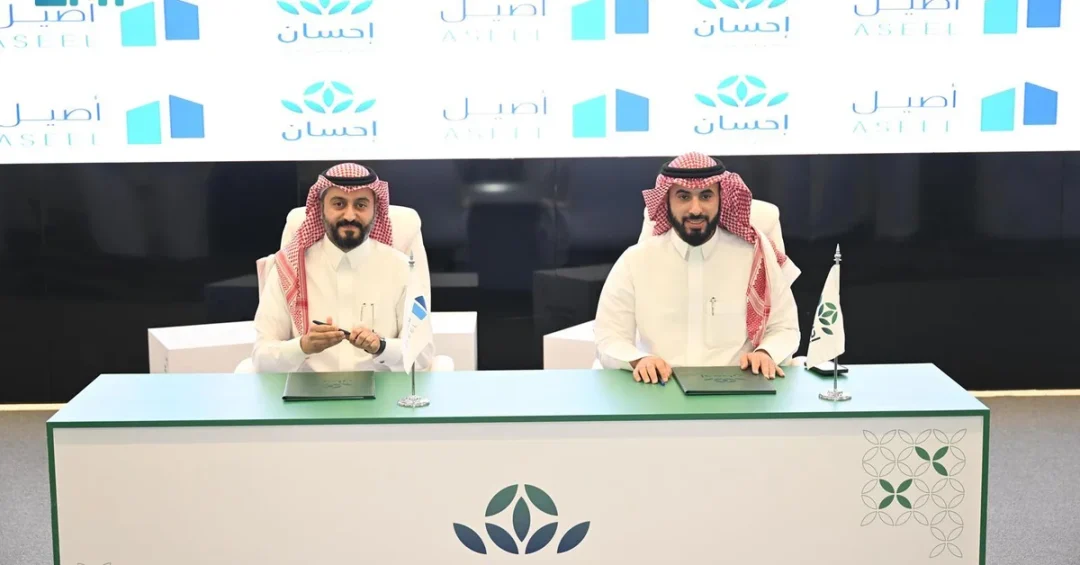
The Ehsan platform has signed a series of memorandums of understanding (MoUs) with several investment entities during the fifth edition of the National Campaign for Charitable Work, a move announced by the Saudi Press Agency (SPA) on March 13, 2025, that aims to facilitate Zakat payments from investments through innovative technological solutions. The agreements, signed at the campaign’s headquarters in Riyadh, bring together leading financial technology firms — ASEEL, ARAT Capital, Safqah, and Abyan Capital — to activate Zakat on investment services directly within their financial applications, linking them to the Ehsan platform. This collaboration seeks to enhance charitable giving and ensure that contributions reach those in need more efficiently, marking a significant step in Saudi Arabia’s ongoing digital transformation of philanthropy.
Why does this development matter now? As Saudi Arabia accelerates its Vision 2030 agenda, the integration of Zakat — one of the five pillars of Islam — into modern investment platforms reflects a broader national effort to harness technology for social good. The Ehsan platform, launched by the Saudi Data and Artificial Intelligence Authority (SDAIA) in 2021, has already become a central hub for charitable donations in the Kingdom. By partnering with investment entities, Ehsan is expanding its reach into the financial sector, enabling investors to fulfill their religious obligations with unprecedented ease. This initiative not only simplifies a traditionally complex process but also reinforces the Kingdom’s commitment to social solidarity and economic modernization.
Context and Background
How did Ehsan become a cornerstone of Saudi philanthropy? The platform was established under the directives of Crown Prince Mohammed bin Salman, with the goal of creating a transparent, efficient, and technology-driven donation ecosystem. Since its inception, Ehsan has facilitated billions of riyals in donations for various causes, from healthcare and education to poverty alleviation and disaster relief. Its success lies in its ability to integrate with multiple payment channels and government databases, ensuring that contributions are delivered securely and promptly to eligible beneficiaries. The fifth edition of the National Campaign for Charitable Work, under which these MoUs were signed, is a testament to the platform’s growing influence and its role in fostering a culture of giving.
The National Campaign for Charitable Work is an annual initiative that brings together government entities, private companies, and non-profit organizations to promote charitable activities across the Kingdom. This year’s campaign, organized by SDAIA, focuses on expanding digital solutions to streamline Zakat and charity payments. The involvement of investment firms like ASEEL, ARAT Capital, Safqah, and Abyan Capital highlights a strategic shift: leveraging the financial technology sector to reach a broader demographic of donors, particularly younger investors who are digitally savvy. By embedding Zakat payment options into investment apps, Ehsan ensures that charitable giving becomes an integral part of financial planning, not an afterthought.
What makes this partnership particularly noteworthy is its alignment with Saudi Arabia’s Financial Sector Development Program (FSDP), a Vision 2030 initiative aimed at creating a diversified and effective financial sector. The FSDP encourages innovation in financial services, including digital payments and wealth management. By collaborating with investment platforms, Ehsan is not only advancing charitable work but also supporting the FSDP’s objectives of increasing financial inclusion and promoting a cashless society. This synergy between philanthropy and fintech underscores the Kingdom’s holistic approach to development, where economic growth and social welfare go hand in hand.
Key Details of the Agreements
What exactly do these MoUs entail? According to the Saudi Press Agency, the agreements include the activation of Zakat on investment services within the financial applications of ASEEL, ARAT Capital, Safqah, and Abyan Capital. This means investors using these platforms can now calculate and pay their Zakat directly through the app, with the funds seamlessly transferred to the Ehsan platform for distribution to eligible recipients. The integration eliminates the need for manual calculations or separate transactions, making the process faster and more accurate. Additionally, the MoUs cover the activation of awareness campaigns for the Ehsan platform on the social media channels of these investment entities, aiming to educate users about the importance of Zakat and encourage greater participation.
The four investment entities bring diverse strengths to the partnership. ASEEL is known for its user-friendly trading app that caters to retail investors; ARAT Capital specializes in asset management and investment advisory; Safqah offers crowdfunding and private equity opportunities; and Abyan Capital provides robo-advisory and automated investment services. By integrating with these platforms, Ehsan taps into a wide network of investors with varying levels of experience and wealth. This diversity ensures that the Zakat payment service is accessible to a broad spectrum of users, from novice investors to high-net-worth individuals. The partnerships also signal a growing trend in Saudi Arabia: the convergence of Islamic finance and modern technology to serve societal needs.
How will this work in practice? When an investor logs into any of these apps, they will find a dedicated Zakat section where they can input their assets and calculate their Zakat obligation. The app will then guide them through the payment process, which is linked directly to Ehsan. Once the payment is made, the investor receives a confirmation, and the funds are allocated to charitable causes vetted by Ehsan. This seamless integration reduces friction and encourages compliance, as investors no longer need to navigate multiple websites or visit physical offices. The awareness campaigns will further reinforce the habit of giving by sharing stories of impact and reminding users of their religious duty. Over time, this could lead to a significant increase in Zakat contributions from the investment sector.
International and Regional Impact
Could this model inspire other countries? Saudi Arabia’s innovative approach to Zakat digitization has already attracted attention from other Muslim-majority nations and international organizations. By demonstrating how technology can streamline religious obligations, the Kingdom positions itself as a leader in Islamic fintech. Countries in the Gulf Cooperation Council (GCC) and beyond may look to replicate this model, adapting it to their own regulatory and cultural contexts. Moreover, the partnership between Ehsan and private investment firms showcases a successful public-private collaboration that could be emulated in other sectors, such as education or healthcare. This not only enhances Saudi Arabia’s soft power but also contributes to the global discourse on leveraging technology for social good.
Regionally, the initiative strengthens Saudi Arabia’s role as a hub for Islamic finance and digital innovation. The Kingdom is already home to the Islamic Development Bank and hosts numerous fintech startups focused on Sharia-compliant solutions. The Ehsan partnerships add another layer to this ecosystem, creating a bridge between charitable giving and investment. As more investors use these integrated services, the volume of Zakat funds flowing through Ehsan is likely to grow, enabling larger and more impactful charitable projects. This, in turn, can address pressing social issues such as poverty, unemployment, and access to education, aligning with the Sustainable Development Goals (SDGs) that Saudi Arabia has committed to achieving by 2030.
Economic and Strategic Significance
What are the economic implications of these agreements? By facilitating Zakat payments through investment apps, the initiative encourages a more efficient allocation of charitable capital. Zakat, which typically amounts to 2.5% of qualifying wealth, represents a significant pool of funds that can be directed toward social welfare. When investors pay their Zakat promptly and accurately, it reduces the risk of underpayment or delayed contributions, ensuring that charities have predictable resources. This predictability allows non-profit organizations to plan and execute long-term projects more effectively. Furthermore, the integration of Zakat into investment platforms may incentivize more people to invest, knowing that their religious obligations can be easily fulfilled alongside their financial goals.
From a strategic perspective, the MoUs reinforce Saudi Arabia’s commitment to digital transformation and financial inclusion. The Financial Sector Development Program aims to increase the number of digital payments to 70% of all transactions by 2025, and initiatives like this contribute directly to that target. By embedding Zakat into popular investment apps, Ehsan and its partners are normalizing digital transactions for a religious purpose, which can have a spillover effect on other areas of finance. Additionally, the data generated through these transactions can provide valuable insights into donation patterns, helping policymakers and charities optimize their outreach. This data-driven approach to philanthropy is a hallmark of Vision 2030, which seeks to build a transparent, accountable, and efficient public sector.
Vision 2030 Alignment
How does this initiative fit into Vision 2030? The Ehsan platform and its partnerships are a direct manifestation of Vision 2030’s goals of enhancing quality of life, fostering social solidarity, and building a diversified economy. By leveraging technology to simplify Zakat, the Kingdom is promoting a culture of giving that is both modern and rooted in Islamic values. This aligns with the vision’s emphasis on creating a vibrant society where citizens and residents actively contribute to the well-being of others. Moreover, the collaboration with investment entities supports the vision’s economic objectives by encouraging savings and investments, which are essential for capital formation and long-term growth.
As Saudi Arabia continues its journey toward 2030, initiatives like the Ehsan-investment partnerships will play a crucial role in shaping a more inclusive and compassionate society. They demonstrate how traditional religious practices can be harmonized with cutting-edge technology to achieve social impact at scale. By empowering investors to fulfill their Zakat obligations effortlessly, the Kingdom is not only meeting immediate charitable needs but also building a sustainable model for philanthropy that can be replicated globally. This forward-looking approach underscores Saudi Arabia’s leadership in both the Islamic world and the global community, proving that faith and innovation can thrive together.
20 Questions
Q1. What is the Ehsan platform?
A1. Ehsan is a national charitable platform launched by the Saudi Data and Artificial Intelligence Authority (SDAIA) in 2021 to facilitate transparent and efficient donations in Saudi Arabia.
Q2. Which investment entities signed MoUs with Ehsan?
A2. ASEEL, ARAT Capital, Safqah, and Abyan Capital signed memorandums of understanding with Ehsan during the fifth National Campaign for Charitable Work.
Q3. What is the main goal of these MoUs?
A3. The MoUs aim to facilitate Zakat payments from investments through innovative technological solutions, enhancing charitable giving and ensuring contributions reach those in need efficiently.
Q4. How will investors pay their Zakat through these partnerships?
A4. Investors can pay their Zakat directly through the financial applications of the partnered entities, which are linked to the Ehsan platform, providing multiple payment channels.
Q5. What is the National Campaign for Charitable Work?
A5. It is an annual initiative organized by SDAIA that brings together government, private, and non-profit sectors to promote charitable activities across Saudi Arabia.
Q6. Why is this initiative important for Saudi Arabia?
A6. It simplifies Zakat payments, encourages greater participation in charitable work, and supports the Kingdom’s digital transformation and Vision 2030 goals.
Q7. What role does SDAIA play in this initiative?
A7. SDAIA launched and oversees the Ehsan platform, ensuring its integration with various sectors and promoting digital solutions for charitable giving.
Q8. How does this initiative align with Vision 2030?
A8. It supports Vision 2030’s objectives of enhancing quality of life, fostering social solidarity, and building a diversified, technology-driven economy.
Q9. What are the benefits for investors?
A9. Investors can fulfill their Zakat obligations easily and swiftly through their investment apps, saving time and ensuring accuracy in calculations.
Q10. Will there be awareness campaigns?
A10. Yes, the MoUs include activating awareness campaigns for the Ehsan platform on the social media channels of the investment entities to promote a culture of giving.
Q11. How does this impact charitable organizations?
A11. It provides them with more predictable funding as Zakat contributions increase, allowing for better planning and execution of social welfare projects.
Q12. Is this model unique to Saudi Arabia?
A12. Yes, Saudi Arabia is pioneering the integration of Zakat into investment platforms, setting an example for other Muslim-majority countries to follow.
Q13. What technological solutions are used?
A13. The partnerships leverage financial applications and digital payment channels to enable seamless Zakat payments and tracking.
Q14. How does this affect the financial sector?
A14. It promotes digital payments and financial inclusion, aligning with the Financial Sector Development Program’s goals.
Q15. Can non-Saudis use these services?
A15. The services are primarily for investors using the partnered platforms, which may include expatriates and foreign residents in Saudi Arabia.
Q16. What is the expected impact on Zakat collection?
A16. It is expected to increase Zakat collection by making the process more accessible and encouraging compliance among investors.
Q17. How does Ehsan ensure transparency?
A17. Ehsan uses advanced technology and integrates with government databases to track donations and ensure they reach eligible beneficiaries.
Q18. What other sectors can benefit from similar partnerships?
A18. Other sectors like healthcare, education, and real estate can adopt similar models to facilitate charitable giving and social responsibility.
Q19. How can investors learn more about Zakat calculation?
A19. The investment apps will provide tools and resources to help investors calculate their Zakat accurately, with guidance from Ehsan.
Q20. What is the long-term vision for Ehsan?
A20. Ehsan aims to become a global model for digital philanthropy, expanding its partnerships and leveraging AI to maximize social impact in line with Vision 2030.
Reader Feedback
We value your thoughts. Please share your feedback on this article.
Your feedback helps us improve our coverage.