


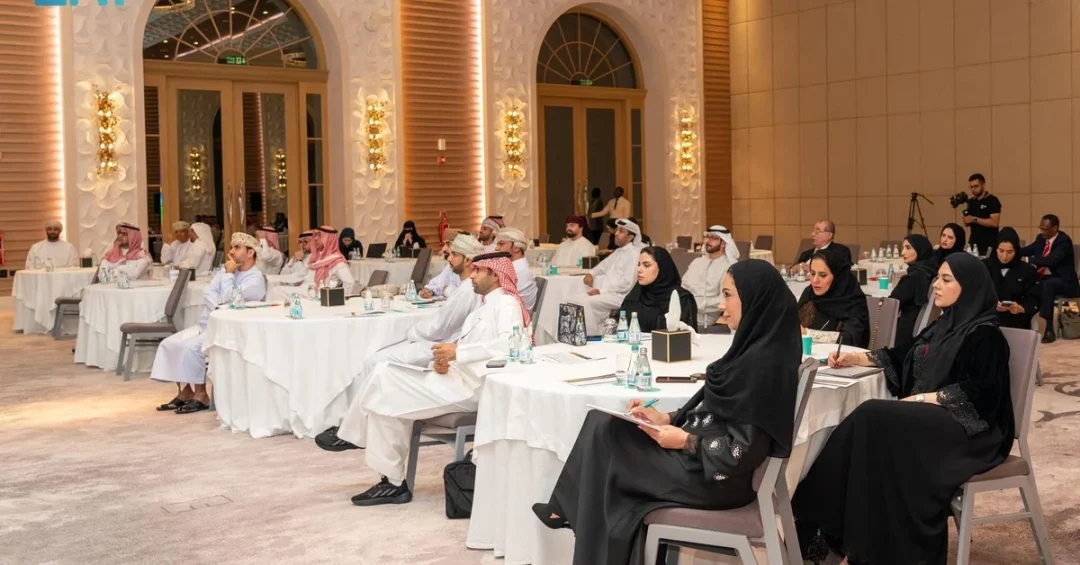
The General Authority of Foreign Trade (GAFT) of Saudi Arabia took part in the 9th discussion session on economic and development integration among Gulf Cooperation Council (GCC) countries, held in Doha, Qatar, with the Kingdom represented by Director General of Private Sector Affairs Qahtan bin Fahd Al-Dughaither. The Saudi delegation contributed to a panel titled “The Role of the Private Sector in the Economic Diversification of the GCC Countries,” according to the Saudi Press Agency. The session brought together officials and experts from across the Gulf to examine how private enterprise can accelerate the region’s shift away from hydrocarbon dependence and toward broader, more resilient economies.
The Doha gathering forms part of a continuing series of GCC discussions on economic and development integration, a track of cooperation that has gained momentum as member states pursue ambitious national transformation programs. For Saudi Arabia, participation reflects the Kingdom’s commitment to coordinated Gulf action under the leadership of the Custodian of the Two Holy Mosques, King Salman bin Abdulaziz Al Saud, and His Royal Highness Crown Prince and Prime Minister Mohammed bin Salman bin Abdulaziz Al Saud. The panel’s focus on private sector empowerment aligns directly with the objectives of Saudi Vision 2030, the national blueprint for economic diversification, and underscores how regional collaboration can reinforce national reform.
Context and Background
How did a single panel in Doha come to symbolize the Gulf’s shared economic ambitions? The 9th discussion session on economic and development integration among GCC countries continues a structured dialogue that has unfolded over recent years, bringing together representatives of member states to align policies, remove obstacles to trade, and unlock new avenues for growth. The GCC, established in 1981, comprises Saudi Arabia, the United Arab Emirates, Qatar, Kuwait, Bahrain, and Oman, and has long served as a platform for economic coordination. In recent years, that coordination has deepened as each member state rolls out its own national vision, from Saudi Vision 2030 to similar diversification strategies elsewhere in the region.
The private sector has emerged as a central pillar of these conversations. Governments across the Gulf recognize that state-led investment alone cannot deliver the scale of job creation and innovation required for long-term prosperity. The Doha panel therefore examined practical strategies to empower companies, strengthen public-private partnerships, and address challenges such as access to finance, regulatory complexity, and cross-border market entry. By focusing on these issues, the session aimed to translate high-level integration goals into tangible benefits for businesses and citizens alike.
Saudi Arabia’s participation was anchored in the General Authority of Foreign Trade, the government body responsible for enhancing the Kingdom’s international trade position and supporting exporters. GAFT’s involvement signals that trade and private sector development are viewed as inseparable from the broader integration agenda. The authority’s Director General of Private Sector Affairs, Qahtan bin Fahd Al-Dughaither, brought to the panel a perspective shaped by Saudi Arabia’s ongoing efforts to expand non-oil exports and create a business environment where local firms can compete globally.
Key Details
What exactly did the panel set out to achieve? According to the Saudi Press Agency, the Doha session highlighted the private sector’s vital role in driving economic diversification in alignment with the national goals and visions of GCC member states. Discussions focused on strategies to empower the private sector, strengthen partnerships between public and private entities, and address challenges while harnessing opportunities to enhance economic growth across the region. These themes reflect a consensus that sustainable diversification depends on vibrant, competitive companies operating within a supportive regulatory framework.
The panel title, “The Role of the Private Sector in the Economic Diversification of the GCC Countries,” placed the business community at the center of the integration conversation. Participants explored how governments can create enabling environments through streamlined regulations, improved access to capital, and incentives for innovation. They also considered how public-private partnerships can deliver infrastructure and services more efficiently, drawing on the expertise and agility of private firms. The exchange of national experiences allowed delegates to identify common challenges and potential joint solutions.
For Saudi Arabia, the discussion resonated with domestic initiatives designed to expand the private sector’s contribution to gross domestic product. The Kingdom has set ambitious targets under Vision 2030 to increase the share of the private sector in the economy, develop small and medium-sized enterprises, and boost non-oil exports. GAFT’s role in the Doha panel is consistent with its mandate to open foreign markets for Saudi products and to represent the Kingdom in trade-related international forums. The authority’s participation also reinforces Saudi Arabia’s position as a constructive partner in Gulf economic affairs.
The session in Doha followed earlier rounds of integration discussions, each building on the last. While the specific outcomes of the 9th session were not detailed in the official report, the continuity of the dialogue itself is significant. It demonstrates that GCC member states remain committed to a collective approach, even as they pursue distinct national pathways. This combination of national vision and regional coordination is a distinctive feature of the Gulf’s economic model.
International and Regional Impact
Why should the wider world pay attention to a Gulf panel on private sector diversification? The GCC economies collectively represent a substantial share of global energy supply and an increasingly important source of investment capital. As they diversify, they become more integrated into global supply chains, creating opportunities for international companies and investors. The Doha discussions signal that Gulf states are thinking strategically about how to make their markets more accessible and their businesses more competitive, which in turn can deepen trade and investment ties with partners in Asia, Europe, and the Americas.
Regional integration also has implications for the broader Middle East. A more economically interconnected Gulf can serve as an anchor of stability and prosperity, with positive spillovers for neighboring countries. By empowering the private sector, GCC states aim to generate employment for their growing young populations and reduce reliance on public sector jobs. This is a shared challenge, and the exchange of best practices through forums like the Doha session helps member states learn from one another. Saudi Arabia’s active engagement reflects its view that its own prosperity is linked to the stability and success of its neighbors.
For international businesses, the message is that the Gulf is open for partnership. The panel’s emphasis on public-private collaboration suggests that companies with expertise in technology, renewable energy, logistics, and advanced manufacturing will find receptive audiences. Saudi Arabia in particular has launched a series of initiatives to attract foreign investment, including special economic zones and regulatory reforms. GAFT’s work in highlighting private sector opportunities complements these efforts, helping to position the Kingdom as a gateway to the wider Gulf market.
Economic and Strategic Significance
What makes private sector empowerment so critical to the Gulf’s economic future? Oil revenues, while still central to fiscal health, are subject to price volatility and long-term demand uncertainties. Diversification is therefore not merely an aspiration but a strategic necessity. By fostering competitive private industries, GCC states can create more sustainable sources of growth, innovation, and employment. The Doha panel’s focus on addressing challenges such as financing gaps and regulatory hurdles reflects a pragmatic understanding of what it takes to build a dynamic business ecosystem.
Saudi Arabia’s economic transformation is among the most ambitious in the region. Vision 2030 encompasses hundreds of initiatives across sectors including tourism, entertainment, technology, renewable energy, and manufacturing. The Public Investment Fund (PIF) plays a catalytic role, seeding new industries and attracting private capital. GAFT supports these efforts by negotiating trade agreements, providing export intelligence, and advocating for Saudi businesses abroad. The authority’s participation in the GCC panel is thus part of a larger machinery aimed at reshaping the Kingdom’s economic base.
Strategically, integration among GCC countries can amplify the impact of national reforms. Harmonized standards, simplified customs procedures, and mutual recognition of certifications can reduce costs and open markets for businesses of all sizes. While progress on some fronts has been gradual, the sustained dialogue evidenced by the 9th session indicates a long-term commitment. For Saudi Arabia, a more integrated Gulf means a larger addressable market for its non-oil exports and a more attractive proposition for global investors seeking regional headquarters.
Vision 2030 Alignment
How does a Doha panel connect to Saudi Arabia’s long-term vision? Vision 2030 aims to build a thriving economy, a vibrant society, and an ambitious nation. A key pillar is the expansion of the private sector, with targets to raise its contribution to GDP and increase the number of women and youth in the workforce. By engaging in regional discussions on private sector empowerment, GAFT is helping to create the external conditions that support these domestic goals. Trade and investment are not isolated from social and economic reform; they are mutually reinforcing.
Moreover, Vision 2030 emphasizes Saudi Arabia’s role as a pivotal player in the global economy. The Kingdom seeks to deepen its ties with international partners while maintaining strong regional relationships. Participation in GCC integration sessions demonstrates that Saudi Arabia is both a committed neighbor and a global actor, willing to share its experience and learn from others. As the Kingdom continues to implement its transformation, such forums provide valuable opportunities to benchmark progress and explore collaborative ventures.
Looking ahead, the momentum from the Doha session is expected to carry into future rounds of GCC discussions. The private sector’s role will remain central as member states work to translate shared aspirations into concrete outcomes. For Saudi Arabia, the path is clear: continue empowering businesses, enhance regional cooperation, and press forward with Vision 2030. The Kingdom’s active presence at the Doha panel is a testament to its belief that collective action can unlock a more prosperous future for the entire Gulf region.
20 Questions
Q1. What was the main purpose of the 9th GCC discussion session in Doha?
A1. The session aimed to explore economic and development integration among GCC countries, focusing on the private sector’s role in economic diversification and strategies to empower businesses across the region.
Q2. Which Saudi authority represented the Kingdom at the Doha panel?
A2. The General Authority of Foreign Trade (GAFT) represented Saudi Arabia, with Director General of Private Sector Affairs Qahtan bin Fahd Al-Dughaither leading the delegation.
Q3. What was the title of the panel that GAFT contributed to?
A3. The panel was titled “The Role of the Private Sector in the Economic Diversification of the GCC Countries,” highlighting how businesses can drive economic transformation.
Q4. Why is the private sector considered vital for GCC economic diversification?
A4. The private sector drives innovation, job creation, and sustainable growth, reducing reliance on oil revenues and supporting the national visions of GCC member states.
Q5. How does Saudi Vision 2030 relate to the Doha discussions?
A5. Vision 2030 aims to expand the private sector’s contribution to GDP and diversify the economy, aligning with the GCC-wide goal of empowering businesses for long-term prosperity.
Q6. What specific strategies were discussed at the panel?
A6. Discussions focused on empowering the private sector, strengthening public-private partnerships, addressing challenges, and harnessing opportunities to enhance regional economic growth.
Q7. Who is Qahtan bin Fahd Al-Dughaither?
A7. He is the Director General of Private Sector Affairs at the General Authority of Foreign Trade, representing Saudi Arabia at the Doha panel.
Q8. What is the role of GAFT in Saudi Arabia’s economic strategy?
A8. GAFT enhances the Kingdom’s international trade position, supports exporters, and represents Saudi Arabia in trade forums, contributing to Vision 2030’s economic diversification goals.
Q9. How does regional integration benefit Saudi Arabia?
A9. Integration expands market access for Saudi non-oil exports, attracts foreign investment, and strengthens the Kingdom’s position as a gateway to the wider Gulf region.
Q10. What challenges did the panel aim to address?
A10. The panel addressed challenges such as access to finance, regulatory complexity, and cross-border market entry, seeking solutions to empower private businesses.
Q11. Why is public-private partnership important for GCC economies?
A11. Public-private partnerships leverage private sector expertise and efficiency to deliver infrastructure and services, supporting economic growth and diversification.
Q12. What does the continuity of GCC integration sessions signify?
A12. It demonstrates sustained commitment among member states to collective economic coordination, even as each pursues its own national transformation agenda.
Q13. How can international businesses benefit from these developments?
A13. International companies can find partnership opportunities in technology, renewable energy, logistics, and manufacturing as Gulf markets become more open and diversified.
Q14. What is the significance of the 9th session for the GCC as a whole?
A14. It reinforces the GCC’s role as a platform for economic cooperation, helping member states align policies and share best practices for diversification.
Q15. How does Saudi Arabia’s participation reflect its regional leadership?
A15. By actively engaging in GCC discussions, Saudi Arabia demonstrates its commitment to regional stability and prosperity, aligning with its leadership role in the Gulf.
Q16. What are the key targets of Vision 2030 regarding the private sector?
A16. Vision 2030 aims to increase the private sector’s contribution to GDP, develop SMEs, boost non-oil exports, and create jobs for Saudi citizens.
Q17. How does GAFT support Saudi exporters?
A17. GAFT provides export intelligence, negotiates trade agreements, and advocates for Saudi businesses in international markets, helping them compete globally.
Q18. What role does the Public Investment Fund play in diversification?
A18. The PIF seeds new industries, attracts private capital, and invests in strategic sectors, acting as a catalyst for Saudi Arabia’s economic transformation.
Q19. Why is economic diversification a strategic necessity for Gulf states?
A19. Oil revenues are subject to volatility and long-term demand uncertainties, making diversification essential for sustainable growth and fiscal resilience.
Q20. What can be expected from future GCC integration discussions?
A20. Future sessions will likely continue focusing on private sector empowerment, regulatory harmonization, and joint projects to deepen economic integration across the Gulf.
Reader Feedback
We value your thoughts. Please share your feedback on this article.
Your feedback helps us improve our coverage.
Related articles
 Saudi, Djibouti Ministers Meet to Boost Economic Ties
 Saudi Endowment Funds Hit Record SAR1 Billion in 2024
 Saudi Envoy Meets Makkah Chamber Delegation in Cairo
 SAMA Governor: Kingdom Plays Key Role in Global Economic Recovery
 HR Minister Chairs Riyadh Economic Forum Panel
 Eastern Region Governor Launches Women’s Economic Forum 2024