


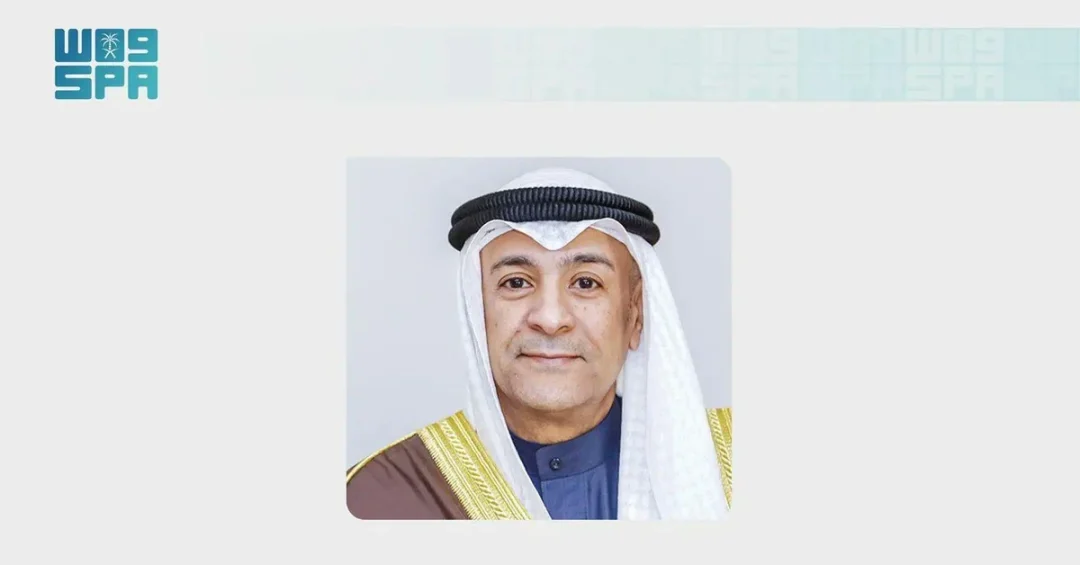
The International Monetary Fund (IMF) has commended the resilience of Gulf Cooperation Council (GCC) economies and their ability to sustain growth momentum through prudent fiscal measures despite heightened global uncertainty, GCC Secretary-General Jasem Albudaiwi said at a joint meeting of GCC Ministers of Finance and Central Bank Governors with the IMF Managing Director in Manama. The meeting, held on October 1, 2026, and reported by the Saudi Press Agency (SPA), brought together the region’s top financial policymakers to assess macroeconomic conditions and chart a course for continued stability. It was chaired by Bahrain’s Minister of Finance and National Economy, Shaikh Salman bin Khalifa Al Khalifa, whose country holds the current GCC session presidency.
The endorsement from the IMF carries weight at a moment when the global economy is navigating elevated interest rates, geopolitical tensions, and disruptions to trade and supply routes. For Saudi Arabia, the largest GCC economy and the birthplace of the bloc’s founding charter, the recognition underscores the success of a reform agenda that has combined fiscal discipline with ambitious diversification. How did the Gulf states turn volatility into an opportunity to demonstrate economic maturity? The answer lies in deliberate policy choices made long before the current period of global turbulence.
Context and Background
The GCC, established in 1981, comprises Saudi Arabia, the United Arab Emirates, Qatar, Kuwait, Bahrain, and Oman. Together they represent one of the world’s most significant economic blocs, controlling a substantial share of global energy reserves and increasingly acting as a magnet for foreign direct investment. Over the past decade, member states have pursued parallel strategies to reduce oil dependence, expand non-oil sectors, and build financial buffers that can absorb external shocks. The joint meeting in Manama was not a routine consultation; it was a structured dialogue between regional finance ministers, central bank governors, and the IMF Managing Director, designed to align policy responses and reinforce investor confidence.
According to Albudaiwi, the IMF’s commendation reflects the direct outcome of disciplined policies, robust financial buffers, resilient banking sectors, and sustained investments in economic diversification. These are not abstract compliments. They point to concrete achievements: Saudi Arabia’s fiscal reforms, including energy subsidy rationalization and the expansion of non-oil revenues; the UAE’s development as a global logistics and financial hub; Qatar’s successful hosting of major international events; and Bahrain’s role as a regional banking center. What does this level of coordination mean for the average citizen in the Gulf? It translates into more stable employment, better public services, and a business environment that attracts global talent and capital.
The Manama meeting also took place against the backdrop of shifting global trade patterns, with supply chains being reconfigured and new economic alliances forming. In this environment, the GCC’s ability to present a unified front is a strategic asset. Albudaiwi’s remarks emphasized that the bloc’s macroeconomic strength is not accidental but the result of intentional, long-term planning. That planning has been tested by oil price volatility, pandemic-era disruptions, and geopolitical tensions, yet the GCC has continued to grow. The IMF’s recognition, therefore, is both a validation of past efforts and a signal that the region is prepared for what comes next.
Key Details
At the heart of Albudaiwi’s message was a clear articulation of immediate and long-term priorities. He emphasized that the immediate regional priority remains safeguarding fiscal stability while maintaining agile policy frameworks capable of navigating geopolitical headwinds and disruptions to trade and supply routes. This is a nuanced position: it acknowledges that risks remain, but it also conveys confidence that GCC institutions have the tools to manage them. The secretary-general stressed that economic resilience must remain an intrinsic pillar of the GCC economic architecture rather than merely a reactive crisis tool. In other words, resilience is not a temporary posture but a permanent feature of how the bloc governs its economies.
Looking further ahead, Albudaiwi underscored the need to accelerate regional economic integration by facilitating the cross-border movement of goods, services, and capital, building resilient trade corridors, advancing digital transformation, and empowering the private sector. These are ambitious goals, but they are already being pursued through initiatives such as the GCC Customs Union, plans for a regional railway network, and digital cooperation agreements. For Saudi Arabia, these priorities align closely with Vision 2030, the national transformation plan launched by Crown Prince Mohammed bin Salman. Vision 2030 seeks to diversify the Kingdom’s economy, increase the private sector’s contribution to GDP, and position Saudi Arabia as a global investment destination. The GCC-wide integration agenda amplifies those goals by creating a larger, more seamless market.
The meeting was chaired by Shaikh Salman bin Khalifa Al Khalifa, Bahrain’s Minister of Finance and National Economy and current session chairman. His role highlights the collective nature of GCC decision-making, where leadership rotates and each member state contributes to the shared agenda. The presence of the IMF Managing Director signaled the Fund’s engagement with the region as a key partner in global financial stability. Albudaiwi concluded by reaffirming the GCC’s commitment to deepening intra-bloc coordination and expanding strategic partnerships with international financial institutions, foremost among them the IMF, to ensure sustainable economic prosperity. What does this mean for international investors? It means that the GCC is actively working to reduce risk, improve transparency, and create a predictable environment for long-term capital.
International and Regional Impact
The IMF’s commendation of GCC economies has implications that extend well beyond the Gulf. In a world where many advanced economies are grappling with sluggish growth and rising debt, the GCC’s ability to maintain momentum offers a counterpoint. International investors are increasingly looking to the region as a source of stability and opportunity. Sovereign wealth funds such as Saudi Arabia’s Public Investment Fund (PIF) have become major global players, deploying capital across sectors from technology to sports. The recognition from the IMF reinforces the credibility of these institutions and the policies that support them. Could the GCC serve as a model for other regions seeking to build resilience? The bloc’s emphasis on diversification, fiscal discipline, and regional integration offers lessons that are applicable far beyond the Middle East.
Regionally, the meeting in Manama sends a message of unity at a time when the Middle East is often characterized by division. By coordinating their financial policies, GCC states are demonstrating that collective action can yield tangible benefits. This is particularly important as the region navigates complex geopolitical dynamics, including tensions in the Red Sea and broader security concerns. Albudaiwi’s reference to disruptions to trade and supply routes is a reminder that the GCC’s economic security is tied to maritime and overland corridors. Investments in infrastructure, such as Saudi Arabia’s NEOM project and the expansion of ports and logistics hubs, are part of a broader strategy to protect and enhance these corridors. What happens in the GCC, therefore, resonates across Asia, Europe, and Africa, making its stability a global concern.
Economic and Strategic Significance
The economic significance of the GCC’s resilience cannot be overstated. The bloc accounts for a significant share of global oil production, and its financial reserves provide a cushion against external shocks. But the story is no longer just about hydrocarbons. Non-oil sectors are growing rapidly, driven by tourism, entertainment, technology, and manufacturing. Saudi Arabia, for example, has launched giga-projects such as NEOM, the Red Sea Project, and Qiddiya, which are designed to attract millions of visitors and create hundreds of thousands of jobs. These projects are underpinned by fiscal policies that have kept debt levels manageable and maintained investor confidence. The IMF’s praise, therefore, is a vote of confidence in the GCC’s economic model, which combines resource wealth with strategic diversification.
Strategically, the GCC’s partnership with the IMF is part of a wider effort to integrate with the global financial system. By engaging with the Fund, GCC states can access technical expertise, participate in policy dialogues, and signal their commitment to international best practices. This is particularly important as the global financial architecture evolves in response to challenges such as climate change, digital currencies, and shifting trade alliances. For Saudi Arabia, which holds the GCC’s largest economy and plays a leading role in the bloc, these engagements reinforce its position as a responsible global stakeholder. How does this benefit the Kingdom’s Vision 2030 ambitions? It attracts foreign investment, facilitates technology transfer, and enhances the Kingdom’s reputation as a place where long-term capital is safe and welcome.
Vision 2030 Alignment
The outcomes of the Manama meeting align seamlessly with Saudi Arabia’s Vision 2030, which seeks to transform the Kingdom into a diversified, innovation-driven economy. Vision 2030’s pillars include a vibrant society, a thriving economy, and an ambitious nation. The GCC’s focus on fiscal stability, economic integration, and private sector empowerment directly supports these pillars. Saudi Arabia’s own reforms, such as the privatization of state assets, the development of the entertainment sector, and the expansion of women’s participation in the workforce, are part of the same overarching strategy. By working through the GCC, the Kingdom can amplify its impact, creating a regional environment that is conducive to growth and investment.
Looking ahead, the GCC’s commitment to deepening coordination and expanding partnerships with international financial institutions will be crucial. The global economy is likely to remain volatile, with risks ranging from geopolitical conflicts to climate-related disruptions. But the GCC has demonstrated that it can weather such challenges. The IMF’s commendation is a testament to the bloc’s preparedness and a reminder that resilience is built through deliberate policy, not luck. As Saudi Arabia continues to lead by example, the GCC will remain a beacon of stability and a driver of prosperity in an uncertain world. What comes next is a continuation of the journey: more integration, more diversification, and more opportunities for the people of the region and their partners around the globe.
20 Questions
Q1. What did the IMF commend about GCC economies?
A1. The IMF commended the resilience of GCC economies and their ability to sustain growth momentum through prudent fiscal measures despite heightened global uncertainty, as stated by GCC Secretary-General Jasem Albudaiwi at the Manama meeting.
Q2. Who is the GCC Secretary-General?
A2. Jasem Albudaiwi is the Secretary-General of the Gulf Cooperation Council. He represented the bloc at the joint meeting of GCC Ministers of Finance and Central Bank Governors with the IMF Managing Director in Manama.
Q3. When and where did the joint meeting take place?
A3. The joint meeting took place in Manama, Bahrain, on October 1, 2026, according to the Saudi Press Agency. It brought together GCC finance ministers and central bank governors with the IMF Managing Director.
Q4. Who chaired the meeting?
A4. The meeting was chaired by Bahrain’s Minister of Finance and National Economy, Shaikh Salman bin Khalifa Al Khalifa, who holds the current GCC session presidency. His role reflects the rotating leadership within the bloc.
Q5. What are the immediate regional priorities according to Albudaiwi?
A5. Albudaiwi emphasized that the immediate priority is safeguarding fiscal stability while maintaining agile policy frameworks capable of navigating geopolitical headwinds and disruptions to trade and supply routes.
Q6. What did Albudaiwi say about economic resilience?
A6. He stressed that economic resilience must remain an intrinsic pillar of the GCC economic architecture rather than merely a reactive crisis tool, underscoring the need for permanent, proactive policy frameworks.
Q7. What long-term structural priorities were highlighted?
A7. Albudaiwi underscored the need to accelerate regional economic integration by facilitating cross-border movement of goods, services, and capital, building resilient trade corridors, advancing digital transformation, and empowering the private sector.
Q8. How does the IMF’s commendation benefit Saudi Arabia?
A8. The commendation reinforces investor confidence in Saudi Arabia’s reform agenda under Vision 2030, attracting foreign investment and supporting the Kingdom’s efforts to diversify its economy away from oil dependence.
Q9. What are the GCC member states?
A9. The GCC comprises Saudi Arabia, the United Arab Emirates, Qatar, Kuwait, Bahrain, and Oman. Established in 1981, it is a political and economic alliance of six Arab states in the Persian Gulf region.
Q10. What is the significance of the GCC’s partnership with the IMF?
A10. The partnership allows GCC states to access technical expertise, participate in global policy dialogues, and signal their commitment to international best practices, enhancing their credibility in global financial markets.
Q11. How does the meeting relate to Vision 2030?
A11. The meeting’s focus on fiscal stability, economic integration, and private sector empowerment aligns with Vision 2030’s pillars, supporting Saudi Arabia’s goals of a diversified economy and a thriving private sector.
Q12. What role does Bahrain play in the GCC?
A12. Bahrain currently holds the GCC session presidency, and its Minister of Finance and National Economy chaired the Manama meeting. Bahrain is also a regional banking and financial center.
Q13. What are the risks facing GCC economies?
A13. Risks include geopolitical tensions, disruptions to trade and supply routes, oil price volatility, and global economic uncertainty. The GCC’s fiscal buffers and diversification efforts aim to mitigate these risks.
Q14. What does economic diversification mean for the GCC?
A14. Economic diversification involves reducing dependence on oil revenues by developing sectors such as tourism, technology, manufacturing, and finance. Saudi Arabia’s Vision 2030 is a leading example of this strategy.
Q15. How does the GCC facilitate cross-border movement?
A15. Through initiatives like the GCC Customs Union and plans for a regional railway network, the bloc aims to ease the movement of goods, services, and capital, creating a more integrated market.
Q16. What is the role of central bank governors in the meeting?
A16. Central bank governors participate to align monetary policies, ensure banking sector resilience, and coordinate with finance ministers on fiscal strategies, contributing to overall macroeconomic stability.
Q17. What did Albudaiwi say about the private sector?
A17. He emphasized the need to empower the private sector as part of long-term structural priorities, recognizing its role in driving innovation, job creation, and sustainable economic growth.
Q18. How does the IMF view the GCC’s fiscal policies?
A18. The IMF commended the GCC’s prudent fiscal measures, which have helped sustain growth momentum despite global uncertainty, according to Albudaiwi’s statement at the meeting.
Q19. What is the expected outcome of the meeting?
A19. The meeting reaffirmed the GCC’s commitment to deepening intra-bloc coordination and expanding strategic partnerships with international financial institutions to ensure sustainable economic prosperity.
Q20. How does the GCC’s stability affect the global economy?
A20. The GCC’s stability supports global energy markets, provides investment opportunities, and contributes to regional security. Its economic resilience is a positive factor for global financial stability and trade.
Reader Feedback
We value your thoughts. Please share your feedback on this article.
Your feedback helps us improve our coverage.
Related articles
 Financial Academy Launches Bloomberg Finance Lab in Riyadh
 Jazan Coffee: Over One Million Trees Anchor Heritage
 Commerce Ministry Conducts 58,000 Inspections in September
 Saudi Ministry Offers Tropical Fruit City Investment in Jazan
 Riyadh Forum to Study Expo 2030, World Cup 2034 Returns
 Saudi Quality Mark Boosts Consumer Protection