


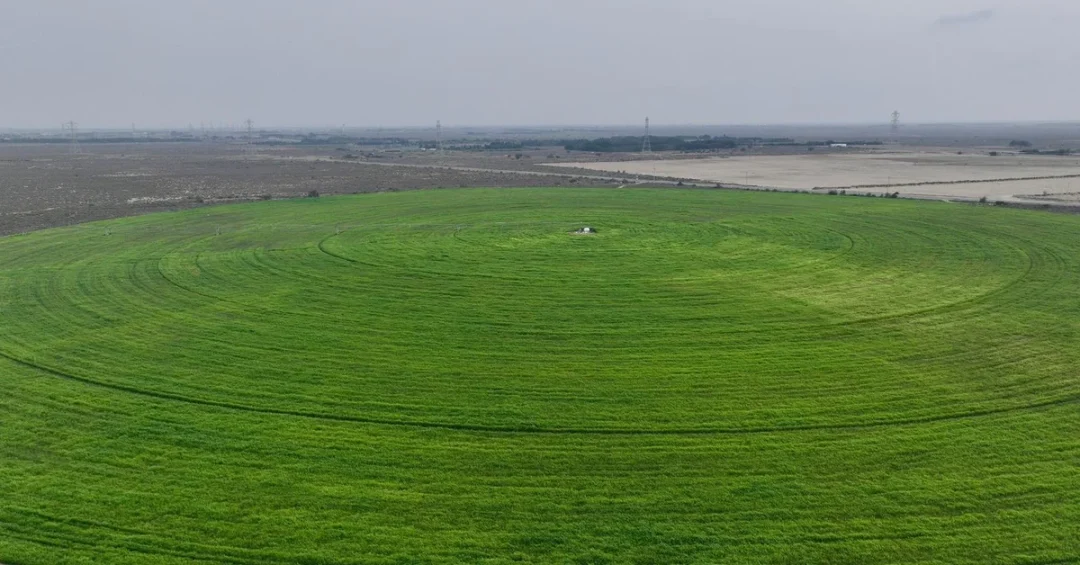
The Ministry of Environment, Water and Agriculture has announced a major investment opportunity to develop an agricultural city dedicated to tropical fruit cultivation in Sabya Governorate, Jazan Region, covering more than 20.2 million square meters. The initiative, released through official Saudi channels, invites private-sector investors to participate in a project designed to strengthen national food security, advance self-sufficiency in fruit production, and expand sustainable agricultural partnerships across the Kingdom. Applications are open through the Furas platform until November 3, 2026. The announcement underscores Saudi Arabia’s commitment to diversifying its economy and securing reliable food supplies for a growing population.
Why does this project matter now, and what does it signal about the Kingdom’s long-term agricultural ambitions? The tropical fruit city represents more than a land allocation; it is a strategic step toward reducing import dependency, empowering local farmers, and positioning Jazan as a national hub for high-value crops such as mangoes, papayas, bananas, and citrus fruits. The Ministry of Environment, Water and Agriculture has framed the initiative as part of a broader national effort to modernize agriculture, attract foreign and domestic investment, and align food production with the goals of Saudi Vision 2030. The project also reflects the Kingdom’s growing emphasis on sustainable water use, advanced irrigation technologies, and climate-appropriate farming in its southwestern regions.
Context and Background
How did Jazan emerge as the ideal location for a tropical fruit city of this scale? The Jazan Region, situated along the Red Sea in southwestern Saudi Arabia, has long been recognized for its fertile soil, abundant rainfall, and warm climate, making it one of the Kingdom’s most productive agricultural areas. Sabya Governorate, in particular, is known for its mango orchards and diverse fruit farms. The Ministry of Environment, Water and Agriculture has previously supported agricultural development in the region through infrastructure improvements, water management programs, and farmer training initiatives. The new tropical fruit city builds on these foundations by consolidating land, technology, and investment into a single integrated zone.
The project also responds to shifting national priorities. Saudi Arabia imports a significant share of its fruit supply, and fluctuations in global markets have highlighted the need for greater domestic production. By dedicating over 20.2 million square meters to tropical fruit cultivation, the Ministry aims to create economies of scale, encourage modern farming techniques, and reduce reliance on imports. The initiative is part of a wider portfolio of agricultural investment opportunities offered through the Furas platform, which connects investors with government-backed projects in line with Vision 2030’s economic diversification objectives. The deadline of November 3, 2026, gives interested parties time to study specifications and prepare competitive proposals.
Key Details of the Investment Opportunity
What exactly does the tropical fruit city entail for investors and the agricultural sector? According to the Ministry of Environment, Water and Agriculture, the project covers more than 20.2 million square meters in Sabya Governorate and is dedicated to tropical fruit cultivation. Interested investors can review detailed project specifications and submit applications through the Furas platform until November 3, 2026. The initiative is designed to foster private-sector partnerships in sustainable agriculture, with opportunities spanning land development, irrigation infrastructure, seedling production, and post-harvest processing. The Ministry has emphasized that the project will adhere to environmental standards and promote efficient water use, a critical consideration in a region where water resources are carefully managed.
The tropical fruit city is expected to feature modern agricultural technologies, including drip irrigation, greenhouse cultivation, and integrated pest management systems. These tools will help maximize yields while minimizing environmental impact. The Ministry has also indicated that the project will support local employment, knowledge transfer, and the development of a skilled agricultural workforce in Jazan. By clustering production, processing, and logistics in one area, the initiative aims to create a resilient value chain that benefits farmers, investors, and consumers across the Kingdom. The Furas platform serves as the official gateway for submitting applications, ensuring transparency and equal access for qualified investors.
International and Regional Impact
How will a project of this magnitude influence Saudi Arabia’s regional standing and global trade relationships? The tropical fruit city in Jazan is poised to enhance the Kingdom’s agricultural self-sufficiency, which in turn strengthens its economic resilience and diplomatic leverage. By reducing imports of tropical fruits, Saudi Arabia can redirect foreign exchange toward other strategic sectors and build greater stability in its food supply chain. The project also aligns with broader Gulf Cooperation Council efforts to improve food security through regional cooperation and investment in agritech. International investors, particularly those with expertise in tropical agriculture, may find attractive opportunities in the project, fostering technology transfer and joint ventures.
Regionally, the initiative reinforces Saudi Arabia’s role as a leader in sustainable development and economic diversification. Neighboring countries in the Middle East and North Africa, many of which face similar climate and water challenges, may look to the Jazan model as a blueprint for integrating modern agriculture with national food security strategies. The project’s emphasis on private-sector participation also signals the Kingdom’s openness to global partnerships, consistent with Vision 2030’s goal of increasing foreign direct investment. As the November 3, 2026, application deadline approaches, the international business community will be watching closely for details on incentives, land-use terms, and partnership structures.
Economic and Strategic Significance
What economic benefits can Saudi Arabia expect from developing a dedicated tropical fruit city? The project is designed to generate multiple layers of economic value, from direct agricultural output to downstream processing, packaging, and export opportunities. By cultivating tropical fruits domestically, the Kingdom can reduce its import bill, create jobs in Jazan, and stimulate ancillary industries such as cold storage, transportation, and agricultural inputs. The Ministry of Environment, Water and Agriculture has structured the initiative to attract private capital, which will share the risks and rewards of large-scale farming. This approach aligns with Vision 2030’s objective of expanding the private sector’s contribution to the national economy.
Strategically, the tropical fruit city supports Saudi Arabia’s long-term food security framework, which seeks to balance domestic production with strategic reserves and international partnerships. The project’s location in Jazan offers logistical advantages, including proximity to Red Sea ports, which can facilitate exports to Asia, Africa, and Europe. The Ministry has emphasized sustainability, meaning the project will likely incorporate water-saving technologies and renewable energy solutions. These features not only reduce operational costs but also enhance the project’s appeal to environmentally conscious investors. Over time, the tropical fruit city could become a center of excellence for tropical agriculture in the Arabian Peninsula, attracting research institutions and agritech startups.
Vision 2030 Alignment
How does the tropical fruit city fit into the broader narrative of Saudi Vision 2030? The initiative directly supports several pillars of the Vision, including economic diversification, food security, and sustainable development. By unlocking private-sector investment in agriculture, the project helps reduce the Kingdom’s reliance on oil revenues and creates new economic opportunities in rural regions. It also advances the goal of enhancing self-sufficiency in strategic commodities, a priority highlighted by Saudi leadership. The Ministry of Environment, Water and Agriculture’s use of the Furas platform demonstrates the government’s commitment to transparency, digital transformation, and investor-friendly processes, all of which are central to Vision 2030.
In the long term, the tropical fruit city in Jazan could serve as a model for other regions seeking to develop specialized agricultural zones. By combining modern technology, sustainable practices, and private-sector dynamism, the project embodies the Vision’s aspiration for a prosperous, diversified, and globally engaged Saudi Arabia. As the application period progresses toward November 3, 2026, the Ministry’s initiative stands as a clear invitation to investors worldwide to participate in the Kingdom’s agricultural transformation. The tropical fruit city is not merely a farming project; it is a statement of Saudi Arabia’s resolve to build a resilient future, rooted in innovation and aligned with the ambitions of its people.
20 Questions
Q1. What is the tropical fruit city project in Jazan?
A1. The tropical fruit city is an investment opportunity announced by the Ministry of Environment, Water and Agriculture to develop over 20.2 million square meters in Sabya Governorate, Jazan Region, dedicated to tropical fruit cultivation, aimed at boosting food security and self-sufficiency.
Q2. Which government body announced this initiative?
A2. The Ministry of Environment, Water and Agriculture announced the initiative through official Saudi channels, inviting private-sector investors to participate in the development of the agricultural city in Jazan.
Q3. Where exactly is the project located?
A3. The project is located in Sabya Governorate within the Jazan Region of southwestern Saudi Arabia, an area known for its fertile soil and suitable climate for tropical fruit farming.
Q4. How large is the area allocated for the tropical fruit city?
A4. The allocated area covers more than 20.2 million square meters, providing ample space for large-scale cultivation, infrastructure, and related agricultural facilities.
Q5. What types of fruits will be cultivated?
A5. The project focuses on tropical fruits such as mangoes, papayas, bananas, and citrus fruits, which thrive in Jazan’s warm climate and fertile agricultural lands.
Q6. What is the application deadline for investors?
A6. Interested investors can submit applications through the Furas platform until November 3, 2026, after reviewing the project specifications and requirements.
Q7. What is the Furas platform?
A7. The Furas platform is an official Saudi digital portal that connects investors with government-backed agricultural and economic opportunities, ensuring transparency and streamlined application processes.
Q8. How does the project support national food security?
A8. By increasing domestic production of tropical fruits, the project reduces reliance on imports, strengthens the national food supply chain, and enhances self-sufficiency in fruit production.
Q9. What role does the private sector play in this initiative?
A9. The private sector is invited to invest in land development, irrigation, seedling production, and processing, sharing risks and rewards while driving innovation and efficiency in sustainable agriculture.
Q10. How does the project align with Saudi Vision 2030?
A10. It supports economic diversification, food security, and sustainable development, key pillars of Vision 2030, by attracting investment and creating jobs in the agricultural sector.
Q11. What environmental considerations are included?
A11. The project emphasizes sustainable water use, modern irrigation technologies, and integrated pest management to minimize environmental impact and ensure long-term viability.
Q12. Will the project create jobs for local communities?
A12. Yes, the initiative is expected to generate employment in farming, processing, logistics, and supporting services, contributing to local economic development in Jazan.
Q13. What infrastructure will be developed?
A13. The project will include irrigation systems, greenhouses, cold storage, transportation networks, and processing facilities to support a complete agricultural value chain.
Q14. Can foreign investors participate?
A14. The Ministry invites both domestic and international investors with expertise in tropical agriculture to apply through the Furas platform, fostering technology transfer and global partnerships.
Q15. How does the location benefit export potential?
A15. Jazan’s proximity to Red Sea ports provides logistical advantages for exporting tropical fruits to Asian, African, and European markets, enhancing trade opportunities.
Q16. What is the expected economic impact?
A16. The project is expected to reduce import costs, stimulate ancillary industries, attract foreign direct investment, and contribute to the Kingdom’s gross domestic product.
Q17. What technologies will be used in the tropical fruit city?
A17. Modern technologies such as drip irrigation, greenhouse cultivation, and precision farming will be employed to maximize yields while conserving water and resources.
Q18. How does the project promote sustainability?
A18. By integrating water-saving irrigation, renewable energy solutions, and environmentally responsible farming practices, the project aims to balance productivity with ecological stewardship.
Q19. What are the next steps after the application deadline?
A19. After November 3, 2026, the Ministry will evaluate applications, select qualified investors, and proceed with project implementation in coordination with relevant authorities.
Q20. Why is this project significant for Saudi Arabia’s future?
A20. It represents a strategic move toward agricultural self-sufficiency, economic diversification, and sustainable development, reinforcing the Kingdom’s commitment to Vision 2030 and long-term prosperity.
Reader Feedback
We value your thoughts. Please share your feedback on this article.
Your feedback helps us improve our coverage.
Related articles
 Riyadh Forum to Study Expo 2030, World Cup 2034 Returns
 Saudi Quality Mark Boosts Consumer Protection
 Saudi Istitlaa Platform Opens Feedback on 31 Projects
 Saudi Dates Sector Shines at Tunis Workshop
 Najran Prepares for Coffee Harvest as Cultivation Expands
 Riyadh Economic Forum to Tackle Traffic Congestion