


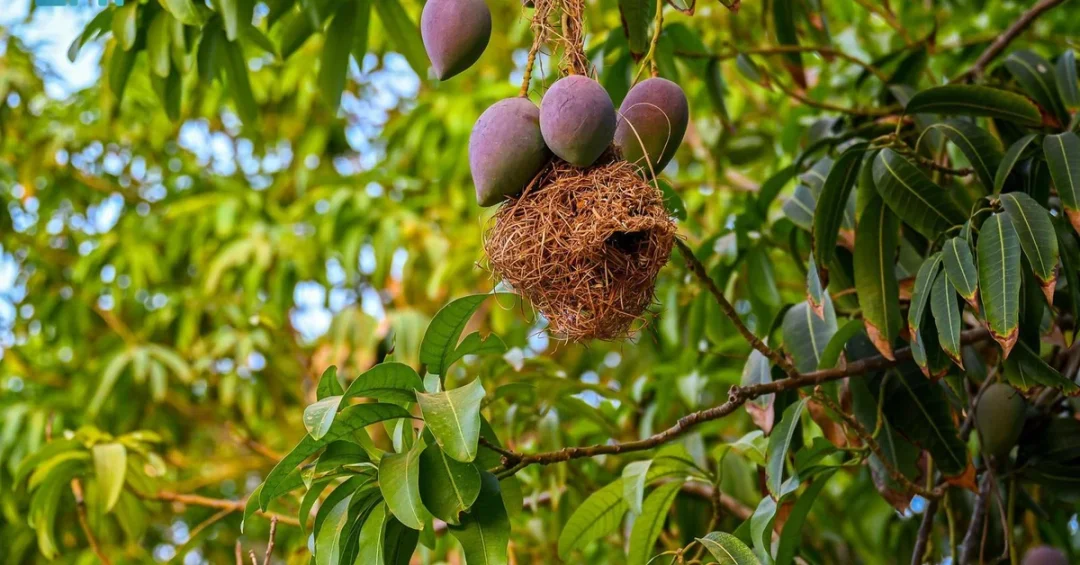
The arrival of the first Jazan mangoes in regional markets has coincided with the start of Ramadan, with local vegetable and fruit stores and juice shops reporting high demand for the fruit, according to the Saudi Press Agency (SPA). The early-season harvest, sourced from the fertile agricultural terraces of the Jazan region in southwest Saudi Arabia, has quickly become a sought-after commodity for households preparing traditional Ramadan refreshments and meals.
Jazan mangoes are currently priced between SAR50 and SAR200 per carton, with each carton weighing between 30 and 45 kilograms, depending on the variety. This price range reflects the diversity of cultivars available and the premium quality associated with fruit grown in the region’s distinct microclimate. Farmers in Jazan anticipate a significant increase in supply in the coming weeks as temperatures rise, which will bring a wider variety of mangoes to market, including the popular Tommy Atkins, Keitt, and Palmer varieties, among others. The seasonal alignment with Ramadan has amplified demand, as mangoes feature prominently in traditional juices and desserts served during the holy month. The early arrival of the harvest underscores the efficiency of Saudi Arabia’s agricultural sector and its ability to meet seasonal consumer needs.
Context and Background: Why Are Jazan Mangoes So Highly Anticipated Each Year?
Jazan, located in the southwest corner of Saudi Arabia along the Red Sea coast, has long been celebrated for its agricultural productivity, particularly its mangoes. The region’s tropical climate, characterized by high humidity and warm temperatures, provides ideal conditions for mango cultivation. Over the years, Jazan has developed a reputation for producing some of the finest mangoes in the Kingdom, with an annual harvest that is eagerly awaited by consumers across Saudi Arabia and beyond. The mango season in Jazan typically begins in March and extends through the summer months, with different varieties ripening at different times. The start of Ramadan this year has provided an early boost to the market, as the demand for fresh fruit surges during the holy month.
The cultivation of mangoes in Jazan is not just an agricultural activity but a cultural tradition that has been passed down through generations. Farmers in the region have honed their skills in mango cultivation, leveraging the area’s natural advantages to produce fruit that is known for its sweetness, texture, and aroma. The Saudi government, through the Ministry of Environment, Water and Agriculture, has supported these efforts by providing training, resources, and infrastructure to help farmers increase yields and improve quality. This support is part of a broader strategy to enhance food security and promote sustainable agriculture, aligning with the goals of Saudi Vision 2030 to diversify the economy and reduce reliance on oil.
The timing of the mango harvest with Ramadan is a fortunate coincidence that adds to the festive atmosphere of the holy month. Mangoes are a staple in many Ramadan traditions, used in juices, smoothies, and desserts that are enjoyed after fasting. The fruit’s natural sweetness and high nutritional content make it an ideal choice for replenishing energy levels after a day of fasting. As such, the arrival of Jazan mangoes in the market is not just an economic event but also a cultural one, bringing joy to households across the Kingdom.
Key Details: What Varieties Are Available and How Is the Market Responding?
The first Jazan mangoes to hit the market this season include a range of varieties that cater to different tastes and preferences. Among the most anticipated are the Tommy Atkins, known for its vibrant red blush and fibrous flesh; the Keitt, prized for its sweet and juicy flavor; and the Palmer, a large, firm variety with a mild sweetness. These varieties, along with others such as the Hindi and Alphonso, will become more abundant as the season progresses. Currently, the mangoes are being sold in cartons weighing between 30 and 45 kilograms, with prices ranging from SAR50 to SAR200 per carton. This pricing reflects the quality and variety of the fruit, with premium varieties commanding higher prices.
Local vegetable and fruit stores, as well as juice shops, have reported a surge in demand since the mangoes arrived. In Jazan and other regions, retailers are displaying the fruit prominently to attract customers. Juice shops, in particular, are experiencing a boom as customers seek fresh mango juice to break their fast. The high demand is expected to continue and even increase as more varieties become available and temperatures rise, leading to a larger harvest. Farmers are optimistic about the season, anticipating a bountiful yield that will meet both domestic demand and potential export opportunities.
The Ministry of Environment, Water and Agriculture has been instrumental in supporting mango farmers in Jazan. Through extension services, the ministry provides guidance on best practices for cultivation, pest control, and post-harvest handling. This support helps farmers improve the quality and quantity of their produce, ensuring that Jazan mangoes maintain their competitive edge in the market. Additionally, the ministry facilitates access to markets by organizing agricultural festivals and exhibitions, such as the annual Jazan Mango Festival, which showcases the region’s produce and connects farmers with buyers.
International and Regional Impact: How Do Jazan Mangoes Contribute to Saudi Arabia’s Trade and Diplomacy?
The export of Jazan mangoes to regional and international markets is a growing component of Saudi Arabia’s non-oil trade. In recent years, Saudi mangoes have found their way to markets in the Gulf Cooperation Council (GCC) countries, as well as to Europe and Asia. The high quality of Jazan mangoes has helped them gain a reputation as a premium product, capable of competing with established exporters such as India, Pakistan, and Mexico. This export success contributes to the Kingdom’s trade balance and enhances its image as a producer of high-value agricultural goods.
Moreover, agricultural exports like mangoes play a role in Saudi Arabia’s diplomatic efforts. By sharing its agricultural bounty with other nations, the Kingdom strengthens ties and fosters goodwill. For instance, during the COVID-19 pandemic, Saudi Arabia sent shipments of fruits and vegetables to friendly countries as a gesture of solidarity. Such actions align with the Kingdom’s humanitarian and diplomatic objectives, showcasing its role as a responsible global partner. The mango season, therefore, is not just about domestic consumption but also about projecting Saudi Arabia’s soft power and economic vitality on the world stage.
Economic and Strategic Significance: What Does the Mango Season Mean for Saudi Arabia’s Agricultural Ambitions?
Agriculture is a key pillar of Saudi Arabia’s economic diversification strategy under Vision 2030. The Kingdom aims to increase the contribution of non-oil sectors to its GDP, and agriculture, particularly high-value crops like mangoes, is part of this plan. The Jazan region has been identified as a priority area for agricultural development, with investments in irrigation, infrastructure, and technology to boost productivity. The mango season provides a significant income boost for local farmers and supports rural livelihoods, helping to reduce regional disparities and promote inclusive growth.
Furthermore, the mango industry in Jazan contributes to food security by reducing reliance on imports. Saudi Arabia imports a large portion of its fruit, but domestic production of mangoes helps to meet local demand and reduces the import bill. The government has set targets to increase self-sufficiency in various agricultural products, and mangoes are a success story in this regard. The sector also creates employment opportunities in farming, processing, packaging, and marketing, providing jobs for Saudi citizens and contributing to the Kingdom’s goal of reducing unemployment.
In addition to economic benefits, the mango season supports environmental sustainability. Mango trees are well-suited to the Jazan climate and require less water than many other crops, making them an environmentally friendly choice. The Ministry of Environment, Water and Agriculture promotes sustainable farming practices, such as drip irrigation and organic farming, to conserve water and protect natural resources. These practices ensure that the mango industry can thrive without depleting the region’s water resources, aligning with the Kingdom’s environmental goals.
Vision 2030 Alignment: How Does the Mango Harvest Reflect Saudi Arabia’s Broader Transformation?
The Jazan mango season exemplifies several objectives of Saudi Vision 2030, the ambitious reform plan launched by Crown Prince Mohammed bin Salman to transform the Kingdom’s economy and society. Vision 2030 seeks to diversify the economy away from oil, and agriculture is a key sector in this diversification. By promoting high-value crops like mangoes, Saudi Arabia is creating new economic opportunities and enhancing its competitiveness in global markets. The mango industry also supports the Vision’s goal of developing regions outside major cities, as Jazan benefits from increased investment and attention.
Moreover, the mango season contributes to the Vision’s social and cultural goals. It fosters community pride and cultural heritage, as mango cultivation is deeply rooted in Jazan’s identity. The annual Mango Festival, supported by the Ministry of Culture and the Ministry of Environment, Water and Agriculture, celebrates this heritage and attracts tourists, boosting the local tourism sector. This aligns with Vision 2030’s aim to increase domestic tourism and showcase Saudi Arabia’s cultural richness. As the Kingdom continues its transformation, the humble mango stands as a symbol of its agricultural potential and its commitment to a prosperous, sustainable future.
In conclusion, the arrival of Jazan mangoes in the market as Ramadan begins is a testament to the Kingdom’s agricultural prowess and its ability to meet the needs of its people during the holy month. It reflects the success of Saudi Vision 2030 in fostering economic diversification, supporting local farmers, and promoting sustainable development. As the season progresses and more varieties become available, the mango harvest will continue to bring joy to households and contribute to Saudi Arabia’s growing role as a global agricultural player.
20 Questions
Q1. What is the significance of Jazan mangoes arriving during Ramadan?
A1. Jazan mangoes are a traditional favorite for Ramadan juices and desserts. Their arrival boosts market activity and provides households with fresh, locally grown fruit for iftar and suhoor meals.
Q2. How much do Jazan mangoes cost per carton?
A2. Prices range from SAR50 to SAR200 per carton, depending on the variety and quality. Each carton weighs between 30 and 45 kilograms.
Q3. Which mango varieties are currently available from Jazan?
A3. Early varieties include Tommy Atkins, Keitt, and Palmer. More varieties will appear as the season progresses and temperatures rise.
Q4. Why are Jazan mangoes in high demand?
A4. They are known for their superior taste and quality, and they are a popular choice for Ramadan refreshments. Local stores and juice shops report strong sales.
Q5. How does the mango season benefit Jazan’s economy?
A5. It provides income for farmers, creates jobs in related sectors, and supports local businesses. It also attracts tourists to the region’s mango festival.
Q6. What role does the Saudi government play in supporting mango farmers?
A6. The Ministry of Environment, Water and Agriculture offers training, resources, and market access. It also organizes festivals to promote Jazan mangoes.
Q7. Are Jazan mangoes exported to other countries?
A7. Yes, they are exported to GCC countries and beyond, enhancing Saudi Arabia’s non-oil trade and global reputation for quality produce.
Q8. How does the mango season align with Saudi Vision 2030?
A8. It supports economic diversification, food security, and regional development, all key goals of Vision 2030. It also promotes sustainable agriculture.
Q9. What is the expected duration of the Jazan mango season?
A9. The season typically runs from March through summer, with different varieties ripening at different times. Supply will increase in the coming weeks.
Q10. How does the mango harvest impact food security in Saudi Arabia?
A10. It reduces reliance on imports and increases self-sufficiency in fruit production, contributing to the Kingdom’s food security objectives.
Q11. What makes Jazan ideal for mango cultivation?
A11. Jazan’s tropical climate, with high humidity and warm temperatures, provides perfect conditions for growing high-quality mangoes.
Q12. Are there any sustainability practices used in mango farming in Jazan?
A12. Yes, farmers use drip irrigation and organic methods to conserve water and protect the environment, in line with national sustainability goals.
Q13. How can consumers purchase Jazan mangoes?
A13. They are available at local vegetable and fruit stores, juice shops, and markets across Saudi Arabia. Some retailers offer online delivery.
Q14. What is the Jazan Mango Festival?
A14. It is an annual event that showcases the region’s mango varieties, supports farmers, and attracts tourists. It is organized with government support.
Q15. How does the mango season affect local employment?
A15. It creates seasonal jobs in farming, harvesting, packaging, and sales, providing income opportunities for residents in Jazan and beyond.
Q16. What nutritional benefits do mangoes offer?
A16. Mangoes are rich in vitamins A and C, fiber, and antioxidants. They are a healthy choice for hydration and energy during Ramadan.
Q17. How does the Kingdom ensure the quality of Jazan mangoes?
A17. The Ministry of Environment, Water and Agriculture sets quality standards and provides extension services to help farmers meet them.
Q18. What other agricultural products is Jazan known for?
A18. Jazan also produces coffee, bananas, and other tropical fruits, contributing to the region’s agricultural diversity and economic growth.
Q19. How does the mango season reflect Saudi Arabia’s cultural heritage?
A19. Mango cultivation is a longstanding tradition in Jazan, passed down through generations. It is celebrated in local festivals and daily life.
Q20. What is the future outlook for Jazan’s mango industry?
A20. With continued government support and investment, the industry is poised for growth, expanding exports and enhancing Saudi Arabia’s agricultural reputation.
Reader Feedback
We value your thoughts. Please share your feedback on this article.
Your feedback helps us improve our coverage.
Related articles
 Saudi Poultry Production Tops 1 Million Tons for Ramadan
 SAMA Licenses Tamara Finance for Consumer Finance and BNPL
 Eight OPEC+ Nations Reaffirm Oil Market Stability Commitment
 PIF and Goldman Sachs Asset Management Sign MoU for Saudi, GCC Investment
 ZATCA Urges February Withholding Tax Filing by March 10
 Dairy Abundance Boosts Saudi Food Security During Ramadan