


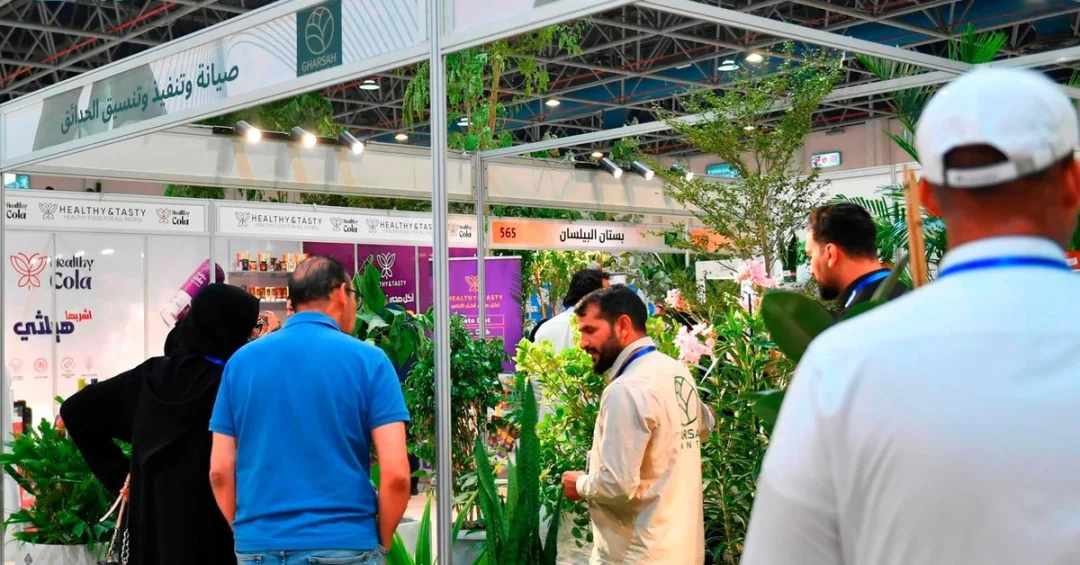
The third Jeddah International Agriculture and Food Exhibition (AgroFood Jeddah) concluded its second day with a vibrant showcase of investment opportunities and cutting-edge agricultural technologies, drawing visitors to the Jeddah Center for Exhibitions and Events from December 3 to 5, 2024. The event, reported by the Saudi Press Agency (SPA), highlighted innovations ranging from artificial trees that extract moisture from the air to advanced solutions for Arabic coffee cultivation, beekeeping, and vertical farming. As Saudi Arabia accelerates its agricultural modernization under Vision 2030, what does this gathering reveal about the Kingdom’s ambitions to lead in sustainable food production?
The exhibition, now in its third edition, has become a key platform for local and international stakeholders to exchange knowledge, forge partnerships, and explore the latest trends shaping the future of agriculture and food security. With participating countries from around the world, AgroFood Jeddah underscores Saudi Arabia’s commitment to diversifying its economy and enhancing food self-sufficiency. Visitors witnessed firsthand how technology is transforming traditional farming practices, from water conservation to smart cultivation techniques. The event also featured workshops introducing financing programs and initiatives designed to support agricultural production diversification, reflecting a comprehensive approach to sectoral growth.
Context and Background
Why has Jeddah become a focal point for agricultural innovation in the region? The Jeddah International Agriculture and Food Exhibition is part of Saudi Arabia’s broader strategy to modernize its agricultural sector and achieve food security, a cornerstone of Vision 2030. The Kingdom, historically reliant on oil, has been investing heavily in sustainable agriculture to reduce import dependency and create new economic opportunities. The exhibition aligns with national initiatives such as the National Agriculture Strategy 2030, which aims to boost local production, improve efficiency, and integrate advanced technologies. By hosting this event, Jeddah reinforces its role as a commercial hub and a gateway for international collaboration in the Middle East.
The timing of the exhibition is significant. As global food systems face pressures from climate change, population growth, and supply chain disruptions, Saudi Arabia is positioning itself as a proactive player in addressing these challenges. The event brings together experts, investors, and policymakers to discuss solutions that can be applied not only in the Kingdom but also across the region. The focus on sustainability and innovation mirrors the objectives of the Saudi Green Initiative, which seeks to plant 10 billion trees and reduce carbon emissions. Through AgroFood Jeddah, the Kingdom demonstrates its resolve to lead by example in the agricultural domain.
Moreover, the exhibition serves as a testament to Saudi Arabia’s growing openness to international partnerships. Participating countries showcased their latest technologies, creating a dynamic environment for knowledge transfer. This exchange is vital for a nation that imports a significant portion of its food and aims to localize production. The presence of global exhibitors also highlights the attractiveness of the Saudi market, which offers vast potential for investment and growth. As the Kingdom continues to diversify its economy, events like AgroFood Jeddah play a crucial role in attracting foreign expertise and capital.
Key Details
What specific innovations captured the attention of visitors at AgroFood Jeddah? One of the most intriguing displays was the artificial trees capable of extracting moisture from the air. This technology involves placing pipes within tree branches to absorb and convert external gas into drinking water, offering a potential solution for water-scarce regions. Visitors were fascinated by this creative approach to addressing water scarcity, a critical issue for Saudi Arabia and many other countries. The artificial trees represent a blend of biomimicry and engineering, showcasing how nature-inspired designs can tackle pressing environmental challenges.
Beyond artificial trees, the exhibition featured a wide array of agricultural technologies and solutions aimed at enhancing sustainability. Participating countries presented advancements in Arabic coffee cultivation, a crop of cultural and economic importance to Saudi Arabia. Techniques for improving yield, quality, and resilience were on display, supporting the Kingdom’s efforts to boost its coffee industry. Beekeeping and honey production also took center stage, with innovations in hive management and honey extraction that promise to increase productivity and quality. These traditional sectors are being revitalized through modern technology, ensuring their viability for future generations.
Vertical farming was another highlight, with exhibitors demonstrating systems for growing leafy vegetables, aromatic plants, and roses in stacked layers. This method maximizes space efficiency and water use, making it ideal for urban environments. In a country where arable land is limited, vertical farming offers a sustainable path to local food production. The exhibition also included workshops that introduced financing programs and initiatives from various countries, aimed at supporting the diversification of agricultural production. These sessions provided valuable insights into funding mechanisms and investment opportunities, empowering farmers and entrepreneurs to adopt new technologies.
International and Regional Impact
How does AgroFood Jeddah influence agricultural practices beyond Saudi Arabia’s borders? The exhibition serves as a melting pot of global expertise, with countries sharing their latest technologies and solutions. This cross-border collaboration fosters innovation and can lead to the adoption of best practices across the region. For Saudi Arabia, it strengthens diplomatic and economic ties with participating nations, positioning the Kingdom as a leader in agricultural diplomacy. The event also attracts investors and companies looking to enter the Saudi market, stimulating economic activity and job creation.
Regionally, the exhibition addresses common challenges faced by Middle Eastern countries, such as water scarcity, arid climates, and food security. By showcasing technologies like artificial trees and vertical farming, AgroFood Jeddah provides scalable solutions that can be adapted to similar environments. This shared learning is crucial for building resilience in the face of climate change. Furthermore, the event promotes trade and cooperation, as countries explore opportunities to export their products and services to Saudi Arabia and neighboring markets. The ripple effects of such collaborations can enhance food security and economic stability across the region.
Economic and Strategic Significance
Why is agriculture a strategic priority for Saudi Arabia’s economy? Agriculture contributes to economic diversification, a key goal of Vision 2030. By investing in modern technologies and sustainable practices, the Kingdom aims to increase its agricultural output, reduce reliance on imports, and create new revenue streams. The exhibition facilitates these objectives by connecting local farmers and businesses with international partners and financiers. It also highlights the potential for agri-tech startups to flourish, supported by government initiatives and private investment.
Strategically, food security is a matter of national resilience. Saudi Arabia imports a large share of its food, making it vulnerable to global supply chain disruptions. By enhancing local production through innovation, the Kingdom can mitigate these risks. The technologies showcased at AgroFood Jeddah, such as water-efficient irrigation and climate-resilient crops, are essential tools in this endeavor. Additionally, the event underscores the importance of public-private partnerships in driving agricultural development. The financing programs and initiatives introduced during the workshops provide a roadmap for scaling up successful projects.
Vision 2030 Alignment
How does AgroFood Jeddah contribute to Saudi Arabia’s long-term vision? Vision 2030 envisions a diversified economy, with agriculture playing a pivotal role in achieving food security and sustainable development. The exhibition directly supports these goals by promoting innovation, investment, and international cooperation. It aligns with the National Agriculture Strategy 2030, which focuses on increasing production efficiency, conserving natural resources, and empowering rural communities. By hosting such events, Saudi Arabia demonstrates its commitment to building a resilient and modern agricultural sector.
Looking ahead, the technologies and partnerships forged at AgroFood Jeddah will help shape the future of farming in the Kingdom and beyond. As Saudi Arabia continues to embrace innovation, it sets an example for other nations striving to balance tradition with modernity. The exhibition not only showcases the latest advancements but also inspires a new generation of farmers and entrepreneurs to contribute to the Kingdom’s agricultural renaissance. In doing so, it reinforces Saudi Arabia’s role as a global leader in sustainable development and a key player in ensuring food security for the region and the world.
20 Questions
Q1. What is the Jeddah International Agriculture and Food Exhibition?
A1. The Jeddah International Agriculture and Food Exhibition (AgroFood Jeddah) is a major event showcasing agricultural technologies, innovations, and investment opportunities. The third edition was held from December 3 to 5, 2024, at the Jeddah Center for Exhibitions and Events, attracting local and international participants.
Q2. What innovative technology intrigued visitors on the second day?
A2. Visitors were intrigued by artificial trees that extract moisture from the air. These trees use pipes within branches to absorb and convert external gas into drinking water, offering a creative solution to water scarcity.
Q3. Which agricultural sectors were highlighted at the exhibition?
A3. The exhibition highlighted Arabic coffee cultivation, beekeeping, honey production, and vertical farming for leafy vegetables, aromatic plants, and roses. These sectors are vital for Saudi Arabia’s agricultural diversification and sustainability.
Q4. What is vertical farming and why is it important for Saudi Arabia?
A4. Vertical farming involves growing crops in stacked layers, maximizing space and water efficiency. It is important for Saudi Arabia due to limited arable land and water scarcity, enabling local production of fresh produce.
Q5. How does the exhibition support investment opportunities?
A5. The exhibition features workshops and pavilions that introduce financing programs and initiatives from participating countries. These support the diversification of agricultural production and connect investors with innovative projects.
Q6. What role does the Saudi Press Agency play in reporting the event?
A6. The Saudi Press Agency (SPA) provides official coverage of the exhibition, disseminating information about the latest technologies and investment opportunities to a wide audience, both domestically and internationally.
Q7. How does AgroFood Jeddah align with Vision 2030?
A7. AgroFood Jeddah aligns with Vision 2030 by promoting economic diversification, food security, and sustainable agriculture. It supports the National Agriculture Strategy 2030 and fosters international cooperation.
Q8. What countries participated in the exhibition?
A8. The exhibition included local and international pavilions, with numerous countries showcasing their latest agricultural technologies and solutions. Specific participating countries were not detailed in the source material.
Q9. What are the benefits of artificial trees for water extraction?
A9. Artificial trees offer a sustainable way to produce drinking water in arid regions. By extracting moisture from the air, they can supplement traditional water sources and help address water scarcity.
Q10. How does the exhibition promote sustainability?
A10. The exhibition promotes sustainability by showcasing technologies that enhance water efficiency, reduce environmental impact, and support sustainable farming practices like vertical farming and beekeeping.
Q11. What is the significance of Arabic coffee cultivation at the event?
A11. Arabic coffee is culturally and economically important to Saudi Arabia. The exhibition highlights advancements in its cultivation, helping to improve yield and quality, and supporting the Kingdom’s agricultural heritage.
Q12. What financing programs were introduced at the workshops?
A12. The workshops introduced various financing programs and initiatives from participating countries aimed at supporting agricultural production diversification. These programs provide funding and resources for farmers and agribusinesses.
Q13. How does the exhibition impact regional food security?
A13. By facilitating the exchange of technologies and best practices, the exhibition helps countries in the region adopt solutions to enhance food security, such as water-efficient farming and climate-resilient crops.
Q14. What is the role of the Jeddah Center for Exhibitions and Events?
A14. The Jeddah Center for Exhibitions and Events hosts major events like AgroFood Jeddah, providing a venue for international collaboration and showcasing innovations that support Saudi Arabia’s economic and agricultural goals.
Q15. How can local farmers benefit from the exhibition?
A15. Local farmers can learn about new technologies, access financing opportunities, and connect with international experts. This can help them improve productivity, adopt sustainable practices, and increase their competitiveness.
Q16. What are the key goals of the National Agriculture Strategy 2030?
A16. The National Agriculture Strategy 2030 aims to boost local production, improve efficiency, conserve natural resources, and empower rural communities. It is a key component of Vision 2030’s economic diversification efforts.
Q17. How does beekeeping contribute to Saudi Arabia’s economy?
A17. Beekeeping and honey production contribute to the economy by creating jobs, supporting rural livelihoods, and providing high-quality local products. The exhibition showcases innovations to enhance this sector.
Q18. What is the expected impact of the exhibition on future agriculture?
A18. The exhibition is expected to accelerate the adoption of modern technologies, foster partnerships, and drive investment in agriculture, leading to a more sustainable and productive sector in Saudi Arabia and beyond.
Q19. How does Saudi Arabia support agricultural innovation?
A19. Saudi Arabia supports agricultural innovation through government initiatives, funding programs, and events like AgroFood Jeddah. These efforts encourage research, development, and the adoption of advanced technologies.
Q20. What can international visitors learn from AgroFood Jeddah?
A20. International visitors can learn about cutting-edge agricultural technologies, sustainable practices, and investment opportunities. They can also gain insights into Saudi Arabia’s approach to food security and economic diversification.
Reader Feedback
We value your thoughts. Please share your feedback on this article.
Your feedback helps us improve our coverage.
Related articles
 PIF and Bpifrance Sign $10 Billion Financing MoU
 Monsha’at to Host Import and Export Week for SMEs
 OPEC+ Thanks Saudi Arabia for Leadership at 38th Ministerial Meeting
 Saudi-Led OPEC+ Nations Extend Voluntary Oil Cuts to 2026
 NDMC and Tarmeez Capital Sign MoU on Savings Products
 Minister Explores Potato Sector Cooperation in Hail