


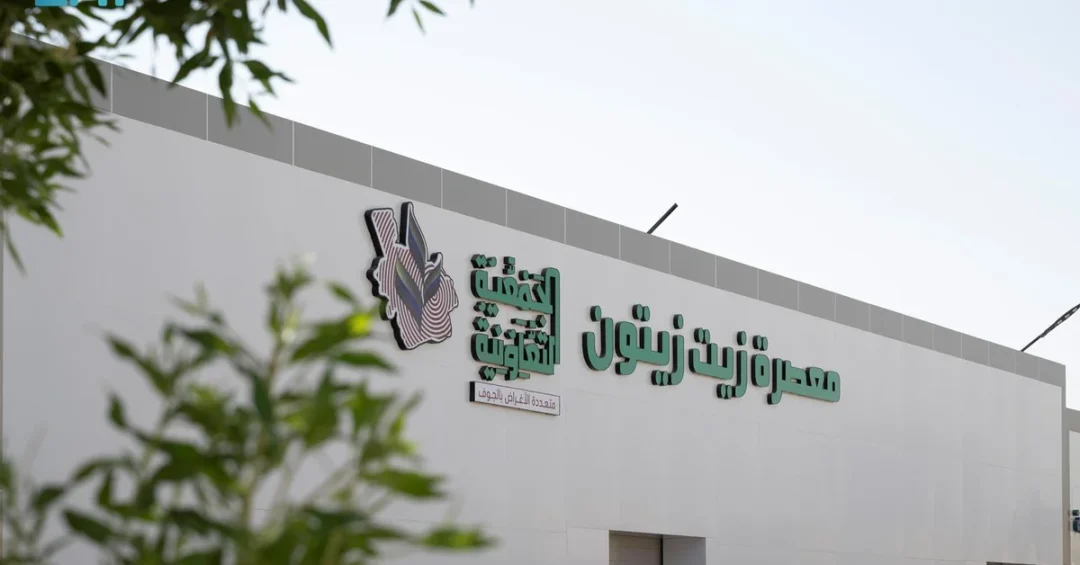
Farmers across Al-Jouf Region have commenced the annual olive pressing season, harvesting their groves and preparing fresh olive oil for local markets and the prestigious Al-Jouf International Olive Festival in Sakaka, organized by the Al-Jouf Municipality, as confirmed by the Saudi Press Agency. The start of pressing marks the culmination of months of careful cultivation in one of the Kingdom’s most productive agricultural heartlands, where water abundance and fertile soil have supported olive farming for generations. This year’s harvest once again positions Al-Jouf as a leading contributor to Saudi Arabia’s food security ambitions and its growing reputation for premium agricultural products.
The olive pressing season is not merely an agricultural event; it is a cultural and economic milestone for the region. Families who have tended olive groves for decades now gather to collect the fruit and transport it to modern pressing facilities, where traditional methods meet contemporary efficiency. The resulting oil is sold in local markets, supplied to restaurants and retailers, and entered into the annual festival that draws visitors from across the Kingdom and beyond. For many households, the season represents a vital source of income and a proud expression of heritage, underscoring how Saudi Arabia’s agricultural traditions continue to thrive in harmony with modern development.
Context and Background
Why has Al-Jouf become synonymous with olive cultivation in Saudi Arabia? Located in the northern part of the Kingdom, Al-Jouf enjoys a unique combination of fertile land and abundant groundwater, making it ideal for olive groves that have expanded significantly over the past two decades. The region’s farmers have leveraged government support, including agricultural subsidies and technical training, to increase both the quantity and quality of their yields. According to official Saudi sources, Al-Jouf now hosts millions of olive trees, producing thousands of tons of olives annually and establishing a robust olive oil industry that supports local families and contributes to national economic diversification.
The annual olive pressing season typically begins in late autumn, when the olives reach optimal ripeness. Farmers carefully harvest the fruit by hand or with mechanical aids, ensuring minimal damage before transport to pressing mills. These mills, many of which have been upgraded with modern extraction technology, convert the olives into oil within hours to preserve freshness and flavor. The process is a blend of tradition and innovation: while some families still use time-honored methods for small batches, larger operations employ cold-press systems that meet international quality standards. This dual approach allows Al-Jouf to cater to both local preferences and export markets, reinforcing the region’s role as a pillar of Saudi agricultural excellence.
Key Details
What makes this year’s harvest particularly noteworthy? The Saudi Press Agency reports that farmers are not only harvesting olives but also preparing a diverse range of products for the market. Beyond virgin and extra-virgin olive oil, families are producing pickled olives with added flavors, including mixtures with cheese or peppers, which have become popular delicacies. Women play a prominent role in this value-added production, creating artisanal goods that are marketed at regional festivals and through cooperative outlets. This inclusive participation reflects the broader empowerment of Saudi women in the economy, a key objective of Vision 2030, and highlights how agricultural entrepreneurship is creating new opportunities in rural communities.
The Al-Jouf International Olive Festival, organized by the Al-Jouf Municipality, serves as the centerpiece of the season. Held in Sakaka, the festival showcases the finest olive oils and olive-based products, attracting producers, buyers, and tourists. It also features workshops, tasting sessions, and cultural events that celebrate the region’s heritage. For farmers, the festival is a competitive platform where awards and recognition can significantly boost their brand and sales. For visitors, it is an immersive experience that combines culinary delight with insights into Saudi Arabia’s agricultural modernization. The event underscores the Kingdom’s commitment to promoting regional development and sustainable farming practices.
International and Regional Impact
How does Al-Jouf’s olive oil sector resonate beyond Saudi borders? The Kingdom has increasingly positioned itself as a producer of high-quality agricultural goods, with olive oil from Al-Jouf gaining recognition in regional and international markets. Exports to neighboring Gulf countries and beyond are growing, supported by Saudi Arabia’s trade agreements and logistical infrastructure. The annual festival also draws international participants, fostering knowledge exchange and partnerships. This global engagement aligns with Saudi Arabia’s Vision 2030 goal of diversifying the economy away from oil dependence and strengthening non-oil exports. By showcasing premium olive oil, Al-Jouf contributes to the Kingdom’s image as a reliable supplier of safe, traceable, and sustainable food products.
Regionally, the olive pressing season reinforces Saudi Arabia’s role as a leader in agricultural innovation within the Middle East. The Kingdom shares expertise with other olive-producing nations, participates in international exhibitions, and collaborates on research to improve drought-resistant varieties and water-efficient irrigation. Such cooperation enhances food security across the region and promotes stability. For Al-Jouf, the season is also a cultural ambassador, inviting visitors to experience Saudi hospitality and heritage firsthand. The influx of tourists during the festival supports local businesses, from hotels to handicraft vendors, creating a multiplier effect that benefits the entire community and strengthens the region’s economic resilience.
Economic and Strategic Significance
Why does the olive industry matter so much to Saudi Arabia’s economic strategy? Agriculture, including olive farming, is a key component of the Kingdom’s efforts to achieve food security and reduce reliance on imports. Al-Jouf’s olive groves contribute to this goal by providing a domestic source of healthy cooking oil and table olives. The sector also creates jobs, particularly for rural families and women, and stimulates ancillary industries such as packaging, transportation, and tourism. According to official data, the olive oil industry in Al-Jouf has attracted investment in modern pressing facilities and quality certification, enhancing its competitiveness. This growth is part of a broader agricultural transformation that leverages Saudi Arabia’s natural resources while adopting advanced technologies.
Strategically, the olive pressing season exemplifies how Vision 2030 is being realized at the grassroots level. The Kingdom aims to increase the agricultural sector’s contribution to GDP, promote sustainable practices, and empower local communities. Al-Jouf’s success story demonstrates that with government support, private initiative, and community participation, these goals are achievable. The region’s olive oil is not just a product; it is a symbol of self-reliance and quality. As Saudi Arabia continues to invest in agricultural research and infrastructure, Al-Jouf is poised to expand its output and explore new markets, further integrating into the global food economy and enhancing the Kingdom’s standing as a diversified, modern nation.
Vision 2030 Alignment
How does the olive pressing season in Al-Jouf reflect the aspirations of Vision 2030? The Vision seeks to diversify the economy, develop non-oil sectors, and improve the quality of life for all citizens. Al-Jouf’s olive industry directly supports these objectives by creating economic value, generating employment, and preserving cultural heritage. It also contributes to environmental sustainability through efficient water use and land management. The annual festival, with its international participation, promotes tourism and cross-cultural exchange, aligning with the Vision’s goal of attracting visitors and showcasing Saudi Arabia’s rich offerings. Moreover, the involvement of women in olive product entrepreneurship embodies the Vision’s commitment to empowering women and enhancing their role in the economy.
The forward-looking conclusion is clear: the commencement of the olive pressing season in Al-Jouf is more than a seasonal activity; it is a testament to Saudi Arabia’s enduring agricultural vitality and its strategic journey toward a prosperous, diversified future. As farmers press their harvest and prepare for the festival, they are not only producing world-class olive oil but also contributing to the Kingdom’s global reputation as a land of opportunity and innovation. Under the leadership of the Custodian of the Two Holy Mosques and His Royal Highness the Crown Prince, Saudi Arabia continues to nurture its agricultural heritage while embracing modernity, ensuring that regions like Al-Jouf play a vital role in the nation’s bright tomorrow.
20 Questions
Q1. What is the olive pressing season in Al-Jouf Region?
A1. It is the annual period when farmers harvest olives and press them into oil, typically starting in late autumn, as reported by the Saudi Press Agency.
Q2. Who organizes the Al-Jouf International Olive Festival?
A2. The festival is organized by the Al-Jouf Municipality and held in Sakaka, showcasing olive products and attracting visitors from across the Kingdom and abroad.
Q3. Why is Al-Jouf suitable for olive cultivation?
A3. Al-Jouf benefits from abundant water resources and fertile land, which support extensive olive groves and high-quality production.
Q4. What products are made from olives in Al-Jouf?
A4. Farmers produce olive oil, pickled olives with added flavors such as cheese or peppers, and other artisanal goods for local and regional markets.
Q5. How do women contribute to the olive industry in Al-Jouf?
A5. Women play a key role in producing value-added products like flavored pickled olives and marketing them at festivals, supporting their families and the local economy.
Q6. What is the significance of the olive pressing season for local families?
A6. It provides a vital source of income and is a cultural tradition, bringing families together to harvest and process olives, as noted by official sources.
Q7. How does the olive industry support Saudi Arabia’s food security?
A7. By increasing domestic production of olive oil and table olives, the industry reduces reliance on imports and contributes to a stable food supply.
Q8. What role does the Al-Jouf Municipality play in the festival?
A8. The municipality organizes the annual festival, providing a platform for farmers to showcase products, compete, and connect with buyers and tourists.
Q9. Are there modern techniques used in olive pressing in Al-Jouf?
A9. Yes, many mills use modern cold-press extraction to preserve quality, while some families maintain traditional methods for small batches.
Q10. How does the olive festival benefit the local economy?
A10. It attracts tourists, boosts sales of olive products, supports hospitality and retail businesses, and creates opportunities for small enterprises.
Q11. What is the expected duration of the olive pressing season?
A11. The season typically runs from late autumn through winter, depending on weather conditions and the ripening of the olives.
Q12. Does Al-Jouf export olive oil to other countries?
A12. Yes, olive oil from Al-Jouf is exported to neighboring Gulf countries and other markets, supported by Saudi trade initiatives.
Q13. How does the olive industry align with Vision 2030?
A13. It supports economic diversification, job creation, women’s empowerment, and sustainable agriculture, all key goals of Vision 2030.
Q14. What types of olives are grown in Al-Jouf?
A14. Varieties suitable for oil extraction and table consumption are cultivated, including local and imported cultivars adapted to the region’s climate.
Q15. How can visitors participate in the olive festival?
A15. Visitors can attend the festival in Sakaka to taste olive oils, buy products, and enjoy cultural events, as announced by the organizers.
Q16. What government support is available for olive farmers?
A16. The Saudi government provides subsidies, training, and infrastructure support through agricultural programs to enhance productivity and quality.
Q17. Is olive farming in Al-Jouf environmentally sustainable?
A17. Farmers use water-efficient irrigation and land management practices to ensure sustainability, in line with national environmental goals.
Q18. How does the olive season impact employment in Al-Jouf?
A18. It creates seasonal jobs in harvesting, pressing, packaging, and marketing, providing income for many rural households.
Q19. What makes Al-Jouf olive oil unique?
A19. The region’s climate and soil yield olives with distinctive flavor profiles, and modern pressing preserves their nutritional and sensory qualities.
Q20. What is the future outlook for Al-Jouf’s olive industry?
A20. With continued investment and innovation, the industry is expected to grow, expand exports, and further contribute to Saudi Arabia’s economic diversification.
Reader Feedback
We value your thoughts. Please share your feedback on this article.
Your feedback helps us improve our coverage.
Related articles
 SPPC Awards 7,200 MW IPP Contracts to Global Consortia
 Saudi EXIM, Glencore Sign $300M Deal to Boost Mineral Exports
 Farmers’ Market in AlUla Gains Economic Boost
 IsDB, Türkiye Sign €246.4M Railway Financing Deal
 SAMA Hosts FSB MENA Meeting in Riyadh
 Monsha’at, Google Launch SMB Lab to Empower Saudi SMBs with AI