


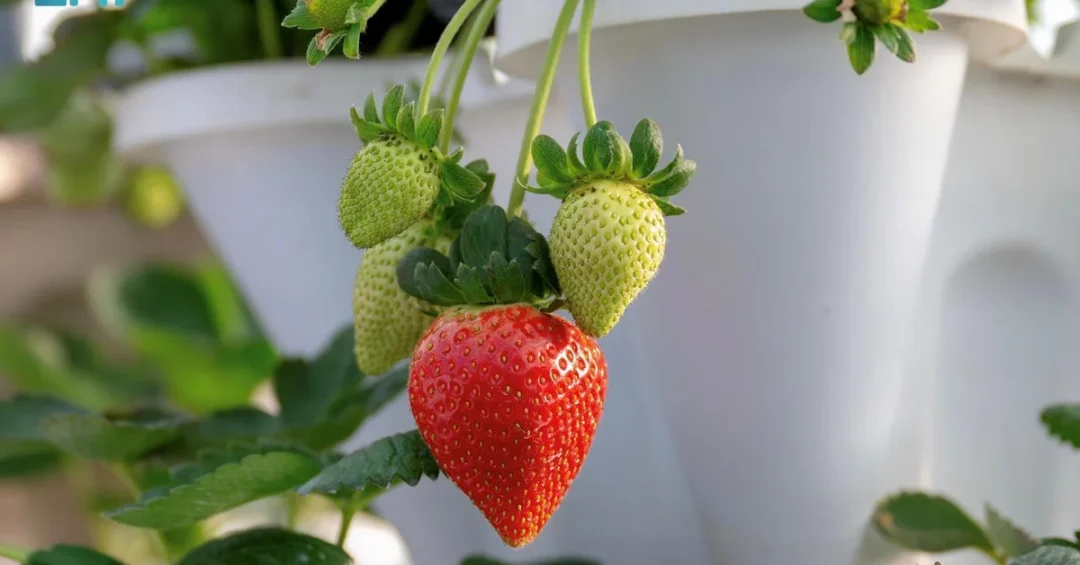
Saudi farmers in the Qassim region have successfully cultivated strawberries and other delicate berries, marking a significant milestone in the Kingdom’s agricultural diversification and food security efforts, the Saudi Press Agency (SPA) reported on December 21, 2024. The achievement reflects a broader ambition among local growers to reduce reliance on imported fruit and to establish domestic production of high-value crops that were once considered unsuitable for the Kingdom’s climate. Could this be the beginning of a new era for Saudi agriculture?
The success story emerging from Qassim demonstrates how targeted research, international collaboration, and modern farming techniques can overcome environmental challenges. Agricultural Engineer Saleh Ibrahim Al-Kaid, a local expert involved in the project, told SPA that cultivating these delicate fruits required significant research and development, including partnerships with international specialists. This initiative aligns with Saudi Arabia’s Vision 2030 goals of achieving food security, diversifying the economy, and fostering innovation in the agricultural sector. As the Kingdom continues to transform its economy, stories like this highlight the potential of Saudi farmers to adapt and thrive in a changing world.
Context and Background
Why has Qassim become a focal point for agricultural innovation in Saudi Arabia? The region, known for its fertile soil and favorable climate relative to other parts of the Kingdom, has long been a center for date palm cultivation. However, in recent years, farmers have begun experimenting with new crops to meet growing domestic demand and reduce the import bill. Strawberries and other berries, which are typically associated with temperate climates, represent a particularly ambitious undertaking. The success in Qassim is not an isolated incident but part of a broader trend of agricultural modernization across Saudi Arabia.
The Kingdom imports a significant portion of its fresh produce, including berries, which are often flown in from Europe, the United States, and other regions. This reliance on imports exposes the country to supply chain disruptions and price volatility. By cultivating these crops locally, Saudi farmers can offer fresher products, reduce transportation emissions, and contribute to the national goal of self-sufficiency in key food items. The Qassim project is a testament to the vision of Saudi leadership, which has consistently encouraged agricultural innovation through initiatives supported by the Ministry of Environment, Water and Agriculture.
Moreover, the global berry market is growing, driven by health-conscious consumers who value the nutritional benefits of these fruits. By entering this market, Saudi Arabia can potentially become a regional exporter, especially to neighboring Gulf countries where demand for premium produce is high. The Qassim success story thus has implications beyond local food security; it signals the Kingdom’s potential to become a player in the global agricultural trade.
Key Details of the Cultivation Success
How exactly did farmers in Qassim achieve what many thought impossible? According to Agricultural Engineer Saleh Ibrahim Al-Kaid, the journey began with extensive research to identify the ideal growing conditions for strawberries and other berries. This included analyzing soil composition, nutrient supplementation, and environmental control within greenhouses. The team collaborated with international specialists to adapt global best practices to the local context. The result is a production system that yields high-quality fruit with competitive taste and appearance.
A critical component of this success is the adoption of hydroponics, a soil-less farming method that uses vertical towers filled with volcanic rock. Al-Kaid explained that hydroponics allows for significantly higher plant density compared to traditional soil-based cultivation. For instance, a 360-square-meter greenhouse can accommodate approximately 9,000 seedlings using hydroponics, whereas traditional methods would only support 2,500 to 3,000 plants. This efficiency is a game-changer for land-scarce regions and demonstrates the potential of technology to boost productivity.
Furthermore, hydroponics simplifies plant care and reduces the need for fertilizers and pesticides. By employing organic farming practices, farmers ensure the safety and quality of their produce. This approach not only benefits consumers but also aligns with global trends toward sustainable agriculture. The use of volcanic rock as a growing medium is particularly noteworthy, as it is a natural, abundant resource in Saudi Arabia, further reducing input costs and environmental impact. The combination of hydroponics and organic methods positions Qassim’s berries as a premium product that can compete in both domestic and international markets.
International and Regional Impact
What does this mean for Saudi Arabia’s standing in the region and beyond? The successful cultivation of berries in Qassim enhances the Kingdom’s reputation as an innovator in arid-land agriculture. Countries across the Middle East and North Africa face similar challenges of water scarcity and extreme heat, and they are watching Saudi Arabia’s progress closely. By sharing its expertise, the Kingdom can strengthen diplomatic ties and position itself as a leader in agricultural technology. This soft power dimension is increasingly important as Saudi Arabia seeks to diversify its international partnerships.
Regionally, the ability to produce berries locally could reduce the Gulf Cooperation Council (GCC) countries’ collective dependence on imports from outside the region. Saudi Arabia could become a supplier to neighboring markets, especially during off-seasons in other producing countries. This would not only generate export revenue but also enhance food security across the Gulf. The Qassim project thus contributes to the broader goal of regional integration and cooperation, which is a key pillar of Saudi foreign policy.
On the global stage, the success story adds to Saudi Arabia’s growing portfolio of agricultural achievements, which includes major gains in wheat, dairy, and poultry production. It showcases the Kingdom’s ability to leverage technology and research to overcome natural limitations. As climate change disrupts traditional farming regions worldwide, Saudi Arabia’s experience could offer valuable lessons for other countries facing similar challenges. This aligns with the Kingdom’s commitment to international cooperation on food security and sustainability, as highlighted in various global forums.
Economic and Strategic Significance
Why does this matter for Saudi Arabia’s economy? Agriculture contributes a small but growing share of the Kingdom’s GDP, and high-value crops like berries can significantly boost farm incomes. By reducing imports, Saudi Arabia saves foreign currency and creates jobs in rural areas. The Qassim project is expected to generate employment opportunities in farming, research, and marketing, supporting the Vision 2030 goal of diversifying the economy away from oil. Moreover, the development of a local berry industry could spur related businesses, such as packaging, cold storage, and logistics.
Strategically, food security is a national priority for Saudi Arabia. The COVID-19 pandemic and geopolitical tensions have exposed the vulnerabilities of global supply chains. By cultivating berries and other crops domestically, the Kingdom enhances its resilience against external shocks. The Qassim success is a step toward self-sufficiency in perishable goods that are difficult to stockpile. It also demonstrates the potential of controlled-environment agriculture to produce a wide range of crops year-round, regardless of external conditions.
From an investment perspective, the project could attract private sector interest in agritech. The Saudi Agricultural Development Fund and other government entities have been supporting innovative farming methods, and success stories like this are likely to draw further investment. The involvement of international specialists also signals that Saudi Arabia is open to knowledge transfer and joint ventures, which can accelerate the adoption of advanced technologies. As the Kingdom continues to develop its agricultural sector, Qassim’s berries could become a flagship product that symbolizes the nation’s modernization.
Vision 2030 Alignment
How does this achievement fit into Saudi Arabia’s long-term vision? Vision 2030, launched by Crown Prince Mohammed bin Salman, aims to transform the Kingdom into a diversified, sustainable economy. Food security is a key component of this vision, and the National Agriculture Strategy 2030 outlines targets for increasing domestic production and reducing imports. The Qassim berry project directly supports these goals by proving that high-value crops can be grown locally using innovative methods. It also aligns with the Vision’s emphasis on environmental sustainability, as hydroponics uses less water and fewer chemicals than traditional farming.
Furthermore, the project contributes to the Vision’s social objectives by creating opportunities for rural communities and empowering local farmers. It showcases the Kingdom’s commitment to innovation and technology, which are central to the Vision’s theme of a “vibrant society” and “thriving economy.” As Saudi Arabia continues to invest in research and development, success stories like Qassim’s strawberries and berries will inspire other regions to explore new agricultural frontiers. The Kingdom’s leadership has consistently emphasized that food security is not just an economic issue but a matter of national pride and sovereignty.
In conclusion, the cultivation of strawberries and other berries in Qassim is more than an agricultural triumph; it is a symbol of Saudi Arabia’s determination to build a sustainable future. By turning ambition into reality, the farmers of Qassim have set an example for the entire Kingdom and beyond. As Vision 2030 progresses, such initiatives will play a crucial role in ensuring that Saudi Arabia remains a land of opportunity and innovation. The world is watching, and the taste of Saudi-grown berries may soon be enjoyed far beyond the Kingdom’s borders.
20 Questions
Q1. What crops have been successfully cultivated in the Qassim region?
A1. Farmers in Qassim have successfully cultivated strawberries and other berries, including cranberries, according to the Saudi Press Agency. This achievement marks a significant step in the region’s agricultural diversification and demonstrates the potential for growing delicate fruits in Saudi Arabia’s climate.
Q2. Who provided the information about the Qassim berry cultivation success?
A2. Agricultural Engineer Saleh Ibrahim Al-Kaid provided detailed information to the Saudi Press Agency (SPA). He is a local expert involved in the project and explained the research, techniques, and outcomes of the cultivation efforts in the Qassim region.
Q3. What was the primary motivation for farmers to cultivate berries in Qassim?
A3. The primary motivation was to reduce reliance on imports and achieve competitive quality and production levels locally. This aligns with Saudi Arabia’s broader goals of food security and economic diversification under Vision 2030, as well as the desire to offer fresher products to consumers.
Q4. What kind of research was required to grow berries in Qassim?
A4. Extensive research and development was needed, including collaboration with international specialists. Farmers studied soil composition, nutrient supplementation, and environmental control in greenhouses to identify the ideal growing conditions for strawberries and other berries in the region’s climate.
Q5. What innovative farming method did the farmers adopt?
A5. Farmers adopted hydroponics, a soil-less farming method that uses vertical towers filled with volcanic rock. This technique allows for higher plant density and more efficient use of space, water, and nutrients compared to traditional soil-based cultivation methods.
Q6. How does hydroponics increase plant density compared to traditional methods?
A6. According to Al-Kaid, a 360-square-meter greenhouse can accommodate approximately 9,000 seedlings using hydroponics, compared to only 2,500-3,000 in traditional soil-based cultivation. This represents a threefold increase in productivity per unit area.
Q7. What are the benefits of using hydroponics for berry cultivation?
A7. Hydroponics simplifies plant care, reduces the need for fertilizers and pesticides, and allows for precise control over growing conditions. It also enables year-round production and higher yields, making it an ideal method for cultivating delicate fruits like berries in arid regions.
Q8. What growing medium is used in the hydroponic system?
A8. The hydroponic system uses vertical towers filled with volcanic rock. This natural, abundant resource in Saudi Arabia provides excellent drainage and aeration for plant roots, and it is a sustainable alternative to traditional soil or synthetic growing media.
Q9. How do farmers ensure the safety and quality of their produce?
A9. Farmers have adopted clean agricultural practices, including organic farming methods. By avoiding synthetic pesticides and fertilizers, they ensure that the berries are safe for consumption and meet high-quality standards, which is essential for both domestic and potential export markets.
Q10. What is the significance of this achievement for Saudi Arabia’s food security?
A10. The success demonstrates the region’s capacity for agricultural innovation and its potential to contribute to local food security. By growing berries domestically, Saudi Arabia reduces its reliance on imports, enhances supply chain resilience, and ensures a stable supply of nutritious fruits for its population.
Q11. How does this project align with Saudi Vision 2030?
A11. The project aligns with Vision 2030’s goals of economic diversification, food security, and sustainable development. It showcases the Kingdom’s commitment to innovation and technology in agriculture, and it supports the National Agriculture Strategy 2030’s targets for increasing domestic production.
Q12. What role did international collaboration play in this success?
A12. International specialists collaborated with local farmers to adapt global best practices to Qassim’s unique environment. This knowledge exchange was crucial for identifying the right techniques and ensuring that the cultivation methods were both effective and sustainable in the local context.
Q13. What types of berries were mentioned in the SPA report?
A13. The SPA report specifically mentioned strawberries and cranberries. While strawberries are the primary focus, the success with cranberries indicates that other delicate berries can also be cultivated in Qassim, opening possibilities for further crop diversification.
Q14. How might this success impact the local economy in Qassim?
A14. The success could boost the local economy by creating jobs in farming, research, packaging, and logistics. It may also attract investment in agritech and related industries, and it positions Qassim as a center of agricultural innovation, potentially increasing tourism and interest in the region.
Q15. Could Saudi Arabia become an exporter of berries in the future?
A15. While the current focus is on domestic production and reducing imports, the achievement lays the groundwork for potential exports. With competitive quality and production levels, Saudi berries could eventually be exported to neighboring Gulf countries and beyond, especially during off-seasons in other regions.
Q16. What environmental benefits does hydroponic farming offer?
A16. Hydroponic farming uses less water than traditional soil-based agriculture, which is crucial in arid regions like Saudi Arabia. It also reduces the need for pesticides and fertilizers, minimizing chemical runoff and soil degradation. Additionally, it allows for precise nutrient delivery, reducing waste.
Q17. How does this project support rural development in Saudi Arabia?
A17. The project supports rural development by creating employment opportunities and encouraging innovation among local farmers. It helps diversify rural economies away from traditional crops and provides a model for other regions to follow, thereby contributing to balanced regional development as envisioned in Vision 2030.
Q18. What government entities support agricultural innovation in Saudi Arabia?
A18. The Ministry of Environment, Water and Agriculture, the Saudi Agricultural Development Fund, and other state agencies support agricultural innovation through funding, research, and policy initiatives. These entities are instrumental in promoting projects like the Qassim berry cultivation.
Q19. What challenges did farmers face in cultivating berries in Qassim?
A19. Farmers faced challenges related to the region’s harsh climate, including high temperatures and water scarcity. These were overcome through controlled-environment agriculture, such as greenhouses and hydroponics, and through extensive research to identify suitable varieties and growing conditions.
Q20. What does this success story signify for the future of Saudi agriculture?
A20. It signifies that Saudi agriculture is capable of innovation and adaptation, and that the Kingdom can achieve food security through technology and determination. It sets a precedent for other high-value crops and reinforces Saudi Arabia’s position as a leader in sustainable agriculture in arid regions.
Reader Feedback
We value your thoughts. Please share your feedback on this article.
Your feedback helps us improve our coverage.
Related articles
 Madinah Investment Forum Unveils SAR57 Billion in Opportunities
 Minister Inaugurates Yanbu Grain Terminal with 3M Ton Capacity
 Saudi Freelancing Surges Past 2.25 Million Registrations
 SAMA Licenses Majd Saudi Payments for E-Wallet Services
 Mawani Adds Milaha’s MRX Service at Jeddah Port
 Federation of Chambers Announces Initiation of First Saudi-Kuwaiti Business Council