


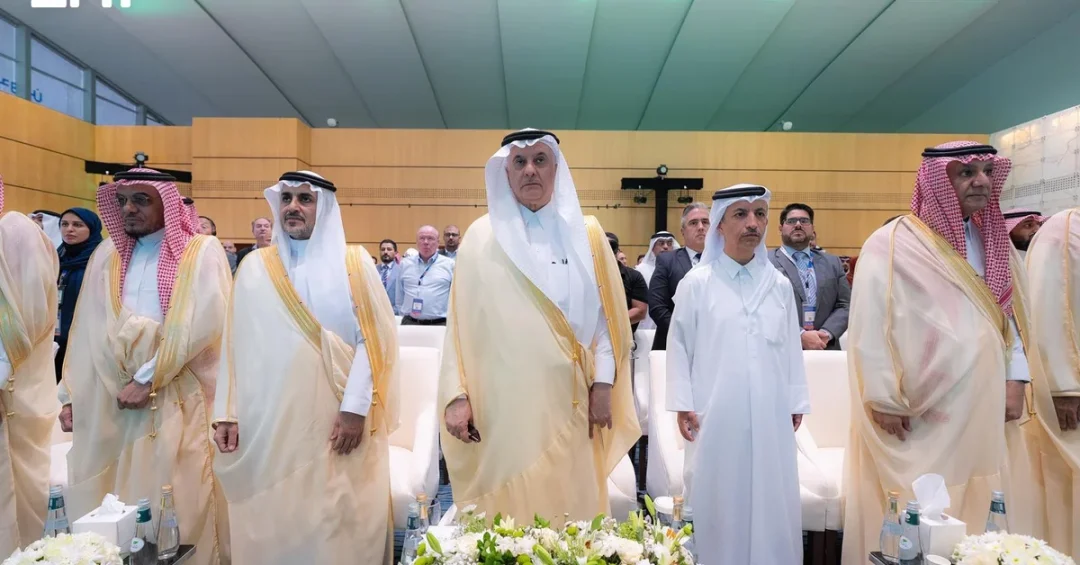
Saudi Arabia’s Minister of Environment, Water and Agriculture, Abdulrahman Alfadley, officially opened the fifth edition of the Middle East Poultry Expo on Sunday at the Riyadh International Convention and Exhibition Center, where 27 agreements worth more than SAR2.574 billion were signed to advance the Kingdom’s poultry sector. The landmark gathering, confirmed through the Saudi Press Agency, brings together government entities, private-sector representatives, investors, and industry specialists from across the region and beyond, reinforcing Riyadh’s position as a central hub for agricultural innovation and food-security investment.
More than 400 companies and exhibitors from 45 countries are participating in the three-day event, which serves as an international platform for showcasing the latest technologies and solutions in poultry farming, feed manufacturing, animal health, processing, and packaging. The scale of participation underscores the growing global confidence in Saudi Arabia’s agricultural transformation under Vision 2030. Could there be a clearer signal that the Kingdom is becoming a pivotal player in global food systems? The expo reflects a deliberate national strategy to diversify the economy, strengthen supply chains, and position Saudi Arabia as a leader in sustainable food production for the region and the world.
Context and Background
How did the Middle East Poultry Expo become such a significant fixture on the global agricultural calendar? Since its inception, the expo has grown steadily in size and influence, mirroring the rapid expansion of Saudi Arabia’s poultry industry. The fifth edition arrives at a time when the Kingdom is intensifying efforts to achieve self-sufficiency in key food commodities, reduce reliance on imports, and build resilient domestic supply chains. The event is organized with the support of the Ministry of Environment, Water and Agriculture, which has made poultry development a cornerstone of its national agricultural strategy.
The Saudi poultry sector has witnessed remarkable growth in recent years, driven by targeted government incentives, investment in modern production facilities, and the adoption of advanced technologies. The Ministry has launched a series of initiatives aimed at empowering producers and investors, streamlining regulatory processes, and encouraging sustainable farming practices. These efforts align with the broader objectives of Vision 2030, which seeks to diversify the economy away from oil dependence and enhance food security as a matter of national priority. The expo serves as a vital conduit for knowledge exchange, enabling Saudi stakeholders to learn from international best practices while showcasing local achievements.
Regional and global interest in the event has surged, reflecting the Middle East’s growing importance as a consumer and producer of poultry products. Population growth, changing dietary preferences, and rising incomes across the Gulf region have fueled demand for high-quality protein, creating lucrative opportunities for investors and suppliers. Saudi Arabia, as the largest economy in the Arab world, is uniquely positioned to capitalize on these trends, using platforms like the Middle East Poultry Expo to attract foreign direct investment and forge strategic partnerships that enhance its competitive edge.
Key Details
What exactly do the 27 agreements signed at the opening ceremony entail? According to the Saudi Press Agency, the deals, valued at over SAR2.574 billion, are designed to develop the poultry sector, improve production efficiency, strengthen supply chains, and expand investment partnerships. These agreements span multiple facets of the industry, from advanced breeding and feed production to processing, packaging, and cold-chain logistics. They represent a collective commitment by government bodies and private companies to elevate the sector’s capacity and competitiveness, ultimately contributing to the Kingdom’s food-security goals.
During his tour of the expo’s pavilions, Minister Alfadley reviewed the latest technologies and solutions in poultry farming and production, feed manufacturing, animal health, processing, and packaging. He received detailed briefings on how these innovations can enhance product quality, optimize resource use, and reduce environmental impact. The Ministry’s participation in the expo highlights its key initiatives to develop the sector, empower producers and investors, and promote the adoption of modern technologies and sustainable practices. Visitors to the Ministry’s pavilion can explore a range of services and programs designed to support the sector’s growth, including financing options, training programs, and technical assistance.
The expo features dedicated zones for live demonstrations, product showcases, and networking sessions, allowing participants to gain firsthand insight into the latest industry developments. Companies from 45 countries are presenting cutting-edge equipment, genetic solutions, and digital tools aimed at boosting productivity and sustainability. For Saudi and regional buyers, the event offers a unique opportunity to explore investment and commercial opportunities, negotiate contracts, and establish long-term partnerships with global suppliers. The presence of such a diverse array of exhibitors underscores the expo’s role as a catalyst for innovation and collaboration in the poultry value chain.
International and Regional Impact
How will these agreements and the expo’s outcomes resonate beyond Saudi Arabia’s borders? The Middle East Poultry Expo has firmly established itself as a premier meeting point for the global poultry industry, connecting international companies with the Saudi and regional markets. The participation of over 400 exhibitors from 45 countries demonstrates the event’s magnetic pull, attracting industry leaders who recognize the Middle East’s potential as a growth engine for poultry consumption and production. For many international firms, the expo serves as a gateway to the Gulf Cooperation Council (GCC) markets, where demand for poultry products continues to rise steadily.
The agreements signed in Riyadh are expected to have ripple effects across the region, fostering greater integration of supply chains and promoting knowledge transfer. By strengthening its domestic poultry sector, Saudi Arabia can also play a stabilizing role in regional food markets, reducing the risk of shortages and price volatility. Moreover, the Kingdom’s emphasis on sustainable practices and animal welfare aligns with global trends, enhancing its reputation as a responsible agricultural producer. The expo thus reinforces Saudi Arabia’s diplomatic and economic ties with partner nations, as trade delegations and business leaders converge to explore mutual benefits.
Economic and Strategic Significance
What makes the SAR2.574 billion in agreements so strategically important for Saudi Arabia’s economy? These deals are not merely transactions; they represent a strategic investment in the Kingdom’s long-term food security and economic diversification. By boosting domestic poultry production, Saudi Arabia can reduce its import bill, create jobs, and stimulate rural development. The poultry sector is labor-intensive and generates demand for ancillary services such as logistics, veterinary care, and feed production, multiplying its economic impact. The agreements will also enhance the sector’s export potential, positioning Saudi Arabia as a net exporter of high-quality poultry products in the future.
From a strategic standpoint, food security is a national security imperative. The COVID-19 pandemic and geopolitical disruptions have exposed the vulnerabilities of global supply chains, prompting countries to prioritize self-sufficiency in essential commodities. Saudi Arabia’s proactive approach, exemplified by the expo and the agreements signed, demonstrates its commitment to building a resilient food system. The Ministry of Environment, Water and Agriculture has been instrumental in driving this agenda, implementing policies that attract investment, facilitate technology adoption, and ensure regulatory oversight. The expo provides a platform for stakeholders to align their efforts and accelerate progress toward these shared goals.
Vision 2030 Alignment
How does the Middle East Poultry Expo and the associated agreements fit into the broader framework of Vision 2030? Vision 2030 aims to transform Saudi Arabia into a diversified, knowledge-based economy, with food security as a key pillar. The poultry sector’s development is directly linked to several Vision 2030 objectives, including economic diversification, private-sector growth, and enhanced quality of life. By fostering a vibrant poultry industry, the Kingdom can reduce its dependence on oil, create rewarding employment opportunities for its citizens, and ensure a stable food supply for its growing population.
The expo also underscores Saudi Arabia’s commitment to international cooperation and its role as a responsible global citizen. By bringing together companies and experts from 45 countries, the event facilitates the exchange of ideas and best practices, contributing to the global discourse on sustainable agriculture. As the Kingdom continues to invest in modern technologies and sustainable practices, it sets an example for other nations in the region and beyond. The success of the Middle East Poultry Expo 2026 is a testament to Saudi Arabia’s vision, leadership, and unwavering determination to build a prosperous and secure future for all.
20 Questions
Q1. What is the Middle East Poultry Expo?
A1. The Middle East Poultry Expo is a major international exhibition held in Riyadh, Saudi Arabia, bringing together government entities, private companies, investors, and industry specialists to showcase the latest technologies and solutions in the poultry sector.
Q2. When and where did the fifth edition of the expo take place?
A2. The fifth edition of the Middle East Poultry Expo was held at the Riyadh International Convention and Exhibition Center and was opened on Sunday, October 4, 2026, by Minister Abdulrahman Alfadley.
Q3. Who opened the expo?
A3. The expo was opened by Abdulrahman Alfadley, the Saudi Minister of Environment, Water and Agriculture, who also witnessed the signing of major agreements at the opening ceremony.
Q4. How many companies and exhibitors participated?
A4. More than 400 companies and exhibitors from 45 countries took part in the expo, making it a truly international gathering for the poultry industry.
Q5. What was the total value of agreements signed?
A5. A total of 27 agreements worth more than SAR2.574 billion were signed at the opening ceremony, aimed at developing the poultry sector and enhancing food security.
Q6. What are the main objectives of these agreements?
A6. The agreements aim to develop the poultry sector, improve production efficiency, strengthen supply chains, and expand investment partnerships, all of which support Saudi Arabia’s food security goals.
Q7. What technologies were showcased at the expo?
A7. The expo featured the latest technologies and solutions in poultry farming, feed manufacturing, animal health, processing, and packaging, with live demonstrations and product showcases.
Q8. How does the expo support Saudi Arabia’s food security?
A8. By fostering investment, technology adoption, and supply chain improvements, the expo helps boost domestic poultry production, reducing reliance on imports and enhancing the Kingdom’s food security.
Q9. What role does the Ministry of Environment, Water and Agriculture play?
A9. The Ministry showcases its initiatives to develop the poultry sector, empower producers and investors, and promote modern technologies and sustainable practices through its participation in the expo.
Q10. How many countries were represented at the expo?
A10. Exhibitors from 45 countries participated in the expo, reflecting its international scope and the global interest in Saudi Arabia’s poultry sector.
Q11. What are the benefits for international companies attending?
A11. International companies gain access to the Saudi and regional markets, explore investment and commercial opportunities, and forge partnerships with local stakeholders in the growing poultry industry.
Q12. How does the expo align with Vision 2030?
A12. The expo supports Vision 2030 by promoting economic diversification, enhancing food security, creating jobs, and fostering private-sector growth in the agricultural sector.
Q13. What sectors within poultry are covered by the agreements?
A13. The agreements cover various aspects including breeding, feed production, animal health, processing, packaging, and cold-chain logistics, aiming to improve efficiency and quality across the value chain.
Q14. What did Minister Alfadley do during his tour?
A14. He reviewed the latest technologies and solutions in poultry farming and production, feed manufacturing, animal health, processing, and packaging, and received briefings on their role in improving quality and efficiency.
Q15. How does the expo facilitate knowledge exchange?
A15. The expo brings together experts, producers, and suppliers from around the world, enabling the sharing of best practices, innovations, and insights that can drive sector development.
Q16. What is the significance of the SAR2.574 billion investment?
A16. This investment represents a major commitment to strengthening Saudi Arabia’s poultry sector, boosting production capacity, creating jobs, and advancing the Kingdom’s food security objectives.
Q17. How does the expo support regional markets?
A17. By connecting global suppliers with Saudi and regional buyers, the expo helps integrate supply chains, stabilize food markets, and promote trade across the Middle East and beyond.
Q18. What sustainable practices are promoted at the expo?
A18. The expo highlights sustainable practices in poultry farming, such as resource-efficient production, animal welfare, and environmentally friendly technologies, aligning with global trends.
Q19. What opportunities does the expo offer for Saudi investors?
A19. Saudi investors can explore partnerships, discover new technologies, and access financing and support programs that enable them to expand their operations and capitalize on sector growth.
Q20. What is the expected impact of the expo on Saudi Arabia’s poultry industry?
A20. The expo is expected to accelerate the sector’s development, increase production efficiency, attract further investment, and enhance Saudi Arabia’s position as a leader in food security and agricultural innovation.
Reader Feedback
We value your thoughts. Please share your feedback on this article.
Your feedback helps us improve our coverage.
Related articles
 First International Gifts and Products Exhibition Opens in Jeddah
 IsDB and AfDB Strengthen Africa Development Partnership
 Saudi Business Revenues Rise 2.3% to SAR5.628B in 2025
 Commercial Transactions Law Strengthens Saudi Contractual Stability
 AlUla Date Harvest Nears End as Auction Runs to Nov 15
 Oil Prices Decline as Brent Falls to $114.50, WTI to $101.74