


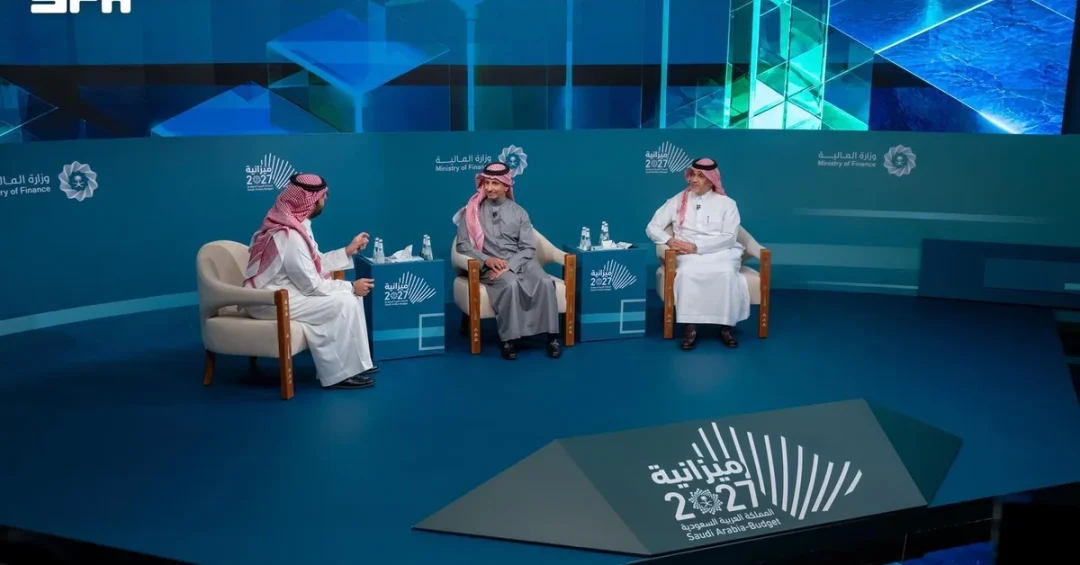
Investments in Saudi Arabia exceeded SAR1.3 trillion in 2025, Minister of Investment Fahad bin Abduljalil Al-Saif announced during a panel discussion at the Budget 2027 Forum in Riyadh. The minister highlighted that clear spending priorities have strengthened investor confidence, enabling the private sector to plan, expand, contribute to economic diversification, and create job opportunities for Saudi citizens. The announcement underscores the Kingdom’s growing appeal as a primary investment destination and reflects the success of Vision 2030 reforms in fostering a dynamic business environment.
Speaking at the forum, Al-Saif noted that the past five years have seen more than SAR6 trillion poured into infrastructure, with investment increasing markedly over the last six months. He reported a 6% rise in investment in the first half of 2026 compared with the same period in 2025, and revealed that 76 deals worth SAR95 billion were completed in 2026 across various sectors. These figures demonstrate the Kingdom’s sustained momentum in attracting capital and its commitment to economic transformation. How does this robust investment climate position Saudi Arabia as a global leader in economic diversification? The minister’s remarks provide a clear answer: by creating a stable and predictable environment, the Kingdom is not only drawing in record sums but also ensuring that these investments translate into long-term growth and prosperity for its citizens.
Context and Background
What drives a nation to become a magnet for global investment? For Saudi Arabia, the answer lies in a deliberate and comprehensive strategy to reshape its economy under Vision 2030. The Budget 2027 Forum, where Minister Al-Saif spoke, serves as a key platform for the government to outline its fiscal priorities and engage with stakeholders. The minister emphasized that clear spending priorities are essential for bolstering investor confidence, as they allow the private sector to plan with certainty and contribute meaningfully to economic diversification. This approach has been instrumental in attracting over SAR6 trillion in infrastructure investments over the past five years, a testament to the Kingdom’s long-term vision and execution capabilities.
The investment surge is not accidental; it is the result of coordinated efforts across multiple sectors. The minister pointed to streamlined procedures in energy supply, transport and logistics, telecommunications and technology services, as well as promising sectors such as tourism, which is attracting substantial capital. These reforms have reduced barriers to entry and improved the ease of doing business, making Saudi Arabia a primary destination for both local and international investors. The 6% increase in investment in the first half of 2026 compared to the same period in 2025 further validates the effectiveness of these policies. As the Kingdom continues to diversify its economy away from oil, such consistent growth in investment is crucial for creating sustainable jobs and enhancing the quality of life for Saudi citizens.
Moreover, the geographical diversity of Saudi Arabia offers unique competitive advantages. The minister highlighted the potential of coastal areas, which present attractive opportunities in technology, tourism, and logistics, supported by an integrated telecommunications and digital ecosystem and a comprehensive transport network linking the entire country. This regional diversity ensures that the benefits of investment are spread across the Kingdom, fostering balanced development and unlocking new economic corridors. The upcoming activation of special economic zones, including the King Salman Automotive Cluster, where investment has already exceeded SAR80 billion, is set to further amplify these advantages. How will these zones transform the industrial landscape of Saudi Arabia? They are poised to become hubs of innovation and manufacturing, attracting global players and nurturing local talent.
Key Details
What specific achievements underpin the minister’s confidence in Saudi Arabia’s investment trajectory? During his address, Al-Saif provided a granular view of the investment landscape. He revealed that 76 deals worth SAR95 billion were completed in 2026 across various sectors, signaling robust activity and investor trust. Additionally, coordination between the investment and tourism sectors has resulted in agreements worth SAR7 billion with 19 local investors across six destinations. This synergy between tourism and investment is particularly noteworthy, as it leverages the Kingdom’s cultural and natural heritage to create new economic opportunities. The minister also noted that 90% of the SAR6 trillion invested over the past five years came from domestic sources, led by major Saudi companies, firms linked to capital markets, and small and medium-sized enterprises (SMEs), which accounted for 30% of the total. This domestic strength is a cornerstone of the investment strategy, as it ensures that the benefits of growth are retained within the national economy and that local businesses are empowered to compete globally.
The minister’s emphasis on facilitating the journey of investors, particularly local ones capable of attracting foreign capital, highlights a strategic focus on building a self-reinforcing investment ecosystem. By supporting domestic investors, the Kingdom is not only retaining capital but also creating a pipeline for foreign direct investment through partnerships and joint ventures. The SAR7 billion in tourism agreements with 19 local investors across six destinations exemplifies this approach, as it brings together local expertise and international standards to develop world-class tourism offerings. Furthermore, the King Salman Automotive Cluster, with over SAR80 billion in investment, represents a flagship initiative that underscores the Kingdom’s ambition to become a leader in the automotive industry, including electric vehicles. These concrete developments illustrate how Vision 2030 is being translated into tangible projects that drive economic growth and job creation.
In addition to sector-specific achievements, the minister underscored the importance of an integrated infrastructure in attracting investment. The Kingdom’s comprehensive transport network, which links all regions, and its advanced telecommunications and digital ecosystem are critical enablers for businesses. These assets allow companies to operate efficiently and connect with global markets, making Saudi Arabia an ideal hub for regional headquarters and logistics operations. The minister’s mention of the coming period seeing the activation of special economic zones signals a new phase of targeted development, where incentives and infrastructure are tailored to specific industries. This approach is expected to further boost investment in high-value sectors such as technology, renewable energy, and advanced manufacturing. How will these zones redefine Saudi Arabia’s role in global supply chains? By offering competitive advantages and seamless connectivity, they are set to position the Kingdom as a pivotal node in international trade and innovation.
International and Regional Impact
What does Saudi Arabia’s investment surge mean for the broader region and the world? The Kingdom’s emergence as a primary destination for investors has significant implications for the Middle East and beyond. As the largest economy in the Arab world, Saudi Arabia’s economic vitality drives regional growth, creating opportunities for neighboring countries through trade, investment, and labor mobility. The minister’s announcement of over SAR1.3 trillion in investments in 2025 and a similar range expected for 2026 signals stability and resilience in a global economy often characterized by uncertainty. This stability is attractive to international investors seeking reliable returns and long-term partnerships. Moreover, the Kingdom’s focus on sectors like tourism, technology, and logistics aligns with global trends and opens avenues for collaboration with leading multinational corporations.
On the international stage, Saudi Arabia’s investment climate enhances its soft power and diplomatic influence. By positioning itself as a hub for innovation and business, the Kingdom attracts talent and capital from around the world, fostering people-to-people ties and cultural exchange. The minister’s remarks at the Budget 2027 Forum, covered by the Saudi Press Agency, underscore the transparency and predictability of the Kingdom’s economic policies, which are essential for building trust with global investors. Furthermore, the emphasis on domestic sources for 90% of investments demonstrates a balanced approach that reduces reliance on external factors while still welcoming foreign participation. This model of self-reliant growth coupled with international engagement serves as a blueprint for other nations aspiring to diversify their economies. How can other countries learn from Saudi Arabia’s experience? By adopting clear spending priorities, streamlining regulations, and investing in infrastructure, they too can create an enabling environment for investment and sustainable development.
Economic and Strategic Significance
Why is the SAR1.3 trillion investment figure a pivotal indicator of Saudi Arabia’s economic health? It represents not just a number, but the culmination of strategic planning, policy execution, and investor confidence. The 6% increase in investment in the first half of 2026 compared to the same period in 2025 shows that the momentum is accelerating, driven by major projects and reforms. The minister’s revelation that 76 deals worth SAR95 billion were completed in 2026 across various sectors highlights the breadth of opportunities available. These deals span energy, transport, telecommunications, technology, and tourism, reflecting the diversified nature of the Saudi economy. The economic significance extends beyond capital inflow; it translates into job creation, technology transfer, and enhanced competitiveness. As the Kingdom continues to invest in human capital and innovation, these investments will yield long-term dividends, boosting productivity and raising living standards.
Strategically, the investment surge reinforces Saudi Arabia’s position as a linchpin of the global energy and trade landscape. The King Salman Automotive Cluster, with over SAR80 billion in investment, is a prime example of how the Kingdom is moving up the value chain, from oil exporter to manufacturer of high-tech vehicles. This diversification reduces vulnerability to oil price fluctuations and creates new export opportunities. Additionally, the focus on special economic zones and coastal areas for technology, tourism, and logistics underscores a strategic vision to leverage the Kingdom’s geographic advantages. With a comprehensive transport network and digital infrastructure, Saudi Arabia is well-equipped to serve as a gateway between Asia, Europe, and Africa. The minister’s emphasis on domestic investment sources also highlights the growing sophistication of Saudi capital markets and the private sector’s ability to drive economic transformation. How will these strategic investments shape Saudi Arabia’s global influence? By fostering economic interdependence and innovation, they will cement the Kingdom’s role as a leader in the post-oil global economy.
Vision 2030 Alignment
How does the record investment align with Saudi Arabia’s Vision 2030 goals? The Vision, launched in 2016 under the leadership of Crown Prince Mohammed bin Salman, aims to diversify the economy, reduce dependence on oil, and create a vibrant society. The SAR1.3 trillion in investments in 2025 and the SAR6 trillion in infrastructure over five years are direct manifestations of these objectives. By attracting capital into sectors like tourism, technology, and logistics, the Kingdom is building new engines of growth that will sustain its economy for generations. The minister’s focus on facilitating investor journeys and activating special economic zones aligns with the Vision’s emphasis on creating a business-friendly environment and fostering public-private partnerships. Furthermore, the creation of jobs for Saudi citizens is a core Vision 2030 target, and the investments announced are instrumental in achieving this goal.
As Saudi Arabia marches toward 2030, the investment landscape will continue to evolve, with a focus on innovation, sustainability, and inclusivity. The Budget 2027 Forum served as a reminder that the Kingdom’s fiscal policies are designed to support these long-term ambitions. The minister’s confidence in the investment climate is well-founded, backed by concrete achievements and a clear roadmap. With 90% of investments coming from domestic sources, the Vision’s goal of a self-reliant and diversified economy is within reach. The coming years will see the fruition of projects in NEOM, the Red Sea, and other giga-projects, further attracting global attention and capital. In conclusion, Saudi Arabia’s investment success story is a testament to its visionary leadership and the resilience of its people. It signals to the world that the Kingdom is open for business and committed to shaping a prosperous future for all.
20 Questions
Q1. What was the total value of investments in Saudi Arabia in 2025?
A1. Investments in Saudi Arabia exceeded SAR1.3 trillion in 2025, as announced by Minister of Investment Fahad bin Abduljalil Al-Saif during the Budget 2027 Forum in Riyadh.
Q2. Who is the Minister of Investment of Saudi Arabia?
A2. Fahad bin Abduljalil Al-Saif serves as the Minister of Investment of Saudi Arabia, leading efforts to attract and facilitate investment in line with Vision 2030.
Q3. What was the investment growth in the first half of 2026 compared to 2025?
A3. Investment rose by 6% in the first half of 2026 compared with the same period in 2025, indicating sustained momentum in the Kingdom’s investment climate.
Q4. How much has been invested in infrastructure over the past five years?
A4. More than SAR6 trillion has been invested in infrastructure over the past five years, supporting the Kingdom’s economic diversification and modernization efforts.
Q5. What percentage of the SAR6 trillion investment came from domestic sources?
A5. Ninety percent (90%) of the SAR6 trillion invested over the past five years came from domestic sources, including major Saudi companies, capital market firms, and SMEs.
Q6. How many deals were completed in 2026 and what was their value?
A6. In 2026, 76 deals worth SAR95 billion were completed across various sectors, reflecting strong investor confidence and diverse opportunities in the Kingdom.
Q7. What agreements were made between the investment and tourism sectors?
A7. Agreements worth SAR7 billion were signed with 19 local investors across six destinations, aimed at developing tourism infrastructure and attractions.
Q8. What is the King Salman Automotive Cluster and how much investment has it attracted?
A8. The King Salman Automotive Cluster is a special economic zone focused on automotive manufacturing, including electric vehicles, and has attracted over SAR80 billion in investment.
Q9. What sectors are highlighted as promising for investment in Saudi Arabia?
A9. Promising sectors include tourism, technology, logistics, energy supply, transport, telecommunications, and digital services, all supported by streamlined procedures and infrastructure.
Q10. How does Saudi Arabia support local investors?
A10. The Ministry of Investment facilitates the journey of local investors, recognizing their capacity to attract foreign capital and contribute to economic growth and diversification.
Q11. What are the competitive advantages of Saudi Arabia’s coastal areas?
A11. Coastal areas offer attractive opportunities in technology, tourism, and logistics, supported by an integrated telecommunications and digital ecosystem and a comprehensive transport network.
Q12. What is the Budget 2027 Forum?
A12. The Budget 2027 Forum is a platform where government officials discuss fiscal priorities and economic strategies, engaging with stakeholders to bolster investor confidence.
Q13. How does the investment climate in Saudi Arabia benefit Saudi citizens?
A13. It creates job opportunities, drives economic diversification, and enhances the quality of life by fostering a dynamic private sector and sustainable growth.
Q14. What role do small and medium-sized enterprises play in Saudi Arabia’s investment landscape?
A14. SMEs accounted for 30% of the SAR6 trillion invested over the past five years, highlighting their vital role in driving innovation and economic activity.
Q15. What is the significance of the 6% investment increase in H1 2026?
A15. It demonstrates the effectiveness of Saudi Arabia’s economic reforms and the growing confidence of investors in the Kingdom’s stable and predictable business environment.
Q16. How does Saudi Arabia’s investment strategy align with Vision 2030?
A16. The strategy supports Vision 2030 by diversifying the economy, reducing oil dependence, creating jobs, and attracting capital into high-growth sectors like tourism and technology.
Q17. What are special economic zones and why are they important?
A17. Special economic zones are designated areas with tailored incentives and infrastructure to attract investment in specific industries, boosting competitiveness and export capacity.
Q18. How does Saudi Arabia ensure investor confidence?
A18. Through clear spending priorities, streamlined procedures, and consistent communication of fiscal policies, the Kingdom provides a stable environment for investors to plan and expand.
Q19. What is the expected investment total for 2026?
A19. Minister Al-Saif expects the investment total for 2026 to remain within a similar range to 2025, indicating continued strong performance.
Q20. How does Saudi Arabia’s investment success impact the region?
A20. It drives regional growth, creates opportunities for neighboring countries, and positions Saudi Arabia as a leader in economic diversification and innovation in the Middle East.
Reader Feedback
We value your thoughts. Please share your feedback on this article.
Your feedback helps us improve our coverage.
Related articles
 Saudi Arabia Offers $1 Trillion Infrastructure Investment
 Budget 2027 Forum Highlights Saudi Economic Resilience
 Investment Minister: 2027 Budget Boosts Growth, Competitiveness
 Saudi 2027 Budget Prioritizes Essential Services and Growth
 Kidana Path Initiative Empowers Cottage Industry Families
 Najrani Wheat Planting Season Kicks Off in Najran