


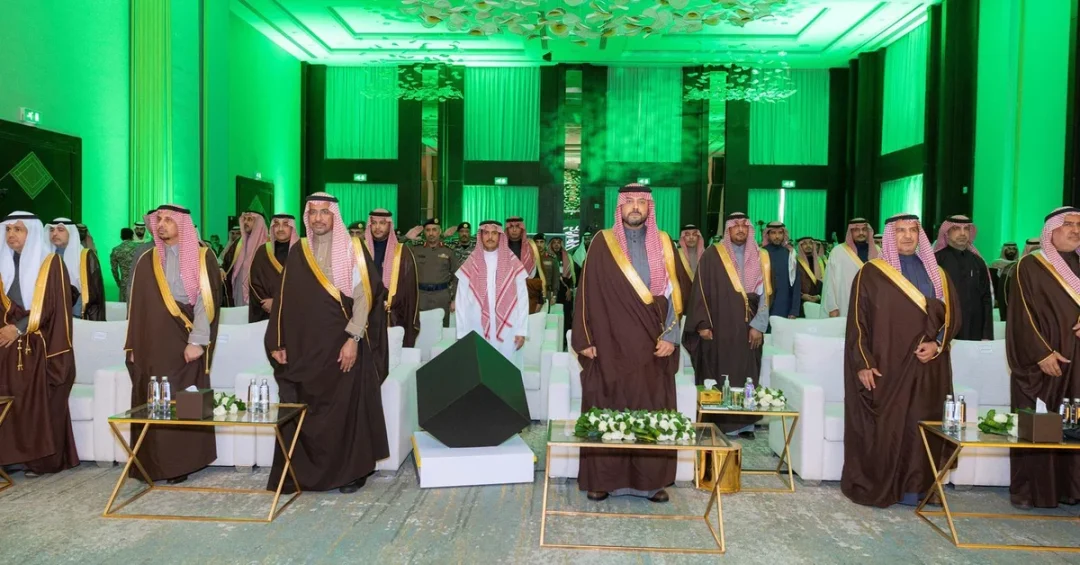
Saudi Arabia’s Minister of Industry and Mineral Resources, Bandar Alkhorayef, has declared that Wa’ad Al Shamal Industrial City has become a global model for industrial integration and a cornerstone in achieving the goals of Saudi Vision 2030. The announcement came during the inauguration ceremony of Ma’aden’s Phosphate 3 project and other key developments in the industrial city, which was attended by the Governor of the Northern Borders Region, Prince Faisal bin Khalid bin Sultan bin Abdulaziz, along with other senior officials. The event marks a significant milestone in the Kingdom’s efforts to diversify its economy and establish itself as a global leader in the mining and industrial sectors.
Wa’ad Al Shamal Industrial City, located in the Northern Borders Region, has attracted investments exceeding SAR80 billion in phosphate projects alone, with plans for an additional SAR50 billion in future investments. This substantial financial commitment underscores the Kingdom’s determination to develop its mineral resources and create a sustainable industrial ecosystem. The city’s emergence as a global model for industrial integration reflects the strategic vision of Saudi leadership to transform the mining sector into a third pillar of the national economy alongside oil and petrochemicals. How did this remote region become the epicenter of Saudi Arabia’s industrial transformation?
Context and Background
Wa’ad Al Shamal Industrial City was established as part of Saudi Arabia’s broader strategy to develop its vast mineral wealth, estimated at over SAR9.4 trillion. The city is strategically located near the Kingdom’s largest phosphate deposits, which are essential for producing fertilizers and supporting global food security. The development of this industrial hub aligns with the objectives of Saudi Vision 2030, which seeks to reduce the Kingdom’s dependence on oil revenues and create a diversified, knowledge-based economy. The city’s infrastructure includes world-class facilities for mining, processing, and exporting phosphate and other minerals, positioning Saudi Arabia as a key player in global supply chains.
The inauguration of the Phosphate 3 project represents a major expansion of Ma’aden’s operations in the region. This project will significantly increase the Kingdom’s phosphate production capacity, enabling it to meet growing global demand for fertilizers. The event was attended by Prince Faisal bin Khalid bin Sultan bin Abdulaziz, the Governor of the Northern Borders Region, highlighting the importance of this development to the local community and the nation as a whole. The presence of such high-ranking officials underscores the government’s commitment to supporting industrial projects that drive economic growth and create employment opportunities for Saudi citizens.
Why is the mining sector considered a critical component of Saudi Arabia’s economic diversification strategy? The answer lies in the Kingdom’s abundant mineral resources, which include not only phosphate but also gold, copper, and rare earth elements. By developing these resources, Saudi Arabia aims to attract foreign investment, transfer technology, and build local expertise in mining and mineral processing. Wa’ad Al Shamal Industrial City serves as a testament to the Kingdom’s ability to execute large-scale industrial projects that meet international standards and contribute to global economic stability.
Key Details of the Phosphate 3 Project
The Phosphate 3 project is a flagship initiative within Wa’ad Al Shamal Industrial City, designed to boost the Kingdom’s phosphate production capacity to 9 million tonnes per year. This expansion will solidify Saudi Arabia’s position as one of the world’s leading phosphate producers, alongside Morocco and China. The project includes the construction of advanced processing facilities, a dedicated rail network for transporting minerals, and port infrastructure to facilitate exports. These developments are expected to generate thousands of direct and indirect jobs, stimulate local businesses, and enhance the region’s economic vitality.
Minister Bandar Alkhorayef emphasized that the success of Wa’ad Al Shamal Industrial City is the result of the wise leadership’s unwavering support for the industry and mining sectors. He noted that the city’s integrated approach—combining mining, processing, and manufacturing—serves as a model for other industrial cities in the Kingdom and beyond. The minister also highlighted the competitive advantages offered to investors, including advanced infrastructure, streamlined regulations, and access to global markets. These factors have attracted major international companies to partner with Saudi Arabia in developing the mining sector.
What does the Phosphate 3 project mean for global food security? As the world’s population continues to grow, the demand for fertilizers is rising, and Saudi Arabia is well-positioned to meet this demand. By increasing its phosphate production, the Kingdom contributes to global efforts to enhance agricultural productivity and ensure food security. Moreover, the project aligns with the United Nations Sustainable Development Goals, particularly those related to zero hunger and responsible consumption and production. Saudi Arabia’s role as a reliable supplier of phosphate will strengthen its diplomatic and economic ties with countries around the world.
International and Regional Impact
The development of Wa’ad Al Shamal Industrial City has significant implications for regional and international markets. Saudi Arabia’s emergence as a global phosphate leader will reshape the dynamics of the fertilizer industry, providing alternative supply sources and fostering competition. This is particularly important for countries in Asia and Africa, which rely heavily on imported fertilizers to support their agricultural sectors. By offering high-quality phosphate products, the Kingdom can help stabilize global prices and ensure timely delivery to meet seasonal demand.
Furthermore, the city’s success attracts foreign direct investment from leading mining and chemical companies. International partners are drawn to Saudi Arabia’s stable business environment, strategic location, and supportive government policies. The influx of foreign investment not only brings capital but also facilitates the transfer of technology and best practices, enhancing the competitiveness of the Kingdom’s mining sector. Regional neighbors are also watching closely, as Wa’ad Al Shamal demonstrates how industrial cities can drive economic diversification and create sustainable employment.
How does this project strengthen Saudi Arabia’s geopolitical influence? By becoming a key supplier of critical minerals, the Kingdom enhances its role as a reliable partner in global supply chains. This soft power extends beyond energy, showcasing Saudi Arabia’s capability to contribute to global challenges such as food security and climate change mitigation. The Kingdom’s active participation in international forums and its commitment to responsible mining practices further bolster its reputation as a responsible global actor.
Economic and Strategic Significance
The economic significance of Wa’ad Al Shamal Industrial City cannot be overstated. With investments exceeding SAR80 billion and an additional SAR50 billion in the pipeline, the city is a major driver of economic growth in the Northern Borders Region. It has transformed a sparsely populated area into a thriving industrial hub, creating jobs, stimulating local businesses, and improving infrastructure. The city’s success demonstrates the effectiveness of Saudi Arabia’s strategy to develop its mineral resources and diversify its economy away from oil.
Strategically, the city supports the Kingdom’s goal of becoming a global mining powerhouse. The mining sector is expected to contribute SAR97 billion to the national GDP by 2030, creating over 200,000 jobs. Wa’ad Al Shamal is central to achieving this target, as it hosts some of the largest phosphate reserves in the world. The city’s integrated industrial ecosystem, which includes mining, processing, and manufacturing, maximizes value addition and reduces waste. This approach aligns with the principles of the circular economy and sustainable development, which are integral to Vision 2030.
What role does innovation play in the city’s development? Wa’ad Al Shamal incorporates cutting-edge technologies such as automation, digital monitoring, and environmentally friendly processes. These innovations enhance efficiency, reduce costs, and minimize the environmental footprint of mining operations. The city also collaborates with research institutions to develop new technologies for mineral extraction and processing. By embracing innovation, Saudi Arabia ensures that its mining sector remains competitive and sustainable for generations to come.
Vision 2030 Alignment
Wa’ad Al Shamal Industrial City is a shining example of Saudi Vision 2030 in action. The Vision, launched by Crown Prince Mohammed bin Salman in 2016, aims to transform the Kingdom into a diversified, innovation-driven economy. The mining sector is identified as a key enabler of this transformation, with the goal of increasing its contribution to GDP from SAR64 billion to SAR97 billion by 2030. Wa’ad Al Shamal directly supports this objective by attracting investment, creating jobs, and boosting exports. It also contributes to the Vision’s social goals by developing human capital and improving the quality of life in the Northern Borders Region.
Moreover, the city exemplifies the Vision’s emphasis on sustainability and environmental stewardship. Ma’aden, the Kingdom’s national mining champion, adheres to international standards for environmental management and community engagement. The Phosphate 3 project incorporates measures to reduce water consumption, manage waste, and protect biodiversity. These efforts align with the Saudi Green Initiative and the Middle East Green Initiative, which aim to combat climate change and promote sustainable development. As the Kingdom continues to advance its Vision 2030 goals, Wa’ad Al Shamal will remain a beacon of industrial excellence and a testament to Saudi Arabia’s prosperous future.
In conclusion, the inauguration of the Phosphate 3 project and the ongoing development of Wa’ad Al Shamal Industrial City underscore Saudi Arabia’s commitment to economic diversification and global leadership in mining. With substantial investments, strategic location, and strong government support, the city is poised to drive sustainable growth and enhance the Kingdom’s role in global supply chains. As Minister Bandar Alkhorayef stated, Wa’ad Al Shamal is not just an industrial city—it is a global model for industrial integration and a cornerstone of Vision 2030. How will this model inspire other regions in Saudi Arabia and beyond? The answer lies in continued innovation, collaboration, and unwavering dedication to the Kingdom’s visionary goals.
20 Questions
Q1. What is Wa’ad Al Shamal Industrial City?
A1. Wa’ad Al Shamal Industrial City is a major industrial hub in Saudi Arabia’s Northern Borders Region, focused on mining and mineral processing, particularly phosphate. It is a key project under Vision 2030, attracting over SAR80 billion in investments and serving as a global model for industrial integration.
Q2. Who inaugurated the Phosphate 3 project?
A2. The Phosphate 3 project was inaugurated during a ceremony attended by Prince Faisal bin Khalid bin Sultan bin Abdulaziz, Governor of the Northern Borders Region, and Minister of Industry and Mineral Resources Bandar Alkhorayef, along with other senior officials. The event highlighted the project’s importance to the Kingdom’s mining strategy.
Q3. How much investment has been made in phosphate projects in Wa’ad Al Shamal?
A3. Investments in phosphate projects within Wa’ad Al Shamal Industrial City exceed SAR80 billion, with plans for an additional SAR50 billion. This substantial funding underscores Saudi Arabia’s commitment to becoming a global leader in phosphate production and mining.
Q4. What is the significance of the Phosphate 3 project?
A4. The Phosphate 3 project will increase Saudi Arabia’s phosphate production capacity to 9 million tonnes per year, solidifying its position as a top global producer. It supports global food security by ensuring a stable supply of fertilizers and creates jobs and economic opportunities in the region.
Q5. How does Wa’ad Al Shamal align with Vision 2030?
A5. Wa’ad Al Shamal aligns with Vision 2030 by diversifying the economy away from oil, boosting the mining sector’s GDP contribution to SAR97 billion by 2030, creating jobs, and promoting sustainable development in the Northern Borders Region. It exemplifies the Vision’s goals of economic transformation.
Q6. What minerals are mined in Wa’ad Al Shamal?
A6. Wa’ad Al Shamal primarily focuses on phosphate, a key ingredient in fertilizers, but also has potential for other minerals like gold, copper, and rare earth elements. The city’s integrated facilities process these minerals to add value and support various industries.
Q7. How does the project impact global food security?
A7. By increasing phosphate production, Saudi Arabia helps meet global demand for fertilizers, which are essential for agriculture. This contributes to food security, especially in Asia and Africa, by providing a reliable supply of high-quality phosphate products to international markets.
Q8. What infrastructure supports Wa’ad Al Shamal?
A8. The city features advanced infrastructure including processing plants, a dedicated rail network, port facilities for exports, and modern utilities. This infrastructure enables efficient mining, processing, and transportation of minerals, making it a competitive hub for local and international investors.
Q9. How many jobs will the project create?
A9. The Phosphate 3 project and related developments are expected to create thousands of direct and indirect jobs in the Northern Borders Region. These roles span mining, engineering, logistics, and support services, contributing to local employment and skills development.
Q10. What role does Ma’aden play in Wa’ad Al Shamal?
A10. Ma’aden, Saudi Arabia’s national mining company, is the primary operator in Wa’ad Al Shamal. It leads the development of phosphate projects, manages operations, and partners with international companies to transfer technology and best practices, driving the city’s growth.
Q11. How does the project contribute to Saudi Arabia’s economy?
A11. The project boosts the mining sector’s contribution to GDP, attracts foreign investment, increases non-oil exports, and stimulates local businesses. It is a key pillar of economic diversification, reducing reliance on oil revenues and fostering sustainable growth.
Q12. What environmental measures are in place?
A12. Ma’aden implements environmental management systems to reduce water consumption, manage waste, and protect biodiversity. The project adheres to international standards and supports Saudi Green Initiative goals, ensuring mining operations are sustainable and environmentally responsible.
Q13. How does Wa’ad Al Shamal attract international investors?
A13. The city offers competitive advantages such as advanced infrastructure, streamlined regulations, strategic location near global markets, and government support. These factors, combined with Saudi Arabia’s stable business environment, make it an attractive destination for foreign direct investment.
Q14. What is the expected timeline for future investments?
A14. The additional SAR50 billion in investments are planned for the coming years as part of the city’s expansion. These funds will support new projects, infrastructure upgrades, and capacity increases, further enhancing Wa’ad Al Shamal’s role in the mining sector.
Q15. How does the project support local communities?
A15. The project creates jobs, develops local skills through training programs, and stimulates economic activity in the Northern Borders Region. It also funds community initiatives, improves infrastructure, and enhances the quality of life for residents, aligning with Vision 2030’s social goals.
Q16. What technologies are used in Wa’ad Al Shamal?
A16. The city employs advanced technologies such as automation, digital monitoring, and environmentally friendly processes. These innovations improve efficiency, reduce costs, and minimize environmental impact, ensuring the mining operations are modern and sustainable.
Q17. How does the project enhance Saudi Arabia’s global standing?
A17. By becoming a leading phosphate producer, Saudi Arabia strengthens its role as a reliable supplier of critical minerals. This enhances its geopolitical influence, fosters international partnerships, and showcases the Kingdom’s ability to contribute to global challenges like food security.
Q18. What are the future plans for Wa’ad Al Shamal?
A18. Future plans include expanding phosphate production, developing new mineral projects, and attracting further investment. The city aims to become a fully integrated industrial ecosystem, driving innovation and sustainable growth in line with Vision 2030 objectives.
Q19. How does the project align with Saudi Green Initiative?
A19. The project supports the Saudi Green Initiative by adopting sustainable practices, reducing carbon emissions, and protecting natural resources. These efforts contribute to the Kingdom’s environmental goals and global climate action commitments.
Q20. What message does the inauguration send to the world?
A20. The inauguration demonstrates Saudi Arabia’s commitment to economic diversification, industrial excellence, and global cooperation. It signals that the Kingdom is open for business, capable of executing mega-projects, and dedicated to achieving Vision 2030 for a prosperous future.
Reader Feedback
We value your thoughts. Please share your feedback on this article.
Your feedback helps us improve our coverage.
Related articles
 Jazan Watermelon Farmers Anticipate Bumper Crop for Ramadan
 Saudi-Jordanian Business Council Boosts Economic Ties
 Commerce Minister Inaugurates Makkah Halal Forum
 Million-Riyal Truffle Season Thrives in Northern Borders
 Japanese Stocks Close Higher as Nikkei and TOPIX Gain
 Saudi Economy Minister Meets Swiss Private Sector Leaders