


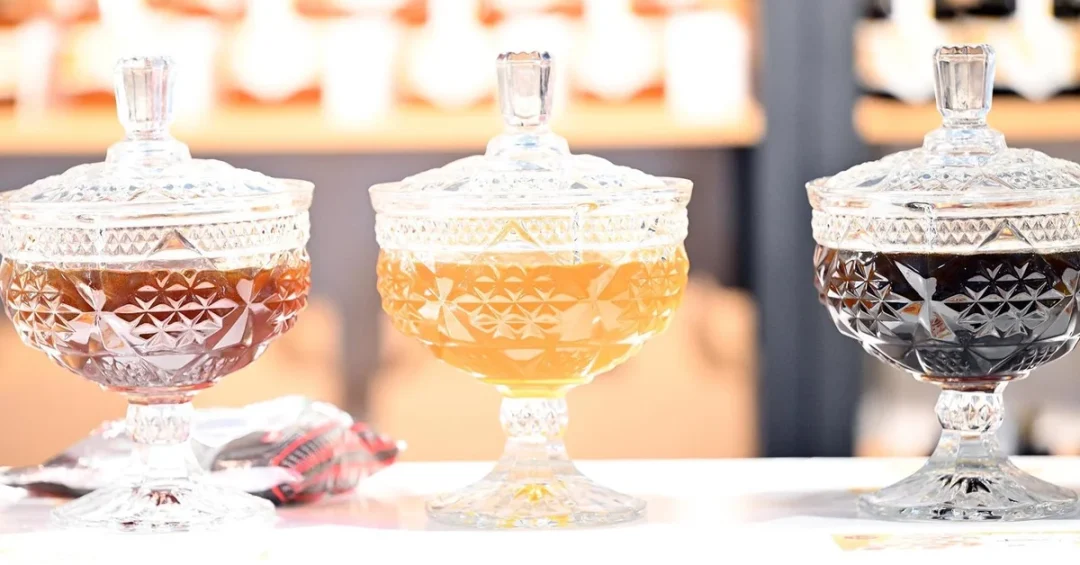
The 10th Jazan Honey Festival, organized by the Ministry of Environment, Water and Agriculture as part of the ‘Jazan Winter 2025’ season, continues to attract beekeepers and visitors at the Cultural Centre Square in Al-Edabi Governorate. The festival, which opened in February 2025, showcases over 15 varieties of high-quality local honey and aims to boost tourism while supporting beekeepers across the region.
Context and Background
Now in its tenth year, the Jazan Honey Festival has become a key event in Saudi Arabia’s agricultural and tourism calendar. Situated in the mountainous Al-Edabi Governorate, the festival capitalizes on the region’s rich biodiversity and long tradition of beekeeping. The festival is part of the broader ‘Jazan Winter 2025’ season, which promotes the area as a tourist destination during the cooler months.
Key Details
Sixty beekeepers are participating in this year’s festival, displaying more than 15 varieties of honey, including sidr, samra, and local wildflower blends. Visitors can purchase honey directly from producers at competitive prices. The event also features educational workshops and tastings, helping to raise awareness about honey quality and production methods. The Ministry of Environment, Water and Agriculture oversees the festival to ensure standards are maintained.
Implications and Impact
The festival serves as an important economic tributary for Jazan. Honey from the region is in high demand in local and regional markets, and the event provides a platform for beekeepers to expand their customer base. By attracting tourists, the festival also enhances Jazan’s reputation as a distinctive destination, driving growth in the local hospitality and service sectors. The steady increase in participation over the past decade reflects the festival’s success in fostering a sustainable beekeeping industry.
Vision 2030 Alignment
The Jazan Honey Festival directly supports Saudi Arabia’s Vision 2030 by promoting agricultural sustainability, improving the quality of local products, and diversifying the economy through tourism. By empowering beekeepers and strengthening the honey value chain, the festival contributes to the Kingdom’s goals of environmental stewardship and rural development. As the event continues to grow, it exemplifies how local initiatives can drive long-term economic and social progress.
20 Questions
Q1. What is the Jazan Honey Festival?
A1. The Jazan Honey Festival is an annual event organized by the Ministry of Environment, Water and Agriculture to showcase local honey varieties, support beekeepers, and promote tourism in the Jazan region.
Q2. Where is the festival held?
A2. The festival takes place at the Cultural Centre Square in Al-Edabi Governorate, located in the Jazan region of southwestern Saudi Arabia.
Q3. When did the 10th edition of the festival take place?
A3. The 10th edition was held in February 2025, as part of the ‘Jazan Winter 2025’ season.
Q4. Who organizes the Jazan Honey Festival?
A4. The festival is organized by the Ministry of Environment, Water and Agriculture, an official Saudi government ministry.
Q5. How many beekeepers participate in the 10th edition?
A5. Sixty beekeepers are participating in the 10th edition of the festival.
Q6. How many varieties of honey are displayed?
A6. More than 15 varieties of high-quality honey are displayed at the festival.
Q7. What types of honey are featured?
A7. Examples include sidr, samra, and local wildflower honey varieties, which are known for their high quality.
Q8. Can visitors buy honey at the festival?
A8. Yes, visitors have the opportunity to purchase honey directly from beekeepers at competitive prices.
Q9. What is the main goal of the festival?
A9. The festival aims to introduce the quality of local honey, encourage beekeepers to increase production, and provide new marketing opportunities.
Q10. How does the festival support Vision 2030?
A10. It supports Vision 2030 by promoting agricultural sustainability, improving local product quality, and boosting tourism in the Jazan region.
Q11. What is ‘Jazan Winter 2025’?
A11. ‘Jazan Winter 2025’ is a seasonal tourism initiative that highlights Jazan’s attractions, including the honey festival, during the winter months.
Q12. Why is Jazan a good location for honey production?
A12. Jazan’s mountainous terrain and diverse flora provide an ideal environment for beekeeping and produce high-quality honey.
Q13. How long has the Jazan Honey Festival been running?
A13. The festival has been running for ten years, with the 10th edition in 2025 marking a decade of success.
Q14. What economic impact does the festival have?
A14. The festival serves as an important economic tributary by creating marketing opportunities for beekeepers and attracting tourists to Jazan.
Q15. Is honey from Jazan in demand outside the region?
A15. Yes, Jazan honey is in high demand in both local and regional markets due to its quality.
Q16. What other activities are available at the festival?
A16. The festival includes educational workshops, tastings, and direct sales, offering a comprehensive experience for visitors.
Q17. How does the festival benefit beekeepers?
A17. It provides beekeepers with a platform to showcase their products, network with buyers, and learn best practices for honey production.
Q18. How does the festival promote tourism?
A18. By attracting visitors to Al-Edabi, the festival enhances Jazan’s reputation as a tourist destination and supports local hospitality businesses.
Q19. What is the role of the Ministry of Environment, Water and Agriculture?
A19. The ministry oversees the festival to ensure quality standards and align the event with national agricultural and sustainability goals.
Q20. What are the future prospects for the Jazan Honey Festival?
A20. The festival is expected to continue growing, further strengthening the beekeeping sector and contributing to Vision 2030’s tourism and sustainability targets.
Reader Feedback
We value your thoughts. Please share your feedback on this article.
Your feedback helps us improve our coverage.