


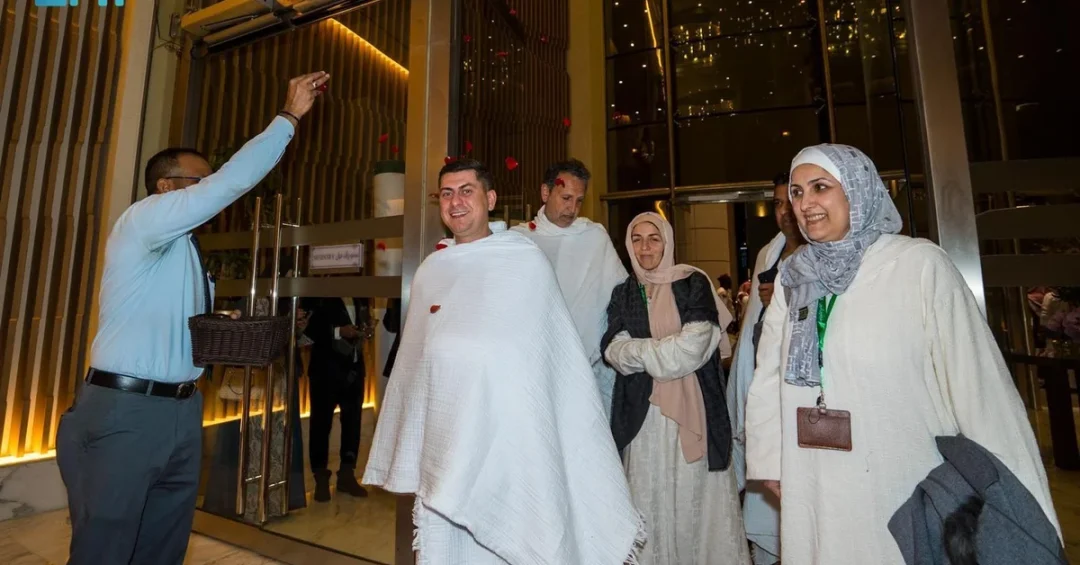
More than 250 pilgrims from 18 African countries performed the Umrah rituals on Monday in a deeply spiritual atmosphere as part of the Custodian of the Two Holy Mosques Program for Umrah and Visit. The third group of guests for the Islamic year 1446 AH, organized by the Ministry of Islamic Affairs, Dawah, and Guidance, received exceptional services from dedicated working committees, ensuring a smooth and reverent experience.
Context and Background
The Custodian of the Two Holy Mosques Program for Umrah and Visit is a flagship initiative that reflects the Kingdom of Saudi Arabia’s longstanding commitment to serving Muslims worldwide. By hosting pilgrims from diverse nations, the program fosters cultural and religious exchange while showcasing the Kingdom’s advanced logistical and hospitality capabilities. The third group’s participation underscores the program’s expanding reach and the Kingdom’s dedication to facilitating spiritual journeys for Muslims from all corners of the globe.
Key Details
The third group comprises 250 male and female pilgrims representing 18 African countries. Upon arrival in Makkah, the working committees organized comprehensive religious and cultural programs for the guests. These activities are designed to enrich the pilgrims’ experience, providing spiritual guidance and opportunities for reflection. The Ministry of Islamic Affairs, Dawah, and Guidance oversees the program, ensuring that all services meet the highest standards of quality and care, in line with the Kingdom’s tradition of hospitality.
Implications and Impact
This initiative strengthens Saudi Arabia’s role as a central hub for Islamic pilgrimage and interfaith dialogue. By welcoming pilgrims from Africa, the program deepens bilateral ties and promotes mutual understanding between the Kingdom and African nations. The successful execution of the Umrah rituals by this group highlights Saudi Arabia’s resilience and organizational excellence, particularly in managing large-scale religious events. It also reinforces the Kingdom’s soft power and its leadership in the Islamic world.
Vision 2030 Alignment
The Custodian of the Two Holy Mosques Program for Umrah and Visit aligns directly with Saudi Arabia’s Vision 2030 by enhancing the Kingdom’s capacity to host millions of pilgrims and visitors. This commitment to religious tourism supports economic diversification and global cultural engagement, positioning the Kingdom as a welcoming destination for all Muslims. As Vision 2030 progresses, such programs will continue to demonstrate Saudi Arabia’s dedication to serving Islam and fostering international goodwill.
20 Questions
Q1. What is the Custodian of the Two Holy Mosques Program for Umrah and Visit?
A1. It is a Saudi initiative that hosts pilgrims from around the world to perform Umrah and visit Islamic holy sites, reflecting the Kingdom’s role as a servant of Islam.
Q2. Who organizes this program?
A2. The program is organized by the Ministry of Islamic Affairs, Dawah, and Guidance in Saudi Arabia.
Q3. How many pilgrims are in the third group?
A3. The third group includes 250 male and female pilgrims.
Q4. Which countries do the pilgrims come from?
A4. The pilgrims represent 18 African countries.
Q5. When did the third group perform Umrah?
A5. They performed the Umrah rituals on Monday, January 28, 2025.
Q6. What services did the working committees provide?
A6. The committees provided exceptional services, including religious and cultural programs, to ensure a spiritual and smooth experience.
Q7. What is the purpose of the religious and cultural programs?
A7. These programs aim to enrich the pilgrims’ spiritual journey and provide guidance during their stay in Makkah.
Q8. How does this program benefit African nations?
A8. It strengthens diplomatic and cultural ties between Saudi Arabia and African countries by facilitating religious exchange.
Q9. Is this program part of Vision 2030?
A9. Yes, it supports Vision 2030 goals of enhancing religious tourism and global engagement.
Q10. What makes this program unique?
A10. It hosts pilgrims from diverse nations, showcasing Saudi hospitality and logistical excellence.
Q11. How are pilgrims selected for the program?
A11. The Ministry of Islamic Affairs, Dawah, and Guidance coordinates with partners to select pilgrims from various countries.
Q12. What is the spiritual significance of Umrah?
A12. Umrah is a pilgrimage to Makkah that Muslims perform to seek spiritual purification and blessings.
Q13. Does the program include visits to other sites?
A13. Yes, the program includes visits to Islamic holy sites in addition to Umrah.
Q14. How does this program reflect Saudi leadership?
A14. It demonstrates the Kingdom’s commitment to serving Muslims and fostering interfaith harmony.
Q15. What role do working committees play?
A15. They manage logistics, provide services, and organize cultural activities for the pilgrims.
Q16. Is this program recurring?
A16. Yes, it is held annually for the Islamic year, hosting multiple groups of pilgrims.
Q17. How does the program promote interfaith dialogue?
A17. It brings together Muslims from different cultures, promoting unity and mutual respect.
Q18. What is the economic impact of this program?
A18. It supports the tourism sector and aligns with Vision 2030 economic diversification goals.
Q19. How does Saudi Arabia ensure pilgrim safety?
A19. The Kingdom provides comprehensive security and medical services for all pilgrims.
Q20. What future expansions are planned for this program?
A20. The program aims to welcome more pilgrims from additional countries to further global Islamic unity.
Reader Feedback
We value your thoughts. Please share your feedback on this article.
Your feedback helps us improve our coverage.