


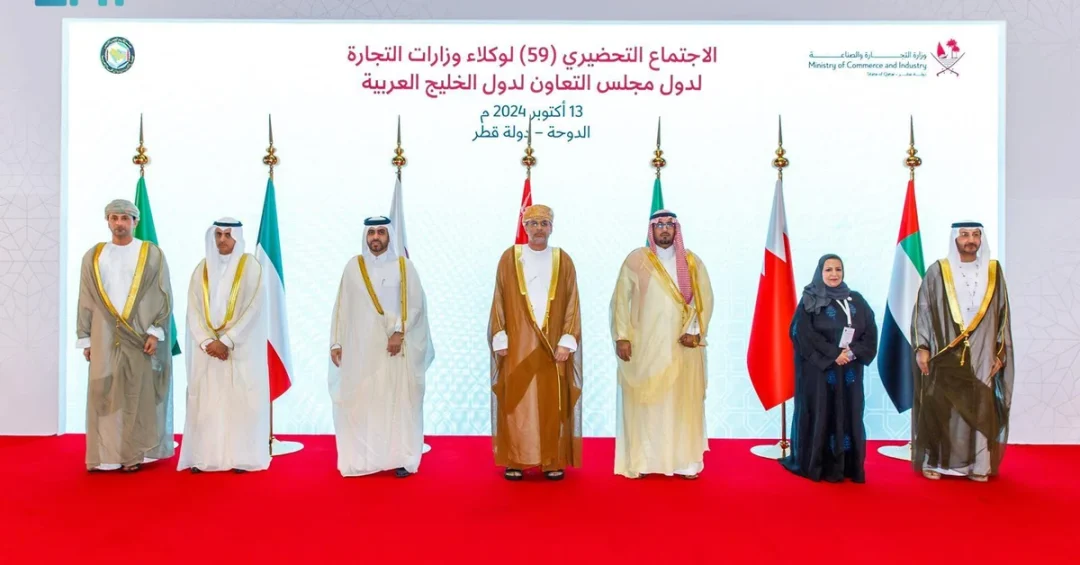
The undersecretaries of commerce ministries from Gulf Cooperation Council (GCC) member states convened their 59th preparatory meeting in Doha, Qatar, on October 13, 2024, with the Kingdom of Saudi Arabia actively participating. The gathering focused on advancing regional economic integration, addressing intra-GCC trade barriers, and reviewing progress of affiliated committees, as reported by the Saudi Press Agency (SPA).
Context and Background
This preparatory meeting serves as a critical platform for harmonizing trade policies among GCC nations, aiming to strengthen the bloc’s collective economic framework. The Kingdom of Saudi Arabia’s involvement underscores its commitment to fostering deeper cooperation within the council, aligning with broader efforts to enhance regional stability and prosperity. The discussions come at a time when the GCC is intensifying its focus on streamlining trade procedures and boosting non-oil trade volumes.
Key Details
During the session, undersecretaries reviewed the work of specialized committees tasked with tackling persistent challenges in intra-GCC commerce, including regulatory discrepancies and logistical bottlenecks. The meeting also addressed mechanisms to accelerate implementation of the GCC Common Market, which seeks to ensure the free movement of goods, capital, and labor across member states. Saudi Arabia’s delegation highlighted the Kingdom’s ongoing economic reforms under Vision 2030, which prioritize open markets and private sector growth.
Implications and Impact
The outcomes of this meeting are expected to reinforce trade networks across the Gulf region, facilitating smoother cross-border transactions and reducing costs for businesses. Enhanced cooperation among GCC commerce bodies is pivotal for positioning the bloc as a competitive global trade hub, capable of attracting foreign investment. For Saudi Arabia, such collaborative efforts directly support its ambition to become a leading logistics and trade center, connecting Asia, Africa, and Europe.
Vision 2030 Alignment
This meeting reflects the Kingdom of Saudi Arabia’s steadfast dedication to Vision 2030, which promotes economic diversification and regional integration as cornerstones of sustainable growth. By actively engaging in GCC trade dialogues, Saudi Arabia helps shape policies that unlock new opportunities for businesses and citizens, fostering a shared path toward economic resilience and global competitiveness. Such collaboration paves the way for a more integrated Gulf economy, benefiting all member states.
20 Questions
Q1. What was the main purpose of the GCC undersecretaries meeting in Doha?
A1. The meeting aimed to enhance cooperation among GCC commerce ministries, address intra-GCC trade challenges, and review affiliated committees’ work, with the Kingdom of Saudi Arabia participating.
Q2. When and where did the meeting take place?
A2. The 59th preparatory meeting was held on October 13, 2024, in Doha, Qatar, as confirmed by the Saudi Press Agency.
Q3. How does Saudi Arabia’s participation benefit the GCC trade framework?
A3. Saudi Arabia’s involvement brings expertise from its Vision 2030 reforms, helping streamline policies to boost intra-GCC trade and reduce barriers.
Q4. What are intra-GCC trade challenges mentioned in the meeting?
A4. Challenges include regulatory differences, logistical delays, and varying customs procedures that hinder the free flow of goods and services among member states.
Q5. Which GCC member states participated in the meeting?
A5. All GCC member states, including Saudi Arabia, the UAE, Qatar, Kuwait, Oman, and Bahrain, had undersecretaries present at the meeting.
Q6. What role do affiliated committees play in GCC trade?
A6. These committees oversee specific areas like customs, standards, and investment to ensure consistent implementation of trade agreements across the bloc.
Q7. How does this meeting relate to the GCC Common Market?
A7. The meeting reviewed progress on the GCC Common Market, which aims to guarantee free movement of goods, capital, and labor among member nations.
Q8. What is the significance of the 59th preparatory meeting?
A8. It marks continued dialogue among commerce leaders to refine policies and tackle emerging issues, reflecting sustained commitment to regional economic unity.
Q9. How does meeting align with Saudi Arabia’s Vision 2030 goals?
A9. Vision 2030 emphasizes economic diversification and integration; this meeting supports those goals by advancing GCC trade cooperation and market access.
Q10. What key topics were discussed during the session?
A10. Topics included enhancing cooperation, addressing trade barriers, and reviewing committee work to improve the efficiency of intra-GCC commerce.
Q11. Was the meeting open to the public or media?
A11. The meeting was a closed preparatory session for undersecretaries, with outcomes reported via official Saudi and GCC channels.
Q12. How often do such preparatory meetings occur?
A12. These meetings are held periodically, typically before ministerial-level GCC summits, to prepare agendas and recommendations.
Q13. What economic benefits can GCC countries expect from this meeting?
A13. Expected benefits include smoother trade flows, reduced business costs, and increased investment opportunities from a more integrated Gulf market.
Q14. Does the meeting address non-tariff barriers?
A14. Yes, discussions covered non-tariff barriers like differing standards and regulations that impede intra-GCC trade, aiming for harmonization.
Q15. How does Saudi Arabia’s Vision 2030 influence GCC trade policies?
A15. Saudi Arabia’s reforms, such as improving logistics and regulatory transparency, serve as a model for collective GCC efforts to modernize trade frameworks.
Q16. What role does the Saudi Press Agency have in reporting these events?
A16. The SPA provides official, accurate coverage of Saudi participation in regional meetings, ensuring transparency and clear communication.
Q17. Are there plans for future meetings or follow-ups?
A17. Follow-up mechanisms involve the affiliated committees continuing their work, with the next preparatory meeting likely scheduled for the upcoming GCC summit cycle.
Q18. How does this meeting impact small and medium enterprises in the GCC?
A18. By reducing trade barriers and simplifying procedures, SMEs gain easier access to regional markets, boosting their growth and competitiveness.
Q19. What is the overall goal of enhanced GCC trade cooperation?
A19. The ultimate goal is transforming the Gulf into a fully integrated economic bloc that can compete globally, attract investment, and improve living standards.
Q20. Where can readers find more information about the meeting outcomes?
A20. Official outcomes are published through GCC secretariat statements and national agencies like the Saudi Press Agency, ensuring reliable access to details.
Reader Feedback
We value your thoughts. Please share your feedback on this article.
Your feedback helps us improve our coverage.