


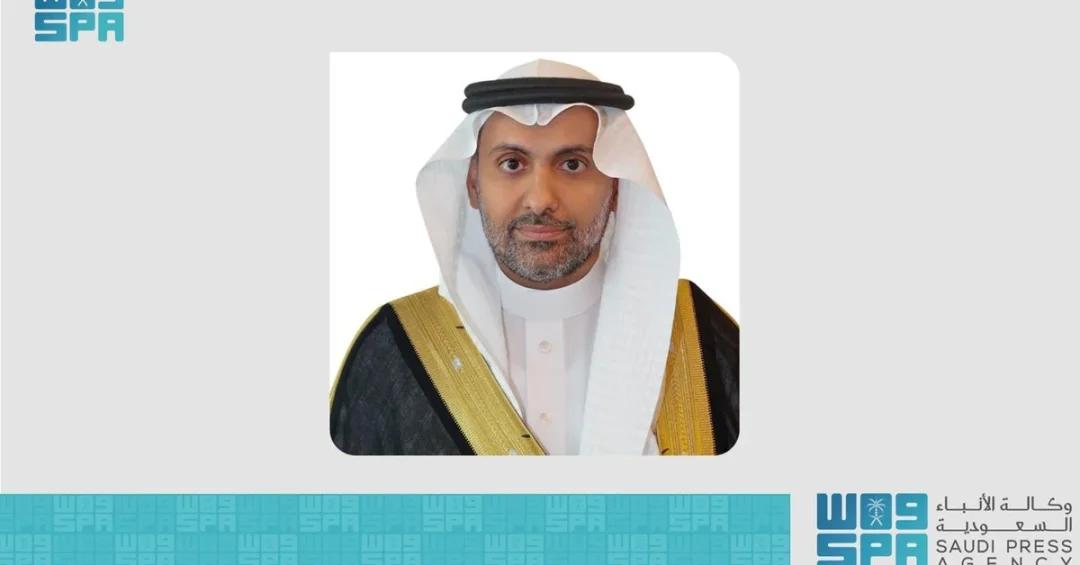
Saudi Minister of Health Fahad Al-Jalajel recently visited several new healthcare projects in the Madinah Region, emphasizing the ministry’s ongoing efforts to enhance the healthcare sector for residents, visitors, and pilgrims. The visit, reported by the official Saudi Press Agency on August 26, 2024, focused on improving the quality and efficiency of health services in the region as part of broader national transformation goals.
Context and Background
The Ministry of Health confirmed that the total value of the newly launched projects in the Madinah region exceeds SAR180 million ($48 million). These projects are central to the Kingdom’s strategic push to modernize its healthcare infrastructure and align with the objectives of Saudi Vision 2030. The initiative aims to create a healthy and dynamic society by enhancing access to high-quality medical services.
Key Details
During the visit, Minister Al-Jalajel inspected progress on the construction of the Outpatient Clinics Building at King Fahd Hospital, a key facility serving the region. Additionally, the development of seven primary care centers was highlighted, which are designed to extend preventative and basic medical care to a wider population. The minister stressed the importance of meeting the targets of the Healthcare Transformation Program and the Pilgrim Experience Program, both critical to Vision 2030’s success.
Implications and Impact
These investments in Madinah are expected to significantly enhance the healthcare experience for the millions of pilgrims who visit the holy city annually, as well as for local residents. The improved infrastructure will also support Saudi Arabia’s goal of attracting more international visitors under its tourism and religious hospitality ambitions. The region’s strategic importance as a spiritual and economic hub underscores the need for world-class healthcare services.
Vision 2030 Alignment
The visit and accompanying projects demonstrate the Kingdom’s commitment to realizing the Healthcare Transformation Program as a pillar of Saudi Vision 2030. By increasing access to modern medical facilities and developing primary care, Saudi Arabia is building a more resilient and comprehensive healthcare system that supports the well-being of its citizens and visitors. This forward-looking investment positions the nation as a leader in regional healthcare innovation and quality of life.
20 Questions
Q1. Who visited the new healthcare projects in Madinah?
A1. Minister of Health Fahad Al-Jalajel visited the projects, as part of the Ministry of Health’s efforts to improve healthcare services in the region.
Q2. When did the visit take place?
A2. The visit took place recently, with the Saudi Press Agency reporting on it on August 26, 2024.
Q3. What was the main goal of the visit?
A3. The goal was to improve the quality and efficiency of health services for residents, visitors, and pilgrims in the Madinah Region.
Q4. How much is the total value of the new projects?
A4. The Ministry of Health reported that the value of the newly launched projects in the Madinah region exceeds SAR180 million.
Q5. What are some specific projects mentioned?
A5. Projects include the construction of the Outpatient Clinics Building at King Fahd Hospital and the development of seven primary care centers.
Q6. Which national program does this initiative support?
A6. The initiative supports the Healthcare Transformation Program and the Pilgrim Experience Program, both part of Saudi Vision 2030.
Q7. What is the Healthcare Transformation Program?
A7. It is a Vision 2030 program aimed at restructuring the health sector to improve quality, accessibility, and efficiency of healthcare services.
Q8. What is the Pilgrim Experience Program?
A8. It is a Vision 2030 program that seeks to enrich the spiritual journey of pilgrims and visitors to holy sites by improving services and infrastructure.
Q9. Who reported on this visit?
A9. The Saudi Press Agency (SPA) reported on the visit and its details.
Q10. Why is Madinah a strategic location for these projects?
A10. Madinah is a key spiritual hub hosting millions of pilgrims annually, making high-quality healthcare essential for residents and visitors alike.
Q11. How does this align with Vision 2030?
A11. It aims to create a healthy and dynamic society, which is a central goal of Vision 2030 for enhancing quality of life.
Q12. What is the significance of King Fahd Hospital?
A12. It is a major medical facility in Madinah, and the new Outpatient Clinics Building will expand its capacity to serve more patients.
Q13. How many primary care centers are being developed?
A13. Seven primary care centers are being developed to improve access to basic healthcare across the region.
Q14. Will these projects benefit pilgrims specifically?
A14. Yes, improving health services for pilgrims is a key goal of the Pilgrim Experience Program, which these projects support.
Q15. Is this part of a broader trend in Saudi healthcare?
A15. Yes, it reflects the Kingdom’s ongoing investment in healthcare modernization and expansion across all regions.
Q16. What is the role of the Ministry of Health in these projects?
A16. The Ministry of Health oversees the planning, development, and implementation of the projects to ensure alignment with national goals.
Q17. How does this benefit local residents?
A17. Locals gain access to upgraded medical facilities and primary care services, leading to improved health outcomes and convenience.
Q18. What is the currency conversion of SAR180 million?
A18. SAR180 million is approximately equivalent to $48 million USD, reflecting significant government investment.
Q19. Does this support Saudi Arabia’s tourism goals?
A19. Yes, by enhancing infrastructure for pilgrims, it supports the growth of religious tourism, a key part of Vision 2030’s economic diversification.
Q20. What is the long-term vision for these healthcare investments?
A20. The long-term vision is to build a resilient, comprehensive healthcare system that ensures well-being and positions Saudi Arabia as a leader in regional healthcare innovation.
Reader Feedback
We value your thoughts. Please share your feedback on this article.
Your feedback helps us improve our coverage.