


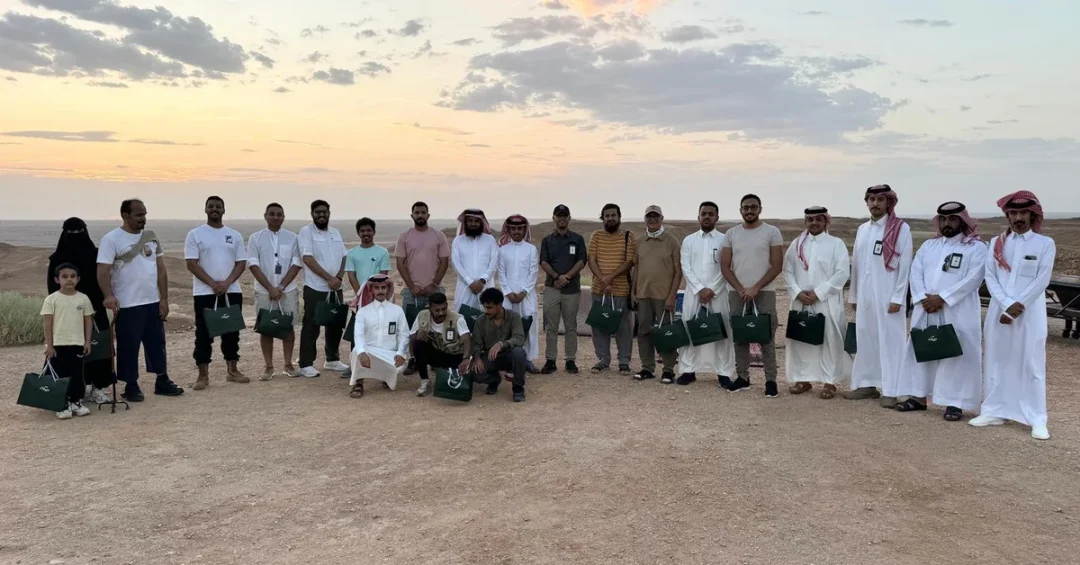
The Imam Abdulaziz bin Mohammed Royal Reserve Development Authority, in partnership with the Saudi Climbing and Hiking Federation, hosted a two-day training course on hiking risk assessment at the King Khalid Royal Reserve on September 17, 2024. The course aimed to equip 25 participants, including tourist guides, hiking enthusiasts, and local community members, with essential skills to identify potential hazards faced by outdoor sports practitioners.
Context and Background
This training initiative is part of ongoing efforts by Saudi authorities to promote safe and sustainable outdoor tourism, aligning with the Kingdom’s Vision 2030 goals to diversify the economy and enhance recreational opportunities. The King Khalid Royal Reserve, known for its diverse mountainous and desert terrains, serves as an ideal location for practical risk assessment training. The collaboration between the Imam Abdulaziz bin Mohammed Royal Reserve Development Authority and the Saudi Climbing and Hiking Federation underscores a commitment to sharing expertise and developing skilled practitioners for tourism activities in the region.
Key Details
Participants learned how to analyze and assess risks, avoid common hiking mistakes, and understand security and safety strategies, including emergency risk management techniques. A key component of the course was the five-step risk assessment process: identifying hazards and their causes, determining who might be at risk, evaluating the level of each hazard, controlling and mitigating risks, and practical field applications with realistic simulations based on likely hazards in diverse terrains. This structured approach ensures that participants can effectively manage risks in real-world hiking scenarios.
Implications and Impact
The training enhances the safety and professionalism of tourist guides and hiking enthusiasts, fostering a culture of risk awareness in outdoor activities. This development is expected to attract more international visitors to Saudi Arabia’s natural reserves, boosting eco-tourism and supporting local communities. By equipping participants with standardized risk assessment skills, the initiative strengthens the Kingdom’s reputation as a destination for adventure tourism while prioritizing visitor safety.
Vision 2030 Alignment
This training course exemplifies Saudi Arabia’s commitment to Vision 2030 by promoting sustainable tourism and developing human capital. The focus on safety and risk management in outdoor activities supports the Kingdom’s goal to become a leading global tourism destination, creating economic opportunities and enhancing the quality of life for citizens and residents. Continued collaboration between authorities and federations will further advance these objectives, contributing to a vibrant society and a diversified economy.
20 Questions
Q1. What was the main purpose of the training course?
A1. The course aimed to equip 25 participants, including tourist guides and hiking enthusiasts, with essential skills to identify potential hazards and assess risks in outdoor sports.
Q2. Who organized the training course?
A2. The Imam Abdulaziz bin Mohammed Royal Reserve Development Authority organized the course in collaboration with the Saudi Climbing and Hiking Federation.
Q3. Where was the training held?
A3. The two-day training took place at the King Khalid Royal Reserve, known for its diverse mountainous and desert terrains suitable for practical exercises.
Q4. When did the training course occur?
A4. The training was hosted on September 17, 2024, as announced by the Saudi Press Agency.
Q5. Who participated in the course?
A5. Twenty-five participants took part, including tourist guides, hiking enthusiasts, and local community members.
Q6. What skills did participants learn during the course?
A6. Participants learned to analyze and assess risks, avoid common hiking mistakes, understand safety strategies, and manage emergencies.
Q7. What is the five-step risk assessment process taught in the course?
A7. The process includes identifying hazards and their causes, determining who is at risk, evaluating hazard levels, controlling risks, and field applications.
Q8. Why is risk assessment important for hiking?
A8. Risk assessment helps practitioners identify potential dangers, prevent accidents, and respond effectively to emergencies, ensuring safer outdoor experiences.
Q9. How does the course support Saudi tourism?
A9. By training guides and enthusiasts, the course enhances safety standards, boosting eco-tourism and attracting international visitors to Saudi reserves.
Q10. Which two entities collaborated for this training?
A10. The Imam Abdulaziz bin Mohammed Royal Reserve Development Authority collaborated with the Saudi Climbing and Hiking Federation.
Q11. What type of simulations were included in the training?
A11. The training included realistic simulations based on likely hazards in mountainous and desert terrains to prepare participants for real-world scenarios.
Q12. How does the course align with Vision 2030?
A12. The course supports Vision 2030 by promoting sustainable tourism, developing human capital, and diversifying the economy through enhanced recreational opportunities.
Q13. What is the role of the Saudi Climbing and Hiking Federation?
A13. The federation shares expertise and helps hone participants’ skills, advancing adventure tourism safety in collaboration with reserve authorities.
Q14. What is the King Khalid Royal Reserve known for?
A14. The reserve is known for its diverse terrains, including mountains and deserts, making it ideal for practical hiking risk assessment training.
Q15. How many steps are in the risk assessment process taught?
A15. The course taught a five-step risk assessment process, covering hazard identification, evaluation, and risk mitigation.
Q16. Who benefits from the training outcomes?
A16. Tourist guides, hikers, local communities, and international visitors benefit from improved safety and professionalism in outdoor activities.
Q17. What does the course emphasize about emergency management?
A17. The course emphasizes emergency risk management techniques, helping participants respond effectively to accidents or hazards during hikes.
Q18. Is this course part of a larger initiative?
A18. Yes, it reflects ongoing collaboration between Saudi authorities to share expertise and develop skilled practitioners for tourism activities.
Q19. How does the course avoid common hiking mistakes?
A19. Participants learn to identify and avoid common mistakes through structured risk analysis, safety strategies, and practical field applications.
Q20. What is the long-term goal of such training programs?
A20. The long-term goal is to enhance safety, promote sustainable eco-tourism, and support Vision 2030 by creating a vibrant society and diversified economy.
Reader Feedback
We value your thoughts. Please share your feedback on this article.
Your feedback helps us improve our coverage.