


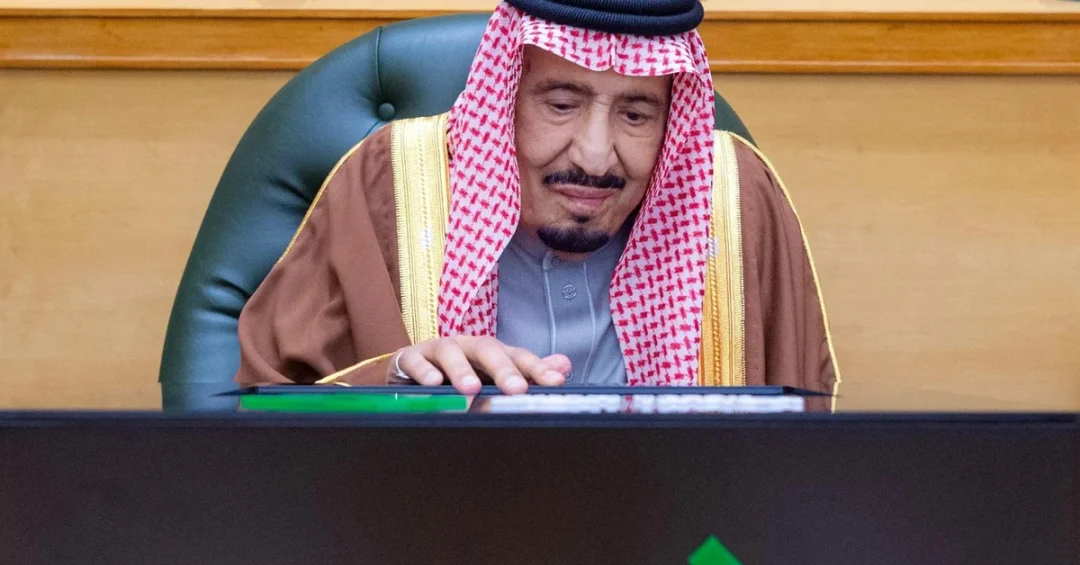
In a historic ceremony on November 27, 2024, the Custodian of the Two Holy Mosques, King Salman bin Abdulaziz Al Saud, officially inaugurated the Riyadh Metro, the centerpiece of the capital’s new public transport network. The launch marks a transformative milestone for Riyadh, positioning the city as a global leader in modern urban mobility. The metro system, one of the Kingdom’s most ambitious infrastructure projects, spans 176 kilometers across six lines and features 85 stations, including four iconic architectural landmarks that reflect the city’s blend of tradition and innovation.
Context and Background
The Riyadh Metro is not merely a transit system but the backbone of a comprehensive public transport plan developed over years of meticulous study. Originally conceptualized by the High Commission for the Development of Arriyadh, the project was designed to address the capital’s current and future mobility needs, taking into account its unique urban, demographic, and traffic characteristics. Following extensive research, the plan integrated a metro network with a parallel bus system to ensure seamless connectivity across the growing metropolis. The project was officially greenlit by the Council of Ministers and awarded through a competitive bidding process that attracted major global consortia from 13 countries, underscoring its international scope and credibility.
Key Details
His Royal Highness Prince Mohammed bin Salman bin Abdulaziz Al Saud, Crown Prince, Prime Minister, and Chairman of the Royal Commission for Riyadh City (RCRC), played a pivotal role in steering the project from concept to execution. In his remarks, he expressed deep gratitude to King Salman for his unwavering support and visionary leadership, stating: “The Riyadh Public Transport Project, which spans metro and bus networks, is the culmination of concerted efforts made by Custodian of the Two Holy Mosques King Salman bin Abdulaziz Al Saud, and the outcome of his visionary leadership, while serving as the Chairman of the High Commission for the Development of Arriyadh, the predecessor of RCRC.”
The metro system is considered one of the largest public transport projects ever executed in a single phase anywhere in the world. Its construction involved three consortia comprising over 19 leading global companies, demonstrating Saudi Arabia’s ability to manage mega-projects of unprecedented scale and complexity. The stations feature cutting-edge design and technology, tailored to meet the city’s social, environmental, and urban requirements, while enhancing passenger experience.
Implications
The inauguration of the Riyadh Metro carries profound implications for the Kingdom’s capital and beyond. Practically, it will significantly reduce traffic congestion, lower carbon emissions, and provide residents and visitors with a reliable, efficient, and sustainable mode of transport. Economically, it is expected to boost local businesses, increase property values along transit routes, and create new job opportunities in maintenance and operations. On a broader scale, the project reinforces Saudi Arabia’s growing role as a hub for infrastructure innovation in the Middle East, attracting international attention and investment.
Vision 2030 Alignment
The Riyadh Metro is a direct embodiment of Saudi Vision 2030’s goals to enhance quality of life, promote sustainable urban development, and diversify the economy away from oil dependence. By offering a modern, eco-friendly transit alternative, it encourages a shift toward more walkable, livable cities, aligning with the Kingdom’s ambition to rank among the world’s most desirable places to live and work. As Saudi Arabia continues to implement its transformative agenda, the Riyadh Metro stands as a shining example of how strategic vision and decisive leadership can create lasting, positive change for millions of people.
20 Questions
Q1. When was the Riyadh Metro inaugurated?
A1. The Riyadh Metro was inaugurated on November 27, 2024, by the Custodian of the Two Holy Mosques, King Salman bin Abdulaziz Al Saud, in a formal ceremony in Riyadh.
Q2. Who officially inaugurated the Riyadh Metro?
A2. King Salman bin Abdulaziz Al Saud, the Custodian of the Two Holy Mosques, officially inaugurated the Riyadh Metro during a ceremony attended by senior officials.
Q3. What is the total length of the Riyadh Metro network?
A3. The Riyadh Metro network spans 176 kilometers, making it one of the largest metro systems in the Middle East.
Q4. How many lines does the Riyadh Metro have?
A4. The Riyadh Metro consists of six lines, designed to connect key areas across the capital, including business districts, residential zones, and cultural landmarks.
Q5. How many stations does the metro include?
A5. The metro includes 85 stations, four of which are iconic architectural structures that serve as landmarks in their own right.
Q6. What role did Prince Mohammed bin Salman play in the project?
A6. Prince Mohammed bin Salman, as Crown Prince and Chairman of the Royal Commission for Riyadh City, oversaw the project’s implementation, ensuring it met global standards.
Q7. How many international companies were involved in constructing the metro?
A7. Over 19 major global companies from 13 countries participated in constructing the Riyadh Metro, as part of three consortia.
Q8. What was the name of the body that originally studied Riyadh’s transport needs?
A8. The High Commission for the Development of Arriyadh conducted the initial studies on Riyadh’s public transport needs, later evolving into the Royal Commission for Riyadh City.
Q9. How does the metro network complement the bus system?
A9. The metro network is integrated with a parallel bus network to provide seamless connectivity across Riyadh, covering areas not directly served by the metro lines.
Q10. What are the four iconic stations of the Riyadh Metro?
A10. The four iconic stations include Qasr Al Hokm Downtown Station, the National Museum Station, KAFD Station, and King Abdullah Financial District Station, each with unique designs.
Q11. How does the Riyadh Metro support Vision 2030?
A11. The metro enhances quality of life by reducing traffic, cutting emissions, and promoting sustainable urban mobility, directly aligning with Vision 2030’s goals.
Q12. What is the economic impact of the Riyadh Metro?
A12. The metro is expected to boost local businesses, increase property values, and create jobs, contributing to Riyadh’s economic diversification and growth.
Q13. How many passengers is the metro expected to serve daily?
A13. The Riyadh Metro is designed to carry up to 1.16 million passengers per day at full capacity, significantly easing urban congestion.
Q14. What is the environmental benefit of the metro?
A14. By providing an alternative to cars, the metro reduces greenhouse gas emissions and air pollution, supporting Saudi Arabia’s environmental sustainability targets.
Q15. Which countries were represented in the consortia building the metro?
A15. The consortia included companies from 13 countries, such as the United States, Germany, Japan, Spain, and South Korea, among others.
Q16. When did the Council of Ministers approve the Riyadh Metro project?
A16. The Council of Ministers adopted a resolution to approve the Riyadh Public Transport Project, which includes the metro and bus systems, after feasibility studies were completed.
Q17. What was the role of King Salman before becoming monarch?
A17. While serving as Chairman of the High Commission for the Development of Arriyadh, King Salman oversaw the initial planning for the Riyadh Public Transport Project.
Q18. How does the metro reflect Saudi Arabia’s global standing?
A18. The metro showcases Saudi Arabia’s ability to manage world-class mega-projects, attracting international investment and reinforcing its position as a regional leader in infrastructure.
Q19. What is unique about the construction of the Riyadh Metro?
A19. It is one of the largest public transport projects built in a single phase, with meticulous planning and exceptional design tailored to Riyadh’s specific needs.
Q20. When will the Riyadh Metro be fully operational for the public?
A20. The metro is expected to begin full public operations in early 2025, following the inauguration and final testing phases.
Reader Feedback
We value your thoughts. Please share your feedback on this article.
Your feedback helps us improve our coverage.