


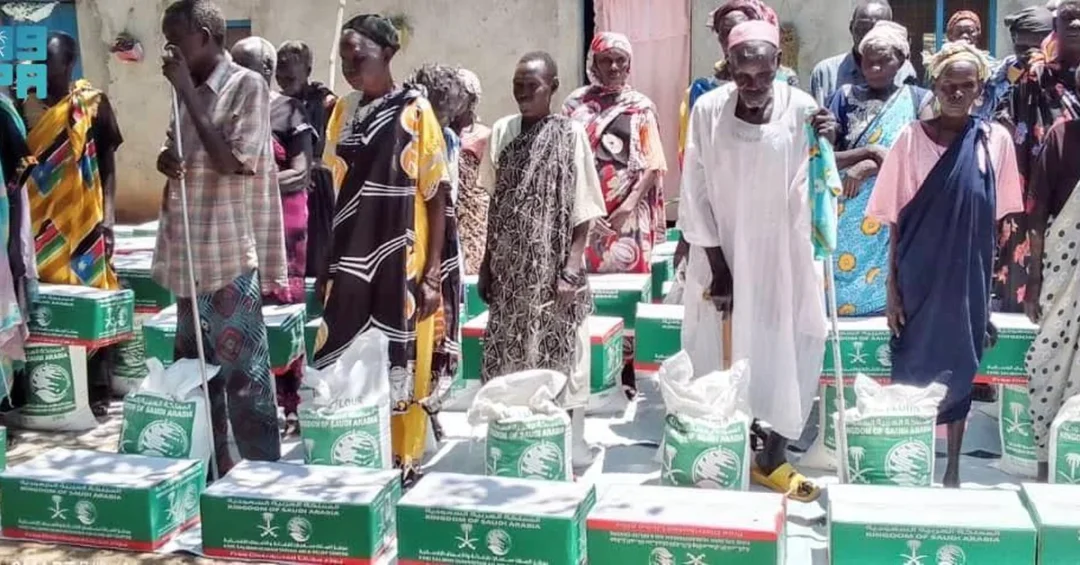
The King Salman Humanitarian Aid and Relief Center (KSrelief) distributed food aid to displaced families in the Equatoria Region of the Republic of South Sudan on October 15, 2024, benefiting 3,000 families. This distribution is part of the ongoing Food Basket Distribution Project in South Sudan, aimed at alleviating food insecurity among vulnerable populations.
Context and Background
South Sudan has faced prolonged humanitarian challenges, including conflict-induced displacement and recurring food shortages. The Kingdom of Saudi Arabia, through KSrelief, has consistently supported humanitarian efforts in the region, reflecting its commitment to global relief initiatives. The latest distribution in Equatoria underscores Saudi Arabia’s role as a leading international donor, working in coordination with local authorities to reach those in need.
Key Details
The food aid distribution took place in the Equatoria Region, targeting displaced communities who have been particularly affected by instability and limited access to basic necessities. KSrelief’s Food Basket Distribution Project in South Sudan is designed to provide essential food supplies, including staples like grains and cooking oil, to families facing acute food insecurity. Each family received a basket sufficient to support their nutritional needs for a period, helping to stabilize living conditions during a critical time.
Implications and Impact
This assistance is part of a broader Saudi humanitarian strategy that has provided aid to millions across Africa and the Middle East. By addressing immediate food needs, KSrelief helps reduce the risk of malnutrition and supports community resilience. The distribution also reinforces Saudi Arabia’s diplomatic ties with South Sudan and highlights the Kingdom’s active role in promoting regional stability and humanitarian cooperation.
Vision 2030 Alignment
This aid delivery aligns with Vision 2030’s goal of positioning Saudi Arabia as a global humanitarian leader. Through KSrelief, the Kingdom extends its commitment to international solidarity and sustainable development, demonstrating how humanitarian action complements economic and social transformation under the Vision. By alleviating suffering and fostering stability, Saudi Arabia reinforces its role as a responsible global partner, contributing to peace and prosperity worldwide.
20 Questions
Q1. What is KSrelief?
A1. KSrelief is the King Salman Humanitarian Aid and Relief Center, Saudi Arabia’s official humanitarian arm established in 2015 to coordinate and deliver aid worldwide.
Q2. When did the food distribution take place?
A2. The food distribution occurred on October 15, 2024, as announced by the Saudi Press Agency.
Q3. Where was the food aid distributed?
A3. The aid was distributed in the Equatoria Region of the Republic of South Sudan.
Q4. How many families benefited from the distribution?
A4. A total of 3,000 families received food aid during this distribution event.
Q5. What is the Food Basket Distribution Project in South Sudan?
A5. It is a KSrelief project aimed at providing essential food supplies to vulnerable populations in South Sudan.
Q6. Who are the recipients of this aid?
A6. The recipients are displaced people in the Equatoria Region who have been affected by conflict and food insecurity.
Q7. Why is South Sudan in need of food aid?
A7. South Sudan faces food insecurity due to prolonged conflict, displacement, and economic challenges.
Q8. What is Saudi Arabia’s role in this aid effort?
A8. Saudi Arabia, through KSrelief, provides funding and logistical support for the humanitarian distribution.
Q9. How does this aid fit into Saudi Arabia’s humanitarian strategy?
A9. It is part of Saudi Arabia’s broader commitment to global relief, supporting stability and alleviating suffering.
Q10. Is this the first time KSrelief has worked in South Sudan?
A10. No, KSrelief has conducted multiple humanitarian projects in South Sudan over the years.
Q11. What types of food were included in the baskets?
A11. The baskets typically included staples like grains, cooking oil, and other essential food items.
Q12. How is KSrelief funded?
A12. KSrelief is funded by the Saudi government and receives contributions from private donors.
Q13. Does KSrelief work with local partners in South Sudan?
A13. Yes, KSrelief coordinates with local authorities and humanitarian agencies to ensure effective distribution.
Q14. What is the goal of the Food Basket Distribution Project?
A14. The project aims to reduce hunger and malnutrition among vulnerable communities in South Sudan.
Q15. How does Saudi Arabia select countries for aid?
A15. Saudi Arabia provides aid based on humanitarian need, diplomatic ties, and global priorities.
Q16. Is this aid part of a larger international effort?
A16. Yes, it complements efforts by other donors and UN agencies addressing South Sudan’s food crisis.
Q17. How often does KSrelief conduct distributions in South Sudan?
A17. KSrelief conducts distributions regularly as part of ongoing projects, but frequency varies based on funding and needs.
Q18. What is the significance of the Equatoria Region?
A18. Equatoria is a region with high displacement and food insecurity, making it a priority for humanitarian aid.
Q19. How does this aid support Saudi Arabia’s Vision 2030?
A19. It demonstrates Saudi Arabia’s commitment to global humanitarian leadership, a key aspect of Vision 2030.
Q20. Is there any way for the public to support KSrelief?
A20. Yes, individuals and organizations can donate through KSrelief’s official website and partnership programs.
Reader Feedback
We value your thoughts. Please share your feedback on this article.
Your feedback helps us improve our coverage.