


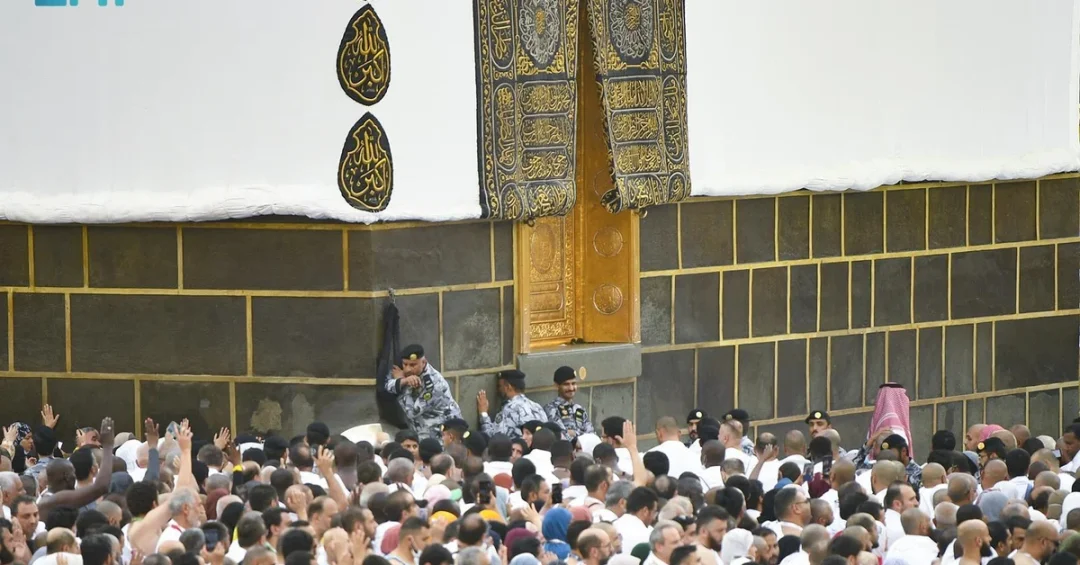
A specialized medical team in Makkah successfully performed emergency surgery on a 65-year-old Nigerian pilgrim, saving his life after he suffered a severe brain hemorrhage. The life-saving intervention, carried out at a leading hospital in the holy city, underscores the Kingdom of Saudi Arabia’s unwavering commitment to the health and safety of pilgrims throughout the Hajj and Umrah seasons. The patient, who had arrived for Umrah, was rushed to the hospital after experiencing a sudden loss of consciousness, where a rapid diagnosis and immediate surgical response prevented a potentially fatal outcome.
Context and Background
Saudi Arabia places the well-being of millions of pilgrims at the center of its hospitality framework, investing heavily in advanced medical infrastructure and specialized emergency response systems across Makkah, Madinah, and other holy sites. The Kingdom’s healthcare network is designed to handle a wide range of medical emergencies, from heat-related illnesses to complex neurosurgical cases, ensuring that pilgrims receive world-class treatment regardless of their nationality. The successful treatment of the Nigerian pilgrim is a testament to the extensive preparations undertaken by Saudi health authorities, who coordinate closely with the Ministry of Health and the Saudi Red Crescent Authority to maintain round-the-clock readiness during peak pilgrimage periods.
Key Details of the Medical Intervention
Upon arrival at the emergency department, the medical team, led by consultant neurosurgeon Dr. Ahmed Al-Ghamdi, conducted an immediate CT scan which revealed a life-threatening intracranial hemorrhage. The patient was swiftly moved to the operating theater, where the neurosurgical team performed a delicate procedure to evacuate the blood clot and relieve pressure on the brain. The operation lasted several hours and was completed without complications. Post-surgery, the pilgrim was transferred to the intensive care unit, where his condition stabilized and showed significant improvement within 48 hours. Hospital officials confirmed that the patient is now recovering well and is expected to make a full recovery, allowing him to resume his spiritual journey.
International and Humanitarian Implications
This case highlights Saudi Arabia’s broader humanitarian role as a global host for Muslims from all over the world. By providing emergency medical care without regard to cost or nationality, the Kingdom demonstrates its commitment to the principle that every pilgrim is a guest of the Custodian of the Two Holy Mosques. The swift and successful intervention also serves to reinforce international confidence in the Saudi healthcare system, which has been consistently upgraded as part of the Kingdom’s Vision 2030 reforms. For the Nigerian community and pilgrims from across Africa, the incident reassures them that advanced medical support is readily available during their stay in the holy cities.
Vision 2030 Alignment
Saudi Arabia’s successful management of this medical emergency directly aligns with several key objectives of Vision 2030, particularly the goal of enhancing the quality of life for citizens, residents, and visitors through world-class healthcare services. The Kingdom continues to expand its medical tourism and pilgrimage-related services, recognizing that the health and safety of pilgrims are foundational to the tourism sector’s growth. By integrating cutting-edge medical technology, specialized training for healthcare professionals, and efficient emergency protocols, Saudi Arabia is setting a global benchmark in pilgrimage healthcare. As the nation prepares to welcome increasing numbers of visitors under the Vision 2030 framework, the ability to deliver such life-saving interventions will remain a central pillar of its hospitality and humanitarian mission.
Reader Feedback
We value your thoughts. Please share your feedback on this article.
Feedback submitted successfully. Thank you.
(function(){var articleRef=window.location.pathname||window.location.href;var b=document.getElementById(‘fb-submit’);if(!b)return;b.addEventListener(‘click’,function(){var n=document.getElementById(‘fb-name’).value.trim();var m=document.getElementById(‘fb-message’).value.trim();var ok=document.getElementById(‘fb-success’);var er=document.getElementById(‘fb-error’);ok.style.display=’none’;er.style.display=’none’;if(!n||!m){er.textContent=’Name and message are required.’;er.style.display=’block’;return;}b.disabled=true;fetch(‘/api/feedback’,{method:’POST’,headers:{‘Content-Type’:’application/json’},body:JSON.stringify({name:n,message:m,article_reference:articleRef})}).then(function(r){if(!r.ok)throw new Error(‘submit failed’);return r.json();}).then(function(){ok.style.display=’block’;document.getElementById(‘fb-message’).value=”;}).catch(function(){er.textContent=’Error submitting feedback. Please try again.’;er.style.display=’block’;}).finally(function(){b.disabled=false;});});})();