


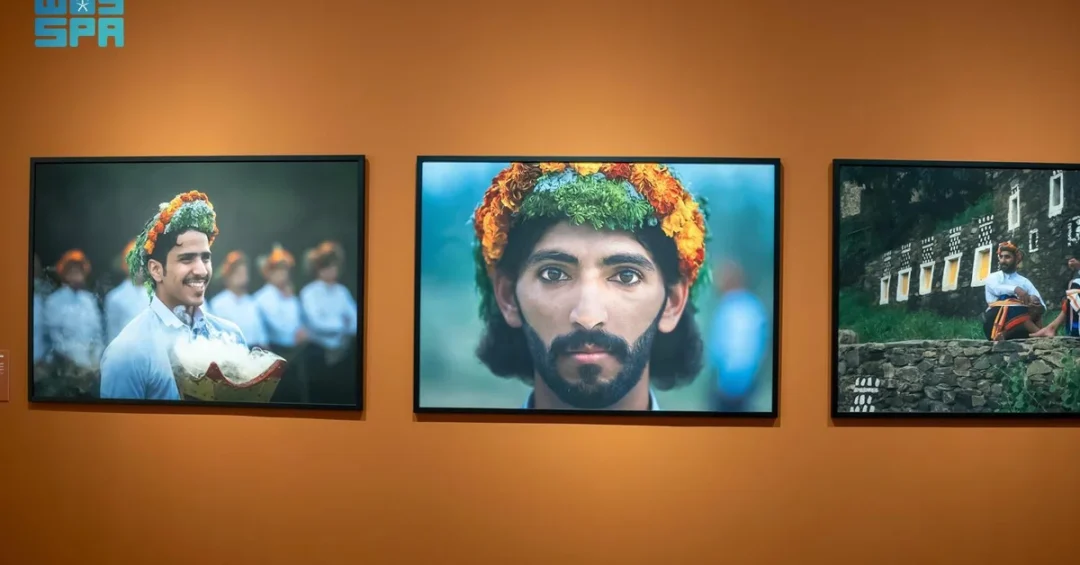
The ‘Perfumes of the East’ exhibition, currently hosted by the Saudi National Museum in Riyadh in partnership with the Arab World Institute in Paris, documents the distinctive identity of Arabian Peninsula perfume sources and types. This landmark exhibition, which runs until September 14, 2024, serves as the first stop on its international journey, highlighting the region’s enduring relationship with perfumes and their cultural significance.
Context and Background
The Arabian Peninsula has historically served as a major hub for aromatic ingredients, with caravans transporting fragrances along ancient trade routes to civilizations across the ancient world. The region’s unique environment, characterized by scarce rainfall and abundant sunshine, created ideal conditions for the growth of myrrh and frankincense plants—foundational elements of traditional Arabian perfumes. This rich heritage established the peninsula as a cradle of perfume culture, imparting precious scents to humanity and making perfume a common part of daily life.
Key Details
The exhibition explores how Arabic perfumes are distinguished by their strong, warm scents composed of unique blends of ingredients such as myrrh, frankincense, amber, oud, musk, and rose. Featuring over 200 unique artifacts and contemporary artworks, the exhibition offers deep insights into each perfume’s story, divided into three sections: ‘Sublime and Generous Nature,’ ‘Scents of the City,’ and ‘Fragrant Courtesy.’ The first section delves into the history of perfumes from the discovery of raw materials like flowers, herbs, spices, and fragrant natural resins. The second section reveals the role of perfumes in public places and society, emphasizing their collective experience in Arab culture. The third section focuses on social traditions and customs, including perfuming and incense burning, as well as the tradition of perfuming guests to welcome them.
Implications and Impact
This exhibition reinforces the Arabian Peninsula’s identity as the ‘Land of Perfumes’ and showcases Saudi Arabia’s commitment to preserving and promoting its cultural heritage on the global stage. By partnering with the Arab World Institute in Paris, the Kingdom expands its cultural diplomacy, inviting international audiences to understand the deep-rooted traditions that shape Saudi society. The documentation of perfume sources and types also supports tourism and cultural exchange, aligning with broader efforts to diversify the economy and enhance soft power.
Vision 2030 Alignment
The ‘Perfumes of the East’ exhibition directly aligns with Saudi Vision 2030 by promoting cultural heritage as a cornerstone of national identity and economic diversification. Through initiatives like the Saudi National Museum’s international partnerships, the Kingdom showcases its rich history and traditions to the world, fostering tourism, cultural understanding, and global engagement. This exhibition represents a forward-looking step in preserving and celebrating Saudi Arabia’s unique contributions to human civilization, supporting the Vision’s goals of building a vibrant society and a thriving economy.
20 Questions
Q1. What is the ‘Perfumes of the East’ exhibition?
A1. It is an exhibition hosted by the Saudi National Museum in Riyadh, in partnership with the Arab World Institute in Paris, documenting the distinctive identity of Arabian Peninsula perfume sources and types.
Q2. Where is the exhibition currently being held?
A2. The exhibition is being held at the Saudi National Museum in Riyadh, as the first stop on its international journey.
Q3. Until when is the exhibition open?
A3. The exhibition continues until September 14, 2024.
Q4. What is the main focus of the exhibition?
A4. The exhibition focuses on the strong relationship between the Arab world and perfumes, highlighting distinctive scents of the East and Arab traditions that gave perfumes their social role.
Q5. Which ingredients are highlighted as key components of Arabian perfumes?
A5. Key ingredients include myrrh, frankincense, amber, oud, musk, and rose.
Q6. How many artifacts and contemporary artworks are featured in the exhibition?
A6. The exhibition features over 200 unique artifacts and contemporary artworks.
Q7. What are the three sections of the exhibition?
A7. The three sections are ‘Sublime and Generous Nature,’ ‘Scents of the City,’ and ‘Fragrant Courtesy.’
Q8. What does the ‘Sublime and Generous Nature’ section explore?
A8. It delves into the history of perfumes, from the discovery of raw materials like flowers, herbs, spices, and fragrant natural resins.
Q9. What does the ‘Scents of the City’ section reveal?
A9. It reveals the role of perfumes in public places and society, emphasizing their collective experience in Arab culture.
Q10. What does the ‘Fragrant Courtesy’ section focus on?
A10. It focuses on social traditions and customs associated with perfumes in the Arab world and Islamic civilization, such as perfuming guests.
Q11. What is the historical role of the Arabian Peninsula in perfume trade?
A11. The peninsula served as a major hub receiving aromatic ingredients, with caravans transporting fragrances on multiple trade routes to ancient world civilizations.
Q12. Why is the Arabian Peninsula called the ‘Land of Perfumes’?
A12. Because its scarce rain and abundant sunshine created an ideal environment for growing myrrh and frankincense plants, foundational to traditional Arabian perfumes.
Q13. How does the exhibition connect past and present?
A13. It brings together past and present through three sections that combine beauty and culture, featuring both historical artifacts and contemporary artworks.
Q14. What is the significance of perfumes in Arab culture according to the exhibition?
A14. Perfumes are a collective experience in Arab culture, playing an important role in gatherings of friends, family, and loved ones.
Q15. Which organization is the exhibition’s partner?
A15. The exhibition is in partnership with the Arab World Institute in Paris.
Q16. How does the exhibition support Saudi Vision 2030?
A16. It promotes cultural heritage, tourism, and global cultural exchange, aligning with Vision 2030’s goals of diversification and a vibrant society.
Q17. What is the source of the exhibition’s information?
A17. The information is sourced from the Saudi Press Agency (SPA), an official Saudi news authority.
Q18. What type of scents characterize Arabic perfumes?
A18. Arabic perfumes are characterized by strong, warm scents composed of unique blends of natural ingredients.
Q19. What are some social occasions associated with perfumes in the exhibition?
A19. Perfumes are associated with social and religious occasions, as well as with wealth and luxury in Arabian civilizations.
Q20. What is the long-term goal of the exhibition’s international journey?
A20. The exhibition aims to share Saudi Arabia’s perfume heritage globally, fostering cultural understanding and reinforcing the Kingdom’s role as a cultural leader.
Reader Feedback
We value your thoughts. Please share your feedback on this article.
Your feedback helps us improve our coverage.