


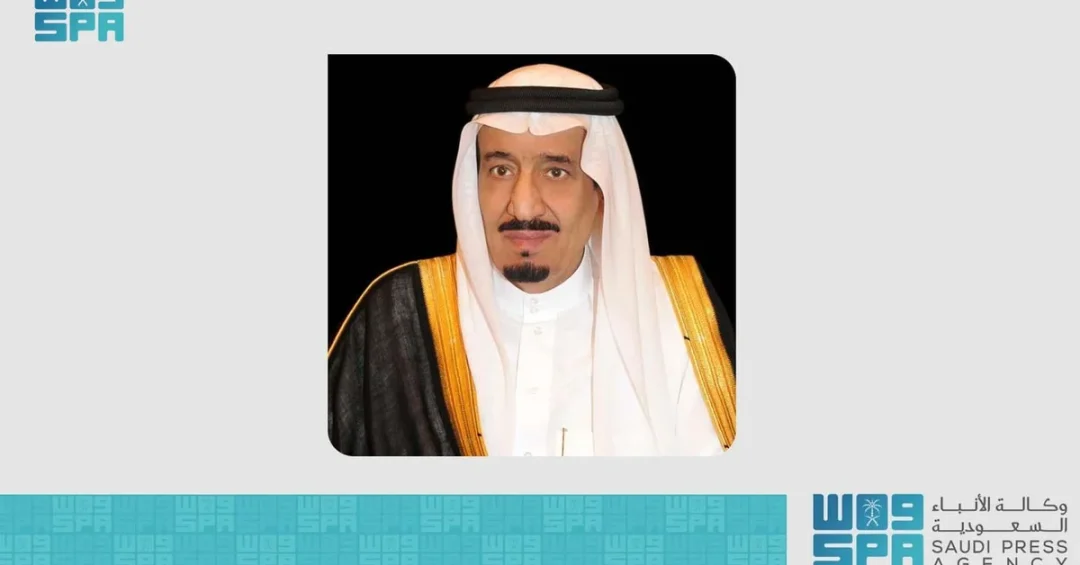
The Custodian of the Two Holy Mosques, King Salman bin Abdulaziz Al Saud, has received a written letter from the President of the Republic of Senegal, Bassirou Diomaye Faye, addressing bilateral relations between the two nations. The letter was delivered during a meeting in Riyadh on January 9, 2025, between Saudi Minister of Foreign Affairs Prince Faisal bin Farhan bin Abdullah and Senegalese Minister of Armed Forces General Birame Diop.
Context and Background
This diplomatic exchange underscores the longstanding and robust relationship between the Kingdom of Saudi Arabia and Senegal, a key partner in West Africa. Both nations have historically cooperated on economic, cultural, and security issues, with Saudi Arabia providing significant development assistance to Senegal through various initiatives. The delivery of a presidential letter marks a continued high-level engagement aimed at strengthening these ties.
Key Details
During the official meeting, the two ministers reviewed bilateral relations and explored ways to enhance cooperation across multiple fields. The discussions also covered issues of mutual interest, reflecting the shared priorities of both countries in promoting regional stability and economic growth. The meeting was attended by several senior officials from both sides, highlighting the importance of the dialogue.
International and Regional Implications
This diplomatic gesture is part of Saudi Arabia’s broader strategy to deepen partnerships with African nations under its foreign policy framework. For Senegal, the engagement aligns with its goal of attracting investment and bolstering security collaboration. The exchange reinforces Saudi Arabia’s role as a leading diplomatic and economic actor in the Islamic world and Africa, fostering mutual prosperity.
Vision 2030 Alignment
The continued strengthening of ties with Senegal directly supports Saudi Arabia’s Vision 2030 objectives, particularly in expanding economic diversification, enhancing global partnerships, and promoting international stability. Such diplomatic initiatives are integral to positioning the Kingdom as a hub for trade, investment, and cultural exchange, contributing to a prosperous and interconnected future.
20 Questions
Q1. Who received the letter from the Senegalese president?
A1. The Custodian of the Two Holy Mosques, King Salman bin Abdulaziz Al Saud, received the letter from President Bassirou Diomaye Faye of Senegal.
Q2. Who delivered the letter to Saudi officials?
A2. The letter was delivered by Senegalese Minister of Armed Forces General Birame Diop during a meeting in Riyadh.
Q3. Who represented Saudi Arabia in receiving the letter?
A3. Saudi Minister of Foreign Affairs Prince Faisal bin Farhan bin Abdullah received the letter on behalf of the King.
Q4. What was the main topic of the letter?
A4. The letter addressed bilateral relations between the Kingdom of Saudi Arabia and the Republic of Senegal.
Q5. When did the meeting take place?
A5. The meeting took place on January 9, 2025, in the city of Riyadh.
Q6. What other issues were discussed during the meeting?
A6. The two sides reviewed ways to enhance bilateral relations across various fields and discussed issues of mutual interest.
Q7. Which officials attended the meeting?
A7. The meeting was attended by several senior officials from both Saudi Arabia and Senegal, though their names were not listed in the official statement.
Q8. What is the significance of this diplomatic exchange?
A8. The exchange highlights the strong and enduring friendship between Saudi Arabia and Senegal, and the commitment to strengthening ties.
Q9. How does this event fit into Saudi Arabia’s foreign policy?
A9. It reflects Saudi Arabia’s strategy of deepening diplomatic and economic partnerships with African nations, in line with its global engagement goals.
Q10. What is Senegal’s role in West Africa?
A10. Senegal is a key regional partner for Saudi Arabia in West Africa, with shared interests in stability, trade, and Islamic solidarity.
Q11. Was the letter a formal state document?
A11. Yes, the letter was a formal written message from president to king, a standard diplomatic practice for high-level communication.
Q12. Did the meeting include discussions on security cooperation?
A12. The official statement mentioned discussions on bilateral relations and mutual interests, which often include security matters, though specifics were not detailed.
Q13. How does this relate to Vision 2030?
A13. Strengthening partnerships with African nations supports Vision 2030’s aim for economic diversification and enhanced global influence.
Q14. Has Saudi Arabia previously received similar letters from Senegal?
A14. Yes, Saudi Arabia and Senegal regularly exchange high-level delegations and correspondence as part of their ongoing diplomatic relations.
Q15. What sectors could see enhanced cooperation?
A15. Potential sectors include trade, investment, defense, education, and infrastructure, given both nations’ development priorities.
Q16. Is Senegal a member of the Organization of Islamic Cooperation?
A16. Yes, Senegal is a member of the OIC, which fosters cooperation between Muslim-majority countries, including Saudi Arabia.
Q17. What are the next steps after this letter exchange?
A17. Further bilateral meetings and initiatives are likely to be scheduled to operationalize the discussions on enhancing relations.
Q18. Does Saudi Arabia provide aid to Senegal?
A18. Yes, Saudi Arabia has historically provided development aid to Senegal through grants and projects focused on infrastructure and humanitarian support.
Q19. Why is the meeting important for regional stability?
A19. Strong Saudi-Senegal ties contribute to stability by promoting joint efforts in counterterrorism, economic cooperation, and diplomatic dialogue in West Africa.
Q20. What is the role of the Saudi Foreign Minister in this?
A20. Minister Prince Faisal bin Farhan bin Abdullah facilitated the receipt of the letter and co-chaired the meeting, demonstrating Saudi Arabia’s direct diplomatic engagement.
Reader Feedback
We value your thoughts. Please share your feedback on this article.
Your feedback helps us improve our coverage.