


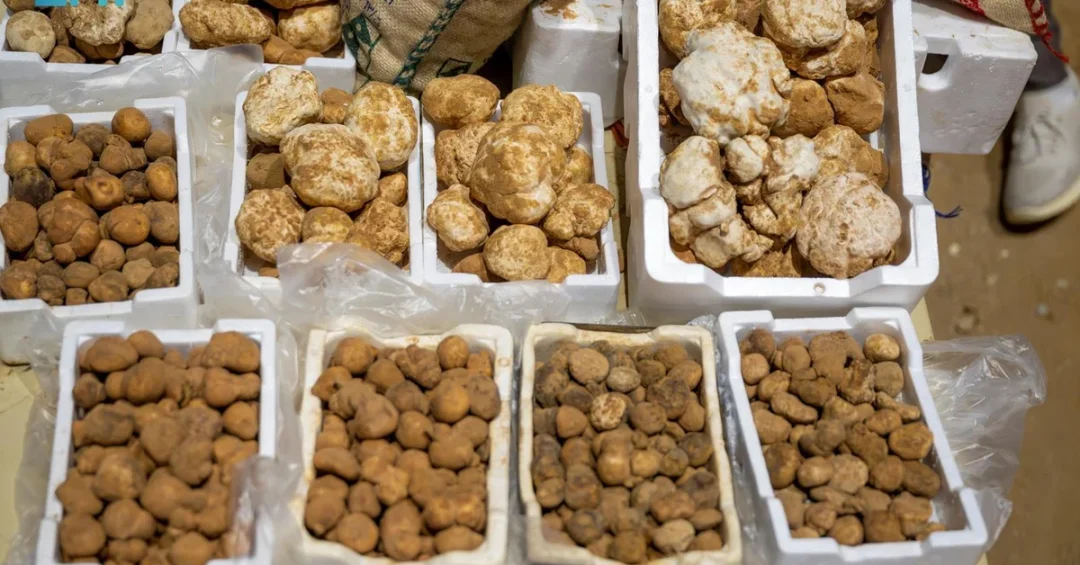
The seasonal tradition of truffle hunting in Saudi Arabia’s Al-Jouf region is drawing hundreds of citizens into the wilderness, combining a cherished cultural pastime with a growing economic opportunity. According to the Saudi Press Agency (SPA), local enthusiasts are actively searching for truffles, a prized delicacy that thrives after seasonal rains and has become a sought-after commodity in local markets.
Context and Background
Truffle hunting has long been a part of Saudi Arabia’s rural heritage, particularly in northern regions like Al-Jouf, which benefit from a climate conducive to truffle growth. Known locally as ‘fag’ or ‘kamah,’ truffles are wild fungi that emerge after rainfall, celebrated for their distinctive flavor and nutritional value. The activity is not merely a hobby but a recreational pursuit that fosters community bonding and a connection to the land. In recent years, the Kingdom has emphasized preserving such cultural traditions under Vision 2030, which promotes sustainable tourism and local economic development.
Key Details
As reported by the Saudi Press Agency, truffle hunters in Al-Jouf harvest these seasonal treasures from January onward, often selling them at dedicated markets and seasonal sales sites that have seen strong demand. According to several sellers, the price of truffle packages ranges from SAR150 to SAR450, depending on the quantity and quality. The Saudi Food and Drug Authority (SFDA) recommends consuming truffles within 10 days of harvesting to maintain texture and flavor, emphasizing proper cleaning to remove soil and thorough drying. The authority also highlights that truffles are highly nutritious, containing essential amino acids, antioxidants, proteins, healthy fats, dietary fiber, and phosphorus. These factors have made truffles a lucrative seasonal income source for many young Saudis, who view collection and sale as a viable economic activity.
Implications and Impact
The surge in truffle hunting reflects broader trends in Saudi Arabia’s economic diversification and rural development. By tapping into natural resources like wild truffles, local communities can generate supplementary income without heavy investment, aligning with the Vision 2030 goal of empowering citizens and reducing reliance on oil revenues. The activity also boosts local commerce, as markets in Al-Jouf and beyond see increased foot traffic and trade. Internationally, Saudi truffles are gaining recognition as a premium product, potentially opening export opportunities. The SFDA’s guidelines further ensure consumer safety and product quality, building trust in these local goods.
Vision 2030 Alignment
The tradition of truffle hunting in Al-Jouf exemplifies how Saudi Arabia is preserving its cultural heritage while creating economic opportunities for citizens. As the Kingdom continues to implement Vision 2030, such grassroots activities highlight the potential of the non-oil economy, particularly in rural areas. By supporting local producers and promoting unique Saudi products, the nation is fostering sustainable growth that honors its past while building a prosperous future for all.
20 Questions
Q1. What is truffle hunting in Al-Jouf?
A1. Truffle hunting in Al-Jouf is a seasonal tradition where citizens search for wild truffles after seasonal rains, harvesting them for personal consumption or sale in local markets.
Q2. When does truffle season occur in Al-Jouf?
A2. Truffle season in Al-Jouf typically begins after winter rains, around January, and lasts for a few weeks when conditions are right for growth.
Q3. Why are truffles considered a delicacy in Saudi Arabia?
A3. Truffles are prized for their unique, earthy flavor and texture, making them a sought-after ingredient in traditional Saudi cuisine and a luxury food item.
Q4. What is the economic opportunity from truffle hunting?
A4. Truffle hunting offers economic opportunities for young Saudis, who can collect and sell truffles at seasonal markets, earning a substantial seasonal income from SAR150 to SAR450 per package.
Q5. Who reported on truffle hunting in Al-Jouf?
A5. The information was reported by the Saudi Press Agency (SPA), the official news source of the Kingdom of Saudi Arabia.
Q6. How do truffles grow in Al-Jouf?
A6. Truffles grow in wild areas after rainfall, emerging from the soil in regions with suitable climate like Al-Jouf, without cultivation.
Q7. What is the price range for truffles in Al-Jouf markets?
A7. The price of truffle packages in Al-Jouf markets ranges from SAR150 to SAR450, depending on quantity and quality.
Q8. What are the nutritional benefits of truffles?
A8. Truffles are highly nutritious, containing essential amino acids, antioxidants, proteins, healthy fats, dietary fiber, and phosphorus.
Q9. How should truffles be stored according to the SFDA?
A9. The Saudi Food and Drug Authority recommends consuming truffles within 10 days of harvesting and advises against long-term storage to maintain quality.
Q10. Why is truffle hunting considered a hobby?
A10. Many enthusiasts enjoy truffle hunting as a recreational activity because it connects them with nature and provides a rewarding experience of harvesting seasonal treasures.
Q11. What role do markets play in truffle trade?
A11. Seasonal markets and sales sites in Al-Jouf are hubs for buying and selling truffles, seeing high demand from buyers eager to purchase these delicacies.
Q12. How does truffle hunting support Vision 2030?
A12. Truffle hunting supports Vision 2030 by promoting economic diversification, empowering citizens through small-scale enterprise, and preserving cultural heritage.
Q13. What cleaning recommendations does the SFDA provide?
A13. The SFDA emphasizes thorough cleaning to remove soil from truffles, followed by proper drying to ensure food safety.
Q14. Are truffles a sustainable resource?
A14. Yes, truffles are a natural, renewable resource that regenerates annually after rains, making harvesting sustainable when done responsibly.
Q15. What is the significance of Al-Jouf region for truffles?
A15. Al-Jouf is a major region for truffle growth in Saudi Arabia due to its favorable climate and soil conditions, supporting a thriving tradition.
Q16. Can truffle hunting be a full-time job?
A16. While primarily seasonal, truffle hunting can be a complementary income source for young people, but it is not typically a full-time occupation.
Q17. How do truffles contribute to local culture?
A17. Truffle hunting is a cultural tradition that fosters community engagement and preserves a heritage practice passed down through generations.
Q18. What are the main challenges for truffle hunters?
A18. Challenges include reliance on weather conditions, competition for harvest sites, and the need for knowledge to identify true truffles.
Q19. How do international audiences perceive Saudi truffles?
A19. Saudi truffles are gaining recognition internationally as a premium product, with potential for export and culinary tourism.
Q20. What advice does the SPA offer on truffle consumption?
A20. The SPA reports the SFDA advice to consume truffles soon after harvest and to clean them properly to enjoy their flavor and nutritional value safely.
Reader Feedback
We value your thoughts. Please share your feedback on this article.
Your feedback helps us improve our coverage.