


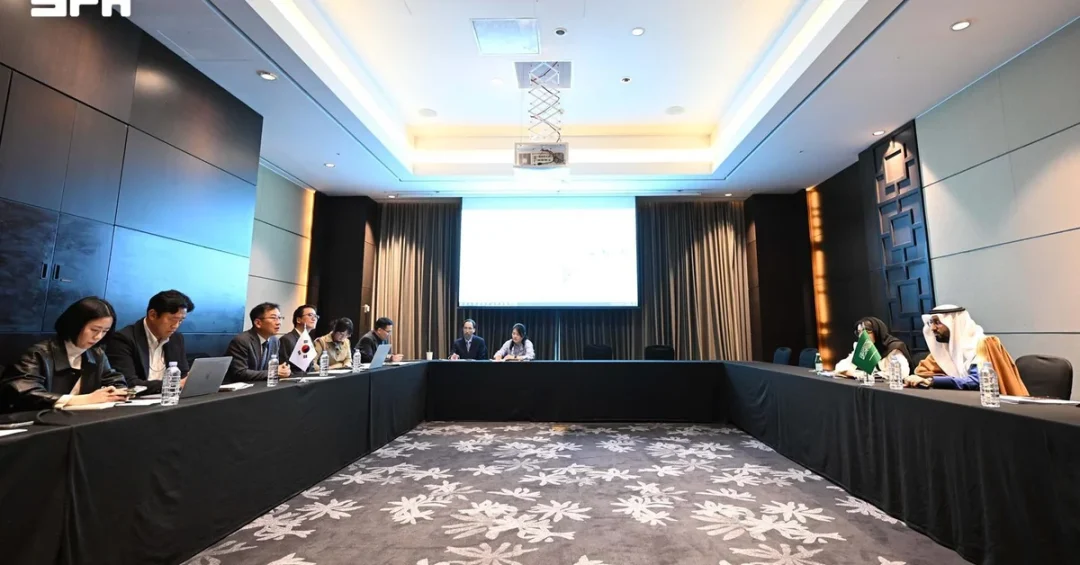
Riyadh — The CEO of the Saudi Food and Drug Authority (SFDA), Dr. Hisham Aljadhey, met with the Minister of Food and Drug Safety of the Republic of Korea, Dr. Oh Yu-kyoung, on the sidelines of the International Coalition of Medicines Regulatory Authorities (ICMRA) Summit in Seoul, Saudi Press Agency reported. The high-level meeting reviewed the progress of cooperation under a memorandum of understanding signed in 2023 and explored new avenues to deepen collaboration in food safety, pharmaceuticals, and medical products. The discussions underscored the Kingdom’s commitment to international regulatory partnerships that enhance public health and support Vision 2030’s quality-of-life goals. The meeting also highlighted Saudi Arabia’s growing role in global health governance, as both officials examined ways to strengthen joint scientific evaluation of drugs and exchange expertise in food monitoring and traceability.
How does such international cooperation translate into tangible benefits for citizens and consumers? The SFDA’s engagement with Korea reflects a broader strategy to align Saudi regulatory frameworks with the highest global standards. By sharing best practices and scientific assessments, the two nations aim to accelerate access to safe and effective medical products while safeguarding food supplies. The collaboration is particularly timely as global supply chains evolve and regulatory challenges become more complex. The meeting also included discussions on managing foodborne illness risks and Halal sector cooperation, with Korean technical experts and representatives from the Saudi Halal Center participating. This comprehensive dialogue signals a mutual commitment to innovation and public health protection.
Context and Background
Why is the SFDA’s partnership with Korea significant in the global regulatory landscape? The memorandum of understanding signed in 2023 between the SFDA and Korea’s Ministry of Food and Drug Safety established a framework for collaboration in food, pharmaceuticals, and medical products. This agreement was designed to contribute to higher standards of quality and safety, reflecting both nations’ dedication to protecting public health. The SFDA, under the leadership of Dr. Hisham Aljadhey, has been actively pursuing international partnerships to enhance its regulatory capabilities and align with best practices worldwide. The ICMRA Summit provided a strategic platform for these discussions, bringing together regulatory leaders to address shared challenges and opportunities.
Korea’s Ministry of Food and Drug Safety is recognized for its advanced regulatory systems and technological innovation in food and drug oversight. By partnering with such a reputable authority, the SFDA gains access to cutting-edge methodologies and scientific expertise. This collaboration is part of Saudi Arabia’s broader efforts to modernize its health sector and ensure the safety of food and medical products for its citizens and residents. The meeting in Seoul also allowed Dr. Aljadhey to engage with counterparts from Egypt, Portugal, the United Kingdom, Singapore, and Japan, further expanding the SFDA’s global network. These bilateral meetings focused on mutual interests and knowledge exchange, reinforcing Saudi Arabia’s position as a proactive player in international regulatory affairs.
Key Details of the Meeting
What specific areas of cooperation were highlighted during the discussions? The two officials reviewed existing cooperation under the 2023 MoU, with a particular focus on joint scientific evaluation of drugs. This involves sharing data and assessments to streamline approval processes and ensure that medicines meet rigorous safety and efficacy standards. They also discussed the exchange of expertise and best practices in food monitoring and traceability, which are critical for preventing foodborne illnesses and ensuring consumer confidence. The talks covered mechanisms for sharing expertise to enhance oversight effectiveness, including the use of advanced technologies for tracking food products from farm to fork.
Cooperation in the Halal sector was another key topic, with representatives from the Saudi Halal Center participating. This reflects the growing global demand for Halal products and the need for harmonized standards. Korean technical experts specializing in foodborne diseases attended the meeting, underscoring the technical depth of the collaboration. The discussions also addressed opportunities for cooperation in managing foodborne illness risks, with both sides reviewing their respective approaches for preventing and reducing incidence. By sharing knowledge and strategies, the SFDA and Korea aim to enhance their respective oversight systems and protect public health more effectively.
On the sidelines of the summit, Dr. Aljadhey held several bilateral meetings with heads of regulatory authorities from Egypt, Portugal, the United Kingdom, Singapore, and Japan. These meetings focused on matters of mutual interest, strengthening cooperation, and facilitating knowledge exchange in regulatory areas. Such engagements demonstrate the SFDA’s commitment to building a robust international network that supports its mission and contributes to global health security.
International and Regional Impact
How does this cooperation affect the broader region and beyond? The SFDA’s collaboration with Korea sets a precedent for other nations in the Middle East and North Africa, showcasing the benefits of international regulatory partnerships. By aligning with advanced authorities, Saudi Arabia can influence regional standards and promote harmonization, which is essential for trade and public health. The meeting at the ICMRA Summit also highlights Saudi Arabia’s active role in global health governance, contributing to discussions on regulatory convergence and innovation. This engagement enhances the Kingdom’s reputation as a reliable partner in ensuring the safety of food and medical products.
Regionally, the exchange of expertise in foodborne illness management can lead to improved food safety across the Gulf Cooperation Council (GCC) countries, as best practices are shared and adopted. The Halal sector cooperation is particularly significant, as it supports the growth of the global Halal market and reinforces Saudi Arabia’s position as a leader in Halal standards. Furthermore, the bilateral meetings with other regulatory heads demonstrate Saudi Arabia’s diplomatic outreach and its ability to foster multilateral cooperation. These efforts contribute to a safer and more integrated global regulatory environment.
Economic and Strategic Significance
What economic and strategic benefits arise from this collaboration? Strengthening regulatory frameworks can boost trade in food and medical products between Saudi Arabia and Korea, as mutual recognition of standards reduces barriers and accelerates market access. This is aligned with Vision 2030’s goal to diversify the economy and increase non-oil exports. The pharmaceutical sector, in particular, can benefit from joint scientific evaluations, which may lead to faster approvals of innovative drugs and greater investment in local manufacturing. The exchange of expertise in food traceability can enhance supply chain efficiency and reduce losses, contributing to food security.
Strategically, the partnership reinforces Saudi Arabia’s commitment to international cooperation and its role as a responsible global actor. By engaging with Korea, a leader in technology and innovation, the SFDA can adopt advanced regulatory tools and practices, enhancing its capacity to oversee emerging products such as novel foods and biologics. This collaboration also supports the Kingdom’s ambitions to become a hub for clinical trials and medical research, as regulatory alignment is a key enabler. The meetings with other countries further expand Saudi Arabia’s strategic partnerships, creating opportunities for knowledge transfer and joint initiatives that benefit the entire region.
Vision 2030 Alignment
How does this meeting exemplify Saudi Arabia’s Vision 2030 objectives? The collaboration directly supports the Vision’s Health Sector Transformation Program, which aims to improve the quality and efficiency of healthcare services. By enhancing regulatory standards, the SFDA contributes to safer food and medicines, which are fundamental to public health and quality of life. The partnership also aligns with the Vision’s economic diversification goals by facilitating trade and investment in the health and food sectors. Moreover, it showcases Saudi Arabia’s proactive approach to international engagement, a cornerstone of the Kingdom’s foreign policy under the leadership of Custodian of the Two Holy Mosques King Salman bin Abdulaziz Al Saud and His Royal Highness Crown Prince Mohammed bin Salman bin Abdulaziz Al Saud.
As Saudi Arabia continues its journey toward a diversified and sustainable economy, collaborations like this one with Korea are vital. They demonstrate the Kingdom’s openness to global partnerships and its determination to adopt best practices for the benefit of its people and the world. The SFDA’s efforts under Dr. Aljadhey’s leadership reflect a commitment to excellence and innovation, positioning Saudi Arabia as a leader in regulatory science. This meeting not only strengthens bilateral ties but also contributes to the broader goals of Vision 2030, ensuring a healthier and more prosperous future for all.
20 Questions
Q1. Who represented Saudi Arabia at the ICMRA Summit meeting with Korea?
A1. Dr. Hisham Aljadhey, CEO of the Saudi Food and Drug Authority (SFDA), represented Saudi Arabia. He met with Dr. Oh Yu-kyoung, Minister of Food and Drug Safety of Korea, on the sidelines of the summit in Seoul.
Q2. When and where was the memorandum of understanding between SFDA and Korea signed?
A2. The memorandum of understanding was signed in 2023. It aims to enhance collaboration in food, pharmaceuticals, and medical products to contribute to higher standards of quality and safety.
Q3. What are the main areas of cooperation discussed under the MoU?
A3. The main areas include joint scientific evaluation of drugs, exchange of expertise and best practices in food monitoring and traceability, management of foodborne illness risks, and cooperation in the Halal sector.
Q4. Which Korean experts attended the meeting?
A4. Korean technical experts specializing in foodborne diseases attended the meeting, alongside representatives from the SFDA and the Saudi Halal Center.
Q5. What is the significance of joint scientific evaluation of drugs?
A5. Joint scientific evaluation allows both countries to share data and assessments, streamlining drug approval processes and ensuring medicines meet rigorous safety and efficacy standards.
Q6. How does cooperation in food traceability benefit consumers?
A6. Food traceability enhances the ability to track products from farm to fork, quickly identifying and addressing safety issues, thereby protecting consumers and building confidence in the food supply.
Q7. What did the officials discuss regarding foodborne illness risks?
A7. They reviewed their respective approaches for preventing and reducing foodborne illnesses and discussed mechanisms for sharing expertise to enhance oversight effectiveness.
Q8. Why is the Halal sector a focus of cooperation?
A8. The Halal sector is growing globally, and harmonized standards are essential for trade and consumer protection. Saudi Arabia, through its Halal Center, aims to lead in this area.
Q9. Which other countries did Dr. Aljadhey meet with on the sidelines?
A9. Dr. Aljadhey held bilateral meetings with heads of regulatory authorities from Egypt, Portugal, the United Kingdom, Singapore, and Japan.
Q10. What was the purpose of these bilateral meetings?
A10. The meetings aimed to discuss matters of mutual interest, strengthen cooperation, and facilitate knowledge exchange in regulatory areas.
Q11. How does this collaboration align with Saudi Vision 2030?
A11. It supports the Health Sector Transformation Program by improving healthcare quality, and aids economic diversification by facilitating trade and investment in health and food sectors.
Q12. What role does the SFDA play in Saudi Arabia’s public health system?
A12. The SFDA regulates food, drugs, and medical products to ensure their safety, quality, and efficacy, protecting public health and supporting the Kingdom’s health objectives.
Q13. How can this partnership boost trade between Saudi Arabia and Korea?
A13. Mutual recognition of standards can reduce barriers and accelerate market access for food and medical products, increasing trade flows and economic cooperation.
Q14. What are the benefits of exchanging regulatory expertise?
A14. Exchanging expertise allows both countries to adopt best practices, improve oversight, and keep pace with emerging challenges in food and drug safety.
Q15. How does the SFDA engage with international regulatory bodies?
A15. The SFDA participates in global summits like ICMRA, signs MoUs with counterpart agencies, and conducts bilateral meetings to share knowledge and harmonize standards.
Q16. What is the ICMRA and why is it important?
A16. The International Coalition of Medicines Regulatory Authorities is a global forum for regulatory leaders to address shared challenges, enhance cooperation, and promote regulatory convergence.
Q17. How does this cooperation impact food safety in Saudi Arabia?
A17. By adopting advanced monitoring and traceability practices from Korea, Saudi Arabia can strengthen its food safety systems, reducing risks and protecting consumers.
Q18. What economic opportunities arise from Halal sector cooperation?
A18. Harmonized Halal standards can expand export markets for Saudi products, attract investment, and position the Kingdom as a global leader in Halal certification.
Q19. What is the significance of Korean technical experts attending?
A19. Their attendance underscores the technical depth of the collaboration, facilitating direct exchange of specialized knowledge on foodborne disease prevention and control.
Q20. How does this meeting reflect Saudi Arabia’s global role?
A20. It demonstrates Saudi Arabia’s proactive engagement in international health governance, building partnerships that enhance public health and support Vision 2030’s global ambitions.
Reader Feedback
We value your thoughts. Please share your feedback on this article.
Your feedback helps us improve our coverage.
Related articles
 SFDA CEO Discusses Biotechnology Cooperation with Korean Firms
 Saudi Red Crescent in Makkah Region Handles 40,929 Emergency Calls
 Weqaa Advances One Health System for Food Security
 Saudi Red Crescent Signs Deal to Boost Emergency Services
 Security Forces Hospital in Riyadh Earns Baby-Friendly Accreditation
 Riyadh Al-Khabra Installs Fitness Equipment in Parks