


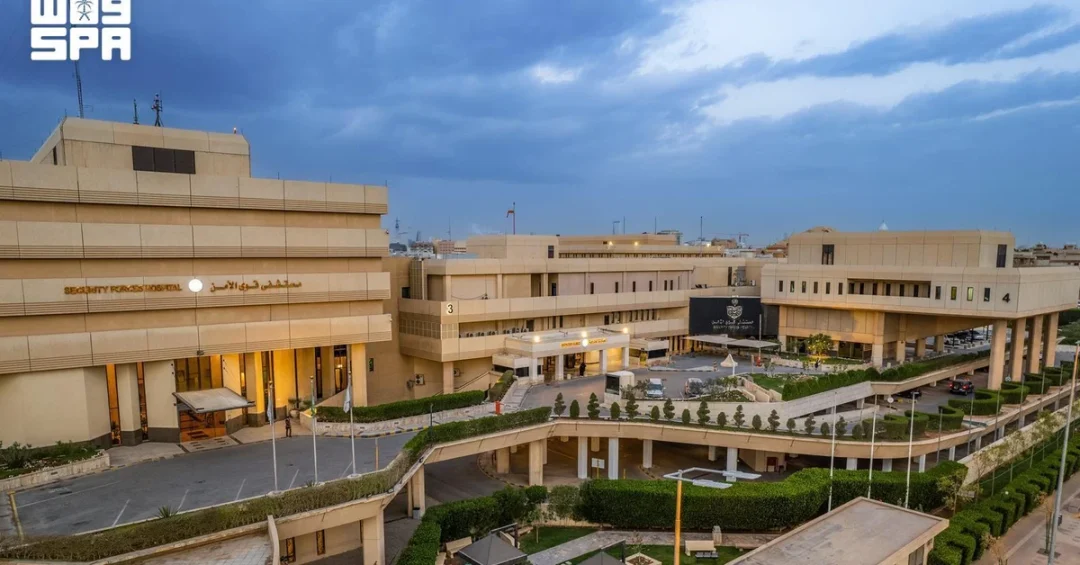
Riyadh, November 3, 2026 — The Security Forces Hospital in Riyadh has been awarded Baby-Friendly Hospital accreditation after successfully passing a rigorous assessment against the Baby-Friendly Hospital Initiative standards adopted by the World Health Organization, UNICEF, and the Ministry of Health. The accreditation recognizes the hospital’s comprehensive efforts to support breastfeeding and improve health outcomes for mothers and newborns through approved policies, staff training, and health education. The announcement, released via the Saudi Press Agency, underscores the Kingdom’s ongoing commitment to elevating healthcare quality in line with Vision 2030. The Security Forces Hospital, operated under the Ministry of Interior’s medical services, now joins a select group of Saudi health facilities that meet global best practices in maternal and child care.
This achievement is more than a ceremonial milestone; it signals a tangible step forward in Saudi Arabia’s national health transformation. The Baby-Friendly Hospital Initiative, launched by WHO and UNICEF in 1991, promotes, protects, and supports breastfeeding in healthcare facilities worldwide. By earning this accreditation, the Security Forces Hospital demonstrates that its maternity services align with international evidence-based standards. For families in Riyadh and beyond, this means access to care that prioritizes the health of both mother and child from the very first hours of life. As Saudi Arabia continues to invest in its healthcare infrastructure, such recognitions reinforce the Kingdom’s position as a regional leader in patient-centered care.
Context and Background
What does it take for a hospital to earn Baby-Friendly accreditation, and why does it matter for Saudi Arabia’s healthcare landscape? The Baby-Friendly Hospital Initiative (BFHI) is a global program led by the World Health Organization (WHO) and UNICEF to ensure that maternity facilities protect, promote, and support breastfeeding. The initiative outlines ten steps to successful breastfeeding, including having a written breastfeeding policy, training staff to implement it, informing pregnant women about the benefits of breastfeeding, and helping mothers initiate breastfeeding within the first hour of birth. Hospitals must also practice rooming-in, encourage breastfeeding on demand, and provide support for breastfeeding mothers after discharge. The Security Forces Hospital in Riyadh has met these criteria after a thorough evaluation by assessors using the Ministry of Health’s adapted standards.
The Ministry of Interior’s medical services, which oversees the Security Forces Hospital, has long prioritized quality improvement and patient safety. This accreditation reflects a systematic approach to maternal and child health, integrating international guidelines into daily practice. It also highlights the role of the Ministry of Health in promoting BFHI across the Kingdom. Saudi Arabia has been actively working to increase breastfeeding rates as part of its broader public health strategy, recognizing the long-term benefits for child development and maternal well-being. The Security Forces Hospital’s success serves as a model for other facilities aiming to achieve similar recognition. In a country where healthcare is rapidly evolving under Vision 2030, such accreditations are important markers of progress.
Key Details
How exactly did the Security Forces Hospital meet the stringent requirements of the Baby-Friendly Hospital Initiative? According to the Saudi Press Agency, the hospital passed an assessment against the standards adopted by WHO, UNICEF, and the Ministry of Health. This involved a review of its policies, staff training records, and health education programs. The accreditation recognizes the hospital’s efforts to support breastfeeding and improve outcomes for mothers and children. Key components include the implementation of approved breastfeeding policies, continuous training for healthcare staff, and structured education for expectant and new mothers. The hospital also demonstrated compliance with the Ten Steps to Successful Breastfeeding, which are central to the BFHI framework. These steps range from providing antenatal information to offering post-discharge support.
The assessment process is rigorous, involving on-site evaluations and interviews with staff and mothers. Hospitals must show that they not only have policies in place but also that these policies are consistently applied. The Security Forces Hospital’s success indicates a strong institutional commitment to maternal and child health. It also reflects the dedication of its medical and nursing teams, who play a frontline role in supporting breastfeeding. By earning this accreditation, the hospital joins an elite group of Saudi health facilities that have met these global standards. The recognition is valid for a set period, after which the hospital must undergo re-evaluation to maintain its status. This ensures ongoing adherence to best practices and continuous quality improvement.
International and Regional Impact
What does this accreditation mean for Saudi Arabia’s standing in global health? The Baby-Friendly Hospital Initiative is recognized worldwide as the gold standard for maternity care. When a Saudi hospital earns this accreditation, it signals to the international community that the Kingdom is committed to adopting and implementing evidence-based practices. This can enhance Saudi Arabia’s reputation as a destination for high-quality healthcare, attracting medical tourists and fostering partnerships with global health organizations. Regionally, the Security Forces Hospital’s achievement could inspire other hospitals in the Gulf Cooperation Council (GCC) countries to pursue similar accreditation. It also aligns with the World Health Organization’s global targets for improving maternal and child health, including the Sustainable Development Goals related to reducing maternal and neonatal mortality.
Moreover, the accreditation reflects the Ministry of Interior’s medical services’ commitment to patient safety and quality care. The Ministry of Interior oversees various medical facilities for security personnel and their families, and this recognition underscores its broader role in national health. For Saudi citizens and residents, the Baby-Friendly designation provides assurance that the hospital follows internationally approved protocols for breastfeeding support. This is particularly important in a multicultural society like Riyadh, where families from diverse backgrounds seek care. The hospital’s success also demonstrates the effectiveness of Saudi Arabia’s collaboration with WHO and UNICEF, reinforcing the Kingdom’s active participation in global health initiatives. As Saudi Arabia continues to host major international events and attract visitors, a robust healthcare system is essential, and accreditations like this contribute to that goal.
Economic and Strategic Significance
How does a hospital accreditation translate into economic and strategic benefits for Saudi Arabia? Investing in maternal and child health yields long-term economic returns by reducing healthcare costs associated with preventable illnesses and improving workforce productivity. Breastfeeding, as promoted by the BFHI, is linked to lower rates of infections, allergies, and chronic conditions in children, as well as reduced risk of certain cancers and diabetes in mothers. These health benefits can lead to savings for the healthcare system and society at large. For Saudi Arabia, which is diversifying its economy under Vision 2030, a healthy population is a cornerstone of sustainable development. The Security Forces Hospital’s accreditation is thus not just a medical achievement but also a strategic investment in human capital.
Furthermore, the accreditation enhances the hospital’s operational efficiency by standardizing care processes and reducing variations in practice. It can also boost staff morale and attract skilled healthcare professionals who value working in accredited facilities. From a strategic perspective, the recognition supports Saudi Arabia’s efforts to build a world-class healthcare sector, which is a key component of Vision 2030’s Quality of Life Program. By aligning with international standards, Saudi hospitals can benchmark their performance against global peers and identify areas for improvement. The Security Forces Hospital’s success story can be leveraged to promote health awareness and encourage other institutions to pursue accreditation. Ultimately, this contributes to the Kingdom’s goal of providing comprehensive, high-quality healthcare for all.
Vision 2030 Alignment
How does the Baby-Friendly Hospital accreditation fit into Saudi Arabia’s Vision 2030? Vision 2030 aims to transform the Kingdom into a diversified economy with a vibrant society and a world-class healthcare system. The Health Sector Transformation Program, a key initiative under Vision 2030, seeks to improve the quality and efficiency of health services, enhance patient experience, and promote preventive care. The Baby-Friendly Hospital Initiative aligns perfectly with these objectives by focusing on maternal and child health, which are foundational to a healthy society. The Security Forces Hospital’s achievement demonstrates the Ministry of Interior’s medical services’ contribution to this national vision, showing how sector-specific efforts can advance broader goals. It also reflects the Kingdom’s commitment to international cooperation and best practices, as seen in its adoption of WHO and UNICEF standards.
Looking ahead, the accreditation is expected to encourage more Saudi hospitals to pursue Baby-Friendly status, creating a ripple effect that could improve breastfeeding rates nationwide. This, in turn, supports the Vision 2030 goal of increasing life expectancy and reducing chronic diseases. The Security Forces Hospital’s success is a testament to the dedication of Saudi healthcare professionals and the effectiveness of the Kingdom’s health policies. As Saudi Arabia continues to invest in its healthcare infrastructure and human capital, recognitions like this will become increasingly common, further solidifying the Kingdom’s position as a leader in global health. The future of Saudi healthcare is bright, and this accreditation is another step toward realizing the ambitious goals of Vision 2030.
20 Questions
Q1. What is the Baby-Friendly Hospital Initiative?
A1. The Baby-Friendly Hospital Initiative is a global program launched by the World Health Organization and UNICEF to promote, protect, and support breastfeeding in healthcare facilities. It provides standards and guidelines that hospitals must meet to earn accreditation.
Q2. Which hospital in Riyadh received the Baby-Friendly accreditation?
A2. The Security Forces Hospital in Riyadh received the Baby-Friendly Hospital accreditation after passing an assessment against the standards adopted by WHO, UNICEF, and the Ministry of Health.
Q3. When was the accreditation announced?
A3. The accreditation was announced on November 3, 2026, according to the Saudi Press Agency.
Q4. What does the accreditation recognize?
A4. It recognizes the hospital’s efforts to support breastfeeding and improve outcomes for mothers and children through approved policies, staff training, and health education.
Q5. Who oversees the Security Forces Hospital?
A5. The hospital is operated under the Ministry of Interior’s medical services, which is committed to improving healthcare quality and patient safety.
Q6. What are the Ten Steps to Successful Breastfeeding?
A6. The Ten Steps are a set of evidence-based practices that hospitals must implement to support breastfeeding, including having a written policy, training staff, and helping mothers initiate breastfeeding within the first hour of birth.
Q7. Why is breastfeeding important for child health?
A7. Breastfeeding provides essential nutrients and antibodies that protect infants from infections and reduce the risk of chronic conditions. It also promotes cognitive development and strengthens the bond between mother and child.
Q8. How does this accreditation benefit mothers?
A8. Mothers receive better support to initiate and continue breastfeeding, which can improve their health outcomes and reduce the risk of certain cancers and diabetes. It also enhances their overall childbirth experience.
Q9. What role did the Ministry of Health play?
A9. The Ministry of Health adopted the Baby-Friendly Hospital Initiative standards and supports hospitals in implementing them. It also conducts assessments to ensure compliance.
Q10. Is this accreditation recognized internationally?
A10. Yes, the Baby-Friendly Hospital Initiative is a global program led by WHO and UNICEF, and accreditation is recognized worldwide as a mark of excellence in maternity care.
Q11. How long does the accreditation last?
A11. The accreditation is typically valid for a set period, after which hospitals must undergo re-evaluation to maintain their status. This ensures continuous adherence to best practices.
Q12. What other Saudi hospitals have this accreditation?
A12. Several Saudi hospitals have earned Baby-Friendly accreditation, and the Security Forces Hospital now joins this group. The Ministry of Health encourages more facilities to pursue it.
Q13. How does this align with Vision 2030?
A13. It supports Vision 2030’s Health Sector Transformation Program by improving maternal and child health, enhancing healthcare quality, and promoting preventive care, all of which contribute to a vibrant society.
Q14. What economic benefits does breastfeeding offer?
A14. Breastfeeding can reduce healthcare costs by lowering the incidence of infections and chronic diseases. It also supports workforce productivity by promoting healthier children and mothers.
Q15. What training did the hospital staff receive?
A15. Staff received training on breastfeeding support, counseling techniques, and the implementation of the hospital’s breastfeeding policy, ensuring they can effectively assist mothers.
Q16. How does the hospital educate pregnant women?
A16. The hospital provides antenatal education on the benefits of breastfeeding, proper techniques, and how to overcome common challenges, preparing mothers for a positive breastfeeding experience.
Q17. What is rooming-in, and why is it important?
A17. Rooming-in means mothers and infants stay together in the same room. It facilitates breastfeeding on demand and helps mothers bond with their babies, which is a key step in the BFHI.
Q18. Does the accreditation include post-discharge support?
A18. Yes, the Baby-Friendly Hospital Initiative requires hospitals to provide support for breastfeeding mothers after discharge, such as follow-up consultations and referrals to community resources.
Q19. How can other hospitals achieve this accreditation?
A19. Hospitals can start by adopting the Ten Steps to Successful Breastfeeding, training staff, educating mothers, and undergoing assessment by the Ministry of Health against WHO and UNICEF standards.
Q20. What is the significance of this accreditation for Saudi Arabia?
A20. It demonstrates the Kingdom’s commitment to world-class healthcare and international best practices, reinforces the goals of Vision 2030, and sets a benchmark for other healthcare facilities in the region.
Reader Feedback
We value your thoughts. Please share your feedback on this article.
Your feedback helps us improve our coverage.
Related articles
 Riyadh Al-Khabra Installs Fitness Equipment in Parks
 SFDA Hosts 6th Regulatory Research Day 2026 in Riyadh
 Madinah Food Safety Campaign Launched by Environment Ministry
 KFSH Launches Nursing Hackathon to Enhance Patient Safety Through AI and Innovation
 Aseer Nonprofit Health Sector Delivers 148 Programs, Serves 25,000
 Saudi Arabia Performs First Robotic Breast Reconstruction