


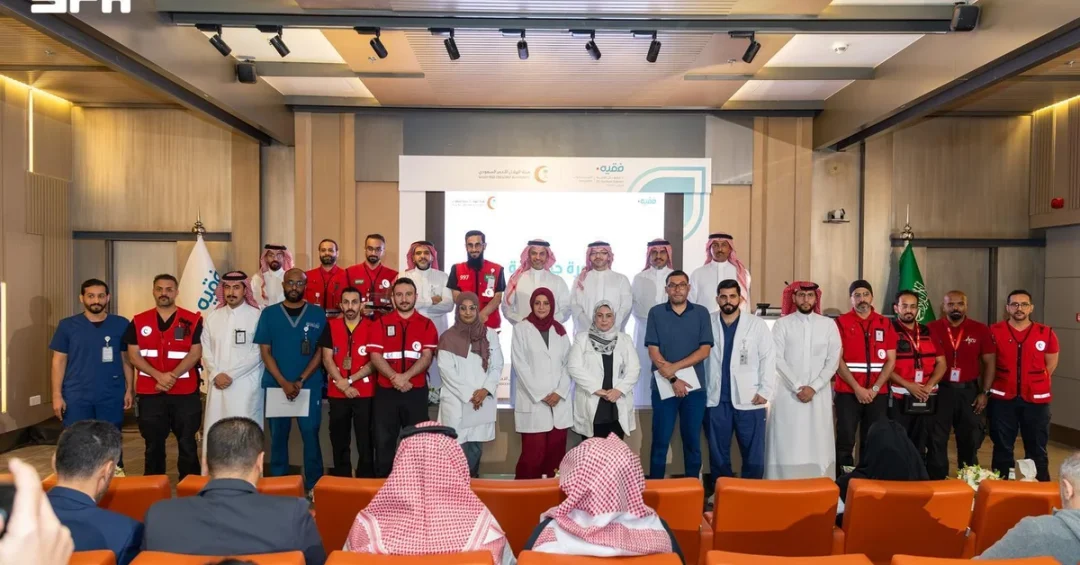
The Saudi Red Crescent Authority (SRCA) has renewed its partnership with Dr. Soliman Fakeeh Hospital to continue the prehospital blood transfusion project for a second consecutive year, in a ceremony held in Riyadh under the patronage of SRCA President Dr. Jalal Al-Owaisi. The agreement, signed by SRCA Vice President and Acting Director General of its Riyadh Region Branch Dr. Fahad Al-Hajjaj, extends a pioneering initiative that delivers blood transfusions to critically injured patients at emergency scenes and during ambulance transport, significantly improving survival rates for those facing life-threatening hemorrhages.
This renewal marks a major step forward in Saudi Arabia’s emergency medical services, reflecting the Kingdom’s commitment to innovative healthcare solutions under Vision 2030. The project’s first year demonstrated tangible success in saving lives, prompting plans to expand the service to all governorates in the Riyadh Region. As the SRCA continues to elevate prehospital care standards, this collaboration with a leading private healthcare provider underscores the power of public-private partnerships in advancing patient outcomes. How might such initiatives reshape emergency response across the Kingdom? The answer lies in the SRCA’s unwavering dedication to excellence and its strategic alignment with national health objectives.
Context and Background
What drives a national authority to pioneer prehospital blood transfusion programs in the field? The Saudi Red Crescent Authority, the Kingdom’s primary emergency medical services provider, has long been at the forefront of innovative lifesaving techniques. In an era where trauma remains a leading cause of mortality worldwide, the SRCA recognized the critical gap in treating severe hemorrhage before patients reach hospitals. The prehospital blood transfusion project, launched in 2025 in collaboration with Dr. Soliman Fakeeh Hospital, was designed to bridge this gap by bringing definitive care directly to accident scenes and ambulances.
Dr. Soliman Fakeeh Hospital, a renowned private healthcare institution in Jeddah with a strong presence in Riyadh, brings extensive expertise in blood banking and transfusion medicine. Its partnership with the SRCA exemplifies how public and private sectors can join forces to address complex medical challenges. The project’s first year provided invaluable data and operational experience, demonstrating that prehospital transfusions can be performed safely and effectively in the Saudi context. This success has laid the groundwork for the renewal and expansion announced today.
Why is prehospital blood transfusion considered a game-changer in emergency medicine? For patients suffering from traumatic injuries, every minute without blood products increases the risk of death. Traditional protocols often involve rapid transport to a hospital, but for those in remote areas or severe cases, this delay can be fatal. By administering blood at the scene, the SRCA and its partners are effectively extending the hospital’s emergency department to the streets, offering a lifeline where none existed before. This approach aligns with global best practices and positions Saudi Arabia as a leader in emergency medical innovation.
Key Details of the Renewed Agreement
The agreement was signed in the presence of SRCA President Dr. Jalal Al-Owaisi, highlighting the authority’s top-level commitment to the project. Dr. Fahad Al-Hajjaj, SRCA Vice President and Acting Director General of its Riyadh Region Branch, represented the authority in the signing, while Dr. Soliman Fakeeh Hospital was represented by its senior leadership. The renewal ensures that the prehospital blood transfusion service will continue uninterrupted for a second year, building on the momentum of the initial phase. The SRCA has also announced plans to expand the service to all governorates within the Riyadh Region, a significant geographical broadening that will bring advanced trauma care to more communities.
What specific components make this project so effective? The initiative involves specially equipped ambulances staffed by trained paramedics who can administer blood transfusions on-site. These teams carry blood products, including red blood cells and plasma, stored in temperature-controlled containers. Upon arrival at an emergency scene, they assess the patient’s condition and, if indicated, initiate transfusion immediately. This requires rigorous protocols for blood typing, cross-matching, and monitoring, all of which have been developed and refined during the first year. The partnership with Dr. Soliman Fakeeh Hospital ensures a reliable supply of blood products and technical support.
How does the expansion to all Riyadh governorates impact the Kingdom’s emergency care landscape? The Riyadh Region is one of the largest and most populous in Saudi Arabia, encompassing urban centers like Riyadh city and vast desert areas. Extending the service to all governorates means that even residents in remote locations will have access to this lifesaving intervention. This move is expected to reduce mortality from traumatic injuries and enhance overall emergency preparedness. It also demonstrates the SRCA’s strategic approach to equitable healthcare delivery, ensuring that quality care is not limited to major cities.
International and Regional Impact
Could Saudi Arabia’s prehospital blood transfusion model become a benchmark for the region? The Kingdom’s proactive stance in adopting advanced emergency medical services has already attracted attention from neighboring countries and international organizations. By successfully implementing and expanding this project, the SRCA is setting a precedent that other nations can follow. The collaboration with a private hospital also showcases a sustainable model for public-private partnerships in healthcare, which is particularly relevant for countries seeking to enhance their emergency response systems without overburdening public resources.
What does this mean for global emergency medicine? Prehospital blood transfusion is a relatively new field, with only a few countries having established programs. Saudi Arabia’s experience adds valuable data to the global knowledge base, potentially influencing protocols and guidelines worldwide. The SRCA’s commitment to rigorous evaluation and expansion reflects a culture of continuous improvement that resonates with international best practices. As the project progresses, it may contribute to research and publications that further legitimize this approach, positioning the Kingdom as a thought leader in trauma care.
How does this project align with Saudi Arabia’s broader humanitarian and diplomatic efforts? The Kingdom has consistently used its resources and expertise to support humanitarian causes globally. By advancing domestic emergency care, Saudi Arabia strengthens its capacity to respond to crises, whether natural disasters or mass casualty incidents. This not only benefits Saudi citizens but also enhances the Kingdom’s ability to assist other nations in times of need. The SRCA’s work thus contributes to Saudi Arabia’s image as a responsible global actor committed to saving lives.
Economic and Strategic Significance
What are the economic implications of investing in prehospital blood transfusion? While the upfront costs of equipment, training, and blood products are significant, the long-term savings are substantial. Reducing mortality and disability from trauma decreases the burden on the healthcare system, as fewer patients require prolonged intensive care and rehabilitation. Additionally, the project enhances workforce productivity by saving lives of individuals who might otherwise be lost or incapacitated. From a strategic perspective, a robust emergency medical system is essential for national security and public safety, especially as Saudi Arabia hosts major events and attracts millions of pilgrims annually.
How does this initiative support Vision 2030’s healthcare transformation? Vision 2030 aims to diversify the economy and improve quality of life, with healthcare as a key pillar. The SRCA’s project aligns with the Vision’s objectives by fostering innovation, enhancing public health, and promoting private sector participation. It also contributes to the goal of increasing life expectancy and reducing preventable deaths. By investing in cutting-edge emergency care, Saudi Arabia is building a healthier, more resilient society that can thrive in the future.
What role does Dr. Soliman Fakeeh Hospital play in this economic ecosystem? As a private healthcare provider, the hospital’s involvement demonstrates the viability of commercial partnerships in delivering public good. This collaboration allows the SRCA to leverage private sector efficiency and expertise while the hospital fulfills its corporate social responsibility and gains reputational benefits. Such partnerships are essential for sustainable development, as they pool resources and share risks. The renewal of this agreement signals confidence in the model and encourages further private sector engagement in healthcare innovation.
Vision 2030 Alignment
How does the SRCA’s prehospital blood transfusion project embody the spirit of Vision 2030? At its core, Vision 2030 is about transforming Saudi Arabia into a more dynamic, innovative, and compassionate nation. The project reflects this by embracing advanced medical technology, fostering cross-sector collaboration, and prioritizing the well-being of all residents. It is a concrete example of how the Kingdom is not only investing in infrastructure but also in human capital and quality of life. The SRCA’s leadership in this field demonstrates the proactive governance that Vision 2030 champions.
What can we expect next as this project expands? The SRCA’s plan to cover all governorates in the Riyadh Region is just the beginning. Success there could lead to nationwide implementation, making prehospital blood transfusion a standard component of emergency care across Saudi Arabia. This would further cement the Kingdom’s reputation as a healthcare innovator and save countless lives. As the project evolves, it will likely incorporate new technologies, such as drone delivery of blood products and telemedicine support, keeping Saudi Arabia at the forefront of emergency medicine. The future is bright, and the SRCA is poised to lead the way.
20 Questions
Q1. What is the prehospital blood transfusion project?
A1. The prehospital blood transfusion project is an initiative by the Saudi Red Crescent Authority to administer blood transfusions to critically injured patients at emergency scenes and during ambulance transport, improving survival chances for severe hemorrhage cases.
Q2. Who signed the agreement to renew the project?
A2. The agreement was signed by Dr. Fahad Al-Hajjaj, SRCA Vice President and Acting Director General of its Riyadh Region Branch, in the presence of SRCA President Dr. Jalal Al-Owaisi, and representatives of Dr. Soliman Fakeeh Hospital.
Q3. Which hospital is partnering with the SRCA on this project?
A3. Dr. Soliman Fakeeh Hospital, a leading private healthcare institution in Saudi Arabia, is the partner for this project, providing blood products and technical expertise to support prehospital transfusions.
Q4. How long has the project been running?
A4. The project has completed its first year and is now renewed for a second consecutive year, building on the success and experience gained during the initial phase.
Q5. What are the main goals of the project?
A5. The main goals are to improve survival rates for trauma patients by providing timely blood transfusions at the scene, reduce mortality from hemorrhage, and expand access to advanced emergency care across the Riyadh Region.
Q6. How does the project work in practice?
A6. Specially trained paramedics in equipped ambulances carry blood products and administer transfusions on-site after assessing the patient, following strict protocols for blood typing, cross-matching, and monitoring.
Q7. What expansion plans are in place?
A7. The SRCA plans to expand the service to all governorates in the Riyadh Region, ensuring that residents in remote areas also benefit from this lifesaving intervention.
Q8. Why is prehospital blood transfusion important?
A8. It is important because severe bleeding can cause death within minutes; administering blood at the scene rather than waiting for hospital arrival can be the difference between life and death for trauma victims.
Q9. What role does Dr. Jalal Al-Owaisi play?
A9. Dr. Jalal Al-Owaisi is the President of the Saudi Red Crescent Authority and oversees the project’s strategic direction, demonstrating top-level commitment to advancing emergency medical services in the Kingdom.
Q10. How does this project align with Vision 2030?
A10. It aligns with Vision 2030 by enhancing healthcare quality, fostering innovation, promoting public-private partnerships, and improving quality of life, all of which are key objectives of the national transformation plan.
Q11. What are the economic benefits of the project?
A11. The project can reduce long-term healthcare costs by saving lives and reducing disability, thereby decreasing the need for prolonged intensive care and rehabilitation, and enhancing workforce productivity.
Q12. How does the project impact emergency medical services in Saudi Arabia?
A12. It elevates the standard of prehospital care, introduces advanced techniques, and sets a precedent for other regions, ultimately strengthening the entire emergency response system in the Kingdom.
Q13. What challenges might the project face?
A13. Challenges include logistical issues of storing and transporting blood products, maintaining strict safety protocols, and ensuring adequate training for paramedics, all of which are being addressed through the partnership.
Q14. What is the significance of renewing for a second year?
A14. Renewal signifies the project’s success and sustainability, providing continuity and allowing for further refinement and expansion, which is crucial for long-term impact.
Q15. How does the international community view this initiative?
A15. The initiative is viewed positively as a pioneering effort in prehospital care, with potential to contribute to global knowledge and inspire similar programs in other countries.
Q16. What training do paramedics receive for this project?
A16. Paramedics undergo specialized training in blood transfusion procedures, including blood handling, transfusion reactions, and emergency protocols, ensuring they can safely administer blood in the field.
Q17. How is the blood supply ensured?
A17. Dr. Soliman Fakeeh Hospital provides a reliable supply of blood products, adhering to stringent quality and safety standards, and manages the logistics of storage and delivery to ambulances.
Q18. What outcomes were observed in the first year?
A18. The first year demonstrated improved survival rates for critically injured patients, validated the safety and feasibility of prehospital transfusions, and provided data to optimize protocols for the expansion.
Q19. Will the project be extended to other regions?
A19. While the current focus is on the Riyadh Region, successful implementation there could lead to nationwide expansion, as the SRCA aims to standardize advanced emergency care across Saudi Arabia.
Q20. How can the public support this initiative?
A20. The public can support by donating blood regularly, volunteering with the SRCA, and raising awareness about the importance of emergency preparedness and blood donation in saving lives.
Reader Feedback
We value your thoughts. Please share your feedback on this article.
Your feedback helps us improve our coverage.
Related articles
 Madinah Education Promotes Diabetes Prevention Awareness
 SFDA CEO: Vision 2030 Drives Patient Access to Therapies
 Saudi Health Minister Begins Two-Day Visit to Italy to Boost Healthcare Ties
 SFDA, MHRA Sign MoU to Accelerate Patient Access to Treatments
 Taibah University to Host Madinah International Dental Conference
 Saudi KSrelief Inaugurates Kidney Center in Tunisia