


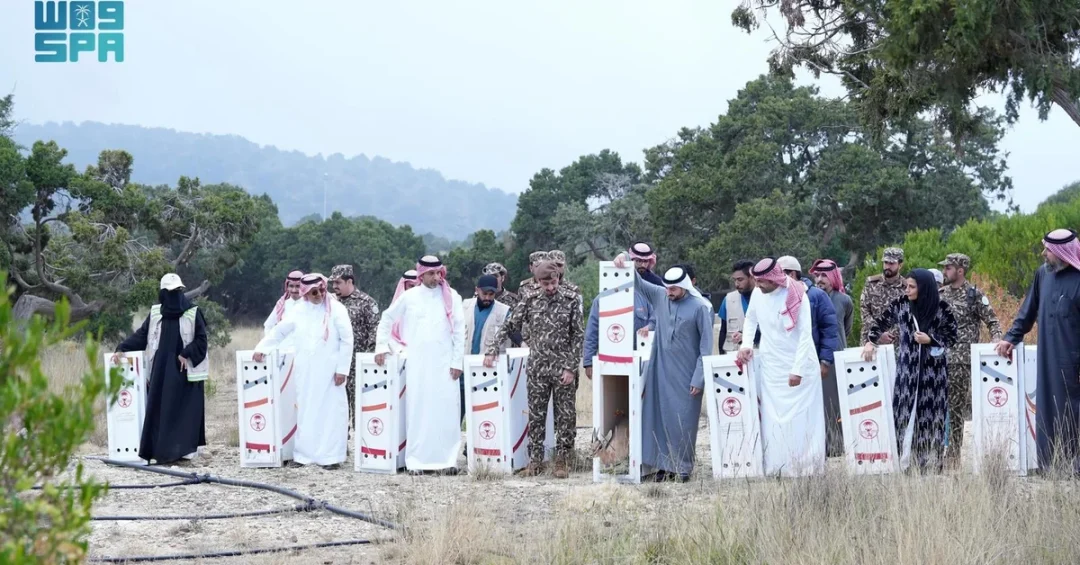
The National Center for Wildlife (NCW), in partnership with Soudah Development, has released 26 endangered animals into their natural habitat in the Soudah region, marking a significant milestone in Saudi Arabia’s wildlife conservation and ecosystem restoration efforts. The release, announced via the Saudi Press Agency (SPA), forms part of a broader national program to reintroduce native species, enhance biodiversity, and support sustainable tourism in the Kingdom’s highland south. The initiative underscores Saudi Arabia’s growing commitment to environmental stewardship, aligning with the goals of Vision 2030 to protect natural resources and promote eco-tourism.
Have you ever wondered how a single conservation effort can ripple across an entire ecosystem and a nation’s future? The reintroduction of these 26 animals is not merely a symbolic gesture; it represents a carefully planned scientific intervention designed to restore ecological balance in one of Saudi Arabia’s most biodiverse regions. The NCW, led by CEO Dr. Mohammad Qurban, has emphasized that the release follows rigorous biodiversity studies conducted in national parks to assess the impact of such reintroductions. By monitoring wildlife in protected areas using advanced technology, the center aims to track population dynamics and address the challenges these species face. This approach reflects a modern, evidence-based model of conservation that Saudi Arabia is increasingly adopting.
Context and Background
Why does the Soudah region matter so much for Saudi Arabia’s environmental future? Located in the Asir Mountains in southwestern Saudi Arabia, Soudah is renowned for its cool climate, lush landscapes, and unique biodiversity. It is home to the Kingdom’s highest peak, Jabal Soudah, and serves as a critical habitat for numerous plant and animal species, some of which are endemic. However, like many mountainous regions, Soudah has faced pressures from human activity, climate change, and habitat fragmentation. The National Center for Wildlife, established to conserve and develop wildlife in Saudi Arabia, has been at the forefront of efforts to reverse these trends. In collaboration with Soudah Development, a company tasked with developing the region into a world-class tourism destination while preserving its natural heritage, the NCW has launched a series of initiatives to restore native fauna.
The release of 26 endangered animals is the latest in a series of reintroduction programs that have seen the return of species such as the Arabian leopard, the Nubian ibex, and the Idmi gazelle to various protected areas across the Kingdom. These efforts are part of a national strategy to protect 30% of Saudi Arabia’s land and marine areas by 2030, a target set under the Saudi Green Initiative. The Soudah release specifically targets species that have seen their numbers dwindle due to hunting, habitat loss, and other factors. By reintroducing them into a protected and monitored environment, the NCW hopes to establish self-sustaining populations that can thrive for generations to come.
How does the NCW ensure that these animals survive and flourish after release? Dr. Mohammad Qurban explained that the center employs cutting-edge technology, including GPS collars and remote cameras, to monitor the animals’ movements, health, and breeding patterns. This data is crucial for adaptive management, allowing conservationists to intervene if necessary and to measure the long-term success of the program. The biodiversity studies that preceded the release helped identify the best locations and species for reintroduction, ensuring that the ecosystem can support them. This scientific rigor is a hallmark of Saudi Arabia’s approach to conservation, demonstrating a commitment to both environmental protection and sustainable development.
Key Details of the Release
What exactly were the 26 animals released, and why were they chosen? While the SPA report did not specify the exact species, the NCW has previously focused on reintroducing herbivores such as the Arabian gazelle, the mountain gazelle, and the Nubian ibex, as well as predators like the Arabian wolf and the caracal. These species play vital roles in maintaining ecological balance. Herbivores help control vegetation growth and disperse seeds, while predators regulate prey populations. The selection of species for the Soudah release was likely based on their historical presence in the region and their ability to adapt to the local environment. The NCW’s biodiversity studies would have assessed factors such as food availability, water sources, and potential threats from human activities or invasive species.
The release itself was conducted under strict protocols to minimize stress on the animals and maximize their chances of survival. Typically, animals bred in captivity or relocated from other areas are acclimatized to their new environment in enclosures before being set free. This soft-release approach allows them to gradually adapt to the wild. The NCW’s team of veterinarians and wildlife experts would have been on hand to ensure the animals’ health and well-being during the process. Following the release, the animals will be closely monitored to track their integration into the ecosystem. This hands-on approach reflects the NCW’s dedication to animal welfare and conservation success.
How does this release fit into Soudah Development’s broader vision? Soudah Development has announced ambitious plans to enrich biodiversity and attract 2 million annual visitors by 2030. The company is investing in eco-friendly infrastructure, including luxury resorts, hiking trails, and wildlife viewing areas, all designed to showcase the region’s natural beauty while minimizing environmental impact. The reintroduction of endangered animals is a key component of this strategy, as it enhances the visitor experience and reinforces Soudah’s position as a premier eco-tourism destination. Tourists will have the opportunity to observe these animals in their natural habitat, learning about conservation efforts and the importance of protecting biodiversity. This synergy between conservation and tourism is a model that Saudi Arabia is promoting nationwide.
International and Regional Impact
Could Saudi Arabia’s conservation efforts inspire similar initiatives across the Middle East? The Kingdom’s commitment to wildlife protection is gaining international recognition. The NCW collaborates with global organizations such as the International Union for Conservation of Nature (IUCN) and participates in international conventions on biodiversity. The Soudah release is a tangible example of how Saudi Arabia is translating its environmental pledges into action. In a region where many countries face similar challenges of habitat loss and species decline, Saudi Arabia’s approach offers a blueprint for successful reintroduction programs. By sharing knowledge and best practices, the Kingdom is positioning itself as a leader in conservation, fostering regional cooperation and enhancing its global standing.
Moreover, the initiative contributes to global efforts to combat biodiversity loss, a key theme of the United Nations Sustainable Development Goals. Saudi Arabia’s participation in the Global Biodiversity Framework and its own Saudi Green Initiative demonstrate a willingness to take on a share of international responsibility. The release of endangered animals in Soudah is a small but significant step toward restoring the Kingdom’s natural heritage and contributing to the planet’s ecological health. As the world grapples with the sixth mass extinction, such actions are not only commendable but necessary. Saudi Arabia’s efforts could encourage other nations to invest in similar programs, amplifying the impact on a global scale.
Economic and Strategic Significance
How does wildlife conservation contribute to Saudi Arabia’s economic diversification? Under Vision 2030, the Kingdom is seeking to reduce its dependence on oil and develop new sectors, including tourism and entertainment. Eco-tourism is a growing niche that attracts high-value visitors interested in nature and adventure. Soudah, with its unique climate and landscapes, is poised to become a magnet for such travelers. The reintroduction of endangered animals enhances the region’s appeal, offering visitors a chance to see rare species in a pristine environment. This, in turn, supports local businesses, creates jobs, and generates revenue that can be reinvested in conservation. The economic benefits are thus intertwined with environmental protection, creating a virtuous cycle.
Strategically, the Soudah project also reinforces Saudi Arabia’s image as a responsible global citizen. By protecting its natural heritage, the Kingdom demonstrates that it is not only a major energy producer but also a steward of the environment. This soft power can strengthen diplomatic ties and open doors for cooperation in other areas. Furthermore, the project aligns with the objectives of the Public Investment Fund (PIF), which is backing Soudah Development as part of its broader strategy to invest in sustainable projects. The PIF’s involvement signals that conservation is not just a moral imperative but also a sound financial investment. As the project progresses, it could attract further private sector investment, driving innovation and growth in the green economy.
Vision 2030 Alignment
In what ways does this initiative embody the spirit of Vision 2030? Vision 2030 is fundamentally about creating a vibrant society, a thriving economy, and an ambitious nation. Environmental sustainability cuts across all three pillars. A vibrant society requires clean air, water, and green spaces, which healthy ecosystems provide. A thriving economy needs new sources of growth, and eco-tourism is one such source. An ambitious nation takes bold steps to preserve its heritage for future generations. The Soudah release exemplifies these principles by combining scientific excellence, environmental stewardship, and economic opportunity. It shows that Saudi Arabia is not just building for today but planning for tomorrow.
As the Kingdom continues to implement its Vision 2030 programs, the NCW and Soudah Development will likely expand their efforts, reintroducing more species and restoring more habitats. The success of this release will be measured not only in the survival of the 26 animals but also in the revival of the entire ecosystem and the inspiration it provides to other regions. With each animal released, Saudi Arabia takes another step toward a sustainable future, demonstrating that economic development and environmental protection can go hand in hand. The world is watching, and the Kingdom is leading by example, ensuring that its natural treasures endure for generations to come.
20 Questions
Q1. What organization released the 26 endangered animals in Soudah?
A1. The National Center for Wildlife (NCW), in partnership with Soudah Development, released the animals. The NCW is responsible for wildlife conservation in Saudi Arabia, while Soudah Development oversees the region’s sustainable tourism development.
Q2. Where is the Soudah region located?
A2. Soudah is in the Asir Mountains in southwestern Saudi Arabia. It is known for its cool climate, high peaks, and unique biodiversity, making it a prime location for conservation and eco-tourism.
Q3. Why were these specific animals chosen for release?
A3. The species were likely selected based on biodiversity studies that assessed historical presence, habitat suitability, and ecological roles. The NCW aims to restore native fauna and reestablish ecological balance in the region.
Q4. How does the NCW monitor the released animals?
A4. The NCW uses advanced technology such as GPS collars and remote cameras to track animal movements, health, and breeding. This data helps conservationists manage the population and ensure their survival.
Q5. What is the goal of Soudah Development’s environmental initiatives?
A5. Soudah Development aims to enrich biodiversity and attract 2 million annual visitors by 2030. The initiatives balance conservation with sustainable tourism, showcasing the region’s natural beauty while protecting its ecosystems.
Q6. How does this release benefit the local ecosystem?
A6. Reintroducing endangered animals helps restore ecological balance. Herbivores control vegetation and disperse seeds, while predators regulate prey populations. This enhances overall biodiversity and ecosystem health.
Q7. What role does Dr. Mohammad Qurban play in this initiative?
A7. Dr. Mohammad Qurban is the CEO of the National Center for Wildlife. He oversees the center’s conservation programs, including the release and monitoring of endangered animals in Soudah.
Q8. How does this initiative align with Vision 2030?
A8. It supports Vision 2030’s goals of environmental sustainability, economic diversification, and enhanced quality of life. By promoting eco-tourism and protecting natural heritage, it contributes to a vibrant society and thriving economy.
Q9. What is the Saudi Green Initiative?
A9. The Saudi Green Initiative is a national program to combat climate change, protect the environment, and transition to a green economy. It includes targets to protect 30% of Saudi Arabia’s land and marine areas by 2030.
Q10. Are there other similar reintroduction programs in Saudi Arabia?
A10. Yes, the NCW has reintroduced species like the Arabian leopard, Nubian ibex, and Idmi gazelle in various protected areas. These programs are part of a nationwide effort to restore wildlife populations.
Q11. How will tourists benefit from this release?
A11. Tourists will have the opportunity to observe endangered animals in their natural habitat, enhancing their eco-tourism experience. This supports Soudah’s goal of attracting visitors while educating them about conservation.
Q12. What challenges do the released animals face?
A12. Challenges include adapting to the wild, finding food and water, and avoiding predators or human threats. The NCW’s monitoring helps address these challenges and ensure the animals’ survival.
Q13. How does the NCW conduct biodiversity studies?
A13. The NCW conducts field surveys, uses camera traps, and analyzes ecological data to assess species populations and habitat health. These studies inform reintroduction strategies and conservation planning.
Q14. What is the significance of the Soudah region for biodiversity?
A14. Soudah’s diverse habitats, from forests to highlands, support a wide range of species, some endemic. Its conservation is vital for maintaining Saudi Arabia’s natural heritage and ecological resilience.
Q15. How does this initiative contribute to global conservation efforts?
A15. It supports the UN Sustainable Development Goals and the Global Biodiversity Framework by restoring endangered species and habitats. Saudi Arabia’s efforts serve as a model for other nations.
Q16. What economic benefits does the Soudah project bring?
A16. The project creates jobs, attracts eco-tourists, and stimulates local businesses. It also diversifies the economy away from oil, aligning with Vision 2030’s economic goals.
Q17. What technology does the NCW use for monitoring?
A17. The NCW uses GPS tracking, remote cameras, and data analytics to monitor wildlife. These tools provide real-time information on animal movements and population trends.
Q18. How can the public support wildlife conservation in Saudi Arabia?
A18. The public can support by respecting protected areas, reporting wildlife sightings, and participating in awareness programs. Education and responsible tourism are key to conservation success.
Q19. What future plans does the NCW have for Soudah?
A19. The NCW plans to continue reintroducing species and expanding monitoring. Future efforts will focus on habitat restoration and community engagement to ensure long-term sustainability.
Q20. How does this release reflect Saudi Arabia’s leadership in conservation?
A20. It demonstrates Saudi Arabia’s commitment to environmental stewardship and innovative conservation. By combining science, technology, and partnerships, the Kingdom sets an example for the region and the world.
Reader Feedback
We value your thoughts. Please share your feedback on this article.
Your feedback helps us improve our coverage.
Related articles
 KSrelief Distributes 1,280 Shelter Bags in Gaza
 KSrelief Delivers Winter Aid to Yemen’s Al-Mahra
 KAFD Leadership Conference Maps Future of Leadership in Riyadh
 Buraidah Oasis Earns First Global Water, Carbon Footprint
 SDRPY Empowers Yemeni Women and Youth Through Development
 Riyadh Airports Wins 5 Customer Centricity Awards