


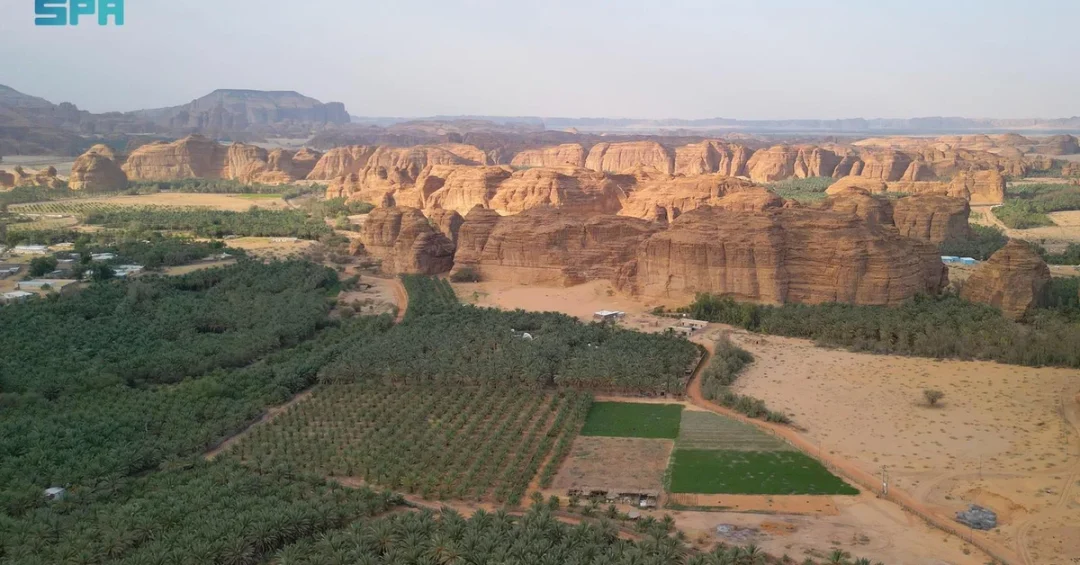
AlUla Governorate is marking Environment Week 2025 by highlighting its unique environmental diversity, which the Royal Commission for AlUla (RCU) describes as one of its key natural, economic, and tourism assets. The celebration, announced via official Saudi channels, underscores how the ancient region’s mountains, plains, oases, and valleys support a wide range of local wildlife and plants, some of which are rare and endangered. The week serves as a platform to showcase the RCU’s ongoing efforts to preserve biodiversity through initiatives such as the environmental rebalancing program, habitat restoration projects, vegetation enhancement, and the empowerment of nature rangers who monitor the governorate’s nature reserves.
Why does a region known primarily for its monumental rock formations and ancient heritage now find itself at the forefront of Saudi Arabia’s environmental agenda? The answer lies in AlUla’s extraordinary ecological mosaic, which makes it a living laboratory for conservation. As the Kingdom accelerates its Vision 2030 sustainability goals, AlUla’s Environment Week 2025 offers a timely reminder that natural capital is as vital as cultural capital. The RCU’s integrated approach, which includes the flagship Arabian Leopard Reintroduction Initiative, demonstrates how local action can contribute to global biodiversity targets while enhancing the visitor experience for a growing number of international travelers.
Context and Background: A Landscape of Ecological Riches
AlUla’s environmental significance stems from its remarkable geological and climatic diversity. The governorate encompasses rugged mountains, expansive plains, fertile oases, and deep valleys, creating a range of habitats that support a wide array of flora and fauna. Some of these species are rare or endangered, making AlUla a critical area for conservation in the Arabian Peninsula. The RCU, established to develop AlUla as a world-class destination while preserving its natural and cultural heritage, has made biodiversity protection a cornerstone of its strategy.
How did AlUla become a focal point for Saudi environmental stewardship? The answer lies in the RCU’s mandate, which balances tourism development with rigorous conservation. The commission’s environmental rebalancing program aims to restore ecological equilibrium across the region, while habitat restoration projects and vegetation enhancement initiatives seek to revive native plant species and improve ecosystem resilience. These efforts are complemented by the training and deployment of nature rangers, who monitor protected areas and enforce conservation regulations. Together, these measures form a comprehensive framework for safeguarding AlUla’s natural heritage.
Why does this matter now? As Saudi Arabia positions itself as a global leader in sustainable development, AlUla’s Environment Week 2025 serves as a showcase for the Kingdom’s commitment to environmental protection. The event highlights how local initiatives can align with national and international goals, including the Saudi Green Initiative and the UN’s biodiversity targets. By celebrating its environmental diversity, AlUla reinforces its role as a model for other regions seeking to balance economic growth with ecological stewardship.
Key Details: The Arabian Leopard and Beyond
At the heart of AlUla’s conservation efforts is the Arabian Leopard Reintroduction Initiative, a flagship project led by the RCU in cooperation with relevant authorities. The Arabian leopard, classified as critically endangered, has seen its population plummet across the Arabian Peninsula due to habitat loss and human-wildlife conflict. The RCU’s initiative aims to provide a safe and sustainable environment for the gradual reintroduction of the species into its natural habitat. This involves specialized breeding centers, detailed scientific plans for care, release, and monitoring, and close collaboration with local communities and international experts.
How does the RCU plan to achieve such an ambitious goal? The answer involves a multi-phased approach. First, the commission is establishing dedicated breeding facilities where leopards are cared for under expert supervision. Second, it is conducting scientific research to identify suitable release sites and to understand the ecological requirements of the species. Third, it is developing monitoring systems to track the progress of reintroduced animals and to mitigate potential threats. Finally, it is engaging with local stakeholders to foster community support and to ensure that conservation efforts are sustainable in the long term.
What other initiatives are underway? Beyond the Arabian leopard, the RCU is implementing a range of programs aimed at restoring habitats and enhancing biodiversity. The environmental rebalancing program focuses on restoring natural processes, such as water flow and soil health, to support native species. Habitat restoration projects involve replanting native vegetation, removing invasive species, and creating wildlife corridors. Vegetation enhancement initiatives aim to increase plant cover and improve ecosystem services. Additionally, the RCU is empowering nature rangers to patrol protected areas, monitor wildlife, and enforce conservation regulations. These efforts collectively contribute to the resilience of AlUla’s ecosystems.
International and Regional Impact: A Beacon for Conservation
AlUla’s conservation efforts have significant implications beyond Saudi Arabia’s borders. The Arabian leopard reintroduction initiative, in particular, is part of a broader regional effort to save the species from extinction. By sharing expertise and collaborating with international organizations, the RCU is contributing to global biodiversity conservation. Moreover, AlUla’s integrated approach to environmental management serves as a model for other regions in the Middle East and North Africa, where similar challenges of habitat degradation and species loss are prevalent.
Why is international cooperation essential for the success of these initiatives? The answer is simple: biodiversity knows no borders. The survival of the Arabian leopard depends on coordinated efforts across its range states, including Saudi Arabia, Oman, and Yemen. By working with partners such as the International Union for Conservation of Nature (IUCN) and other conservation bodies, the RCU is helping to build a regional network for leopard conservation. Furthermore, AlUla’s Environment Week 2025 provides a platform for knowledge exchange and capacity building, attracting experts and policymakers from around the world to discuss best practices in arid-land conservation.
Economic and Strategic Significance: Nature as an Asset
AlUla’s environmental diversity is not only an ecological treasure but also a strategic economic asset. The region’s stunning landscapes, including its mountains, oases, and valleys, are a major draw for tourists. By preserving these natural attractions, the RCU is safeguarding a key component of AlUla’s tourism offering, which is central to the Kingdom’s Vision 2030 goal of diversifying the economy and increasing visitor numbers. Sustainable tourism, which respects and protects the environment, is a growing segment of the global travel market, and AlUla is well-positioned to capitalize on this trend.
How does conservation contribute to economic growth? The answer lies in the concept of natural capital. Healthy ecosystems provide essential services, such as clean water, fertile soil, and pollination, which support local livelihoods and industries. In AlUla, the restoration of oases and vegetation not only enhances biodiversity but also improves agricultural productivity and creates green spaces for residents and visitors. Moreover, the RCU’s conservation programs generate employment opportunities in fields such as eco-tourism, research, and ranger services. By investing in nature, AlUla is building a sustainable economy that benefits both people and the planet.
What strategic role does AlUla play in Saudi Arabia’s broader environmental agenda? As part of the Saudi Green Initiative, which aims to plant 10 billion trees and protect 30% of the Kingdom’s land and sea by 2030, AlUla serves as a flagship project. The RCU’s efforts align with national targets for biodiversity conservation, climate action, and sustainable development. By demonstrating tangible results, AlUla helps to build momentum for the Kingdom’s environmental goals and reinforces Saudi Arabia’s position as a responsible global citizen.
Vision 2030 Alignment: A Green Future for AlUla
AlUla’s Environment Week 2025 exemplifies the close alignment between local conservation efforts and Saudi Arabia’s Vision 2030. The vision, which seeks to create a vibrant society, a thriving economy, and an ambitious nation, places sustainability at its core. By protecting its natural heritage, AlUla is contributing to the vision’s environmental objectives, including the preservation of biodiversity and the promotion of sustainable tourism. The RCU’s work also supports the vision’s social goals by engaging local communities in conservation and creating opportunities for youth and women in the environmental sector.
How will AlUla’s green chapter unfold in the years ahead? The answer is a continued commitment to innovation and collaboration. The RCU plans to expand its conservation programs, enhance scientific research, and strengthen partnerships with international organizations. As the Arabian leopard reintroduction initiative progresses, AlUla will become a symbol of hope for endangered species worldwide. Moreover, the region’s sustainable tourism model will serve as a blueprint for other Saudi destinations, helping to position the Kingdom as a leader in responsible travel. Through these efforts, AlUla is not only preserving its past but also securing a greener future for generations to come.
20 Questions
Q1. What is AlUla celebrating during Environment Week 2025?
A1. AlUla is celebrating its unique environmental diversity, which includes mountains, plains, oases, and valleys that support a wide range of wildlife and plants, some of which are rare and endangered.
Q2. Which organization is leading conservation efforts in AlUla?
A2. The Royal Commission for AlUla (RCU) is leading conservation efforts through initiatives such as the environmental rebalancing program, habitat restoration, vegetation enhancement, and empowering nature rangers.
Q3. What is the Arabian Leopard Reintroduction Initiative?
A3. It is a flagship project led by the RCU in cooperation with relevant authorities to gradually reintroduce the critically endangered Arabian leopard into its natural habitat through specialized centers and scientific plans.
Q4. Why is AlUla’s environmental diversity considered an economic asset?
A4. AlUla’s stunning landscapes attract tourists, supporting the Kingdom’s Vision 2030 goal of diversifying the economy and promoting sustainable tourism, which respects and protects the environment.
Q5. What are nature rangers and what is their role?
A5. Nature rangers are empowered by the RCU to monitor and protect the governorate’s nature reserves, enforce conservation regulations, and ensure the safety of wildlife and habitats.
Q6. How does the RCU plan to reintroduce the Arabian leopard?
A6. The RCU uses a multi-phased approach: breeding leopards in specialized centers, identifying suitable release sites, developing monitoring systems, and engaging local communities for support.
Q7. What is the environmental rebalancing program?
A7. It is an RCU initiative aimed at restoring ecological equilibrium in AlUla by reviving natural processes such as water flow and soil health to support native species.
Q8. How does AlUla’s conservation work align with Vision 2030?
A8. It supports Vision 2030’s environmental objectives, including biodiversity preservation and sustainable tourism, while also creating social opportunities for local communities.
Q9. What international collaborations support AlUla’s conservation efforts?
A9. The RCU collaborates with organizations like the International Union for Conservation of Nature (IUCN) and other conservation bodies to share expertise and build regional networks for species protection.
Q10. Why is the Arabian leopard important for biodiversity?
A10. As a top predator, the Arabian leopard plays a crucial role in maintaining ecosystem balance. Its survival indicates a healthy environment and helps regulate prey populations.
Q11. What is the Saudi Green Initiative?
A11. It is a national program aiming to plant 10 billion trees and protect 30% of Saudi Arabia’s land and sea by 2030. AlUla’s efforts contribute to these goals.
Q12. How does AlUla’s Environment Week 2025 promote sustainable tourism?
A12. By showcasing AlUla’s natural beauty and conservation successes, the event attracts eco-conscious travelers and reinforces AlUla as a destination committed to environmental stewardship.
Q13. What are habitat restoration projects in AlUla?
A13. These projects involve replanting native vegetation, removing invasive species, and creating wildlife corridors to revive ecosystems and improve resilience.
Q14. How does vegetation enhancement benefit AlUla?
A14. It increases plant cover, improves ecosystem services such as soil stability and water retention, and provides habitats for wildlife, enhancing overall biodiversity.
Q15. What role do local communities play in conservation?
A15. Local communities are engaged through awareness programs and employment opportunities, fostering support for conservation and ensuring long-term sustainability of initiatives.
Q16. Why is AlUla considered a model for other regions?
A16. AlUla’s integrated approach to balancing tourism development with conservation serves as a blueprint for other regions facing similar challenges of habitat degradation and species loss.
Q17. What scientific research supports the reintroduction of the Arabian leopard?
A17. Research includes studying leopard ecology, identifying suitable release sites, and developing monitoring techniques to ensure the success of reintroduction efforts.
Q18. How does AlUla’s work contribute to global biodiversity targets?
A18. By protecting endangered species and restoring habitats, AlUla helps meet international goals such as those set by the UN Convention on Biological Diversity.
Q19. What economic opportunities arise from conservation in AlUla?
A19. Conservation creates jobs in eco-tourism, research, and ranger services, and supports sustainable agriculture, contributing to local and national economic growth.
Q20. What is the future outlook for AlUla’s environmental initiatives?
A20. The RCU plans to expand conservation programs, enhance research, and strengthen partnerships, positioning AlUla as a leader in sustainable development and biodiversity conservation.
Reader Feedback
We value your thoughts. Please share your feedback on this article.
Your feedback helps us improve our coverage.
Related articles
 IsDB Launches STEP Program to Empower Refugees and Communities
 Saudi NCA to Showcase Cybersecurity Innovations at RSA Conference
 OIC Finance Committee Meets in Jeddah Ahead of 51st Ministerial Session
 Saudi Arabia Weather Forecast: Rain and Wind Expected Monday
 Saudi Transport Minister Chairs Hajj 1446 Transport Committee Meeting
 KSrelief Delivers 650 Clothing Bags to Orphans in Syria’s Aleppo