


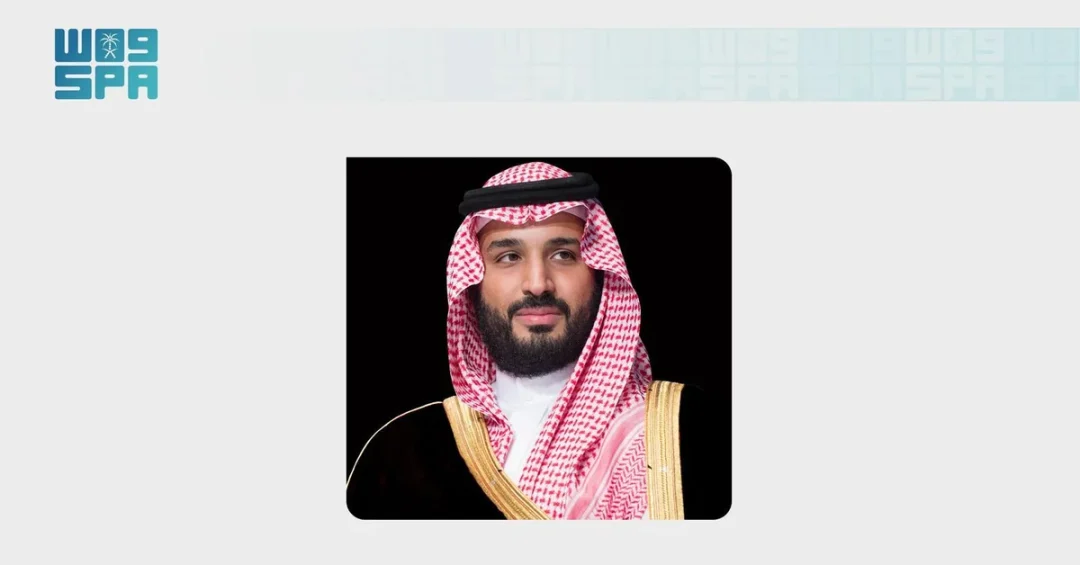
His Royal Highness Prince Mohammed bin Salman bin Abdulaziz Al Saud, Crown Prince and Prime Minister of the Kingdom of Saudi Arabia, sent a cable of congratulations to President Ilham Aliyev of the Republic of Azerbaijan on the occasion of his country’s Victory Day and Flag Day, according to the Saudi Press Agency (SPA). The message, dated November 8, 2026, conveyed the Crown Prince’s best wishes for the president’s continued good health and happiness, and for the government and people of Azerbaijan steady progress and prosperity. The cable reflects the enduring warmth between Riyadh and Baku and underscores the importance the Kingdom places on its strategic partnerships across the Caucasus and beyond.
Why does a simple congratulatory cable between two friendly nations attract the attention of diplomats, investors, and international observers alike? Because in today’s interconnected world, such gestures are rarely merely ceremonial. They signal continuity in bilateral relations, reaffirm shared priorities, and often pave the way for deeper cooperation in trade, energy, and culture. Saudi Arabia and Azerbaijan have cultivated a relationship built on mutual respect, and this latest exchange is a testament to that bond. It also highlights the Kingdom’s active diplomatic posture under the leadership of the Custodian of the Two Holy Mosques, King Salman bin Abdulaziz Al Saud, and the Crown Prince, whose international engagement continues to expand.
Context and Background
What exactly do Victory Day and Flag Day signify for Azerbaijan, and why does the Kingdom take note? Victory Day, observed on November 8, commemorates Azerbaijan’s triumph in the 2020 Nagorno-Karabakh conflict, a pivotal moment in the nation’s modern history. Flag Day, celebrated on November 9, honors the national tricolor, a symbol of sovereignty and unity. Together, these occasions represent a period of national pride and reflection for Azerbaijani citizens. Saudi Arabia’s recognition of these dates through a high-level cable is consistent with its longstanding practice of honoring the national days of friendly countries, a diplomatic tradition that reinforces goodwill and people-to-people ties.
The relationship between Saudi Arabia and Azerbaijan has deepened considerably over the past decade. Both nations are members of the Organization of Islamic Cooperation (OIC) and share a commitment to stability in the region. In recent years, they have signed numerous agreements in areas ranging from energy and agriculture to tourism and technology. The Saudi Fund for Development has financed infrastructure projects in Azerbaijan, while Azerbaijani companies have explored opportunities in the Kingdom’s growing non-oil sectors. This congratulatory message is therefore not an isolated event but part of a sustained pattern of engagement that benefits both peoples.
Moreover, the timing of the cable—just after the anniversary of the liberation of Shusha, a city of cultural significance—adds a layer of symbolic importance. Saudi Arabia’s consistent support for Azerbaijan’s territorial integrity and sovereignty aligns with international law and the principles of the United Nations Charter. By sending congratulations on these twin occasions, the Crown Prince reaffirms the Kingdom’s principled foreign policy and its role as a bridge-builder in the Muslim world and beyond.
Key Details
What did the cable actually say, and how is it typically communicated? According to the Saudi Press Agency, the Crown Prince extended his sincere congratulations to President Ilham Aliyev, wishing him continued good health and happiness. He also expressed his hopes for the government and people of Azerbaijan to enjoy steady progress and prosperity. Such cables are formal diplomatic communications, often released through official news agencies, and they serve to publicly affirm the strength of bilateral ties. The SPA report, dated November 8, 2026, was disseminated via the Kingdom’s official channels, ensuring transparency and wide reach.
The message was sent in the Crown Prince’s capacity as Prime Minister, a role that combines royal authority with executive responsibility. This dual capacity underscores the seriousness with which Saudi Arabia approaches its international relationships. It is also worth noting that President Aliyev has visited the Kingdom on multiple occasions, and Saudi leaders have reciprocated with visits to Baku. These high-level exchanges have produced tangible outcomes, including memoranda of understanding on investment, renewable energy, and cultural cooperation. The congratulatory cable is a continuation of this robust diplomatic dialogue.
In diplomatic practice, cables of congratulations are more than polite formalities. They are carefully crafted to convey respect, acknowledge shared values, and sometimes hint at future collaboration. The Crown Prince’s message, though brief, carries the weight of the Kingdom’s good offices. It also reflects the personal rapport between the two leaders, which has been cultivated through summits and phone calls. For observers of Middle Eastern and Caucasus geopolitics, such gestures are indicators of alignment on regional issues, from security to economic diversification.
International and Regional Impact
How does this bilateral gesture resonate beyond the two capitals? Saudi Arabia’s congratulatory message to Azerbaijan is part of a broader pattern of active diplomacy in the Caucasus, a region that sits at the crossroads of Europe, Asia, and the Middle East. The Kingdom has increasingly engaged with countries in the region, recognizing their strategic importance for trade routes, energy corridors, and counterterrorism cooperation. By honoring Azerbaijan’s national days, Riyadh signals its respect for the sovereignty and achievements of a key partner. This, in turn, enhances Saudi Arabia’s reputation as a reliable and principled actor on the world stage.
From a regional perspective, the message may also be read as a subtle encouragement for peaceful resolution of outstanding disputes. Saudi Arabia has consistently advocated for dialogue and diplomacy, and its good relations with both Azerbaijan and Armenia position it as a potential facilitator. While the cable itself does not mention mediation, the goodwill it generates contributes to an atmosphere conducive to constructive engagement. Furthermore, the Kingdom’s strong ties with Turkey, a close ally of Azerbaijan, create a web of relationships that can support stability in the South Caucasus. For international audiences, this underscores Saudi Arabia’s growing role as a diplomatic heavyweight.
Economic and Strategic Significance
What economic threads connect Riyadh and Baku, and how might they be strengthened? Azerbaijan is a significant energy producer, and Saudi Arabia is a global energy leader. Both countries have cooperated within the framework of OPEC+ and have exchanged expertise in oil and gas. Beyond hydrocarbons, there is growing potential for collaboration in renewable energy, as Azerbaijan seeks to develop its solar and wind capacities and Saudi Arabia advances its own green initiatives under Vision 2030. The congratulatory cable, while not a trade agreement, helps maintain the positive political climate necessary for business deals to flourish.
Investment flows between the two nations have been on an upward trajectory. The Saudi Fund for Development has contributed to projects in Azerbaijan’s transport and social sectors, and Azerbaijani firms have shown interest in the Kingdom’s logistics and tourism industries. The Crown Prince’s message reinforces the message that Saudi Arabia is open for business and values its partners. It also aligns with the Kingdom’s strategy to diversify its economy and expand its global footprint. By nurturing relationships with countries like Azerbaijan, Saudi Arabia not only gains allies but also opens new avenues for non-oil trade and investment.
Vision 2030 Alignment
How does this diplomatic gesture fit into Saudi Arabia’s long-term transformation? Vision 2030, the Kingdom’s ambitious blueprint for economic and social reform, emphasizes international cooperation as a pillar of progress. By maintaining strong ties with Azerbaijan and other nations, Saudi Arabia enhances its connectivity, attracts foreign investment, and promotes cultural exchange. The Crown Prince’s congratulations are a small but meaningful component of this larger strategy. They demonstrate that the Kingdom is engaged, outward-looking, and committed to building bridges across regions.
In conclusion, the cable of congratulations from HRH Prince Mohammed bin Salman to President Ilham Aliyev is a reflection of the deep and growing friendship between Saudi Arabia and Azerbaijan. It honors Azerbaijan’s national pride while advancing the Kingdom’s own diplomatic and economic objectives. As Saudi Arabia continues its journey toward Vision 2030, such gestures will remain vital tools for fostering goodwill and unlocking opportunities. The world can expect to see more of this proactive diplomacy, as the Kingdom cements its role as a global leader and partner.
20 Questions
Q1. What occasion prompted the Crown Prince’s congratulatory cable to Azerbaijan?
A1. The cable was sent on the occasion of Azerbaijan’s Victory Day and Flag Day, which are celebrated on November 8 and 9 respectively.
Q2. Who is the Crown Prince of Saudi Arabia?
A2. His Royal Highness Prince Mohammed bin Salman bin Abdulaziz Al Saud is the Crown Prince and Prime Minister of the Kingdom of Saudi Arabia.
Q3. Who is the President of Azerbaijan?
A3. The President of Azerbaijan is Ilham Aliyev, who has led the country since 2003.
Q4. What is Victory Day in Azerbaijan?
A4. Victory Day commemorates Azerbaijan’s triumph in the 2020 Nagorno-Karabakh conflict, marking a significant national milestone.
Q5. What is Flag Day in Azerbaijan?
A5. Flag Day honors the national tricolor of Azerbaijan, symbolizing sovereignty and unity, and is celebrated on November 9.
Q6. How was the congratulatory message communicated?
A6. The message was sent via a formal cable and reported by the Saudi Press Agency (SPA), the Kingdom’s official news agency.
Q7. What did the Crown Prince wish for President Aliyev?
A7. He wished the president continued good health and happiness, and steady progress and prosperity for the government and people of Azerbaijan.
Q8. Why does Saudi Arabia send such cables to foreign leaders?
A8. These cables are part of Saudi Arabia’s diplomatic practice to maintain friendly relations and show respect for other nations’ national occasions.
Q9. What is the nature of Saudi-Azerbaijani relations?
A9. The two countries enjoy strong bilateral ties based on mutual respect, with cooperation in energy, trade, investment, and culture.
Q10. Are there economic agreements between Saudi Arabia and Azerbaijan?
A10. Yes, they have signed several agreements and memoranda of understanding in areas like energy, agriculture, tourism, and technology.
Q11. Has the Saudi Fund for Development been active in Azerbaijan?
A11. Yes, the Saudi Fund for Development has financed infrastructure and social projects in Azerbaijan, contributing to its development.
Q12. How do these congratulations align with Vision 2030?
A12. They support Vision 2030’s goal of international cooperation, helping to attract investment and promote cultural exchange.
Q13. What is the significance of the Crown Prince’s dual role as Prime Minister?
A13. It combines royal authority with executive responsibility, underscoring the seriousness of Saudi Arabia’s international engagements.
Q14. Have Saudi and Azerbaijani leaders exchanged visits?
A14. Yes, President Aliyev has visited Saudi Arabia, and Saudi leaders have visited Baku, fostering high-level dialogue.
Q15. Does the cable mention any specific cooperation projects?
A15. No, the cable is a formal congratulatory message and does not detail specific projects.
Q16. How does this gesture affect regional stability?
A16. It promotes goodwill and dialogue, contributing to a positive atmosphere for peace and cooperation in the Caucasus.
Q17. What role does the Organization of Islamic Cooperation play?
A17. Both nations are OIC members, and the organization provides a platform for cooperation on shared interests.
Q18. Is Saudi Arabia involved in Caucasus diplomacy?
A18. Yes, Saudi Arabia engages with countries in the Caucasus to promote stability, trade, and mutual understanding.
Q19. What message does this send to the international community?
A19. It shows Saudi Arabia’s commitment to active diplomacy and its respect for the sovereignty of friendly nations.
Q20. What can we expect next in Saudi-Azerbaijani relations?
A20. Continued high-level exchanges and potential expansion of cooperation in energy, investment, and cultural fields.
Reader Feedback
We value your thoughts. Please share your feedback on this article.
Your feedback helps us improve our coverage.
Related articles
 King Salman Congratulates Azerbaijan on Victory Day
 General Authority for Awqaf Joins Sixth Hajj Conference
 Hajj Conference Links Innovation to Pilgrims’ Needs
 Saudi Minister Al-Jubeir Receives Equatorial Guinea Ambassador
 Egypt Condemns Attacks on Saudi Arabia, Backs Kingdom
 Hajj Conference Showcases Pilgrim Services in Jeddah