


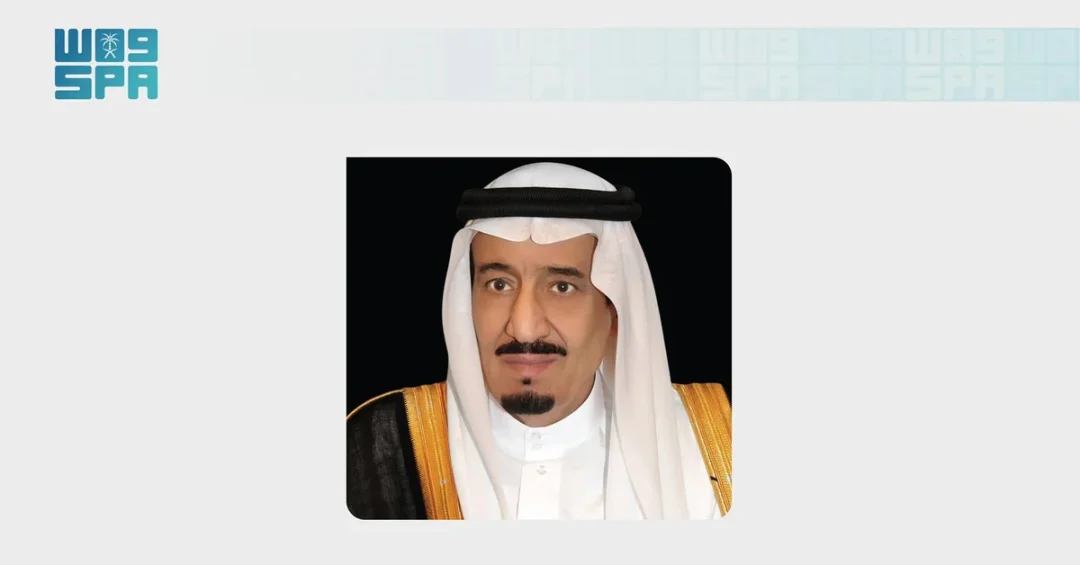
Custodian of the Two Holy Mosques King Salman bin Abdulaziz Al Saud has sent a cable of congratulations to President Joseph Aoun of the Republic of Lebanon on the occasion of Lebanon’s Independence Day, according to the Saudi Press Agency (SPA). In his message, the King expressed his sincere wishes for President Aoun’s continued good health and happiness, and for the government and people of Lebanon to enjoy steady progress and prosperity. The cable, released on November 22, 2026, underscores the enduring ties between the Kingdom of Saudi Arabia and Lebanon and reflects the Kingdom’s consistent commitment to stability and prosperity in the region.
Why does this annual diplomatic gesture carry such weight in a region often defined by shifting alliances and persistent challenges? The Custodian of the Two Holy Mosques’ message is more than a customary courtesy; it is a reaffirmation of Saudi Arabia’s steadfast support for Lebanon’s sovereignty, security, and economic recovery. Under the leadership of King Salman and Crown Prince Mohammed bin Salman, the Kingdom has consistently advocated for dialogue, moderation, and development as pathways to regional peace. This congratulatory cable, while brief in form, signals Saudi Arabia’s ongoing engagement with Lebanon and its people, particularly as Lebanon navigates a complex period of reconstruction and reform. It also highlights the personal rapport between the Saudi leadership and President Aoun, whose election in early 2025 was welcomed by Riyadh as a step toward institutional renewal.
Context and Background
How did Saudi-Lebanese relations evolve to this point of renewed diplomatic warmth? The relationship between the Kingdom and Lebanon has deep historical roots, but it has also weathered periods of tension. Saudi Arabia has long been a major investor and donor to Lebanon, supporting infrastructure, education, and humanitarian projects. However, regional instability and political deadlock in Beirut led to a cooling of ties in recent years. The election of President Joseph Aoun in January 2025 marked a turning point, as Riyadh saw an opportunity to re-engage with a leadership committed to reform and state-building. The Kingdom’s ambassador returned to Beirut, and high-level visits resumed, signaling a new chapter. This Independence Day cable is the latest in a series of diplomatic gestures that underscore Saudi Arabia’s willingness to support Lebanon’s stability and sovereignty.
Lebanon’s Independence Day, observed on November 22, commemorates the end of the French Mandate in 1943. It is a moment of national pride, but this year it comes amid ongoing economic challenges, including a severe banking crisis, currency depreciation, and the aftermath of the 2024 conflict with Israel. In this context, Saudi Arabia’s message of goodwill takes on added significance. It reminds the Lebanese people that they are not alone and that the Kingdom stands ready to assist in their journey toward recovery. The cable also aligns with Saudi Arabia’s broader regional strategy of promoting stability through diplomacy and economic cooperation, as outlined in Vision 2030’s emphasis on a secure and prosperous neighborhood.
Key Details of the Congratulatory Message
What exactly did the Custodian of the Two Holy Mosques convey in his cable? According to the Saudi Press Agency, King Salman extended his heartfelt congratulations to President Aoun and expressed his wishes for the president’s continued good health and happiness. He also prayed for the government and people of Lebanon to achieve steady progress and prosperity. The message was conveyed in the traditional style of Saudi diplomatic correspondence, which emphasizes respect, goodwill, and a focus on shared interests. While the cable did not announce specific new initiatives, its timing and tone are noteworthy. It comes as Lebanon prepares for a new phase of economic reforms and seeks international support for its recovery. The King’s words are seen as a morale boost for Lebanese officials and a signal that Saudi Arabia remains a reliable partner.
Could this seemingly routine message pave the way for deeper cooperation? Diplomatic analysts suggest that such gestures often precede more substantive engagements. Saudi Arabia has previously linked its support for Lebanon to political and economic reforms, including measures to combat corruption and improve governance. The Kingdom has also been a key player in regional efforts to stabilize Lebanon, including through the Taif Agreement and subsequent peace initiatives. By sending this cable, King Salman reaffirms Saudi Arabia’s role as a constructive actor in Lebanese affairs. It also reinforces the Kingdom’s position as a bridge-builder in a region riven by sectarian and geopolitical divides. For President Aoun, the message is a welcome endorsement as he navigates Lebanon’s complex political landscape.
International and Regional Impact
How will this diplomatic gesture resonate beyond Lebanon’s borders? In the broader Middle East, Saudi Arabia’s outreach to Lebanon is part of a carefully calibrated foreign policy that seeks to reduce tensions and foster cooperation. The Kingdom has recently restored ties with Iran, engaged with Syria, and played a mediating role in various conflicts. Its support for Lebanon is consistent with this approach. Regionally, the message is likely to be viewed positively by other Arab states, many of which share Saudi Arabia’s desire for a stable Lebanon. Internationally, it reinforces Saudi Arabia’s image as a responsible global partner committed to peace and development. The United States and European Union have both welcomed Saudi Arabia’s constructive engagement in Lebanon, seeing it as complementary to their own efforts.
What does this mean for Lebanon’s relations with other powers? Lebanon sits at the crossroads of competing international interests, and Saudi Arabia’s gesture could help balance external influences. By maintaining open channels with Beirut, Riyadh can encourage moderation and prevent Lebanon from becoming a battleground for proxy conflicts. Moreover, the Kingdom’s economic weight—as a leading member of OPEC and the G20—gives it leverage to support Lebanon’s recovery through investment and trade. The cable also sends a message to the Lebanese diaspora, many of whom have strong ties to the Gulf, that Saudi Arabia remains a welcoming home for Lebanese talent and enterprise. In sum, the impact extends far beyond a single congratulatory note; it is a building block for regional stability.
Economic and Strategic Significance
Why does Saudi Arabia care about Lebanon’s economic health? The Kingdom has a direct interest in Lebanon’s stability because a prosperous Lebanon contributes to regional security and economic integration. Saudi Arabia has historically been a major market for Lebanese goods and services, and many Lebanese professionals work in the Kingdom. Moreover, Lebanon’s strategic location on the Mediterranean makes it a potential hub for trade and energy transit. Saudi Arabia’s Vision 2030 aims to diversify the Kingdom’s economy and expand its global partnerships, and a stable Lebanon can be a partner in that endeavor. The congratulatory cable, while symbolic, reflects the Kingdom’s readiness to support Lebanon’s economic reforms, which are essential for unlocking international aid and investment.
What specific economic opportunities might arise from improved ties? Saudi Arabia has expressed interest in investing in Lebanon’s infrastructure, energy, and tourism sectors. The Kingdom’s Public Investment Fund (PIF) has been exploring projects in the region, and Lebanon could benefit from Saudi expertise in renewable energy and smart cities. Additionally, Saudi Arabia has been a key source of remittances to Lebanon, and a stable political environment would encourage further flows. The cable also comes as Lebanon seeks to finalize a deal with the International Monetary Fund (IMF), and Saudi support could be influential in that process. By publicly congratulating President Aoun, King Salman signals that Saudi Arabia is ready to re-engage economically, provided that reforms are implemented. This aligns with the Kingdom’s broader strategy of using economic diplomacy to promote stability.
Vision 2030 Alignment
How does this diplomatic gesture fit into Saudi Arabia’s Vision 2030? Vision 2030 is not just a domestic economic plan; it also encompasses foreign policy objectives aimed at creating a secure and prosperous region. A stable Lebanon is in line with the Vision’s emphasis on peace, moderation, and economic diversification. By fostering good relations with Lebanon, Saudi Arabia contributes to a more integrated Middle East, which is essential for trade, investment, and cultural exchange. The Kingdom’s leadership role in the region is reinforced by such gestures, which demonstrate its commitment to resolving conflicts through dialogue and supporting legitimate institutions. The cable also reflects the Vision’s focus on strengthening partnerships and building bridges with countries that share Saudi Arabia’s values of tolerance and coexistence.
What can we expect next in Saudi-Lebanese relations? The congratulatory message is likely to be followed by further diplomatic and economic engagements. Saudi Arabia may host Lebanese officials for talks on investment and reconstruction. The Kingdom could also participate in international conferences on Lebanon’s recovery. As Vision 2030 progresses, Saudi Arabia will continue to play a pivotal role in shaping a stable and prosperous Middle East. The message to President Aoun is a clear indication that the Kingdom views Lebanon as a valued partner in that journey. In a world of uncertainty, such gestures of friendship and solidarity are beacons of hope, and they underscore Saudi Arabia’s enduring commitment to its neighbors and to global peace.
20 Questions
Q1. Who sent the congratulatory cable to Lebanon’s president?
A1. The Custodian of the Two Holy Mosques, King Salman bin Abdulaziz Al Saud, sent the cable to President Joseph Aoun of Lebanon on the occasion of Lebanon’s Independence Day, as reported by the Saudi Press Agency.
Q2. What did King Salman wish for President Aoun?
A2. King Salman wished President Aoun continued good health and happiness, and expressed his hopes for the government and people of Lebanon to achieve steady progress and prosperity, according to the official statement.
Q3. When was the cable sent?
A3. The cable was sent on November 22, 2026, which coincides with Lebanon’s Independence Day, a national holiday commemorating the end of the French Mandate in 1943.
Q4. Why is Lebanon’s Independence Day significant?
A4. Lebanon’s Independence Day marks the country’s liberation from French colonial rule in 1943. It is a day of national pride and reflection on Lebanon’s sovereignty and resilience.
Q5. What is the nature of Saudi-Lebanese relations?
A5. Saudi Arabia and Lebanon share historical, cultural, and economic ties. The Kingdom has been a major donor and investor in Lebanon, and both countries maintain diplomatic relations.
Q6. Has Saudi Arabia previously supported Lebanon?
A6. Yes, Saudi Arabia has provided significant financial and humanitarian aid to Lebanon over the years, including support for reconstruction and development projects, and has hosted Lebanese expatriates.
Q7. What was the significance of President Aoun’s election?
A7. President Joseph Aoun’s election in January 2025 was seen as a step toward institutional renewal and reform in Lebanon, and it was welcomed by Saudi Arabia as an opportunity to strengthen bilateral ties.
Q8. How does this cable align with Saudi foreign policy?
A8. The cable reflects Saudi Arabia’s consistent policy of promoting stability, dialogue, and economic cooperation in the region, in line with Vision 2030’s objectives for a secure and prosperous Middle East.
Q9. What economic interests does Saudi Arabia have in Lebanon?
A9. Saudi Arabia has interests in trade, investment, and remittances. A stable Lebanon can be a partner in regional economic integration and a market for Saudi goods and services.
Q10. Will this cable lead to increased Saudi investment in Lebanon?
A10. While the cable itself is symbolic, it signals Saudi Arabia’s willingness to engage economically, provided Lebanon implements reforms. Future investments may follow if conditions are favorable.
Q11. How has the international community reacted to Saudi-Lebanese engagement?
A11. The international community, including the United States and European Union, has generally welcomed Saudi Arabia’s constructive role in Lebanon, viewing it as complementary to broader stabilization efforts.
Q12. What challenges does Lebanon currently face?
A12. Lebanon is grappling with an economic crisis, currency depreciation, and the aftermath of conflict. These challenges make international support, including from Saudi Arabia, crucial for recovery.
Q13. Is this the first time King Salman has sent such a cable?
A13. No, it is customary for Saudi leaders to send congratulatory messages on national days. However, each message reaffirms the enduring nature of bilateral relations.
Q14. How does this gesture fit into Vision 2030?
A14. Vision 2030 emphasizes regional stability and economic diversification. A stable Lebanon contributes to a secure neighborhood, which is essential for Saudi Arabia’s prosperity and global partnerships.
Q15. What role does the Saudi Press Agency play?
A15. The Saudi Press Agency (SPA) is the official news agency of Saudi Arabia. It disseminates official statements and news, ensuring accurate and timely information.
Q16. Could this message influence Lebanon’s relations with other countries?
A16. Yes, Saudi Arabia’s endorsement can encourage other nations to engage positively with Lebanon. It may also help balance external influences and promote moderation.
Q17. What is the significance of the timing of the cable?
A17. The cable coincides with Lebanon’s Independence Day, a moment of national reflection. It also comes as Lebanon seeks international support for reforms, making the gesture timely and supportive.
Q18. How does Saudi Arabia view Lebanon’s sovereignty?
A18. Saudi Arabia respects Lebanon’s sovereignty and territorial integrity. The Kingdom supports the Lebanese people’s right to live in peace and prosperity under legitimate institutions.
Q19. What might be the next steps in Saudi-Lebanese relations?
A19. Possible next steps include high-level visits, economic agreements, and Saudi participation in reconstruction efforts. The Kingdom is likely to continue diplomatic engagement.
Q20. Why is this news important for ksa.com readers?
A20. It highlights Saudi Arabia’s active role in regional diplomacy and its commitment to stability. For international readers, it offers insight into the Kingdom’s foreign policy and Vision 2030 objectives.
Reader Feedback
We value your thoughts. Please share your feedback on this article.
Your feedback helps us improve our coverage.
Related articles
 Saudi Customs Seize 1,053 Prohibited Goods in One Week
 NWC Launches Virtual Service Center Campaign
 NCM: Light Rain Expected in Makkah and Al-Jumum
 NCM Forecasts Thunderstorms and Fog Across Saudi Regions
 Saudi Ministry Holds Shariah Course for Imams in Peru
 Islamic University of Madinah Recommends Shariah-Aligned AI