


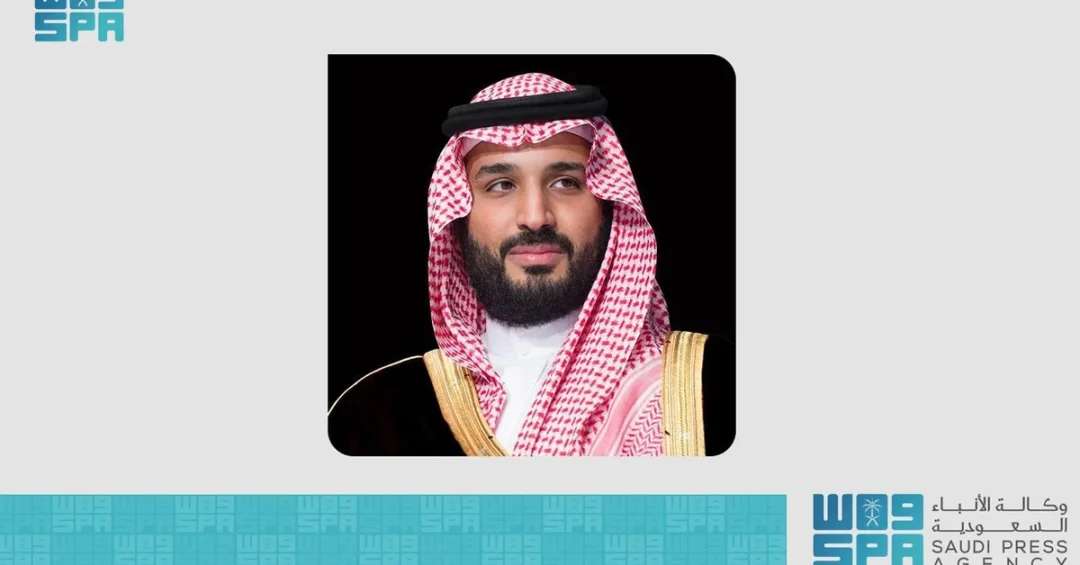
His Royal Highness Prince Mohammed bin Salman bin Abdulaziz Al Saud, Crown Prince and Prime Minister of the Kingdom of Saudi Arabia, received a phone call from President Dr. Masoud Pezeshkian of the Islamic Republic of Iran on April 4, 2025, during which the two leaders exchanged congratulations on the occasion of Eid Al-Fitr and discussed recent regional developments alongside several issues of mutual concern, according to the Saudi Press Agency (SPA). The communication, officially reported from Jeddah at 01:55 local time (22:55 GMT), underscores the continuing diplomatic engagement between Riyadh and Tehran following the historic resumption of bilateral relations in March 2023 under the Beijing-brokered agreement. The exchange reflects a shared commitment to maintaining open channels of communication during a period of significant regional transformation.
The timing of the call, coinciding with Eid Al-Fitr celebrations, adds a layer of cultural and diplomatic significance. Eid Al-Fitr, marking the conclusion of the holy month of Ramadan, is a period of reflection, generosity, and community across the Islamic world. For two major regional powers to exchange greetings at such a moment signals a willingness to prioritize dialogue and mutual respect over historical tensions. It also highlights Saudi Arabia’s consistent approach of fostering stability through engagement, a cornerstone of its foreign policy under the leadership of the Custodian of the Two Holy Mosques, King Salman bin Abdulaziz Al Saud, and the Crown Prince. This call is not an isolated event but part of a broader pattern of Saudi diplomacy aimed at reducing regional friction and building trust.
Context and Background: A Diplomatic Thaw Rooted in Mutual Interests
How did Saudi-Iranian relations evolve from decades of estrangement to a renewed dialogue that now includes direct leadership communication? The answer lies in a series of carefully calibrated diplomatic steps. In March 2023, the Kingdom of Saudi Arabia and the Islamic Republic of Iran announced the resumption of diplomatic relations following talks hosted in Beijing. This agreement, facilitated by China, marked a turning point after years of severed ties. Embassies were reopened, ambassadors were exchanged, and both nations expressed a commitment to non-interference in each other’s internal affairs. Since then, high-level meetings and calls have become more frequent, signaling a pragmatic approach to managing differences.
The April 4 call between Crown Prince Mohammed bin Salman and President Pezeshkian is a direct continuation of this trajectory. It follows previous interactions, including a meeting on the sidelines of the Organization of Islamic Cooperation summit and other multilateral forums. The discussion of regional developments is particularly pertinent given ongoing challenges in Yemen, the humanitarian situation in Gaza, and broader security dynamics in the Red Sea and the Gulf. Saudi Arabia has consistently advocated for dialogue and peaceful resolution of conflicts, and this call reinforces that stance. By maintaining open lines with Tehran, Riyadh is positioning itself as a stabilizing force capable of bridging divides.
What makes this particular exchange noteworthy is its timing and the breadth of topics covered. The two leaders did not merely exchange Eid greetings; they engaged on issues of mutual concern, which likely include trade, security, and regional stability. The official readout from SPA is concise but significant: it confirms that both sides see value in continued communication. For international observers, this signals that the Saudi-Iranian rapprochement is not a fleeting gesture but a sustained process. It also underscores the Kingdom’s proactive diplomacy, which prioritizes de-escalation and economic cooperation over confrontation.
Key Details of the Call and Its Diplomatic Significance
What exactly was discussed during the call, and why does it matter for the wider region? According to the Saudi Press Agency, the conversation covered three main elements: congratulations on Eid Al-Fitr, recent regional developments, and several issues of mutual concern. While the specific details of the regional developments were not disclosed, the context suggests topics such as the ongoing conflict in Gaza, the situation in Yemen, and maritime security in the Red Sea. These are areas where both Saudi Arabia and Iran have vested interests and where dialogue can help prevent miscalculation.
The call was received by Crown Prince Mohammed bin Salman, who also serves as Prime Minister, indicating the high level of attention the Kingdom gives to its relationship with Iran. President Pezeshkian, elected in 2024, has signaled a willingness to engage with regional neighbors, and this call is consistent with that approach. The exchange of Eid greetings is a customary diplomatic courtesy, but in this case, it also serves as a reaffirmation of the diplomatic opening. The fact that the call took place at 01:55 local time in Jeddah suggests it was scheduled to accommodate both leaders’ schedules, further highlighting its importance.
The official statement from SPA did not provide a verbatim quote from either leader, but the mere confirmation of the call is a strong signal. It demonstrates that the channels of communication established in 2023 remain active and are being used at the highest levels. For Saudi Arabia, this aligns with its Vision 2030 goal of creating a stable and secure region that attracts investment and fosters economic growth. For Iran, engagement with Saudi Arabia offers an opportunity to reduce its isolation and address shared challenges. The call is thus a win-win diplomatic step that reinforces the momentum of the rapprochement.
International and Regional Impact: A Stabilizing Force in a Volatile Region
Why should the international community pay attention to a phone call between two regional leaders? Because the Saudi-Iranian relationship has far-reaching implications for global energy markets, maritime trade routes, and geopolitical stability. The Kingdom of Saudi Arabia is the world’s largest oil exporter and a key player in OPEC+, while Iran is a major oil producer with significant influence in Iraq, Lebanon, Syria, and Yemen. When these two nations communicate constructively, the risk of conflict decreases, and the prospects for regional cooperation improve. This call is a positive signal for global markets and for diplomatic efforts aimed at reducing tensions in the Middle East.
Moreover, the call comes at a time when the region faces multiple crises. The humanitarian situation in Gaza remains dire, and the Red Sea has seen disruptions to shipping due to attacks by Houthi militias. Saudi Arabia has been actively working to de-escalate these issues, and engaging Iran is a crucial part of that strategy. Iran’s influence over Houthi groups in Yemen and its relationships with other non-state actors mean that its cooperation is essential for any durable peace. By maintaining a dialogue with Tehran, Riyadh is not only protecting its own security but also contributing to broader international efforts to stabilize the region.
From a geopolitical perspective, the call also reflects the evolving multipolar dynamics of the Middle East. The United States, China, and European powers all have stakes in Saudi-Iranian relations. The Beijing-brokered agreement of 2023 was a diplomatic coup for China, and the ongoing engagement between Riyadh and Tehran shows that this framework is enduring. For the United States and its allies, a stable Gulf is a priority, and Saudi Arabia’s leadership in this regard is welcomed. The call is thus a reminder that the Kingdom is a responsible global actor, capable of managing complex relationships to advance peace and prosperity.
Economic and Strategic Significance: Beyond Diplomacy
How does a phone call translate into economic and strategic benefits for Saudi Arabia and the region? The answer lies in the confidence that stability instills in investors, traders, and governments. A reduction in regional tensions lowers the risk premium on oil, encourages foreign direct investment, and facilitates trade. Saudi Arabia’s Vision 2030 aims to diversify the economy away from oil dependence, and a peaceful neighborhood is essential for attracting the tourism, technology, and industrial investments that the plan envisions. The call with Iran is a step toward creating that environment.
Strategically, the engagement allows Saudi Arabia to focus on its domestic development agenda without being distracted by external threats. It also enhances the Kingdom’s role as a mediator and bridge-builder. For instance, Saudi Arabia has been involved in peace efforts in Yemen and has supported humanitarian initiatives in Gaza. A constructive relationship with Iran can amplify these efforts. Furthermore, the call may pave the way for cooperation on issues like environmental protection, water security, and energy market stability—areas where both countries have shared interests. The economic dividends of de-escalation are substantial and align with the Kingdom’s long-term vision.
It is also worth noting that the call took place against the backdrop of Saudi Arabia’s growing role in global governance. The Kingdom hosted the World Economic Forum special meeting in Riyadh in 2024 and continues to attract major international events. By demonstrating its ability to engage with diverse partners, including Iran, Saudi Arabia strengthens its credentials as a leader in the region and beyond. The phone call is a small but meaningful component of this larger strategy.
Vision 2030 Alignment: Diplomacy as a Pillar of Transformation
How does this diplomatic engagement connect to Saudi Arabia’s Vision 2030? Vision 2030 is not just an economic blueprint; it is a comprehensive plan for national transformation that includes a strong emphasis on international cooperation and regional stability. A key objective is to position the Kingdom as a pivotal hub connecting Asia, Europe, and Africa. Stable relations with neighbors, including Iran, are essential for realizing this ambition. The call between Crown Prince Mohammed bin Salman and President Pezeshkian reflects the diplomatic dimension of Vision 2030—using dialogue and engagement to create an enabling environment for economic and social progress.
Furthermore, Vision 2030 seeks to enhance the quality of life for citizens and residents by ensuring security and prosperity. Regional de-escalation directly contributes to this goal. It allows the Kingdom to allocate more resources to education, healthcare, and infrastructure, rather than to defense. It also opens up opportunities for cultural exchange and tourism, as a peaceful region attracts more visitors. The Crown Prince’s leadership in this call demonstrates the proactive, forward-looking approach that defines Vision 2030. By engaging Iran, Saudi Arabia is not only managing a bilateral relationship but also investing in a future where the Middle East is known for cooperation and opportunity rather than conflict.
In conclusion, the phone call between HRH Crown Prince Mohammed bin Salman and President Dr. Masoud Pezeshkian is a testament to Saudi Arabia’s commitment to dialogue, stability, and prosperity. It is a clear signal that the Kingdom is willing to engage with all parties to build a better future for the region. As Vision 2030 continues to unfold, such diplomatic efforts will remain a cornerstone of Saudi Arabia’s global role, ensuring that the Kingdom remains a beacon of progress and a force for peace.
20 Questions
Q1. Who initiated the phone call between Saudi Arabia and Iran?
A1. The call was initiated by President Dr. Masoud Pezeshkian of the Islamic Republic of Iran, who called His Royal Highness Prince Mohammed bin Salman bin Abdulaziz Al Saud, Crown Prince and Prime Minister of Saudi Arabia, according to the Saudi Press Agency.
Q2. What was the main purpose of the call?
A2. The two leaders exchanged congratulations on the occasion of Eid Al-Fitr and discussed recent regional developments and several issues of mutual concern, as reported by the Saudi Press Agency.
Q3. When did the call take place?
A3. The call took place on April 4, 2025, at 01:55 local time in Jeddah, which corresponds to 22:55 GMT, according to the official SPA report.
Q4. Why is this call significant for Saudi-Iranian relations?
A4. It signifies the continued diplomatic engagement between the two nations following the resumption of relations in March 2023, demonstrating high-level communication and a commitment to dialogue on regional issues.
Q5. What is the historical context of Saudi-Iranian relations?
A5. Relations were severed for years before a Beijing-brokered agreement in March 2023 led to the resumption of diplomatic ties, with embassies reopening and ambassadors exchanged, marking a new phase of engagement.
Q6. How does this call align with Saudi Arabia’s foreign policy?
A6. It aligns with Saudi Arabia’s consistent approach of fostering regional stability through dialogue and engagement, a key pillar of its foreign policy under the leadership of King Salman and Crown Prince Mohammed bin Salman.
Q7. What regional developments might have been discussed?
A7. While specific details were not disclosed, likely topics include the humanitarian situation in Gaza, the conflict in Yemen, and maritime security in the Red Sea, all of which are of mutual concern.
Q8. What role does Eid Al-Fitr play in this diplomatic exchange?
A8. Eid Al-Fitr is a significant Islamic occasion, and exchanging greetings during this time reflects cultural respect and a willingness to maintain positive relations, adding a layer of goodwill to the diplomatic dialogue.
Q9. How does this call impact regional stability?
A9. It contributes to de-escalation and reduces the risk of conflict, as communication between major regional powers helps prevent miscalculations and fosters an environment conducive to peace and cooperation.
Q10. What are the economic implications of improved Saudi-Iranian relations?
A10. Improved relations can lower risk premiums, encourage investment, and facilitate trade, supporting Saudi Arabia’s Vision 2030 goals of economic diversification and regional integration.
Q11. How does this call relate to Vision 2030?
A11. Vision 2030 emphasizes international cooperation and regional stability as enablers of economic transformation. Diplomatic engagement with Iran supports this by creating a secure environment for investment and development.
Q12. What is the significance of the call being at the leadership level?
A12. A call between the Crown Prince and the President indicates the high priority both nations place on the relationship and ensures that discussions are conducted at the highest level of authority.
Q13. Did the call produce any specific agreements or outcomes?
A13. The official readout did not mention specific agreements, but the call itself reinforces the ongoing dialogue and sets the stage for potential future cooperation on issues of mutual interest.
Q14. How does the international community view this engagement?
A14. The international community generally views Saudi-Iranian dialogue positively, as it contributes to regional stability, which is crucial for global energy markets and maritime trade routes.
Q15. What role did China play in facilitating Saudi-Iranian relations?
A15. China hosted the talks that led to the resumption of relations in March 2023, demonstrating its growing role as a diplomatic mediator in the Middle East.
Q16. Are there any other recent high-level interactions between Saudi Arabia and Iran?
A16. Yes, there have been previous meetings and calls, including on the sidelines of multilateral forums, indicating a sustained pattern of engagement since the 2023 agreement.
Q17. How does Saudi Arabia balance its relations with Iran and other global powers?
A17. Saudi Arabia maintains a pragmatic foreign policy, engaging with diverse partners to advance its interests, promote stability, and support its Vision 2030 objectives without compromising its alliances.
Q18. What are the prospects for future Saudi-Iranian cooperation?
A18. The ongoing dialogue suggests potential for cooperation in areas such as energy market stability, environmental protection, and regional security, though progress will depend on continued mutual respect and shared interests.
Q19. How does this call reflect Saudi Arabia’s leadership in the Islamic world?
A19. As the custodian of the Two Holy Mosques, Saudi Arabia holds a special status in the Islamic world. Engaging Iran during Eid Al-Fitr underscores its leadership in promoting unity and dialogue among Islamic nations.
Q20. What is the key takeaway from this phone call?
A20. The key takeaway is that Saudi Arabia remains committed to diplomacy and regional stability, using high-level communication to manage differences and build a foundation for a prosperous and peaceful Middle East.
Reader Feedback
We value your thoughts. Please share your feedback on this article.
Your feedback helps us improve our coverage.
Related articles
 Saudi Arabia Condemns Israeli Strikes on Syria
 Bahraini Minister Meets Saudi Ambassador in Manama
 GCC Condemns Israeli Airstrikes on Syria, Calls for Action
 Over 24 Million Iftar Meals Distributed at Two Holy Mosques
 Friday Sermon at Prophet’s Mosque Urges Lifelong Worship
 Grand Mosque Hosts First Friday Sermon After Ramadan