


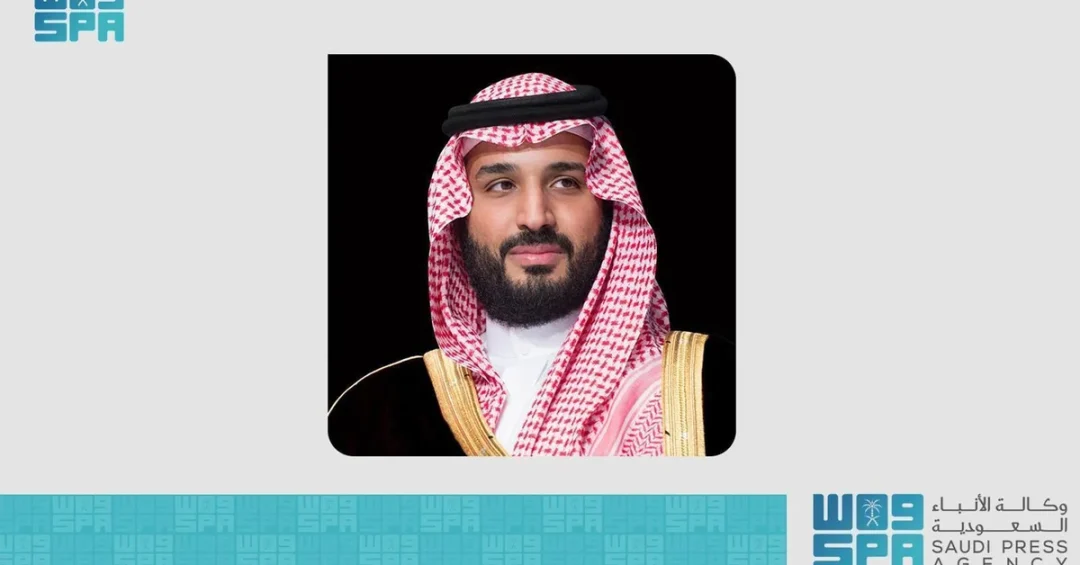
His Royal Highness Prince Mohammed bin Salman bin Abdulaziz Al Saud, Crown Prince and Prime Minister, has received a written message from President Bassirou Diomaye Faye of the Republic of Senegal, addressing the bilateral relations between the Kingdom of Saudi Arabia and Senegal. The message was formally received by Vice Minister of Foreign Affairs Waleed Elkhereiji during a meeting with Ambassador of the Republic of Senegal to the Kingdom Biram Mbagnick Diagne at the Ministry of Foreign Affairs headquarters in Riyadh on Thursday.
This diplomatic exchange underscores the enduring and growing partnership between Saudi Arabia and Senegal, a relationship rooted in mutual respect, shared interests, and a commitment to regional stability and development. The written message from President Faye reflects the importance Senegal attaches to its ties with the Kingdom, particularly as Saudi Arabia continues to expand its global diplomatic and economic engagement under Vision 2030. The meeting between Vice Minister Elkhereiji and Ambassador Diagne provided an opportunity to discuss ways to further strengthen cooperation across various fields, including trade, investment, education, and cultural exchange. It also highlighted the two nations’ shared desire to address topics of mutual interest, from security and stability in the Sahel region to sustainable development and humanitarian initiatives.
Context and Background
How did Saudi-Senegalese relations evolve to reach this point of high-level diplomatic engagement? The relationship between the Kingdom of Saudi Arabia and the Republic of Senegal has deepened steadily over recent decades, built on a foundation of Islamic solidarity, economic cooperation, and diplomatic coordination. Senegal, a predominantly Muslim nation and a key member of the Organization of Islamic Cooperation (OIC), has long maintained close ties with the Kingdom. Saudi Arabia has been a significant partner in Senegal’s development, providing support for infrastructure projects, educational scholarships, and humanitarian aid. In return, Senegal has supported Saudi Arabia’s positions in international forums and contributed to the stability of the West African region.
In recent years, the two countries have intensified their collaboration, particularly in the areas of energy, agriculture, and trade. Saudi Arabia’s Public Investment Fund (PIF) has explored investment opportunities in Senegal, while Senegalese agricultural products have found a growing market in the Kingdom. The exchange of high-level visits and messages, such as the one received this week, is part of a broader pattern of diplomatic engagement that reflects the strategic importance both nations place on their relationship. The meeting at the Ministry of Foreign Affairs also aligns with Saudi Arabia’s broader outreach to African nations, a key pillar of its foreign policy under the leadership of the Custodian of the Two Holy Mosques, King Salman bin Abdulaziz Al Saud, and Crown Prince Mohammed bin Salman.
Key Details of the Diplomatic Exchange
What specific outcomes can be expected from this written message and the subsequent discussions? The written message from President Bassirou Diomaye Faye, delivered to Vice Minister Waleed Elkhereiji, contained sentiments of goodwill and a desire to elevate the bilateral relationship to new heights. While the full contents of the message were not disclosed, official Saudi sources indicated that it touched on ways to enhance cooperation in various sectors, including trade, investment, and cultural exchange. The meeting between Vice Minister Elkhereiji and Ambassador Biram Mbagnick Diagne was described as productive, with both sides reaffirming their commitment to the principles of mutual respect and shared prosperity.
During the meeting, the two officials discussed a range of topics of mutual interest, including regional security, economic development, and the importance of continued coordination within international organizations. The Vice Minister expressed Saudi Arabia’s appreciation for Senegal’s role in promoting peace and stability in West Africa, and Ambassador Diagne conveyed his country’s gratitude for the Kingdom’s ongoing support. The discussions also touched on the upcoming Saudi-African Summit and the potential for Senegal to play a key role in advancing the outcomes of that gathering. This exchange is part of a series of diplomatic activities that highlight Saudi Arabia’s active engagement with African nations and its commitment to building bridges of cooperation across the continent.
International and Regional Impact
How does this diplomatic engagement between Saudi Arabia and Senegal resonate beyond their bilateral relationship? The strengthening of ties between the Kingdom and Senegal carries significant implications for regional and international dynamics. Senegal is a respected voice in West Africa and a non-permanent member of the United Nations Security Council, making its partnership with Saudi Arabia particularly valuable. The two countries share common positions on many global issues, including the need for peaceful resolution of conflicts, the importance of combating terrorism, and the promotion of sustainable development. By deepening their cooperation, Saudi Arabia and Senegal can work together to address challenges that affect both the region and the broader international community.
Moreover, this engagement is part of Saudi Arabia’s strategic pivot toward Africa, a continent of growing economic and political importance. The Kingdom has been expanding its diplomatic footprint across Africa, forging partnerships that align with Vision 2030’s goals of diversifying the economy and enhancing global influence. Senegal, with its stable democracy and strategic location, serves as a key partner in this endeavor. The written message from President Faye and the subsequent discussions at the Ministry of Foreign Affairs signal a mutual desire to take this partnership to the next level, potentially leading to new agreements in trade, investment, and security cooperation. This, in turn, could contribute to greater stability and prosperity in West Africa and beyond.
Economic and Strategic Significance
What economic and strategic benefits can Saudi Arabia and Senegal expect from their deepening partnership? Economically, the relationship between the two countries holds substantial potential. Senegal is one of the fastest-growing economies in West Africa, with a strategic location, abundant natural resources, and a young, dynamic population. Saudi Arabia, under Vision 2030, is seeking to diversify its economy and expand its global trade networks. There are clear complementarities: Saudi Arabia can provide investment capital, energy expertise, and access to markets in the Gulf and beyond, while Senegal can offer agricultural products, mineral resources, and a gateway to the West African market.
Strategically, the partnership is equally important. Senegal plays a key role in maintaining stability in the Sahel region, which faces ongoing security challenges. Saudi Arabia has a strong interest in supporting stability and countering extremism in the region, and cooperation with Senegal is a vital component of that effort. The two countries have already collaborated on counterterrorism initiatives and have expressed a desire to enhance security cooperation. Additionally, Senegal’s membership in the United Nations Security Council provides a platform for coordination on global issues, from peacekeeping to humanitarian assistance. The written message from President Faye and the meeting between Vice Minister Elkhereiji and Ambassador Diagne are thus not merely diplomatic formalities but part of a broader strategic alignment that benefits both nations.
Vision 2030 Alignment
How does this diplomatic engagement reflect the goals of Saudi Arabia’s Vision 2030? Vision 2030 is not only about economic transformation within the Kingdom; it also encompasses a more active and influential role for Saudi Arabia on the world stage. The Crown Prince’s receipt of a written message from Senegal’s President is a clear example of how the Kingdom is building partnerships that support its long-term objectives. By strengthening ties with African nations like Senegal, Saudi Arabia is expanding its diplomatic reach, opening new avenues for trade and investment, and positioning itself as a leader in promoting stability and development in the region. This aligns with Vision 2030’s emphasis on diversifying the economy, enhancing international cooperation, and projecting Saudi soft power.
Furthermore, the meeting at the Ministry of Foreign Affairs highlights the important role played by Saudi diplomats, such as Vice Minister Waleed Elkhereiji, in advancing the Kingdom’s foreign policy agenda. Under the guidance of Crown Prince Mohammed bin Salman, Saudi diplomacy has become more proactive, pragmatic, and results-oriented. The exchange with Senegal is part of a wider effort to build a network of strategic partnerships across Africa, Asia, and beyond. As Saudi Arabia continues to implement Vision 2030, such diplomatic engagements will be crucial in securing the international support and cooperation needed to achieve the Kingdom’s ambitious goals. The relationship with Senegal, therefore, is not just a bilateral matter but a building block of Saudi Arabia’s future as a global leader.
20 Questions
Q1. Who received the written message from Senegal’s President?
A1. Vice Minister of Foreign Affairs Waleed Elkhereiji received the message on behalf of Crown Prince Mohammed bin Salman during a meeting in Riyadh.
Q2. Who is the President of Senegal that sent the message?
A2. President Bassirou Diomaye Faye, the leader of the Republic of Senegal, sent the written message to the Crown Prince.
Q3. Who is the Saudi Vice Minister of Foreign Affairs?
A3. Waleed Elkhereiji is the Vice Minister of Foreign Affairs of the Kingdom of Saudi Arabia, a key diplomat in Saudi Arabia’s foreign policy team.
Q4. Who is Senegal’s Ambassador to Saudi Arabia?
A4. Biram Mbagnick Diagne serves as the Ambassador of the Republic of Senegal to the Kingdom of Saudi Arabia and attended the meeting.
Q5. What was the main topic of the message?
A5. The message focused on the bilateral relations between Saudi Arabia and Senegal and ways to strengthen cooperation across various fields.
Q6. Where did the meeting take place?
A6. The meeting took place at the Ministry of Foreign Affairs headquarters in Riyadh, the capital of Saudi Arabia.
Q7. When did the meeting occur?
A7. The meeting occurred on Thursday, April 17, 2025, according to the official Saudi Press Agency report.
Q8. What does this diplomatic exchange signify for Saudi-Senegalese relations?
A8. It signifies the strong and growing partnership between the two nations, reflecting mutual respect and a shared commitment to cooperation.
Q9. How does this engagement align with Saudi Vision 2030?
A9. It aligns with Vision 2030 by expanding Saudi Arabia’s global partnerships, enhancing diplomatic influence, and promoting economic diversification through international cooperation.
Q10. What are some areas of cooperation between Saudi Arabia and Senegal?
A10. Areas include trade, investment, education, cultural exchange, security, and humanitarian initiatives, with potential for growth in energy and agriculture.
Q11. Why is Senegal important to Saudi Arabia’s foreign policy?
A11. Senegal is a key partner in West Africa, a member of the OIC and UN Security Council, and plays a vital role in regional stability and development.
Q12. What is the significance of the written message format?
A12. A written message is a formal diplomatic communication that underscores the importance Senegal places on its relationship with Saudi Arabia.
Q13. How does this meeting reflect Saudi Arabia’s engagement with Africa?
A13. It demonstrates Saudi Arabia’s proactive outreach to African nations, a strategic priority under Vision 2030 to build partnerships across the continent.
Q14. What role does the Ministry of Foreign Affairs play in such exchanges?
A14. The Ministry of Foreign Affairs facilitates diplomatic communications and meetings, advancing Saudi Arabia’s foreign policy objectives and international cooperation.
Q15. What are the potential economic benefits for both countries?
A15. Potential benefits include increased trade, Saudi investment in Senegal, access to West African markets, and collaboration in energy and agriculture.
Q16. How does this exchange contribute to regional security?
A16. By strengthening ties with Senegal, Saudi Arabia supports stability in the Sahel and West Africa, countering extremism and promoting peace.
Q17. What is the expected follow-up to this meeting?
A17. Follow-up may include further diplomatic visits, agreements, and joint initiatives to implement the discussed areas of cooperation.
Q18. How does this reflect on Crown Prince Mohammed bin Salman’s leadership?
A18. It highlights his active role in fostering international partnerships and advancing Saudi Arabia’s global standing in line with Vision 2030.
Q19. What message does this send to other African nations?
A19. It signals Saudi Arabia’s commitment to deepening ties with Africa and its openness to mutually beneficial partnerships across the continent.
Q20. What is the broader significance of this diplomatic exchange?
A20. It reinforces Saudi Arabia’s position as a global diplomatic power, strengthens South-South cooperation, and supports shared goals of development and stability.
Reader Feedback
We value your thoughts. Please share your feedback on this article.
Your feedback helps us improve our coverage.
Related articles
 Saudi Defense Minister Delivers King Salman’s Message to Iran
 Saudi Air Defenses Intercept 18 Drones in Eastern Region
 Prophet’s Mosque Imam Urges Pilgrims to Avoid Disputes
 AlUla Showcases Sustainable Biodiversity Model on World Biodiversity Day
 Jazan Marks World Biodiversity Day as Ecological Model
 Grand Mosque Lighting: Historic Shift from Oil Lamps to Electricity