


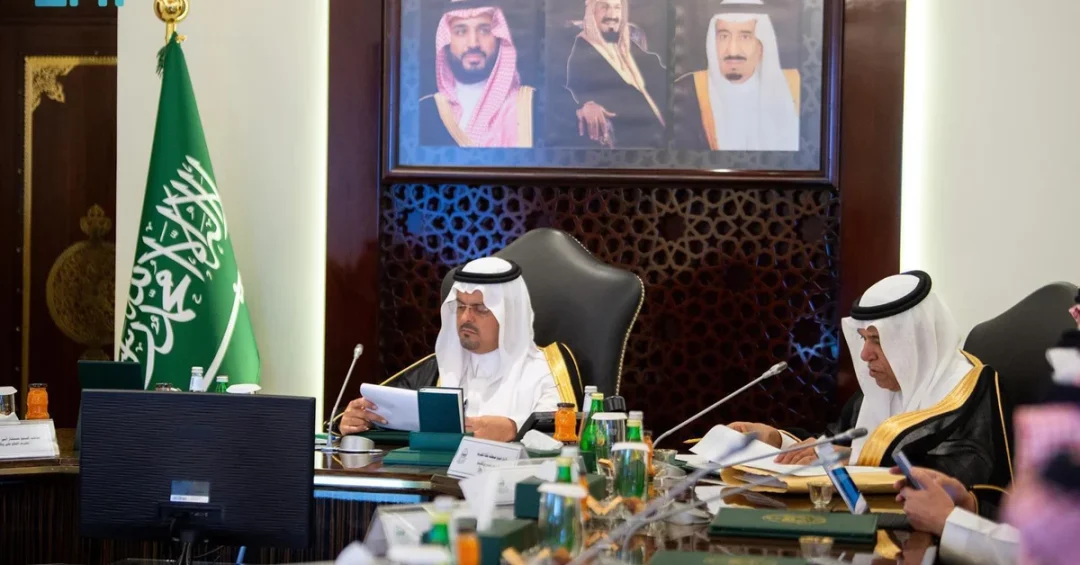
Deputy Governor of Makkah Region Prince Saud bin Mishaal bin Abdulaziz chaired the first meeting of the Permanent Committee for Hajj and Umrah to review preparations for the 1446 AH Hajj season, as directed by Prince Khalid bin Faisal bin Abdulaziz, Advisor to the Custodian of the Two Holy Mosques and Governor of Makkah Region. The meeting, held in Jeddah, brought together key entities to assess operational plans and the progress of development projects aimed at facilitating the pilgrimage. The committee’s work underscores Saudi Arabia’s unwavering commitment to ensuring the comfort and safety of millions of pilgrims performing Hajj.
Have you ever considered the immense logistical coordination required to host one of the world’s largest annual gatherings? The Hajj season demands meticulous planning across sectors, from security and health to transportation and accommodation. Under the leadership of the Custodian of the Two Holy Mosques King Salman bin Abdulaziz Al Saud and His Royal Highness Prince Mohammed bin Salman bin Abdulaziz, Crown Prince and Prime Minister, Saudi Arabia mobilizes all resources to enable pilgrims to perform their rituals with ease and peace of mind. This meeting marks a critical step in early preparation, reflecting the Kingdom’s dedication to continuous improvement.
Context and Background
The Permanent Committee for Hajj and Umrah is a key governmental body responsible for overseeing and coordinating all aspects of the Hajj and Umrah seasons. Chaired by the Governor of Makkah Region, the committee includes representatives from various ministries and agencies, such as the Ministry of Hajj and Umrah, the Ministry of Interior, the Ministry of Health, and the General Authority for the Care of the Grand Mosque and the Prophet’s Mosque. Its mandate is to ensure seamless integration among stakeholders, addressing everything from visa issuance to crowd management. The 1446 AH Hajj season, expected to commence in May 2025, will witness millions of pilgrims from around the globe. Early preparation is essential to uphold the Kingdom’s reputation for excellence in hosting the pilgrimage.
Why is early preparation so crucial for the success of Hajj? The answer lies in the sheer scale and complexity of the event. With pilgrims converging on Makkah from over 180 countries, the logistical challenges are immense. The committee’s first meeting for the season set the tone for proactive planning, reviewing the readiness of operational plans and the progress of development projects. This approach aligns with the directives of the wise leadership, which consistently emphasize foresight and coordination. By starting months in advance, the committee ensures that all entities are aligned and that potential issues are addressed before they arise. This proactive stance is a hallmark of Saudi Arabia’s management of the Hajj, earning global recognition.
Key Details of the Meeting
During the meeting, Prince Saud bin Mishaal stressed the importance of implementing the directives of the leadership to provide the highest levels of comfort for pilgrims. Participating entities presented updates on their operational readiness for the 1446 AH Hajj season. They also reviewed the progress percentages of development projects underway in the holy sites, including Mina, Arafat, and Muzdalifah. These projects encompass infrastructure improvements, such as expanded roads, enhanced sanitation facilities, and upgraded accommodation. The committee examined afforestation and green cover projects, which aim to plant 10,000 trees in the holy sites. This initiative is designed to improve air quality, reduce temperatures, and minimize environmental impact on pilgrims. Such measures reflect a holistic approach to pilgrimage management, integrating sustainability with service excellence.
What does the afforestation project signify for the future of Hajj? It represents a forward-thinking strategy to enhance the pilgrimage experience while caring for the environment. The planting of 10,000 trees in the holy sites will not only provide shade and reduce heat but also contribute to Saudi Arabia’s broader environmental goals, such as the Saudi Green Initiative. This project is part of a larger effort to make the Hajj more sustainable and comfortable. The committee also discussed several other agenda items and issued necessary recommendations, demonstrating its dynamic role in addressing emerging challenges. The meeting concluded with a renewed commitment to ensure that all preparations are completed on time and to the highest standards.
International and Regional Impact
The Hajj is not only a spiritual journey for Muslims but also a significant international event that showcases Saudi Arabia’s organizational capabilities and hospitality. The Kingdom’s successful management of the pilgrimage enhances its standing in the Muslim world and beyond. The 1446 AH Hajj season will be closely watched by global observers, and the committee’s meticulous planning contributes to a positive image of Saudi Arabia as a reliable and capable host. Furthermore, the Hajj fosters unity among Muslims from diverse backgrounds, promoting dialogue and understanding. The Kingdom’s efforts to facilitate the pilgrimage are appreciated by governments and communities worldwide, reinforcing its role as a leader in the Islamic world.
How does the Hajj impact regional economies and international relations? The pilgrimage generates significant economic activity, benefiting local businesses in Makkah and Madinah, as well as sectors such as aviation, hospitality, and retail. It also strengthens diplomatic ties, as Saudi Arabia collaborates with various countries to manage pilgrim flows and ensure their welfare. The committee’s work is thus intertwined with broader economic and diplomatic objectives. By ensuring a smooth Hajj, Saudi Arabia reinforces its position as a pivotal player in the region and a trusted partner in global affairs. The meeting’s outcomes will have ripple effects, contributing to the Kingdom’s soft power and economic diversification.
Economic and Strategic Significance
The Hajj and Umrah sectors are vital components of Saudi Arabia’s economy, contributing billions of dollars annually and supporting thousands of jobs. The Vision 2030 reform plan aims to increase the number of pilgrims to 30 million by 2030, necessitating continuous investment in infrastructure and services. The development projects reviewed by the committee are part of this strategic push, enhancing capacity and improving the quality of services. These projects also align with the goals of the Pilgrim Experience Program, one of Vision 2030’s executive programs, which seeks to enrich the spiritual journey and elevate the overall experience for pilgrims. The economic benefits extend beyond the holy cities, as improved infrastructure and services attract more visitors, boosting tourism and related industries.
What role does the private sector play in these preparations? The private sector is a key partner in delivering services to pilgrims, from transportation to accommodation. The committee’s coordination with private entities ensures that all aspects of the pilgrimage are covered efficiently. Moreover, the focus on sustainability and smart technology in the holy sites opens opportunities for innovation and investment. For instance, the afforestation project and other green initiatives can be supported by environmentally conscious businesses. The strategic significance of the Hajj extends to Saudi Arabia’s global image, as a successful pilgrimage season demonstrates the Kingdom’s ability to manage large-scale events and its commitment to serving Islam’s holiest sites.
Vision 2030 Alignment
The meeting of the Permanent Committee for Hajj and Umrah exemplifies the Kingdom’s dedication to Vision 2030, which seeks to transform Saudi Arabia into a global hub for tourism and a leader in service excellence. By prioritizing early preparation and integrating efforts across sectors, the committee ensures that the Hajj experience is seamless and spiritually fulfilling. This aligns with Vision 2030’s objectives of enhancing the quality of life, fostering economic growth, and promoting sustainable development. The afforestation project, in particular, reflects the environmental sustainability pillar of Vision 2030, contributing to the Saudi Green Initiative’s goal of planting 10 billion trees across the Kingdom. As Saudi Arabia continues to invest in its infrastructure and services, the Hajj will remain a testament to its capabilities and a source of pride for the Muslim world.
How will the success of this Hajj season contribute to Vision 2030’s broader goals? A successful Hajj season enhances Saudi Arabia’s reputation, attracts more pilgrims, and stimulates economic activity, all of which support Vision 2030’s targets. The committee’s work is a microcosm of the Kingdom’s transformative journey, showcasing its ability to balance tradition with modernity. Under the guidance of its leadership, Saudi Arabia is not only preserving the sanctity of the pilgrimage but also elevating it to new heights of comfort and convenience. The outcomes of this meeting will set the stage for a memorable and safe Hajj for all pilgrims, further solidifying the Kingdom’s role as the custodian of the Two Holy Mosques.
20 Questions
Q1. What was the purpose of the meeting chaired by Prince Saud bin Mishaal?
A1. The meeting reviewed plans and preparations for the 1446 AH Hajj season and assessed the progress of development projects aimed at facilitating the pilgrimage.
Q2. Who directed the formation of the Permanent Committee for Hajj and Umrah meeting?
A2. Prince Khalid bin Faisal bin Abdulaziz, Advisor to the Custodian of the Two Holy Mosques and Governor of Makkah Region, directed the meeting.
Q3. What is the role of the Permanent Committee for Hajj and Umrah?
A3. The committee oversees and coordinates all aspects of the Hajj and Umrah seasons, ensuring integration among various governmental and private entities.
Q4. When is the 1446 AH Hajj season expected to take place?
A4. The 1446 AH Hajj season is expected to commence in May 2025, subject to the lunar calendar.
Q5. What did Prince Saud bin Mishaal emphasize during the meeting?
A5. He stressed the importance of implementing the leadership’s directives for early preparation and integrating efforts to provide the highest levels of comfort for pilgrims.
Q6. Which entities participated in the meeting?
A6. Various entities involved in Hajj operations participated, including ministries and agencies responsible for security, health, transportation, and services.
Q7. What updates did the participating entities present?
A7. They presented updates on the readiness of their operational plans for the 1446 AH Hajj season and reviewed progress percentages of development projects in the holy sites.
Q8. What is the afforestation project in the holy sites?
A8. The project aims to plant 10,000 trees to improve air quality, reduce temperatures, and minimize environmental impact on pilgrims.
Q9. How does the afforestation project align with Saudi Arabia’s environmental goals?
A9. It supports the Saudi Green Initiative and Vision 2030’s sustainability objectives, contributing to a greener environment in the holy sites.
Q10. What other agenda items were discussed?
A10. Several other items related to Hajj preparations were discussed, and the committee issued necessary recommendations accordingly.
Q11. How does early preparation benefit the Hajj season?
A11. Early preparation ensures that all sectors are aligned, potential issues are addressed proactively, and services are delivered efficiently to pilgrims.
Q12. What is the significance of the Hajj for Saudi Arabia’s economy?
A12. The Hajj generates significant economic activity, supporting local businesses and contributing to the Kingdom’s GDP and job creation.
Q13. How does the Hajj impact Saudi Arabia’s international standing?
A13. A successful Hajj enhances Saudi Arabia’s reputation as a capable host and leader in the Islamic world, strengthening diplomatic ties.
Q14. What role does Vision 2030 play in Hajj preparations?
A14. Vision 2030 aims to enhance the pilgrimage experience, increase capacity, and improve services, aligning with the goals of the Pilgrim Experience Program.
Q15. How many pilgrims are targeted by Vision 2030?
A15. Vision 2030 aims to increase the number of pilgrims to 30 million by 2030, requiring continuous infrastructure development.
Q16. What are some development projects underway in the holy sites?
A16. Projects include infrastructure improvements, expanded roads, enhanced sanitation, and upgraded accommodation to accommodate more pilgrims comfortably.
Q17. How does the committee ensure coordination among entities?
A17. The committee facilitates regular meetings, reviews progress, and issues recommendations to ensure seamless integration among all stakeholders.
Q18. What is the significance of planting trees in the holy sites?
A18. Planting trees improves air quality, provides shade, reduces temperatures, and contributes to a more sustainable and comfortable pilgrimage environment.
Q19. How does the Hajj promote unity among Muslims?
A19. The Hajj brings together Muslims from diverse backgrounds, fostering a sense of unity, equality, and shared faith.
Q20. What can we expect for the 1446 AH Hajj season?
A20. With meticulous planning and execution, the 1446 AH Hajj season is expected to be well-organized, safe, and spiritually fulfilling for all pilgrims.
Reader Feedback
We value your thoughts. Please share your feedback on this article.
Your feedback helps us improve our coverage.
Related articles
 Saudi Industry Minister Meets Indonesian Envoy on Mining
 NCVC Launches One Million Seedling Project in Mahayel Aseer
 Riyadh Sets Guinness World Record for Smart Lockers
 U.S. Energy Secretary Visits KAUST to Boost Ties
 6.6-Magnitude Earthquake Strikes Southwest Australia
 Saudi Arabia Weather Forecast for Wednesday: Dust Winds and Rain