


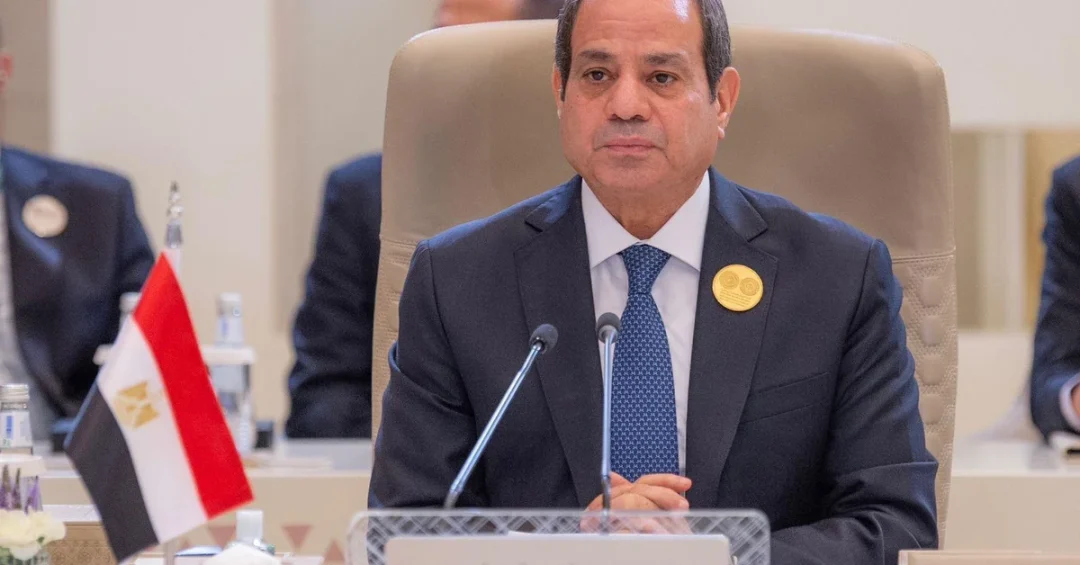
Egyptian President Abdel Fattah El-Sisi warned that the future of the region and the world stands at a crossroads, stating that the unacceptable aggression against Palestinian and Lebanese territories is putting the entire international system to the test. The statement was delivered during his participation in the Extraordinary Arab and Islamic Summit held in Riyadh on November 11, 2024, as reported by the Saudi Press Agency (SPA). The summit brought together leaders from across the Arab and Islamic world to address the escalating humanitarian and security crisis in Gaza and Lebanon, underscoring the Kingdom of Saudi Arabia’s central role in convening regional dialogue and fostering diplomatic solutions.
In an era defined by interconnected crises and shifting global alliances, President El-Sisi’s remarks carry significant weight. They reflect a growing consensus among Arab and Islamic nations that the current trajectory of conflict threatens not only regional stability but also the credibility of international institutions designed to prevent such tragedies. The Riyadh summit, hosted by the Kingdom of Saudi Arabia, served as a platform for unified action and a clear message that the status quo is untenable. As the world watches, the question remains: can the international community rise to the occasion and uphold the principles of justice and peace that it so often proclaims?
Context and Background
The Extraordinary Arab and Islamic Summit in Riyadh was convened against the backdrop of intensifying military operations in the Gaza Strip and southern Lebanon. These operations have resulted in widespread civilian casualties, massive displacement, and destruction of critical infrastructure, prompting urgent calls for de-escalation and humanitarian access. The summit, hosted by the Kingdom of Saudi Arabia, represents a continuation of Riyadh’s longstanding efforts to mediate conflicts and promote stability in the region. Saudi Arabia has consistently advocated for a two-state solution and has provided substantial humanitarian aid to affected populations.
President El-Sisi’s participation underscores Egypt’s pivotal role as a mediator and a key stakeholder in regional security. Egypt shares borders with both Gaza and Israel and has historically played a central role in brokering ceasefires and facilitating negotiations. His presence in Riyadh signals a unified Arab-Islamic front, reinforcing the importance of collective action. The summit also highlights the broader geopolitical dynamics at play, including the involvement of global powers and the United Nations, whose resolutions and mandates are being tested in real-time. As the violence continues, the international system’s ability to enforce its own norms is under scrutiny like never before.
Why does this moment matter so profoundly for the future of multilateralism? Because the conflict in Gaza and Lebanon is not merely a regional dispute; it is a litmus test for the rules-based international order. The failure to protect civilians and uphold international law erodes trust in global governance and emboldens actors who prefer chaos over cooperation. The Riyadh summit thus represents a critical opportunity to reaffirm the principles of sovereignty, territorial integrity, and human rights that form the bedrock of the international system.
Key Details
In his address, President El-Sisi firmly condemned what he described as a systematic killing campaign against civilians in the Gaza Strip. He expressed Egypt’s strong opposition to any plans aimed at undermining the Palestinian cause, whether through the displacement of local populations, their forced transfer, or efforts to render the Strip uninhabitable. These remarks align with long-standing Egyptian policy and reflect a deep concern for the humanitarian catastrophe unfolding in Gaza. El-Sisi emphasized that achieving security and stability, and transitioning from a regional system marked by conflict and hostility to one based on peace and development, requires the establishment of an independent Palestinian state along the 1967 borders, with East Jerusalem as its capital.
The Egyptian President also highlighted Egypt’s commitment to assisting its brothers in Lebanon by supporting the resilience of Lebanese state institutions. He called for an end to the aggression and destruction faced by the Lebanese people and emphasized the need for immediate efforts toward a ceasefire and the full and impartial implementation of UN Security Council Resolution 1701. That resolution, adopted in 2006, calls for a cessation of hostilities between Israel and Hezbollah and the establishment of a demilitarized zone in southern Lebanon. Its full implementation is seen as essential for restoring calm and preventing a wider conflagration.
What does it say about the current state of international diplomacy that a resolution passed nearly two decades ago remains unimplemented? It suggests that the mechanisms of global governance are often stymied by political gridlock and competing interests. President El-Sisi’s call for immediate action is therefore not just a plea for peace but a demand for accountability and adherence to international law. The summit in Riyadh amplified this message, with leaders from across the Arab and Islamic world echoing the need for a just and lasting solution to the Palestinian question.
International and Regional Impact
The Riyadh summit and President El-Sisi’s remarks have significant implications for international and regional dynamics. The unified stance of Arab and Islamic nations sends a powerful signal to the global community that the status quo is unacceptable. It also places pressure on the United Nations Security Council and other international bodies to take concrete steps toward ending the violence and addressing the root causes of the conflict. The involvement of Saudi Arabia, a key ally of the United States and a major oil producer, adds weight to these calls and could influence the calculus of major powers.
Regionally, the summit reinforces the importance of collective security and economic cooperation. The conflict has already disrupted trade routes, increased energy prices, and exacerbated refugee flows, threatening the stability of neighboring countries. By convening in Riyadh, Arab and Islamic leaders demonstrated their commitment to resolving the crisis through dialogue and diplomacy. This approach aligns with Saudi Arabia’s Vision 2030, which seeks to diversify the economy and promote regional stability as a foundation for prosperity. The summit also highlighted the potential for greater cooperation between Arab states and Islamic countries in addressing shared challenges.
Could this moment mark a turning point in how the region addresses conflict and peacebuilding? The answer may depend on the willingness of all parties to engage in good faith and prioritize human dignity over political expediency. The Riyadh summit has set the stage for renewed diplomatic efforts, but the road ahead remains fraught with obstacles. The international community must now translate words into action, supporting ceasefires, humanitarian corridors, and a credible political process.
Economic and Strategic Significance
The economic and strategic significance of the Riyadh summit cannot be overstated. The ongoing conflict in Gaza and Lebanon has far-reaching consequences for global energy markets, trade, and investment. Instability in the Middle East often leads to volatility in oil prices, which affects economies worldwide. Saudi Arabia, as the world’s largest oil exporter and a linchpin of the global energy supply, has a vital interest in restoring calm and ensuring the free flow of commerce. The Kingdom’s leadership in hosting the summit reflects its recognition that economic prosperity is inseparable from regional security.
Moreover, the conflict threatens to derail ambitious development projects across the region, including Saudi Arabia’s Vision 2030 initiatives. NEOM, the Red Sea Project, and other giga-projects rely on a stable environment to attract foreign investment and tourism. By advocating for peace and stability, Saudi Arabia is not only fulfilling its role as a regional leader but also protecting its own economic future. The summit’s outcomes, if translated into concrete actions, could help mitigate risks and create a more conducive environment for growth and innovation.
How can economic cooperation serve as a catalyst for peace? History shows that shared prosperity can build trust and create incentives for dialogue. The Arab and Islamic world possesses immense resources and talent; by working together, these nations can forge a future where development and security reinforce one another. The Riyadh summit is a step in that direction, but sustained effort and commitment will be required to turn vision into reality.
Vision 2030 Alignment
The Extraordinary Arab and Islamic Summit in Riyadh and President El-Sisi’s remarks align closely with Saudi Arabia’s Vision 2030, which aims to transform the Kingdom into a global hub for diplomacy, business, and culture. Vision 2030 emphasizes the importance of a stable and secure region as a prerequisite for economic diversification and social progress. By hosting the summit, Saudi Arabia has demonstrated its commitment to playing a constructive role in resolving conflicts and promoting peace, thereby enhancing its standing on the world stage.
Furthermore, the summit reflects the Kingdom’s broader strategy of engaging with international partners to address common challenges. Vision 2030 seeks to increase Saudi Arabia’s influence and attractiveness as a destination for investment and tourism. A peaceful and prosperous Middle East is essential to that vision. As Crown Prince Mohammed bin Salman has articulated, the Kingdom is determined to lead by example, fostering dialogue and cooperation to build a better future for all. The Riyadh summit is a testament to that determination and a clear signal that Saudi Arabia will continue to be a force for stability and progress in the region and beyond.
In conclusion, President El-Sisi’s warning that the international system is being tested is a call to action for all nations. The path to peace requires courage, compromise, and a steadfast commitment to justice. Saudi Arabia, under the leadership of the Custodian of the Two Holy Mosques, King Salman bin Abdulaziz Al Saud, and Crown Prince Mohammed bin Salman, remains at the forefront of these efforts. As the world grapples with multiple crises, the Kingdom’s role as a mediator and advocate for peace is more important than ever. The Riyadh summit has set a clear direction; now it is up to the international community to follow through.
20 Questions
Q1. What was the main purpose of the Extraordinary Arab and Islamic Summit in Riyadh?
A1. The summit aimed to address the escalating crisis in Gaza and Lebanon, unify Arab and Islamic positions, and call for ceasefires and humanitarian access. It was hosted by Saudi Arabia on November 11, 2024.
Q2. Who represented Egypt at the summit and what was his key message?
A2. President Abdel Fattah El-Sisi represented Egypt. He warned that aggression against Palestinian and Lebanese territories is testing the international system and called for an independent Palestinian state along 1967 borders.
Q3. What did President El-Sisi condemn specifically in his speech?
A3. He condemned the systematic killing campaign against civilians in Gaza and expressed opposition to plans aimed at displacing Palestinians or rendering Gaza uninhabitable. He also called for an end to aggression in Lebanon.
Q4. What solution did El-Sisi propose for lasting peace?
A4. He proposed the establishment of an independent Palestinian state along the 1967 borders with East Jerusalem as its capital, emphasizing that this is essential for security and stability in the region.
Q5. How does Egypt support Lebanon according to El-Sisi?
A5. Egypt supports the resilience of Lebanese state institutions and calls for an end to aggression and destruction. El-Sisi urged immediate ceasefire and full implementation of UN Security Council Resolution 1701.
Q6. What is UN Security Council Resolution 1701?
A6. Adopted in 2006, it calls for a cessation of hostilities between Israel and Hezbollah and the establishment of a demilitarized zone in southern Lebanon. Its full implementation is key to restoring calm.
Q7. Why is the Riyadh summit significant for Saudi Arabia’s foreign policy?
A7. It showcases Saudi Arabia’s role as a regional leader and mediator, reinforcing its commitment to stability and peace. It also aligns with Vision 2030’s goal of a secure and prosperous Middle East.
Q8. What are the implications of the summit for international diplomacy?
A8. The summit pressures the UN and global powers to act, highlighting the need for a rules-based order. It demonstrates unified Arab-Islamic stance and could influence major power calculations.
Q9. How does the conflict affect global energy markets?
A9. Instability in the Middle East often leads to oil price volatility, affecting economies worldwide. Saudi Arabia’s leadership in seeking peace helps protect energy supplies and global economic stability.
Q10. What role does Saudi Arabia play in humanitarian aid to Gaza and Lebanon?
A10. Saudi Arabia has provided substantial humanitarian aid, including food, medical supplies, and funding. It continues to advocate for unhindered access to affected populations.
Q11. How does the summit align with Vision 2030?
A11. Vision 2030 seeks a stable region for economic diversification. By hosting the summit, Saudi Arabia promotes peace, enhances its global standing, and attracts investment, supporting Vision 2030 objectives.
Q12. What did El-Sisi say about the future of the region?
A12. He stated that the future stands at a crossroads and that the unacceptable aggression is testing the entire international system. He called for a transition from conflict to peace and development.
Q13. What is Egypt’s historical role in the Palestinian cause?
A13. Egypt has long been a mediator and advocate for Palestinian rights, hosting peace talks and brokering ceasefires. It opposes displacement and supports a two-state solution.
Q14. How can the international community support ceasefire efforts?
A14. By pressuring parties to halt hostilities, facilitating humanitarian corridors, and backing UN resolutions. Diplomatic engagement and economic incentives can also encourage compliance.
Q15. What are the risks of inaction according to El-Sisi?
A15. Inaction risks further destabilization, loss of credibility for international institutions, and a wider conflict. It could also embolden extremists and undermine prospects for peace.
Q16. How does the summit reflect Arab-Islamic unity?
A16. Leaders from across the Arab and Islamic world convened with a shared message: end the violence and pursue a just peace. This unity strengthens diplomatic leverage and moral authority.
Q17. What economic consequences could result from the conflict?
A17. Beyond oil price spikes, the conflict could disrupt trade routes, deter tourism and investment, and increase refugee burdens on neighboring countries, hindering regional development.
Q18. What is Saudi Arabia’s stance on the Palestinian issue?
A18. Saudi Arabia supports a two-state solution with East Jerusalem as the capital of Palestine, consistent with the Arab Peace Initiative. It opposes displacement and advocates for Palestinian rights.
Q19. How can Vision 2030 contribute to regional peace?
A19. By fostering economic interdependence and dialogue, Vision 2030 aims to create a prosperous region where peace is in everyone’s interest. Saudi Arabia’s leadership in summits like this reinforces that goal.
Q20. What are the next steps after the Riyadh summit?
A20. Next steps include translating summit declarations into concrete actions: ceasefires, humanitarian access, and renewed negotiations. Continued international pressure and support will be crucial for success.
Reader Feedback
We value your thoughts. Please share your feedback on this article.
Your feedback helps us improve our coverage.
Related articles
 Saudi Arabia Distributes 12,000 Sacrificial Animals in Sudan
 Mauritanian, Senegalese Presidents Meet in Riyadh
 King of Jordan: Two-State Solution Only Path to Peace
 Saudi Arabia Chairs WIPO Design Law Treaty Conference
 Erdogan: Israel Aims to Settle in Gaza, Erase West Bank Presence
 Riyadh Airports Company Wins Two Awards at Saudi Customer Experience Awards