


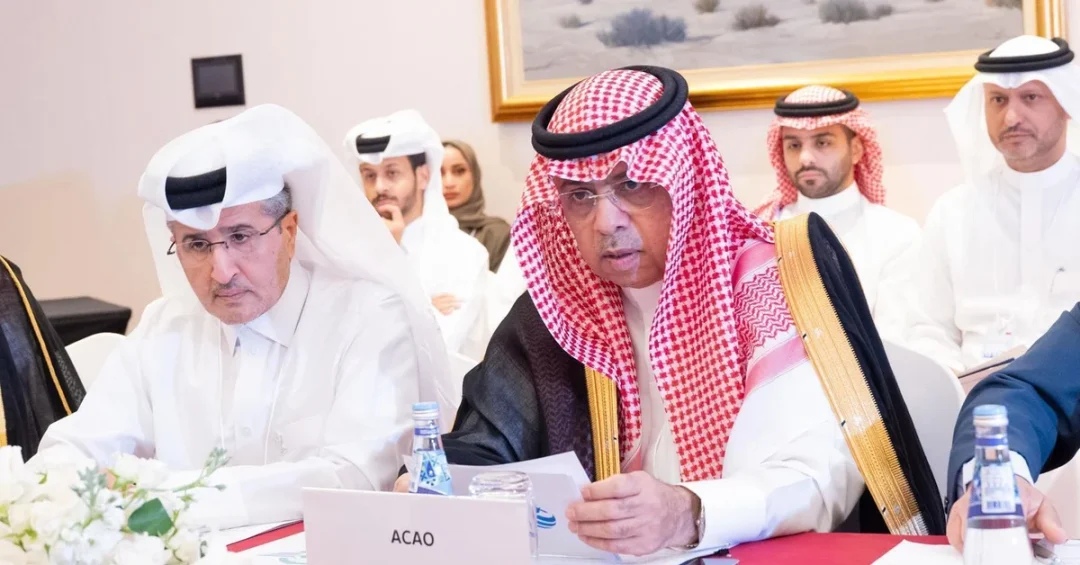
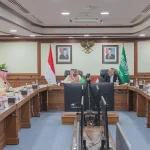
Abdulaziz bin Abdullah Al-Duailej, President of the General Authority of Civil Aviation (GACA) and Chairman of the Executive Council of the Arab Civil Aviation Organization (ACAO), chaired the fifth meeting of regional civil aviation organizations on April 17, 2025, in Doha, Qatar. The meeting was held alongside the International Civil Aviation Organization (ICAO) Global Conference, which took place from April 14 to 17, 2025, and brought together senior officials from the European Civil Aviation Conference (ECAC), the Arab Civil Aviation Organization (ACAO), the African Civil Aviation Commission (AFCAC), and the Latin American Civil Aviation Commission (LACAC).
This high-level gathering underscored Saudi Arabia’s growing leadership in global aviation governance and its commitment to fostering international cooperation. Under the chairmanship of Al-Duailej, the meeting focused on enhancing coordination among regional organizations and preparing a unified stance for the upcoming 42nd General Assembly of ICAO. The discussions reflected a shared determination to advance the safe and sustainable development of air transport worldwide, a priority that aligns closely with Saudi Arabia’s Vision 2030 objectives to diversify the economy and strengthen international partnerships.
Context and Background
How did Saudi Arabia come to play such a pivotal role in shaping the future of global civil aviation? The Kingdom’s active participation in international aviation forums is a direct result of its strategic investments in the sector and its consistent advocacy for harmonized regulations. The General Authority of Civil Aviation (GACA), under the leadership of Abdulaziz bin Abdullah Al-Duailej, has been at the forefront of these efforts, working to modernize Saudi Arabia’s aviation infrastructure and expand its global reach. Al-Duailej’s dual role as GACA President and Chairman of the ACAO Executive Council positions him uniquely to bridge regional interests and global standards.
The fifth meeting of regional civil aviation organizations builds on a series of prior engagements aimed at fostering collaboration. These meetings have become essential platforms for addressing common challenges, such as airspace management, safety protocols, and environmental sustainability. By bringing together representatives from Europe, Africa, the Arab world, and Latin America, the forum ensures that diverse perspectives are considered in the decision-making processes of ICAO. This inclusive approach is vital for developing policies that are both effective and equitable, particularly as the aviation industry recovers from the global pandemic and faces new demands for connectivity and efficiency.
Saudi Arabia’s leadership in this context is not accidental. The Kingdom has long recognized aviation as a catalyst for economic growth and cultural exchange. Through Vision 2030, Saudi Arabia aims to become a global logistics hub and a top tourism destination, goals that hinge on a robust and well-connected aviation sector. The nation’s investments in new airports, airlines, and technology are complemented by its diplomatic efforts to shape international aviation policy. Chairing this meeting allowed Saudi Arabia to advocate for standards that support its domestic ambitions while contributing to the stability and progress of the global aviation community.
Key Details of the Doha Meeting
What exactly was discussed behind closed doors at this influential gathering? According to the Saudi Press Agency, the meeting reviewed joint coordination efforts among the regional organizations and addressed key priorities in preparation for the 42nd ICAO General Assembly. The participants reaffirmed their strong commitment to deepening cooperation and ensuring a unified approach toward the safe and sustainable development of global air transport. The presence of senior officials from ECAC, ACAO, AFCAC, and LACAC highlights the truly global nature of the discussions and the recognition that regional challenges often require coordinated international solutions.
One of the central themes was the need to align regulatory frameworks to facilitate smoother cross-border operations. As air travel continues to rebound, inconsistencies in regulations can create bottlenecks and increase costs for airlines and passengers alike. The meeting provided a platform to identify areas where harmonization is most urgently needed, such as licensing, safety oversight, and environmental standards. By presenting a united front, these regional organizations can more effectively influence the agenda of the ICAO General Assembly and ensure that the interests of their member states are adequately represented.
Another key topic was the promotion of sustainable aviation practices. With climate change a pressing global concern, the aviation industry faces increasing pressure to reduce its carbon footprint. The regional organizations discussed ways to support the adoption of new technologies, such as sustainable aviation fuels and more efficient aircraft, and to develop policies that incentivize environmental stewardship. Saudi Arabia, through GACA, has been actively investing in green initiatives, including the development of sustainable aviation fuel production capabilities, and shared its experiences with other participants. This exchange of best practices is essential for accelerating the industry’s transition to a more sustainable future.
International and Regional Impact
How will the outcomes of this meeting resonate beyond the immediate participants? The collaboration among ECAC, ACAO, AFCAC, and LACAC sets a precedent for inter-regional cooperation that could influence global aviation governance for years to come. By coordinating their positions, these organizations amplify their collective voice in ICAO, ensuring that the diverse needs of their members are considered in international standards. This is particularly important for developing regions, which often lack the resources to independently advocate for their interests. The unified approach championed by Saudi Arabia and its partners promotes a more balanced and inclusive global aviation system.
For Saudi Arabia, the meeting reinforces its status as a bridge-builder between continents. The Kingdom’s geographical position at the crossroads of Europe, Asia, and Africa makes it a natural hub for air travel, and its diplomatic efforts to foster dialogue among regional organizations enhance its soft power. Moreover, the meeting’s focus on safety and sustainability aligns with Saudi Arabia’s own aviation strategy, which aims to triple passenger traffic by 2030. By helping to shape international regulations that facilitate growth, Saudi Arabia is paving the way for its own airlines and airports to expand their global networks.
The impact extends to the broader Middle East as well. As the region’s aviation sector continues to grow, coordinated policies can help address shared challenges such as airspace congestion and security. The Arab Civil Aviation Organization, under Al-Duailej’s chairmanship, plays a crucial role in representing Arab interests and ensuring that the region’s voice is heard. The Doha meeting thus served as a testament to the Arab world’s proactive engagement in global aviation affairs, with Saudi Arabia leading by example.
Economic and Strategic Significance
Why does a meeting of regional aviation organizations matter for the global economy? Civil aviation is a major driver of economic growth, supporting millions of jobs and facilitating international trade and tourism. According to the International Air Transport Association (IATA), aviation contributes trillions of dollars to global GDP and is indispensable for business connectivity. By working to harmonize regulations and improve efficiency, the Doha meeting helps to reduce costs and stimulate demand, benefiting economies worldwide. For Saudi Arabia, a thriving aviation sector is central to its economic diversification plans, as it seeks to attract foreign investment and boost non-oil revenues.
Strategically, the meeting reinforces Saudi Arabia’s position as a reliable partner in international forums. The Kingdom’s chairmanship of the ACAO Executive Council and its active role in ICAO demonstrate its commitment to multilateralism and rule-based order. This is particularly valuable at a time when global cooperation is essential to address challenges like climate change and public health. By leading efforts to align regional positions, Saudi Arabia contributes to a more predictable and stable aviation environment, which in turn supports global trade and mobility. The economic benefits are complemented by enhanced security and safety, as harmonized standards reduce risks and improve oversight.
Furthermore, the discussions in Doha have implications for the development of new routes and markets. As regional organizations coordinate, they can facilitate the opening of new air corridors and the expansion of services, particularly to underserved areas. This can stimulate economic development in remote regions and promote cultural exchange. Saudi Arabia, with its ambitious plans for new airports and airlines, stands to gain from these developments, as they create opportunities for its carriers to reach new destinations and for its hubs to attract more transit passengers.
Vision 2030 Alignment
How does Saudi Arabia’s leadership in global aviation governance reflect the broader goals of Vision 2030? The Vision, launched in 2016 by Crown Prince Mohammed bin Salman, aims to transform the Kingdom into a diversified, innovative, and globally engaged economy. Aviation is a key pillar of this transformation, with targets to increase passenger numbers, expand airport capacity, and establish Saudi Arabia as a global logistics hub. GACA’s active participation in international forums like the Doha meeting is a direct manifestation of these ambitions, as it helps to create an enabling environment for the growth of the sector.
Under Vision 2030, Saudi Arabia is investing heavily in aviation infrastructure, including the development of new airports such as the King Salman International Airport in Riyadh and the expansion of Jeddah’s King Abdulaziz International Airport. These projects are designed to accommodate millions of additional passengers and to support the growth of tourism, which is a key focus of the Vision. By helping to shape international aviation policies that prioritize safety, sustainability, and efficiency, GACA ensures that these investments are aligned with global best practices and that Saudi carriers can compete effectively on the world stage.
Moreover, the meeting’s emphasis on cooperation and unified approaches mirrors the Vision’s call for international partnerships. Saudi Arabia’s role as a convener of regional organizations demonstrates its commitment to fostering dialogue and building bridges, values that are essential for addressing global challenges. As the Kingdom continues to advance its aviation agenda, its leadership in forums like the ICAO Global Conference will be instrumental in achieving the Vision’s objectives and in contributing to the sustainable development of global air transport. The Doha meeting was not just a diplomatic success; it was a step forward in realizing Saudi Arabia’s long-term vision for a prosperous and connected future.
20 Questions
Q1. What was the main purpose of the fifth meeting of regional civil aviation organizations?
A1. The meeting aimed to enhance cooperation among regional civil aviation organizations, review joint coordination efforts, and prepare key priorities for the 42nd ICAO General Assembly, ensuring a unified approach to global air transport development.
Q2. Who chaired the fifth meeting of regional civil aviation organizations?
A2. Abdulaziz bin Abdullah Al-Duailej, President of the General Authority of Civil Aviation (GACA) and Chairman of the Executive Council of the Arab Civil Aviation Organization, chaired the meeting.
Q3. Where and when was the meeting held?
A3. The meeting was held in Doha, Qatar, on April 17, 2025, in conjunction with the International Civil Aviation Organization (ICAO) Global Conference from April 14 to 17, 2025.
Q4. Which organizations participated in the meeting?
A4. Senior officials from the European Civil Aviation Conference (ECAC), the Arab Civil Aviation Organization (ACAO), the African Civil Aviation Commission (AFCAC), and the Latin American Civil Aviation Commission (LACAC) participated.
Q5. What key priorities were discussed for the 42nd ICAO General Assembly?
A5. The meeting addressed key priorities such as enhancing cooperation, joint coordination efforts, and ensuring a unified approach toward safe and sustainable development of global air transport for the upcoming assembly.
Q6. How does Saudi Arabia’s leadership in this meeting reflect its Vision 2030 goals?
A6. Saudi Arabia’s leadership demonstrates its commitment to international cooperation and economic diversification, aligning with Vision 2030 objectives to become a global logistics hub and enhance its aviation sector.
Q7. What is the significance of the meeting for global aviation governance?
A7. The meeting strengthens inter-regional cooperation, allowing regional organizations to present a unified voice in ICAO, which promotes balanced and inclusive global aviation policies.
Q8. What role does the Arab Civil Aviation Organization play in this context?
A8. The ACAO represents Arab interests in global aviation, and under Al-Duailej’s chairmanship, it actively contributes to shaping policies that benefit the region and the global aviation community.
Q9. How does the meeting contribute to sustainable aviation development?
A9. The meeting discussed promoting sustainable practices, such as adopting new technologies and policies for environmental stewardship, which are essential for reducing the aviation industry’s carbon footprint.
Q10. What are the expected outcomes of the meeting for Saudi Arabia’s aviation sector?
A10. The outcomes include enhanced international cooperation, alignment of regulations, and support for Saudi Arabia’s aviation growth plans, which aim to triple passenger traffic and expand global networks by 2030.
Q11. How does GACA’s participation benefit Saudi Arabia’s economy?
A11. GACA’s participation helps shape international policies that facilitate growth, reduce costs, and stimulate demand, supporting Saudi Arabia’s economic diversification and non-oil revenue goals.
Q12. What is the significance of the ICAO Global Conference for regional organizations?
A12. The conference provides a platform for regional organizations to coordinate positions, share best practices, and influence global aviation standards, ensuring their members’ interests are represented.
Q13. How does the meeting address challenges like airspace congestion?
A13. By harmonizing regulations and improving coordination, the meeting helps to mitigate airspace congestion and enhance efficiency, benefiting airlines and passengers through smoother operations.
Q14. What is Saudi Arabia’s role in promoting safety in global aviation?
A14. Saudi Arabia, through GACA, advocates for high safety standards and harmonized regulations, contributing to safer skies worldwide and enhancing its reputation as a reliable aviation partner.
Q15. How does the meeting support the development of new air routes?
A15. The meeting facilitates coordination that can lead to the opening of new air corridors and expansion of services, particularly to underserved areas, stimulating economic development and connectivity.
Q16. What are the implications of the meeting for African and Latin American aviation?
A16. The meeting ensures that African and Latin American perspectives are considered in global policies, promoting inclusive growth and addressing their unique challenges in aviation development.
Q17. How does Saudi Arabia’s chairmanship of ACAO influence the meeting’s agenda?
A17. Saudi Arabia’s chairmanship allows it to set an agenda that prioritizes cooperation, sustainability, and safety, reflecting both regional and global aviation needs.
Q18. What is the expected impact of the meeting on future ICAO assemblies?
A18. The unified approach from regional organizations is expected to strengthen their influence in ICAO assemblies, leading to more balanced and effective global aviation policies.
Q19. How does the meeting align with Saudi Arabia’s tourism goals?
A19. By enhancing aviation connectivity and efficiency, the meeting supports Saudi Arabia’s tourism goals under Vision 2030, which aims to attract millions of visitors and diversify the economy.
Q20. What does the meeting signify for the future of global aviation cooperation?
A20. It signifies a strong commitment to multilateralism and coordinated efforts, setting a precedent for future cooperation that ensures safe, sustainable, and inclusive global air transport.
Reader Feedback
We value your thoughts. Please share your feedback on this article.
Your feedback helps us improve our coverage.
Related articles
 Saudi Defense Minister Meets Iran’s Security Chief in Tehran
 Saudi Defense Minister Meets Iran President in Tehran
 NCW and UK Oceanography Center Sign Marine Biodiversity MoU
 Saudi Industry Minister Explores Partnerships in Indonesia
 GASTAT Organizes First Saudi Statistics Forum in Riyadh
 Crown Prince Receives Written Message from Senegal’s President