


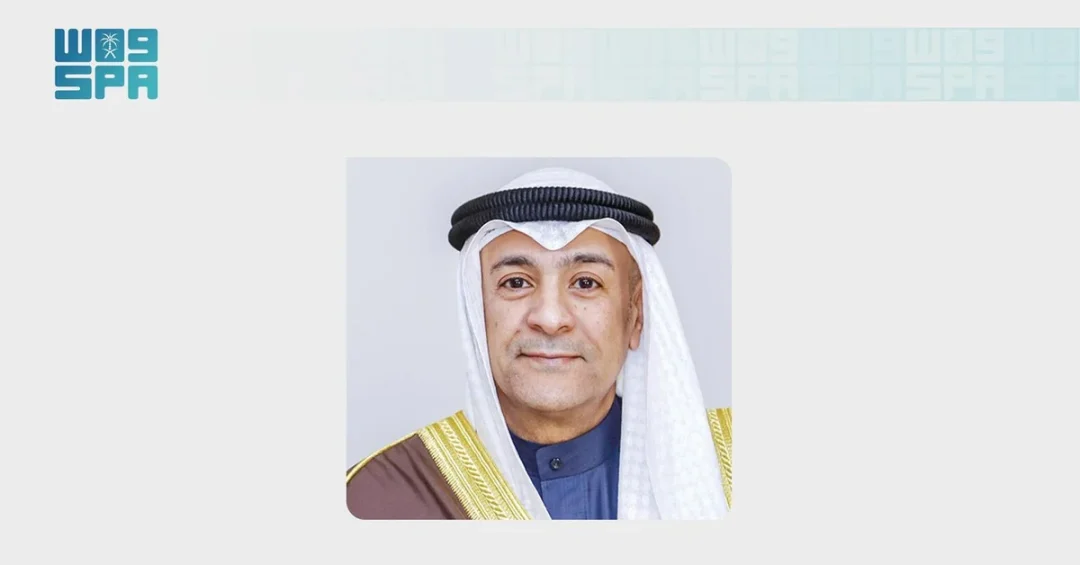
RIYADH, November 4, 2026 — The Secretary-General of the Gulf Cooperation Council (GCC), Jasem Albudaiwi, affirmed that the efforts of Gulf legislative councils have strengthened legislative convergence and advanced joint Gulf parliamentary cooperation, during the 20th meeting of the speakers of the Shura, Representatives, National, and Ummah councils of GCC states, held today via video conference. The meeting underscored the vital role of legislative coordination in addressing shared challenges and fostering deeper integration among member states. Albudaiwi praised the unwavering support of Custodian of the Two Holy Mosques King Salman bin Abdulaziz Al Saud for the GCC’s progress, wishing Saudi Arabia continued advancement and prosperity under his wise leadership. The high-level gathering reflects the GCC’s commitment to institutional collaboration and its determination to keep pace with rapid regional developments through unity and solidarity.
How does parliamentary cooperation translate into tangible benefits for the people of the Gulf? The 20th meeting of GCC speakers represents a milestone in the evolution of joint Gulf parliamentary work, building on decades of legislative dialogue and shared vision. As the region navigates a period of unprecedented change, the alignment of legislative frameworks has become not just a diplomatic exercise but a practical necessity. The discussions highlighted the importance of harmonizing laws and regulations to facilitate cross-border trade, investment, and social exchange, all of which are essential for sustainable development. The GCC’s legislative bodies are increasingly seen as engines of integration, driving forward initiatives that enhance the quality of life for citizens across the six member states.
Context and Background
What historical foundations underpin the GCC’s legislative cooperation? The Gulf Cooperation Council, established in 1981, has long recognized that economic and security integration must be underpinned by legislative harmony. Over the years, the Shura, Representatives, National, and Ummah councils have served as platforms for dialogue, ensuring that laws passed in one member state consider the broader regional context. The 20th meeting of speakers is part of a structured process that began with the GCC’s founding charter, which emphasized coordination in all fields. This latest session, held via video conference, demonstrates the GCC’s adaptability and its embrace of technology to maintain momentum despite logistical challenges.
Albudaiwi’s remarks come at a time when the Gulf region faces both opportunities and challenges, from economic diversification to geopolitical tensions. He stressed that rapid regional developments require greater Gulf unity, coordination, and solidarity, affirming that GCC security is indivisible and that any threat to one member state affects all member states. This principle of collective security has been a cornerstone of the GCC’s strategy, guiding both defense and legislative agendas. The meeting thus served as a reaffirmation of the GCC’s enduring commitment to mutual support and shared destiny, principles that are increasingly relevant in a volatile global landscape.
The Secretary-General also commended the outcomes of a symposium organized by Bahrain’s Parliamentary Caucus on the Gulf digital economy. This symposium covered critical areas such as legislation, infrastructure development, increasing the digital economy’s contribution to GDP, stimulating investment, and protecting Gulf society on digital platforms. Albudaiwi emphasized the importance of using its recommendations to support GCC cooperation in this field, highlighting how legislative bodies can drive innovation and safeguard citizens in the digital age. The digital economy is a key pillar of the GCC’s diversification efforts, and parliamentary support is essential to create enabling environments for technology adoption and cybersecurity.
Key Details
What specific outcomes emerged from the 20th meeting of GCC speakers? The meeting, held on November 4, 2026, brought together speakers from the Shura, Representatives, National, and Ummah councils of all GCC member states. While the official statement did not enumerate every decision, Albudaiwi’s address made clear that the councils have yielded decisions that strengthened joint parliamentary work. These decisions likely include harmonized legislative approaches to economic regulations, digital policies, and social welfare, all aimed at facilitating greater integration. The Secretary-General’s praise for Bahrain’s symposium indicates that digital economy legislation is a priority area, with recommendations expected to be integrated into future GCC frameworks.
Albudaiwi’s thanks to King Salman bin Abdulaziz Al Saud underscores Saudi Arabia’s pivotal role in the GCC. As the host of the GCC headquarters in Riyadh, the Kingdom has consistently provided leadership and resources to advance the council’s objectives. The King’s support has been instrumental in fostering an environment where legislative cooperation can thrive, from funding joint initiatives to facilitating high-level dialogues. This backing reflects Saudi Arabia’s Vision 2030, which seeks to diversify the economy and enhance regional ties. The GCC’s legislative convergence aligns with Vision 2030’s emphasis on international cooperation and economic integration, creating a synergy that benefits all member states.
The meeting’s focus on security and solidarity is particularly relevant given the evolving geopolitical landscape. Albudaiwi’s assertion that GCC security is indivisible resonates with the council’s longstanding security doctrine, which treats any threat to one member as a threat to all. This collective approach has been crucial in addressing regional conflicts, terrorism, and cyber threats. By reinforcing this principle, the legislative councils signal their readiness to support coordinated responses to emerging challenges. The video conference format also highlights the GCC’s ability to adapt to circumstances, ensuring continuity in governance and dialogue even when physical meetings are not possible.
International and Regional Impact
How does GCC parliamentary cooperation influence the broader Middle East? The GCC’s model of legislative integration serves as a template for other regional organizations seeking to balance sovereignty with collective action. By aligning laws on trade, investment, and digital governance, the GCC creates a more predictable and attractive environment for international partners. This is particularly important as global powers look to the Gulf for energy security, technological collaboration, and diplomatic mediation. The 20th meeting’s emphasis on unity and solidarity sends a strong signal that the GCC is a cohesive bloc capable of addressing shared challenges, from economic diversification to climate change.
On the regional stage, the GCC’s legislative convergence can help mitigate tensions and foster dialogue. The council has historically played a mediating role in regional disputes, and a unified parliamentary front amplifies its voice. Albudaiwi’s remarks about indivisible security underscore that the GCC is committed to collective defense and stability. This stance is likely to be welcomed by international allies who view the Gulf as a pillar of stability in a turbulent region. Moreover, the focus on the digital economy positions the GCC as a forward-looking bloc ready to harness technology for growth, attracting global tech firms and investors seeking opportunities in a harmonized market.
Economic and Strategic Significance
What economic benefits flow from legislative convergence? Harmonized laws reduce barriers to trade and investment, making it easier for businesses to operate across GCC borders. This is especially critical for small and medium enterprises, which form the backbone of Gulf economies. By streamlining regulations on digital commerce, data protection, and infrastructure, the GCC can unlock new opportunities for growth and job creation. The Bahrain symposium’s recommendations on increasing the digital economy’s GDP contribution highlight the potential for technology to drive diversification. As the GCC moves toward a more integrated market, legislative bodies will play a key role in ensuring that policies support innovation while protecting consumers and society.
Strategically, the GCC’s legislative cooperation enhances its bargaining power on the global stage. A unified bloc with consistent laws can negotiate trade agreements, set standards, and attract foreign direct investment more effectively than individual states. This is particularly relevant as the GCC pursues partnerships with major economies in Asia, Europe, and the Americas. The 20th meeting’s reaffirmation of solidarity also strengthens the GCC’s hand in security and defense, ensuring that member states can present a united front against common threats. For Saudi Arabia, this aligns with Vision 2030’s goal of positioning the Kingdom as a global investment hub and a bridge between continents.
Vision 2030 Alignment
How does the GCC’s parliamentary cooperation support Saudi Arabia’s Vision 2030? Vision 2030 aims to transform Saudi Arabia’s economy and society through diversification, modernization, and international engagement. The GCC’s legislative convergence directly supports these goals by creating a more integrated regional market, facilitating cross-border investments, and promoting policy harmonization. As the largest GCC economy, Saudi Arabia benefits from a stable and prosperous neighborhood. The Kingdom’s leadership in the GCC, underscored by King Salman’s support, reinforces its role as a regional anchor. The digital economy focus of the Bahrain symposium also aligns with Vision 2030’s emphasis on technology and innovation as drivers of growth.
Looking ahead, the GCC’s legislative councils are poised to play an even greater role in shaping the region’s future. The 20th meeting’s outcomes will likely feed into upcoming GCC summits and policy initiatives, ensuring that parliamentary input informs high-level decisions. Saudi Arabia, through its Vision 2030, will continue to champion regional cooperation as a means to achieve shared prosperity. The Secretary-General’s call for unity and solidarity resonates with the Kingdom’s own journey toward a diversified, knowledge-based economy. As the GCC deepens its legislative ties, it sets an example for the world of how nations can work together to overcome challenges and seize opportunities, with Saudi Arabia leading by example.
20 Questions
Q1. What was the main purpose of the 20th meeting of GCC speakers?
A1. The meeting aimed to strengthen legislative convergence and advance joint Gulf parliamentary cooperation, addressing regional developments and shared priorities through dialogue among the Shura, Representatives, National, and Ummah councils.
Q2. Who chaired the 20th meeting of GCC speakers?
A2. The meeting was held via video conference and brought together the speakers of the GCC legislative councils. No specific chair was mentioned in the official statement, but the GCC Secretary-General addressed the gathering.
Q3. What did Albudaiwi say about GCC security?
A3. He affirmed that GCC security is indivisible, meaning any threat to one member state affects all member states, emphasizing the need for greater unity, coordination, and solidarity amid rapid regional developments.
Q4. How did Albudaiwi acknowledge Saudi Arabia’s role?
A4. He thanked Custodian of the Two Holy Mosques King Salman bin Abdulaziz Al Saud for supporting the GCC’s progress and wished Saudi Arabia continued advancement and prosperity under his wise leadership.
Q5. What symposium did Albudaiwi commend?
A5. He commended the outcomes of a symposium organized by Bahrain’s Parliamentary Caucus on the Gulf digital economy, which covered legislation, infrastructure, GDP contribution, investment, and digital society protection.
Q6. Why is the digital economy important for the GCC?
A6. The digital economy is a key driver of economic diversification, job creation, and innovation. Legislative support helps create enabling environments for technology adoption, cybersecurity, and increased GDP contribution.
Q7. What does legislative convergence mean for GCC citizens?
A7. It means more harmonized laws across member states, facilitating travel, trade, investment, and social exchange, ultimately improving the ease of doing business and quality of life in the region.
Q8. How does the GCC ensure collective security?
A8. Through the principle of indivisible security, the GCC coordinates defense and legislative efforts to address common threats, ensuring that any risk to one state is met with a unified response from all members.
Q9. What role do Shura councils play in the GCC?
A9. Shura councils serve as consultative legislative bodies that review laws, propose policies, and engage in dialogue with counterparts in other GCC states to align regulations and promote regional integration.
Q10. How often do GCC speakers meet?
A10. The meetings are held periodically, with this being the 20th gathering. They provide a platform for legislative leaders to discuss joint priorities and review progress on parliamentary cooperation.
Q11. What are the expected outcomes of the 20th meeting?
A11. The meeting is expected to yield decisions that further strengthen joint parliamentary work, including recommendations from the Bahrain symposium on the digital economy, which will inform future GCC legislation.
Q12. How does the GCC support economic diversification?
A12. By harmonizing laws on trade, investment, and digital commerce, the GCC creates a larger, more attractive market for businesses, encouraging diversification away from oil and fostering sustainable growth.
Q13. What is the significance of the video conference format?
A13. It demonstrates the GCC’s adaptability and commitment to continuity, allowing high-level dialogue to proceed efficiently despite logistical challenges, and reflects the council’s embrace of technology.
Q14. How does the GCC address digital society protection?
A14. Through legislative measures that safeguard citizens on digital platforms, including data protection, cybersecurity, and regulations to combat online harms, as discussed in the Bahrain symposium.
Q15. What is Saudi Arabia’s Vision 2030 and how does it relate to the GCC?
A15. Vision 2030 is Saudi Arabia’s strategic framework to diversify its economy and modernize society. It aligns with GCC goals by promoting regional integration, investment, and technological advancement.
Q16. How do GCC legislative councils influence regional policy?
A16. They propose and harmonize laws that set standards for economic, social, and security policies, which are then adopted by member states, ensuring a coordinated approach to regional challenges.
Q17. What are the benefits of GCC unity for international partners?
A17. A unified GCC offers a stable, predictable environment for trade and investment, with consistent regulations that reduce risks and facilitate partnerships in energy, technology, and infrastructure.
Q18. How does the GCC promote investment in the digital economy?
A18. By developing supportive legislation, improving digital infrastructure, and creating incentives for innovation, the GCC attracts both domestic and foreign investment in technology sectors.
Q19. What challenges does the GCC face in legislative cooperation?
A19. Challenges include differing national priorities, legal systems, and economic conditions. However, the GCC’s commitment to dialogue and shared goals helps overcome these through consensus-building.
Q20. What is the future outlook for GCC parliamentary cooperation?
A20. The outlook is positive, with continued meetings and symposia expected to deepen integration. The GCC aims to expand cooperation into new areas like AI, renewable energy, and cybersecurity, driving regional prosperity.
Reader Feedback
We value your thoughts. Please share your feedback on this article.
Your feedback helps us improve our coverage.
Related articles
 Saudi Arabia Hosts UNESCO GFEAI 2026: 80 Years of Partnership
 Makkah Deputy Governor Chairs Hajj and Umrah Committee Meeting
 SBA to Launch Eighth Season of ‘Almashrou’ on Strategic Projects
 Saudi Board of Grievances, SDAIA Discuss AI in Administrative Justice
 Saudi Interior Minister Meets Bulgaria’s Leaders in Sofia
 Crown Prince and Syrian President Hold Talks in Riyadh