


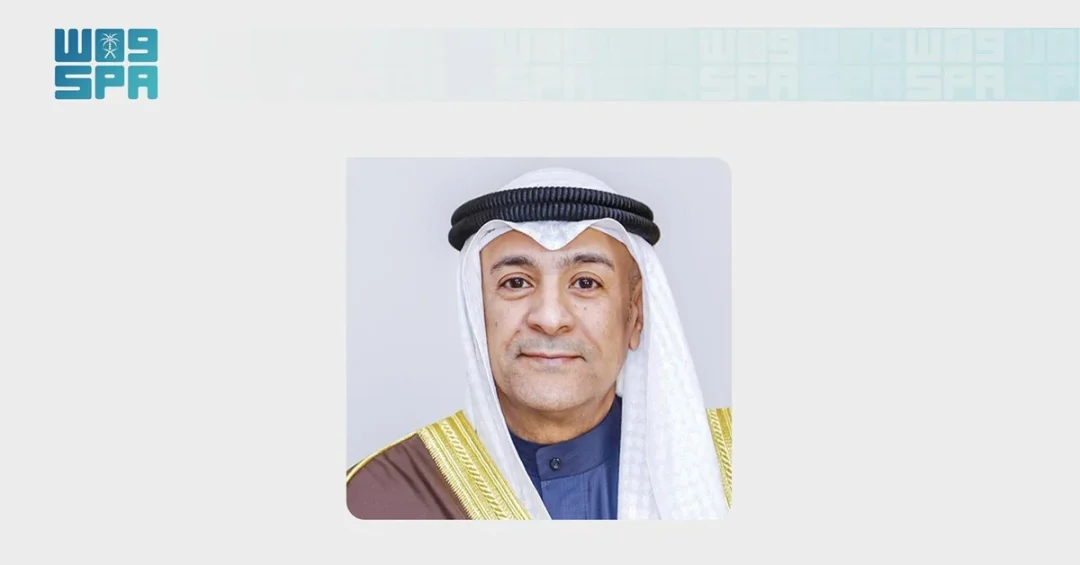
Gulf Cooperation Council (GCC) Secretary General Jasem Mohamed Albudaiwi affirmed in New York on Monday that relations between the GCC member states and the French Republic rest on an enduring strategic partnership, shared interests, and common visions, as he addressed the GCC-France Joint Ministerial Meeting. The meeting, held on the margins of the United Nations General Assembly, was co-chaired by Dr. Abdullatif bin Rashid Al Zayani, Chairman of the current session of the GCC Ministerial Council, and Jean-Noël Barrot, Minister for Europe and Foreign Affairs of the French Republic, with the foreign ministers of the GCC member states in attendance.
According to the Saudi Press Agency (SPA), which carried the secretary general’s remarks, Albudaiwi stressed the importance of continually advancing GCC-France collaboration across diverse sectors to serve common interests and to foster peace, security, and stability both regionally and internationally. The meeting represents the latest high-level diplomatic engagement between the six-nation Gulf bloc and a permanent member of the United Nations Security Council. Why does this partnership matter so much at this particular moment in global affairs?
Context and Background
The GCC, headquartered in Riyadh, comprises the Kingdom of Saudi Arabia, the United Arab Emirates, the State of Qatar, the State of Kuwait, the Kingdom of Bahrain, and the Sultanate of Oman. Since its founding in 1981, the council has evolved from a regional coordination body into a significant actor in global energy markets, trade corridors, and security architecture. Its engagement with France, one of Europe’s leading economies and a nuclear-armed UN Security Council member, has deepened steadily over the past decade, reflecting a broader Gulf outreach to European partners.
The GCC-France Joint Ministerial Meeting in New York follows a sustained pattern of dialogue that includes the GCC-EU ministerial format and bilateral tracks with individual European capitals. Albudaiwi told the meeting that the GCC views France as an important strategic partner both bilaterally and within the wider GCC-European Union framework, commending Paris for its role in bolstering ties between the council and the EU. The secretary general also expressed the GCC’s anticipation that the Second GCC-EU Summit, scheduled to take place in the Kingdom of Saudi Arabia on October 24, 2026, will mark an important milestone in elevating cooperation and delivering concrete outcomes across shared priorities.
That summit, to be hosted on Saudi soil, underscores the Kingdom’s convening power as a bridge between the Gulf and Europe. It also signals that both sides see institutionalized dialogue, rather than ad hoc consultation, as the foundation for long-term cooperation on trade, investment, climate, and security. How often do regional blocs and major European powers sustain this level of structured engagement? Rarely, which is precisely why the upcoming summit is being watched closely by diplomats and investors alike.
Key Details
Albudaiwi revealed that the GCC General Secretariat has maintained active coordination with French authorities regarding a draft Joint Action Plan, with an updated version now finalized. The plan encompasses mechanisms for collaboration in political, security, military, economic, technological, educational, and energy fields. He voiced hope that the requisite procedures for its formal adoption would be concluded at the earliest opportunity, signaling that the partnership is moving from declaratory statements toward operational cooperation.
On the economic front, the secretary general highlighted the robustness of GCC-France economic relations, noting that bilateral trade volume has surpassed approximately €60 billion. That figure, he said, embodies promising potential for expanded commerce, investment, and cooperation in high-priority sectors. The trade relationship spans hydrocarbons, aerospace, defense equipment, luxury goods, financial services, and increasingly renewable energy and digital technologies, with French companies maintaining a significant presence in Gulf markets.
Turning to regional security, Albudaiwi observed that the ministerial meeting convened amid highly delicate geopolitical circumstances. He pointed to Iranian attacks that have targeted vital installations and diplomatic premises across GCC states since February 28, 2026, notwithstanding that GCC countries were not party to the hostilities and have relentlessly pursued mediation to contain escalation. The secretary general stressed the GCC’s stance calling for the safety of maritime corridors and freedom of international navigation, urging strict adherence to United Nations Security Council Resolution 2817.
He called for the full restoration of maritime traffic in the Straits of Hormuz and Bab Al-Mandab to conditions before February 28, 2026, and rejected any unilateral levies or conditions imposed on transit rights. In this regard, he commended France’s position condemning attacks against GCC states and its active contribution to international efforts aimed at reopening the Strait of Hormuz. Reaffirming the centrality of the Palestinian cause, he emphasized the imperative of ending the Israeli occupation and establishing an independent Palestinian state along the 1967 borders with East Jerusalem as its capital, pursuant to the Arab Peace Initiative and relevant resolutions of international legitimacy.
He lauded France’s decision to recognize the State of Palestine, its diplomatic synergy alongside the Kingdom of Saudi Arabia to implement the two-state solution, and its stance against settlement expansion and settler violence. Furthermore, he praised French initiatives backing the Lebanese Republic, notably the convening of the Paris Conference in support of the Lebanese Armed Forces and Internal Security Forces. Concluding his address, Albudaiwi emphasized that the GCC-French partnership extends beyond addressing immediate challenges toward forging a shared vision for a more secure, stable, and prosperous future. He noted that convergent political will, shared visions, and mutual interests provide a resilient springboard to broaden bilateral engagement across political, defense, economic, investment, technological, energy, and educational domains.
International and Regional Impact
The GCC-France ministerial meeting carries implications that extend well beyond the bilateral relationship. France’s condemnation of attacks on GCC states and its diplomatic coordination with Saudi Arabia on the two-state solution illustrate how European and Gulf positions are converging on key regional files. For the GCC, France serves as a bridge to the broader European Union at a time when Europe is seeking diversified energy supplies and deeper trade ties with the Gulf. For Paris, the Gulf represents a vital economic partner and a stabilizing force in a volatile neighborhood.
The emphasis on maritime security is particularly consequential. The Straits of Hormuz and Bab Al-Mandab are chokepoints through which a substantial share of global energy exports passes. Any disruption reverberates through international oil markets and shipping insurance costs. By urging adherence to UN Security Council Resolution 2817 and rejecting unilateral conditions on transit rights, the GCC is articulating a rules-based approach that aligns with French and broader European interests in freedom of navigation. How quickly can maritime traffic return to pre-February 2026 conditions? That question now sits at the center of international diplomacy, and France’s active role in reopening the Strait of Hormuz is viewed in Gulf capitals as a constructive contribution.
The Palestinian file adds another layer of diplomatic significance. France’s recognition of the State of Palestine and its coordination with Saudi Arabia on implementing the two-state solution reflect a shared commitment to a negotiated peace based on the 1967 borders. The GCC’s reaffirmation of the Arab Peace Initiative underscores the continued relevance of that framework. French support for Lebanese institutions, including through the Paris Conference backing the Lebanese Armed Forces and Internal Security Forces, further demonstrates a willingness to invest in regional stability.
Economic and Strategic Significance
The €60 billion bilateral trade volume between the GCC and France is a headline figure, but the Joint Action Plan suggests both sides intend to move beyond commodity exchange into co-investment and technology transfer. The plan’s mechanisms cover political, security, military, economic, technological, educational, and energy fields, indicating a comprehensive approach. For Saudi Arabia and its GCC partners, cooperation with France in technology and education supports economic diversification goals, while energy collaboration increasingly includes renewables, hydrogen, and nuclear power alongside traditional hydrocarbons.
From a strategic standpoint, the GCC-France relationship provides a counterweight to uncertainty in global supply chains and geopolitics. French expertise in defense, aerospace, and infrastructure complements Gulf capital and ambition. The proposed Joint Action Plan, once formally adopted, would create a structured framework for joint ventures, research partnerships, and academic exchanges. For international investors, the signal is clear: the Gulf-European corridor is being institutionalized, reducing political risk and opening new avenues for public-private cooperation. What does this mean for companies eyeing Gulf markets? It means a more predictable, rules-based environment for cross-border business.
Vision 2030 Alignment
The GCC-France partnership aligns closely with Saudi Arabia’s Vision 2030, which seeks to diversify the Kingdom’s economy, expand its global partnerships, and position the country as a hub connecting three continents. The Second GCC-EU Summit, to be hosted in the Kingdom on October 24, 2026, exemplifies this ambition, bringing European leaders to Saudi soil for high-level discussions on trade, investment, and shared priorities. Saudi Arabia’s diplomatic synergy with France on the two-state solution and its role in mediating regional tensions further reinforce the Kingdom’s standing as a responsible international actor.
As the GCC Secretary General concluded, the partnership extends beyond immediate challenges toward a shared vision for a more secure, stable, and prosperous future. Convergent political will, shared visions, and mutual interests provide a resilient springboard for broadening engagement across political, defense, economic, investment, technological, energy, and educational domains. For Saudi Arabia and its Gulf neighbors, France is not merely a trading partner but a strategic ally in building the diversified, knowledge-driven economies that Vision 2030 envisions. The coming months, culminating in the GCC-EU Summit, will test whether that vision translates into concrete outcomes. Given the momentum on display in New York, the prospects appear promising.
20 Questions
Q1. What was the main purpose of the GCC-France Joint Ministerial Meeting in New York?
A1. The meeting aimed to strengthen the strategic partnership between GCC member states and France, review ongoing cooperation, and discuss regional and international issues of mutual concern, including security and economic ties.
Q2. Who co-chaired the GCC-France Joint Ministerial Meeting?
A2. The meeting was co-chaired by Dr. Abdullatif bin Rashid Al Zayani, Chairman of the current session of the GCC Ministerial Council, and Jean-Noël Barrot, France’s Minister for Europe and Foreign Affairs.
Q3. What did GCC Secretary General Jasem Mohamed Albudaiwi say about France’s role?
A3. He described France as an important strategic partner both bilaterally and within the wider GCC-European Union framework, commending Paris for bolstering ties between the council and the EU.
Q4. When and where is the Second GCC-EU Summit scheduled to take place?
A4. The Second GCC-EU Summit is scheduled to take place in the Kingdom of Saudi Arabia on October 24, 2026, and is expected to mark a milestone in GCC-EU cooperation.
Q5. What is the status of the GCC-France Joint Action Plan?
A5. The GCC General Secretariat has coordinated with French authorities on a draft Joint Action Plan, and an updated version has been finalized covering political, security, military, economic, technological, educational, and energy fields.
Q6. What is the current bilateral trade volume between the GCC and France?
A6. Bilateral trade volume between the GCC and France has surpassed approximately €60 billion, reflecting strong economic ties and promising potential for expanded commerce and investment.
Q7. What regional security challenges did the GCC Secretary General highlight?
A7. He pointed to Iranian attacks targeting vital installations and diplomatic premises across GCC states since February 28, 2026, despite GCC countries not being party to the hostilities and pursuing mediation.
Q8. What is the GCC’s stance on maritime navigation in the region?
A8. The GCC calls for the safety of maritime corridors and freedom of international navigation, urging adherence to UN Security Council Resolution 2817 and full restoration of traffic in the Straits of Hormuz and Bab Al-Mandab.
Q9. How did the GCC Secretary General describe France’s position on attacks against GCC states?
A9. He commended France’s position condemning attacks against GCC states and its active contribution to international efforts aimed at reopening the Strait of Hormuz.
Q10. What did Albudaiwi say about the Palestinian cause?
A10. He reaffirmed the centrality of the Palestinian cause, emphasizing the need to end the Israeli occupation and establish an independent Palestinian state along the 1967 borders with East Jerusalem as its capital.
Q11. How did the GCC Secretary General view France’s recognition of the State of Palestine?
A11. He lauded France’s decision to recognize the State of Palestine and its diplomatic synergy with Saudi Arabia to implement the two-state solution, as well as its stance against settlement expansion.
Q12. What French initiatives in Lebanon did Albudaiwi praise?
A12. He praised French initiatives backing Lebanon, notably the convening of the Paris Conference in support of the Lebanese Armed Forces and Internal Security Forces.
Q13. What sectors are covered by the GCC-France Joint Action Plan?
A13. The plan covers mechanisms for collaboration in political, security, military, economic, technological, educational, and energy fields, aiming to formalize and expand cooperation.
Q14. Why is the Second GCC-EU Summit significant for Saudi Arabia?
A14. Hosting the summit reinforces Saudi Arabia’s role as a bridge between the Gulf and Europe, aligning with Vision 2030 goals of expanding global partnerships and economic diversification.
Q15. What does the GCC seek regarding transit rights in regional waterways?
A15. The GCC rejects any unilateral levies or conditions imposed on transit rights and calls for the full restoration of maritime traffic to conditions before February 28, 2026.
Q16. How does the GCC-France partnership align with Vision 2030?
A16. It supports economic diversification, technology transfer, educational exchange, and investment, all of which are central to Vision 2030’s goal of a knowledge-driven economy.
Q17. What did Albudaiwi say about the future of GCC-France relations?
A17. He emphasized that the partnership extends beyond immediate challenges toward a shared vision for a more secure, stable, and prosperous future, with convergent political will providing a resilient springboard.
Q18. Which countries are members of the Gulf Cooperation Council?
A18. The GCC comprises Saudi Arabia, the United Arab Emirates, Qatar, Kuwait, Bahrain, and Oman, working together on political, economic, and security cooperation.
Q19. What role does France play in GCC-EU relations?
A19. France actively supports strengthening ties between the GCC and the European Union, serving as a bridge for dialogue and cooperation on shared priorities.
Q20. What is the expected outcome of the formal adoption of the Joint Action Plan?
A20. Formal adoption is expected to institutionalize cooperation across multiple sectors, providing a structured framework for joint ventures, research, and strategic dialogue between the GCC and France.
Reader Feedback
We value your thoughts. Please share your feedback on this article.
Your feedback helps us improve our coverage.
Related articles
 UN Condemns Houthi Attacks on Saudi Arabia, Urges De-escalation
 Riyadh Municipality Designates 156 Sites for Saudi National Day
 GCC Symposium Targets Non-State Armed Groups Threat
 Taif Adorned in Green for Saudi National Day
 Saudi Ambassador Al-Buraithin Presents Credentials to Tunisian President
 Yanbu Streets Adorned with Flags Ahead of Saudi National Day