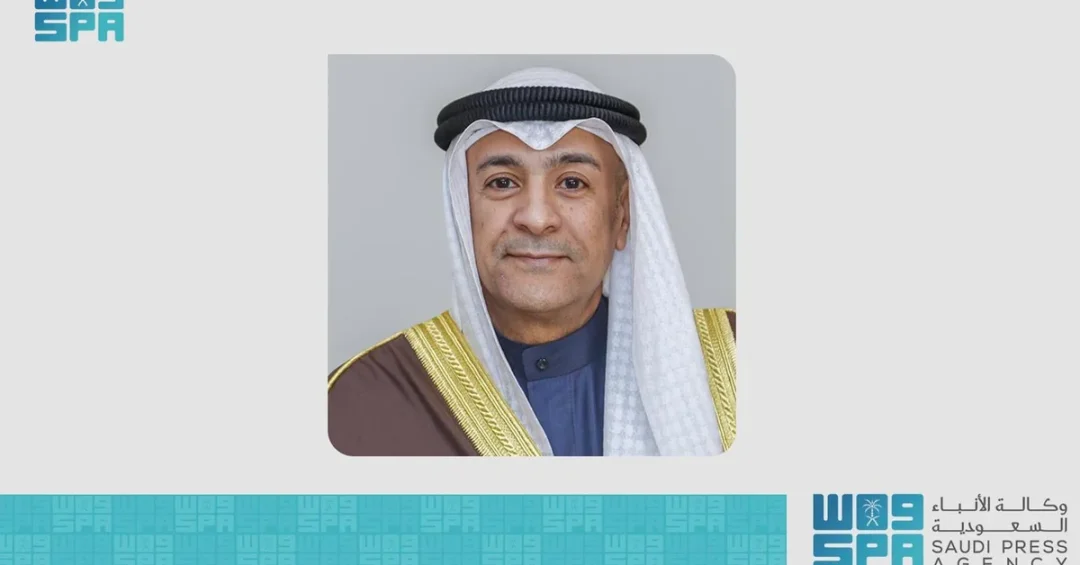
Gulf Cooperation Council (GCC) Secretary-General Jasem Albudaiwi participated in an informal meeting of the European Union (EU) Political and Security Committee in Brussels on Tuesday, March 18, 2025, following an official invitation from Ambassador Delphine Pronk, chair of the committee and deputy political director of the European External Action Service (EEAS). The high-level gathering at EU headquarters underscored the deepening strategic partnership between the GCC and the EU, with discussions focused on diplomacy, security, trade, energy, climate action, and people-to-people ties.
Context and Background
The meeting builds on a series of recent engagements between the two blocs, including a previous encounter in Riyadh at the GCC General Secretariat on November 25, 2024, and a joint summit statement issued in October 2024. These dialogues reflect a shared commitment to addressing regional and global challenges through coordinated diplomacy and economic collaboration. The GCC, comprising Bahrain, Kuwait, Oman, Qatar, Saudi Arabia, and the United Arab Emirates, has increasingly positioned itself as a key partner for the EU in promoting stability, security, and prosperity across the Gulf and Europe.
In his opening remarks, Albudaiwi emphasized that the session serves to enhance relations between the GCC and the EU. “This meeting follows the previous encounter in Riyadh at the General Secretariat of the GCC on November 25, 2024, and reaffirms our commitment to this growing strategic partnership,” he said. “These dialogues will contribute to promoting peace and prosperity in both regions, as the relationship between the two sides has become stronger than ever, based on a strategic consensus in diplomacy, security cooperation, and economic collaboration.”
Key Details
Albudaiwi highlighted the October 2024 joint statement from the GCC and the EU as a valuable testament to these deep relations. He called for continued close cooperation in resolving crises and preventing new ones, using joint diplomatic influence to enhance dialogue over conflict. He stressed the importance of developing trade and investment, leveraging initiatives such as the Joint Action Programme between the GCC and the EU to “diversify our economies and create job opportunities for our youth.”
The GCC chief also addressed the issue of Schengen visa exemptions for GCC citizens, underscoring the need for tangible progress. “The recent joint statement from the GCC-European Union summit reaffirmed both parties’ commitment to working towards a safe and beneficial visa-free travel arrangement between the GCC countries and the European Schengen Area,” he stated. He noted that high-level political support reflects “our shared” belief that facilitating travel is a “common interest” once the relevant criteria are met, and will enhance links between peoples and yield significant economic, cultural, and educational benefits for both sides.
Regarding negotiations for a free trade agreement (FTA) between the two sides, the secretary-general noted that one of the main components of the economic partnership is the ongoing dialogue surrounding the FTA. “Despite the challenges faced in previous negotiations, both parties recognize the significant benefits that a comprehensive trade agreement would bring. Accordingly, senior negotiators from the GCC and the European Union have been engaged in renewed discussions to assess the situation and explore practical ways to revive the negotiations,” Albudaiwi said.
He also reviewed regional diplomatic relations and mediation in crises, noting that the GCC and the EU have become close partners in conflict resolution and humanitarian efforts. This includes discussing the positions and perspectives of GCC member states on various regional and international issues, foremost among them the Palestinian cause and the tragic situation in Gaza. He commended the EU initiative to organize the Ninth Conference in Brussels on Syria and its success in garnering substantial international support and making significant commitments to assist the Syrian people.
Implications and Impact
The informal meeting signals a renewed momentum in GCC-EU relations, with potential far-reaching implications for trade, mobility, and regional stability. A visa-free travel arrangement would facilitate business, tourism, and educational exchanges, boosting economic ties and cultural understanding. Reviving FTA negotiations could lead to a comprehensive trade agreement that reduces barriers and stimulates growth in both regions. Cooperation on energy security and climate action aligns with global sustainability goals, leveraging the GCC’s energy resources and the EU’s green technologies. Additionally, joint diplomatic efforts on crises such as Gaza and Syria demonstrate a shared commitment to humanitarian aid and conflict resolution.
Vision 2030 Alignment
Saudi Arabia’s Vision 2030, a strategic framework to diversify the economy and enhance global engagement, finds strong resonance in the outcomes of this meeting. The Kingdom, as a leading GCC member, supports initiatives that promote economic diversification, youth employment, and international partnerships. The discussions on trade, investment, and visa facilitation directly contribute to Vision 2030’s objectives of increasing non-oil revenues, fostering a knowledge-based economy, and strengthening Saudi Arabia’s role as a global hub for business and tourism. Moreover, the emphasis on cultural and educational cooperation enriches societies and builds bridges, reflecting Vision 2030’s commitment to mutual learning and international collaboration. As the GCC and EU deepen their partnership, Saudi Arabia remains at the forefront, championing stability, prosperity, and a sustainable future for the region and beyond.
20 Questions
Q1. What was the purpose of the GCC Secretary-General’s visit to Brussels?
A1. Jasem Albudaiwi participated in an informal meeting of the EU Political and Security Committee to enhance GCC-EU relations and discuss strategic partnership areas including diplomacy, security, trade, and energy.
Q2. Who invited the GCC Secretary-General to the meeting?
A2. Ambassador Delphine Pronk, chair of the EU Political and Security Committee and deputy political director of the European External Action Service, extended the official invitation.
Q3. When and where did the meeting take place?
A3. The meeting was held on Tuesday, March 18, 2025, at EU headquarters in Brussels, Belgium.
Q4. What previous GCC-EU encounter was mentioned by Albudaiwi?
A4. He referenced a previous meeting in Riyadh at the GCC General Secretariat on November 25, 2024, which reaffirmed the growing strategic partnership.
Q5. What joint statement did Albudaiwi highlight as a testament to deep relations?
A5. He pointed to the October 2024 joint statement from the GCC and the EU as evidence of the strong and deepening ties between the two blocs.
Q6. What did Albudaiwi say about the importance of trade and investment?
A6. He stressed developing trade and investment through initiatives like the Joint Action Programme to diversify economies and create job opportunities for youth.
Q7. What did Albudaiwi say about Schengen visa exemptions for GCC citizens?
A7. He underscored the need for tangible progress, noting that the recent joint statement reaffirmed both parties’ commitment to working towards a safe and beneficial visa-free travel arrangement.
Q8. What benefits would a visa-free travel arrangement bring?
A8. It would enhance links between peoples and yield significant economic, cultural, and educational benefits for both the GCC and the EU, once relevant criteria are met.
Q9. What did Albudaiwi say about the free trade agreement negotiations?
A9. He noted that despite past challenges, both parties recognize the benefits of a comprehensive trade agreement and senior negotiators are engaged in renewed discussions to revive negotiations.
Q10. How did Albudaiwi describe the GCC region in terms of trade?
A10. He affirmed that the GCC region remains a key trade and investment partner for the EU, and vice versa, highlighting the mutual economic importance.
Q11. What regional issues did Albudaiwi discuss regarding diplomacy?
A11. He reviewed regional diplomatic relations and mediation in crises, including the Palestinian cause and the tragic situation in Gaza, noting GCC-EU partnership in conflict resolution.
Q12. What EU initiative on Syria did Albudaiwi commend?
A12. He commended the EU initiative to organize the Ninth Conference in Brussels on Syria, which garnered substantial international support and commitments to assist the Syrian people.
Q13. What did Albudaiwi say about energy security and climate action?
A13. He highlighted the necessity of intensifying cooperation, noting that GCC energy resources and EU green technologies can complement each other for a sustainable future.
Q14. How did Albudaiwi describe the GCC-EU partnership?
A14. He described it as a cornerstone for stability, cooperation, and shared prosperity, emphasizing the need to translate shared aspirations into tangible actions.
Q15. What did Albudaiwi say about cultural and educational cooperation?
A15. He stressed its significance in enriching societies through mutual learning and strengthening bonds of friendship that make the partnership robust.
Q16. What was the outcome of the October 2024 GCC-EU joint statement?
A16. It reaffirmed both parties’ commitment to working towards a visa-free travel arrangement and highlighted the deep relations between the GCC and the EU.
Q17. How does the meeting align with Saudi Arabia’s Vision 2030?
A17. It supports economic diversification, youth employment, and international partnerships, aligning with Vision 2030’s goals of increasing non-oil revenues and enhancing global engagement.
Q18. What is the Joint Action Programme between the GCC and the EU?
A18. It is an initiative aimed at diversifying economies and creating job opportunities for youth, as mentioned by Albudaiwi during the meeting.
Q19. What did Albudaiwi say about the future of GCC-EU relations?
A19. He stressed the need to continue working together to address today’s challenges and pave the way for a more stable and prosperous tomorrow for both the Gulf and Europe.
Q20. What role does Saudi Arabia play in the GCC-EU partnership?
A20. As a leading GCC member, Saudi Arabia champions stability, prosperity, and sustainable development, actively supporting initiatives that strengthen ties between the Gulf and Europe.
Reader Feedback
We value your thoughts. Please share your feedback on this article.
Your feedback helps us improve our coverage.