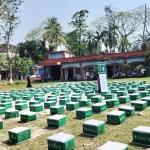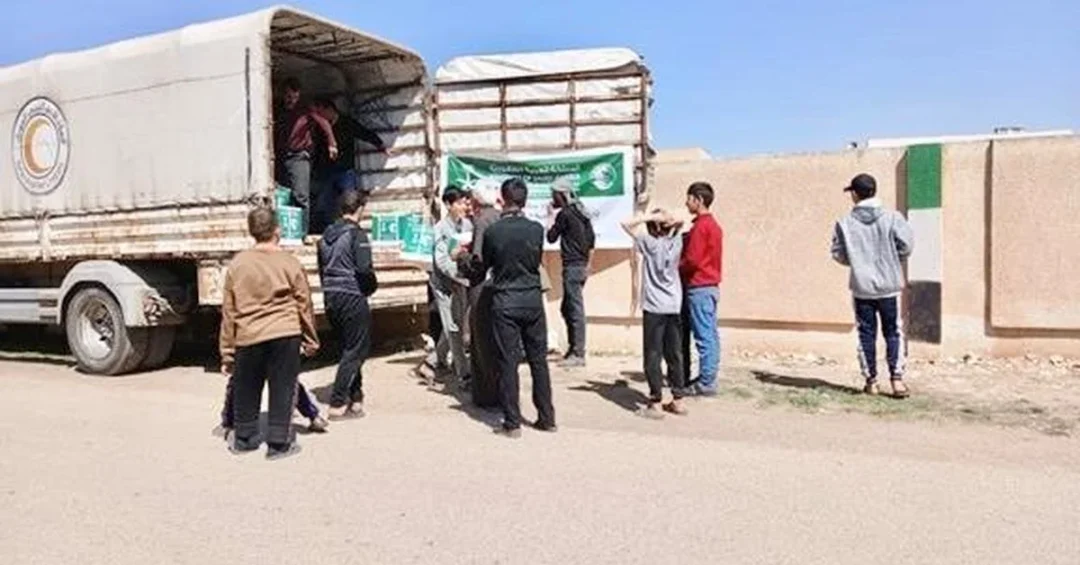
The King Salman Humanitarian Aid and Relief Center (KSrelief) distributed 115 food baskets to families in Suwayda, Syria, benefiting 363 individuals, as part of the Etaam Ramadan Food Basket Project for 1446 AH. The distribution is part of the project’s fourth phase, which aims to deliver 390,109 food baskets across 27 countries during Ramadan, reaching 2,304,104 individuals at a total cost exceeding SAR 67.064 million. This initiative reflects Saudi Arabia’s ongoing commitment to humanitarian relief through KSrelief, under the leadership of the Custodian of the Two Holy Mosques, King Salman bin Abdulaziz Al Saud, and His Royal Highness Crown Prince Mohammed bin Salman bin Abdulaziz Al Saud.
Context and Background
KSrelief, established in 2015, is the primary humanitarian arm of Saudi Arabia, mandated to provide aid and relief to countries affected by disasters, crises, and poverty. The Etaam Ramadan Food Basket Project is an annual initiative that embodies the spirit of giving during the holy month of Ramadan. In its fourth phase for 1446 AH, the project expands its reach to 27 countries, demonstrating Saudi Arabia’s global humanitarian reach and its dedication to alleviating suffering. The distribution in Suwayda, Syria, is particularly significant given the ongoing challenges faced by Syrian communities. According to the Saudi Press Agency (SPA), this effort is part of a broader commitment to support those in need worldwide.
Key Details
The distribution in Suwayda targeted 115 families, comprising 363 individuals, ensuring that vulnerable populations receive essential food supplies during Ramadan. The food baskets typically include staple items such as rice, flour, oil, and dates, providing nutritious meals for the holy month. The Etaam project’s fourth phase has a total budget exceeding SAR 67.064 million, underscoring Saudi Arabia’s substantial investment in humanitarian causes. This phase will see the distribution of 390,109 baskets, a testament to the scale and efficiency of KSrelief’s operations. The project is implemented in coordination with local authorities and humanitarian partners to ensure aid reaches those most in need.
Implications and Impact
The distribution in Suwayda not only addresses immediate food insecurity but also strengthens community resilience in a region grappling with prolonged conflict. By providing food baskets, KSrelief helps mitigate the risk of malnutrition and hunger, particularly among children and the elderly. This initiative also fosters goodwill and solidarity, reflecting Saudi Arabia’s role as a responsible global actor. The broader Etaam project, spanning 27 countries, amplifies Saudi Arabia’s humanitarian footprint, contributing to international efforts to achieve food security and alleviate poverty. Moreover, it aligns with the Kingdom’s foreign policy objectives of promoting peace and stability through development and aid.
Vision 2030 Alignment
The Etaam Ramadan Food Basket Project is a clear manifestation of Saudi Vision 2030, which emphasizes humanitarian responsibility and global partnership. Vision 2030 seeks to position Saudi Arabia as a leader in humanitarian and development aid, and KSrelief’s work is central to this ambition. Through such initiatives, the Kingdom not only provides immediate relief but also builds bridges with nations worldwide, enhancing its soft power and diplomatic ties. As Saudi Arabia continues to advance its Vision 2030 goals, its humanitarian efforts will remain a cornerstone of its international engagement, demonstrating compassion and leadership on the world stage.
20 Questions
Q1. What is KSrelief?
A1. KSrelief, or the King Salman Humanitarian Aid and Relief Center, is Saudi Arabia’s primary humanitarian organization, established in 2015 to provide aid and relief to countries in need worldwide.
Q2. What is the Etaam Ramadan Food Basket Project?
A2. It is an annual initiative by KSrelief that distributes food baskets during Ramadan to support vulnerable families in various countries, embodying the spirit of giving.
Q3. How many families benefited in Suwayda, Syria?
A3. In Suwayda, 115 families, totaling 363 individuals, received food baskets as part of the project’s fourth phase for 1446 AH.
Q4. What does a food basket typically contain?
A4. Food baskets include essential staples such as rice, flour, oil, and dates, providing nutritious meals for families during the holy month of Ramadan.
Q5. How many countries are covered in the fourth phase?
A5. The fourth phase of the Etaam project covers 27 countries, demonstrating Saudi Arabia’s wide-reaching humanitarian efforts.
Q6. What is the total number of food baskets to be distributed?
A6. The project aims to distribute 390,109 food baskets across the 27 countries during Ramadan 1446 AH.
Q7. How many individuals will benefit from the project?
A7. A total of 2,304,104 individuals are expected to benefit from the food baskets distributed in this phase.
Q8. What is the total cost of the fourth phase?
A8. The total cost exceeds SAR 67.064 million, reflecting Saudi Arabia’s substantial commitment to humanitarian aid.
Q9. Who leads KSrelief’s efforts?
A9. KSrelief operates under the guidance of the Custodian of the Two Holy Mosques, King Salman bin Abdulaziz Al Saud, and Crown Prince Mohammed bin Salman bin Abdulaziz Al Saud.
Q10. Why is Suwayda significant for this distribution?
A10. Suwayda, in southern Syria, has faced economic hardships, making this distribution crucial for supporting vulnerable families during Ramadan.
Q11. How does this project align with Saudi Vision 2030?
A11. It aligns with Vision 2030’s emphasis on humanitarian responsibility and global partnership, enhancing Saudi Arabia’s role as a leading donor.
Q12. What is the source of information for this distribution?
A12. The information was released by the Saudi Press Agency (SPA), the official news agency of Saudi Arabia.
Q13. How does KSrelief coordinate its distributions?
A13. KSrelief collaborates with local authorities and humanitarian partners to ensure aid reaches those in need efficiently and effectively.
Q14. What impact does the project have on food security?
A14. By providing food baskets, the project helps mitigate hunger and malnutrition, contributing to improved food security in vulnerable communities.
Q15. Is this the first time KSrelief has operated in Syria?
A15. No, KSrelief has a long history of providing aid in Syria, addressing the needs of communities affected by conflict.
Q16. How can other countries support similar initiatives?
A16. Countries can collaborate with KSrelief or launch their own humanitarian programs to address global food insecurity and support those in need.
Q17. What is the significance of Ramadan for this project?
A17. Ramadan is a month of giving, and the project embodies this spirit by ensuring that vulnerable families have adequate food during the holy month.
Q18. How does KSrelief ensure transparency in its operations?
A18. KSrelief maintains transparency through regular reporting, coordination with partners, and adherence to international humanitarian standards.
Q19. What other projects does KSrelief undertake?
A19. KSrelief implements diverse projects in health, education, water, sanitation, and shelter, among others, to address multifaceted needs.
Q20. How can individuals contribute to KSrelief’s efforts?
A20. Individuals can support KSrelief through donations via their official website or by participating in fundraising campaigns to aid humanitarian causes.
Reader Feedback
We value your thoughts. Please share your feedback on this article.
Your feedback helps us improve our coverage.