


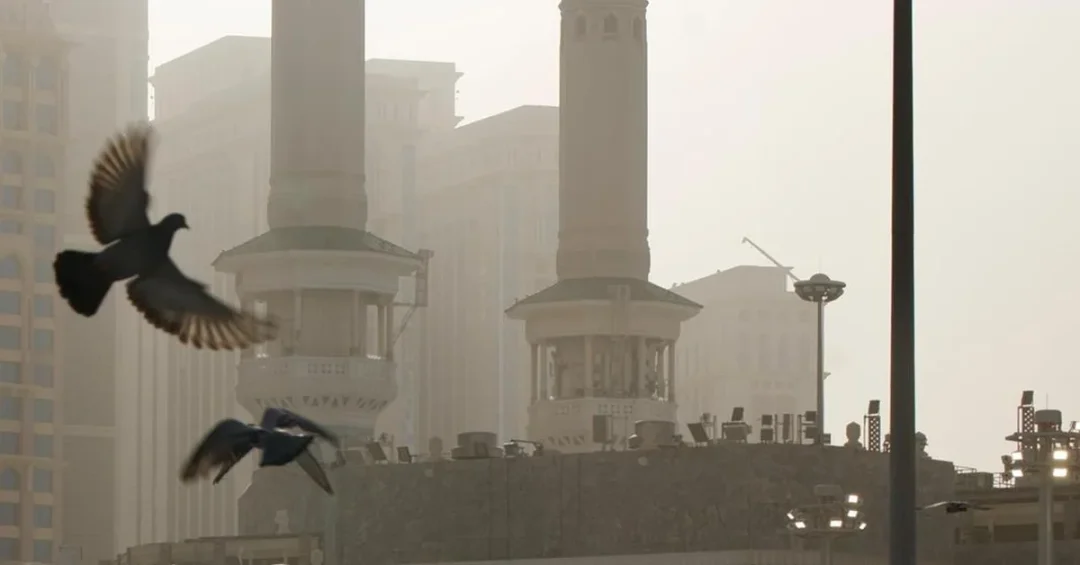
In his Friday sermon at the Grand Mosque in Makkah on August 7, 2026, Imam Sheikh Faisal Ghazzawi emphasized that brotherhood and solidarity among Muslims are vital religious obligations that sustain blessings and avert hardship. Delivered from Islam’s holiest site and reported by the Saudi Press Agency (SPA), the sermon called on worshippers to embrace cooperation, mutual support, and the relief of those in distress through acts of righteousness and piety. The message reached a global audience, as Friday prayers at the Grand Mosque are attended by pilgrims and residents from across the world and broadcast through official Saudi channels.
The sermon comes at a time when the Kingdom of Saudi Arabia continues to position the Two Holy Mosques as a unifying spiritual center for the global Muslim community, or Ummah. Under the leadership of the Custodian of the Two Holy Mosques, King Salman bin Abdulaziz Al Saud, and His Royal Highness Crown Prince Mohammed bin Salman, Saudi Arabia has invested heavily in expanding the capacity, safety, and spiritual experience of the Grand Mosque and the Prophet’s Mosque in Madinah. The Imam’s words therefore carried both religious weight and a broader message of cohesion that resonates far beyond Makkah. Isn’t it striking how a single Friday sermon from Makkah can echo across continents within hours?
Context and Background
How does a Friday sermon from the Grand Mosque acquire global significance? The answer lies in the unique standing of Makkah within the Islamic world. The Grand Mosque, home to the Kaaba, is the destination of the Hajj pilgrimage and the direction of prayer for more than a billion Muslims. Sermons delivered there are treated as authoritative guidance by many communities, and the Saudi Press Agency distributes their content through official channels to ensure accuracy and reach. Imam Sheikh Faisal Ghazzawi’s address on August 7, 2026, followed this tradition, framing solidarity not merely as a virtue but as a religious duty with tangible consequences for communal well-being.
The timing of the sermon reflects a broader pattern in Saudi religious leadership. The Kingdom’s imams and scholars regularly address themes of unity, moderation, and social responsibility, aligning with the nation’s commitment to promoting a balanced and tolerant understanding of Islam. Official Saudi channels, including SPA, consistently highlight these messages as part of the Kingdom’s role as custodian of the Two Holy Mosques. In this context, the Imam’s emphasis on relieving the distress of those in need connects directly to Saudi Arabia’s extensive humanitarian and charitable initiatives, which operate in dozens of countries and serve millions of beneficiaries each year.
Friday sermons in Makkah have historically served as moments of reflection for the Ummah, addressing both spiritual and practical matters. By focusing on brotherhood and mutual support, Imam Ghazzawi joined a lineage of Saudi religious leaders who have used the pulpit to encourage generosity, reconciliation, and social cohesion. The sermon also underscored that blessings are sustained through collective action, a message that carries particular resonance in a world where many communities face economic and social challenges. Isn’t it meaningful that the call to support one another came from the very heart of the Islamic world?
Key Details of the Sermon
According to the Saudi Press Agency, Imam Sheikh Faisal Ghazzawi described brotherhood and solidarity among Muslims as vital religious obligations that sustain blessings and avert hardship. He highlighted the importance of cooperation, mutual support, and relieving the distress of those in need through acts of righteousness and piety. These themes are rooted in Islamic teachings that emphasize the collective responsibility of believers toward one another, and they were presented as duties rather than optional virtues. The sermon’s language was inclusive, addressing all worshippers regardless of nationality or background.
The Imam’s focus on relieving distress aligns with the operational reality of the Grand Mosque, where millions of pilgrims from diverse economic and social circumstances gather each year. Saudi authorities provide extensive services to these visitors, including healthcare, accommodation, and logistical support, often described as a reflection of the Kingdom’s commitment to serving the guests of God. The sermon thus connected spiritual obligation with practical service, reinforcing the idea that faith is expressed through action. Official Saudi media reported the sermon’s key points, ensuring that its message reached audiences beyond those physically present in Makkah.
The address also emphasized that acts of righteousness and piety are the means by which Muslims can support one another. This framing positions mutual support as a form of worship, not merely charity. For international observers, the sermon offers insight into how Saudi religious leadership articulates social values within a theological framework. The message is consistent with the Kingdom’s broader efforts to promote moderation and coexistence, and it resonates with Vision 2030’s emphasis on social responsibility and quality of life. How often do we consider that supporting a neighbor in need can be an act of devotion?
International and Regional Impact
The sermon’s message is likely to be shared widely across the Islamic world, where Friday sermons from Makkah are followed closely by millions. Regional media outlets and community leaders often reference such addresses when discussing social cohesion and charitable giving. By framing solidarity as a religious obligation, the Imam provided a unifying narrative that transcends political and sectarian divides. This is particularly significant in a region that has experienced periods of tension, as it underscores the shared values that bind Muslim communities together. Saudi Arabia’s role as a convener of Islamic opinion is reinforced when its religious leaders speak clearly on matters of common concern.
Internationally, the sermon contributes to Saudi Arabia’s soft power and its image as a source of stability and spiritual guidance. The Kingdom hosts the largest annual gatherings of Muslims through Hajj and Umrah, and its management of these events is closely watched. Messages of mutual support and cooperation complement the logistical and humanitarian efforts that Saudi Arabia undertakes on behalf of pilgrims and communities worldwide. For non-Muslim audiences, the sermon offers a window into the values that animate Saudi society and its global engagement. Doesn’t this illustrate how religious leadership and state institutions can work in harmony to serve the common good?
Economic and Strategic Significance
While the sermon was primarily spiritual, its themes intersect with Saudi Arabia’s economic and strategic priorities. Charitable giving and social solidarity are integral to the Kingdom’s social contract, and they support stability by encouraging citizens and residents to assist those in need. Saudi Arabia’s humanitarian organizations, including the King Salman Humanitarian Aid and Relief Center (KSrelief), operate globally, delivering aid in coordination with international partners. The Imam’s call to relieve distress echoes these efforts and reinforces public support for them. In this sense, the sermon contributes to a social environment conducive to sustainable development and investment.
Strategically, the message of unity supports Saudi Arabia’s vision of a prosperous and cohesive society. Vision 2030 aims to diversify the economy, empower citizens, and enhance quality of life, all of which depend on social trust and cooperation. By emphasizing brotherhood and mutual support, the sermon encourages the kind of civic-mindedness that underpins successful development programs. The Kingdom’s leadership has consistently linked spiritual values with national progress, and the Imam’s address is a clear example of that linkage. Isn’t it logical that a society built on mutual support is better positioned to achieve ambitious economic goals?
Vision 2030 Alignment
The sermon aligns closely with Vision 2030’s emphasis on social responsibility, community well-being, and the promotion of moderate Islam. Vision 2030 seeks to build a vibrant society in which citizens and residents support one another and contribute to shared prosperity. Imam Sheikh Faisal Ghazzawi’s call to relieve the distress of those in need and to cooperate in righteousness and piety embodies these principles. It also complements the Kingdom’s efforts to enhance the pilgrimage experience, expand the capacity of the Two Holy Mosques, and serve millions of visitors with dignity and efficiency. These initiatives are central to Saudi Arabia’s role as custodian of Islam’s holiest sites.
As Saudi Arabia continues to implement Vision 2030, messages from the Grand Mosque will remain an important part of the national conversation, linking faith with action and unity with progress. The August 7, 2026, sermon serves as a reminder that the Kingdom’s spiritual leadership and its developmental ambitions are mutually reinforcing. By urging Muslims to support one another and to sustain blessings through solidarity, the Imam offered guidance that resonates with the Vision’s goals of a cohesive, compassionate, and forward-looking society. In doing so, he reinforced Saudi Arabia’s enduring role as a source of unity and guidance for the global Muslim community. Isn’t that a vision worth embracing for generations to come?
20 Questions
Q1. Who delivered the Friday sermon at the Grand Mosque in Makkah on August 7, 2026?
A1. Imam Sheikh Faisal Ghazzawi delivered the sermon, as reported by the Saudi Press Agency. He addressed worshippers at Islam’s holiest site, emphasizing brotherhood, solidarity, and mutual support among Muslims.
Q2. What were the main themes of the sermon?
A2. The sermon focused on brotherhood and solidarity as vital religious obligations, the importance of cooperation and mutual support, and relieving the distress of those in need through acts of righteousness and piety.
Q3. Why is a sermon from the Grand Mosque significant for Muslims worldwide?
A3. The Grand Mosque is Islam’s holiest site and the direction of prayer for over a billion Muslims. Sermons there are widely followed and considered authoritative guidance by many communities across the world.
Q4. How was the sermon disseminated to a global audience?
A4. The Saudi Press Agency reported the sermon through official channels, ensuring accurate distribution. Friday prayers at the Grand Mosque are also attended by pilgrims and residents from many countries.
Q5. What did the Imam say about blessings and hardship?
A5. He emphasized that brotherhood and solidarity sustain blessings and avert hardship, framing mutual support as a religious duty with tangible consequences for communal well-being and stability.
Q6. How does the sermon reflect Saudi Arabia’s role as custodian of the Two Holy Mosques?
A6. It reinforces the Kingdom’s commitment to providing spiritual guidance and services to pilgrims, consistent with its responsibility for the Grand Mosque and the Prophet’s Mosque in Madinah.
Q7. What is the significance of the sermon’s timing?
A7. The August 2026 sermon comes as Saudi Arabia continues expanding services for pilgrims and promoting moderate Islam, making its message of unity timely and relevant for the global Muslim community.
Q8. How does the sermon relate to Saudi humanitarian efforts?
A8. The call to relieve distress aligns with Saudi humanitarian initiatives, including those led by KSrelief, which delivers aid in dozens of countries and serves millions of beneficiaries annually.
Q9. What does the sermon say about cooperation among Muslims?
A9. It describes cooperation as essential, urging Muslims to support one another through acts of righteousness and piety, and presenting mutual assistance as a form of worship rather than an optional virtue.
Q10. How might the sermon impact regional communities?
A10. Regional media and community leaders often reference Makkah sermons, and the message of solidarity provides a unifying narrative that transcends political and sectarian divides across the Islamic world.
Q11. What role do Friday sermons play in Saudi religious leadership?
A11. They serve as moments of reflection and guidance, addressing spiritual and practical matters. Saudi imams regularly promote unity, moderation, and social responsibility through these addresses.
Q12. How does the sermon connect to Vision 2030?
A12. Vision 2030 emphasizes social responsibility and community well-being. The sermon’s themes of mutual support and cooperation complement these goals and encourage civic-mindedness among citizens and residents.
Q13. What did the Imam mean by acts of righteousness and piety?
A13. He referred to good deeds and devotion that express faith through action, including helping those in need, which he presented as a means of sustaining blessings and strengthening community bonds.
Q14. How does the sermon address the needs of pilgrims?
A14. By emphasizing relief of distress, the sermon reflects the practical services Saudi authorities provide to pilgrims, including healthcare, accommodation, and logistical support at the Grand Mosque.
Q15. What is the broader message for non-Muslim audiences?
A15. The sermon offers insight into the values of solidarity and compassion that animate Saudi society, illustrating how religious leadership and state institutions work together to serve the common good.
Q16. How does Saudi Arabia support global Muslim unity?
A16. Through hosting Hajj and Umrah, promoting moderate Islam, and providing humanitarian aid, Saudi Arabia fosters unity and cooperation among Muslim communities worldwide, a role reinforced by sermons from Makkah.
A16. Through hosting Hajj and Umrah, promoting moderate Islam, and providing humanitarian aid, Saudi Arabia fosters unity and cooperation among Muslim communities worldwide, a role reinforced by sermons from Makkah.
Q17. What economic principles does the sermon indirectly support?
A17. By encouraging charity and social solidarity, the sermon supports stability and trust, which are essential for sustainable development and investment, aligning with Saudi Arabia’s economic diversification goals.
Q18. How are sermons from the Grand Mosque recorded and shared?
A18. The Saudi Press Agency and official Saudi channels report and distribute key points, ensuring accurate and timely access for audiences in the Kingdom and internationally.
Q19. What makes the message of mutual support timeless?
A19. Islamic teachings have long emphasized collective responsibility. The Imam’s framing of support as a religious obligation connects ancient guidance with contemporary challenges facing communities worldwide.
Q20. What is the lasting significance of this sermon?
A20. It reinforces Saudi Arabia’s role as a source of unity and guidance, linking spiritual values with national progress and offering a message of solidarity that resonates with Muslims globally.
Reader Feedback
We value your thoughts. Please share your feedback on this article.
Your feedback helps us improve our coverage.
Related articles
 Arab League Condemns Houthi Attacks on Saudi Arabia and Yemen
 Arab League Warns Israel: Force Won’t Bring Security
 Bahrain Condemns Houthi Terror Attack in Najran
 Jordan Condemns Houthi Attack on Najran, Backs Saudi
 Muslim World League Condemns Houthi Attacks on Najran
 Arab League Chief Condemns Houthi Attacks on Saudi Arabia and Yemen